Indiana University School of Medicine (MD) Medical School - 2027 Entry Requirements & Interview Format
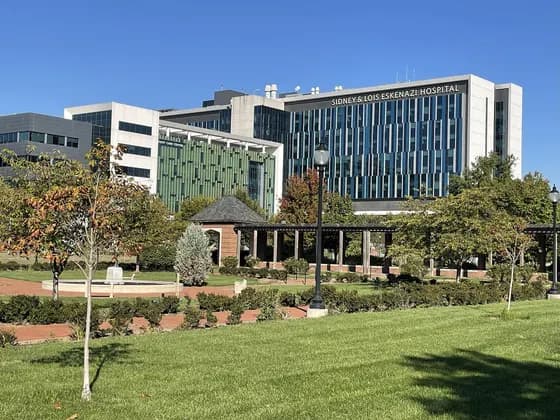
Indiana University School of Medicine, founded in 1903, is the largest medical school in the United States by total student enrollment. Its distinctive nine-campus regional network covers the entire state of Indiana, enabling students to train in settings ranging from urban academic medicine in Indianapolis to rural community hospitals in cities like Terre Haute, Evansville, and Fort Wayne. The school benefits from major clinical affiliations including IU Health, Eskenazi Health, and the VA Medical Center in Indianapolis, providing students with extraordinary breadth of patient exposure.
Entry Requirements
What you need to apply to Indiana University School of Medicine (MD).
Admission overview
Bachelor's degree and MCAT required. Applications via AMCAS. IUSM strongly prefers Indiana residents; out-of-state applicants compete for a small number of reserved seats. Applicants select a preferred campus in the application. IUSM recommends prior healthcare experience and community service; prerequisites include standard pre-med science coursework.
MCAT median
513 (range 508–519)
GPA median
3.75 overall / 3.70 science (BCPM)
Acceptance rate
7.5%
Class size
380
In-state preference
Strong — primarily in-state
In-state matriculants
88%
CASPer
Not required
Holistic review emphasis
Indiana residency, clinical and community service, mission alignment with regional training, academic preparation.
Notes
Estimates from public AAMC FACTS / AACOMAS / ADEA AADSAS / class-profile; verify current cycle.
Specialities offered
Cardiovascular Medicine, Oncology, Genomic Medicine, Primary Care, Neuroscience
Interview Format
How Indiana University School of Medicine (MD) interviews applicants.
Format
Traditional one-on-one or panel interviews with faculty and medical students
Interview window
October–February
Decision date
March 30 (AAMC standard)
Post-interview chances
Estimated post-interview acceptance rate approximately 30–40%; IUSM interviews a large number of in-state applicants, but the post-interview yield is strong given the school's regional mission.
What to expect at a Indiana University School of Medicine (MD) interview
IU School of Medicine interview days are hosted at the Indianapolis campus (main) or at one of its nine regional campuses across Indiana. Applicants typically complete two interviews: one with a faculty member and one with a current MD student, each lasting approximately 30 minutes. Interviewers have reviewed the full AMCAS application and personal statement beforehand. The day also includes a financial aid overview, a panel Q&A with current students, and a campus tour. Applicants select their preferred campus at the time of application, and interview days are conducted at the relevant regional site when applicable.
What makes Indiana University School of Medicine (MD) different
Indiana University School of Medicine is the largest medical school in the United States by total enrollment, with nine campuses statewide — the principal Indianapolis campus plus eight regional campuses across Indiana (Bloomington, Evansville, Fort Wayne, Muncie, Northwest-Gary, South Bend, Terre Haute, and West Lafayette). This distributed model is unique nationally and gives students broad exposure to diverse clinical environments. IUSM has made significant investments in genomic medicine through the Indiana Biosciences Research Institute (IBRI) and has notable cardiovascular research strengths.
Tutor insight
IU Med's regional campus system is a genuine asset if you want to stay in Indiana but prefer a smaller-city training environment — Evansville, Fort Wayne, and South Bend campuses offer lower competition and strong community medicine training. In interviews, be specific about which campus you prefer and why; interviewers at regional campuses appreciate candidates who demonstrate genuine enthusiasm for that community, not just the IUSM brand. Indiana's cardiovascular research infrastructure is nationally competitive — if research is a priority, make sure to highlight any relevant experience and ask specifically about MSTP or IBRI opportunities.
PrometheusQuestion Bank
595 medicine questions inside
Interview questions matched to Indiana University School of Medicine (MD)
Two questions our tutors flagged as a strong fit for Indiana University School of Medicine (MD)’s interview style. Try answering them out loud, then open Prometheus for the model answers and follow-up tips.
Hard·MMI · PanelQ1
US Healthcare Ethics: Conscientious Objection and Patient Care
A pharmacist in a state that permits pharmacy-level conscientious objection refuses to fill a prescription for emergency contraception on religious grounds, and the patient cannot easily access another pharmacy. A future physician trained in a state where your own religious convictions conflict with providing certain legal medical services asks you: when, if ever, is conscientious objection by a healthcare provider ethically acceptable, and what obligations come with invoking it?
Likely follow-up · Does the ethical analysis change depending on whether the provider is the only one available in the area?
3 expert tips in Prometheus
Medium·Panel · MMIQ2
Holistic Review: First-Generation College Student Experience
You are a first-generation college student. Neither of your parents attended university, and you funded your undergraduate education through Pell Grants, work-study, and part-time employment. You carried a 20-hour-per-week job alongside a full academic load and still maintained a 3.68 GPA. An interviewer asks: 'Your science GPA is slightly below the median for our entering class. How do you want us to contextualise your academic record?'
Likely follow-up · How does the AAMC's Experiences, Attributes, and Metrics framework (holistic review) allow schools to contextualise academic performance relative to life circumstances?
Apply to Indiana University School of Medicine (MD) with confidence
We've helped students get into Indiana University School of Medicine (MD) and other US medicine schools. Get tailored support for each stage of the application.
Indiana University School of Medicine (MD) - Frequently asked questions
Bachelor's degree and MCAT required. Applications via AMCAS. IUSM strongly prefers Indiana residents; out-of-state applicants compete for a small number of reserved seats. Applicants select a preferred campus in the application. IUSM recommends prior healthcare experience and community service; prerequisites include standard pre-med science coursework.
Traditional one-on-one or panel interviews with faculty and medical students. IU School of Medicine interview days are hosted at the Indianapolis campus (main) or at one of its nine regional campuses across Indiana. Applicants typically complete two interviews: one with a faculty member and one with a current MD student, each lasting approximately 30 minutes. Interviewers have reviewed the full AMCAS application and personal statement beforehand. The day also includes a financial aid overview, a panel Q&A with current students, and a campus tour. Applicants select their preferred campus at the time of application, and interview days are conducted at the relevant regional site when applicable.
Indiana University School of Medicine (MD) typically interviews in October–February.
Decisions are released March 30 (AAMC standard).
Indiana University School of Medicine is the largest medical school in the United States by total enrollment, with nine campuses statewide — the principal Indianapolis campus plus eight regional campuses across Indiana (Bloomington, Evansville, Fort Wayne, Muncie, Northwest-Gary, South Bend, Terre Haute, and West Lafayette). This distributed model is unique nationally and gives students broad exposure to diverse clinical environments. IUSM has made significant investments in genomic medicine through the Indiana Biosciences Research Institute (IBRI) and has notable cardiovascular research strengths.