
University of Nebraska College of Medicine Interview
Format, Questions & Prep Tips
University of Nebraska College of Medicine medicine interviews for 2027 entry are a traditional interview. Published figures: Annual MD class size ~120; Interview format Traditional panel — 1–2 interviewers, ~30–45 min; MCAT median ~512.
- Institution
- University of Nebraska College of Medicine
- Interview (2027 entry)
- September through March; rolling invitations issued after secondary review
- Decisions (2027 entry)
- Rolling decisions; most offers extended by March 30; waitlist movement into summer

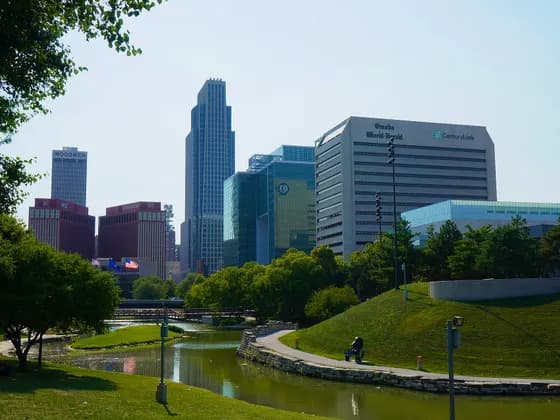
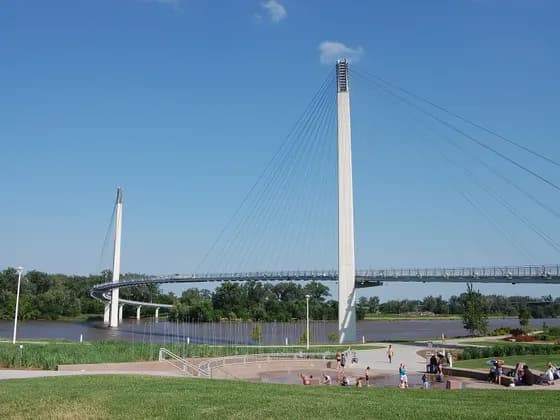
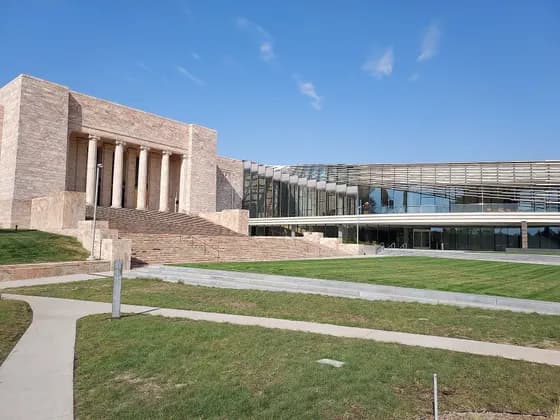
Photo: JonClee86 · CC BY-SA 3.0 · cropped
Photo: Collinulness · CC BY-SA 3.0 · Photo: Ryan Renner · CC BY 2.0 · Photo: Bubudu57 · CC0
How to get into University of Nebraska College of Medicine (MD) medicine
Step-by-step: entry requirements, admission tests, personal statement, interview format and the key deadlines.
Open the guide →University of Nebraska College of Medicine (MD) entry requirements
Admission profile, interview format, decision dates and what makes University of Nebraska College of Medicine (MD) different.
See the profile →The University of Nebraska College of Medicine (MD) medicine interview
The University of Nebraska College of Medicine uses a traditional panel interview format. Candidates typically meet with one or two faculty members or student interviewers in sessions of 30–45 minutes. Interviewers have reviewed your full application and ask open-ended questions probing motivation, rural health commitment, and professional formation.
UNMC places strong weight on Nebraska ties and service orientation — interviewers probe whether applicants have genuine plans to contribute to the state’s healthcare workforce, particularly in underserved and rural areas.
The interview day includes a campus tour, financial aid session, and informal student-applicant interaction, giving candidates multiple opportunities to demonstrate fit with UNMC’s community-first mission.
University of Nebraska College of Medicine (MD) interview at a glance (2027 entry)
| Annual MD class size | ~120 |
|---|---|
| Interview format | Traditional panel — 1–2 interviewers, ~30–45 min |
| MCAT median | ~512 |
| GPA median | ~3.80 |
| Application system | AMCAS |
| Interview window | September–March |
| In-state preference | Strong (~90–95% NE residents) |
Interview format
- One or two traditional one-on-one sessions with faculty, clinicians, or medical students.
- Sessions run ~30–45 minutes; the full interview day spans ~4–6 hours.
- Interviewers read your application in advance — expect specific follow-up on activities, essays, and Nebraska connection.
- Scenario-based ethical questions are common alongside motivation and background questions.
- Informal student lunch allows applicants to assess culture and ask candid questions.
Working towards the MCAT score University of Nebraska College of Medicine (MD) expects? Build a week-by-week plan from your test date — free for the first two weeks.
Sample interview questions
Why do you want to practice medicine in Nebraska, and what ties you to this state or its communities?
UNMC expects specific and credible Nebraska connections — personal history, rural rotations, family ties, or career intent. Generic answers underperform.
Tell me about your path to medicine. What experiences confirmed this was the right career for you?
Chronological narrative; highlight clinical exposure, patient interactions, and moments of doubt overcome. Connect to service values.
A patient refuses a blood transfusion on religious grounds despite it being life-saving. How do you approach this situation?
Discuss patient autonomy, informed consent, competency assessment, and your role. Acknowledge the tension without dismissing the patient's beliefs.
You discover a fellow medical student has been looking up a friend's medical records without clinical reason. What do you do?
HIPAA, professional accountability, duty to report vs. collegial loyalty — address both the ethical obligation and the human relationship.
Describe a time you worked effectively with someone very different from yourself. What did you learn?
STAR structure. Focus on the process of bridging differences rather than the endpoint — UNMC values interpersonal flexibility.
UNMC has a major biocontainment unit. How does that kind of infectious disease preparedness infrastructure shape your view of public health in America?
Show awareness of UNMC's unique role (Ebola treatment, 2014). Connect to public health systems, pandemic preparedness, and One Health thinking.
Describe your experience with rural or underserved communities. How has it shaped your career goals?
Be concrete. Volunteer work, shadowing in rural clinics, or personal rural background all count. Map the experience to physician workforce needs in Nebraska.
A family is asking you to withhold a terminal cancer diagnosis from their elderly parent "to protect them." How do you respond?
Address truth-telling ethics, patient autonomy, cultural sensitivity, and your legal obligations. Acknowledge the family's distress while centering the patient.
Tell me about a time you had to give difficult feedback to a peer or colleague. How did you approach it?
STAR. Emphasize empathy, specificity of feedback, and outcome — avoid portraying yourself as either conflict-avoidant or overly confrontational.
What healthcare challenge specific to Nebraska or the Great Plains region concerns you most, and what would you do as a physician to address it?
Research Nebraska health metrics: rural physician shortages, high rates of methamphetamine use, agricultural injury, and American Indian health disparities. Show genuine engagement.
Many of Nebraska's rural Critical Access Hospitals operate on thin or negative margins, and several have closed or nearly closed in recent years. When a rural hospital closes, what happens to a community's health, and what does that mean for the physicians who remain?
Connect closures to delayed emergency care, lost obstetrics, longer transfer times, and economic decline that itself harms health. Discuss telehealth, regionalization, and the heavier scope and isolation borne by remaining rural physicians.
Role play: you are a student in a rural Nebraska clinic. A farmer in his 60s has come in only because his wife insisted; he is dismissive of doctors and says he 'doesn't have time to be sick' during harvest. He has clearly elevated blood pressure. Open the conversation.
Meet him where he is, acknowledge the demands of farm work, avoid moralizing, and use motivational-interviewing techniques to find one feasible next step. Earning a second visit may matter more than fixing everything today.
Tell me about a time you had to deliver unwelcome news or a hard truth to someone who did not want to hear it. How did you approach it?
STAR. Emphasize preparation, clear and compassionate delivery, checking understanding, and following up. Avoid both bluntness and evasion; show you can hold difficult conversations.
UNMC's Nebraska Biocontainment Unit has cared for patients with highly dangerous infectious diseases. If you were a clinician asked to staff a unit like that during an outbreak, how would you weigh your duty to patients against the risk to yourself and your family?
Engage the professional duty to treat, reasonable-risk limits, the institution's obligation to provide protection and training, and how duties shift when safeguards are inadequate. A thoughtful, non-absolutist answer is best.
What is your genuine, specific connection to Nebraska or the Great Plains — and if you are from out of state, why should the committee believe you will stay and serve here?
Be concrete and credible: family, education, rural roots, documented exposure, or a clear career intent. UNMC's strong in-state mission means vague or generic ties are a recognized weak point for non-residents.
Practise the University of Nebraska College of Medicine (MD) interview
Rehearse the real format before the day — on demand with our AI interviewers, or live with a tutor.
Sit a mock with photoreal AI interviewers — any time
A timed MMI or panel interview on video — American & international voices — with interviewers who listen, react and press with follow-ups. Rubric-scored feedback and a replay the moment you finish.






Live mocks with a tutor who’s been in the room
A full University of Nebraska College of Medicine (MD)-style mock with a medic or dentist tutor — honest scoring against real marking criteria, a station-by-station debrief and a written action plan.
Book a mock interviewHow to prepare for the University of Nebraska College of Medicine (MD) interview
Common pitfalls to avoid
University of Nebraska College of Medicine (MD) interview — frequently asked questions
Sources & official admissions information
Ready to nail your University of Nebraska College of Medicine (MD) interview?
Book a mock interview with a tutor who knows the US interview formats, orpractice unlimited stations from our interview question bank.