
Noorda College of Osteopathic Medicine Interview
Format, Questions & Prep Tips
Noorda College of Osteopathic Medicine medicine interviews for 2027 entry are a traditional interview, held September 2026 through March 2027. Published figures: Annual DO class size 193 (2024–25).
- Institution
- Noorda College of Osteopathic Medicine
- Interview (2027 entry)
- September through March
- Decisions (2027 entry)
- Rolling decisions after interview
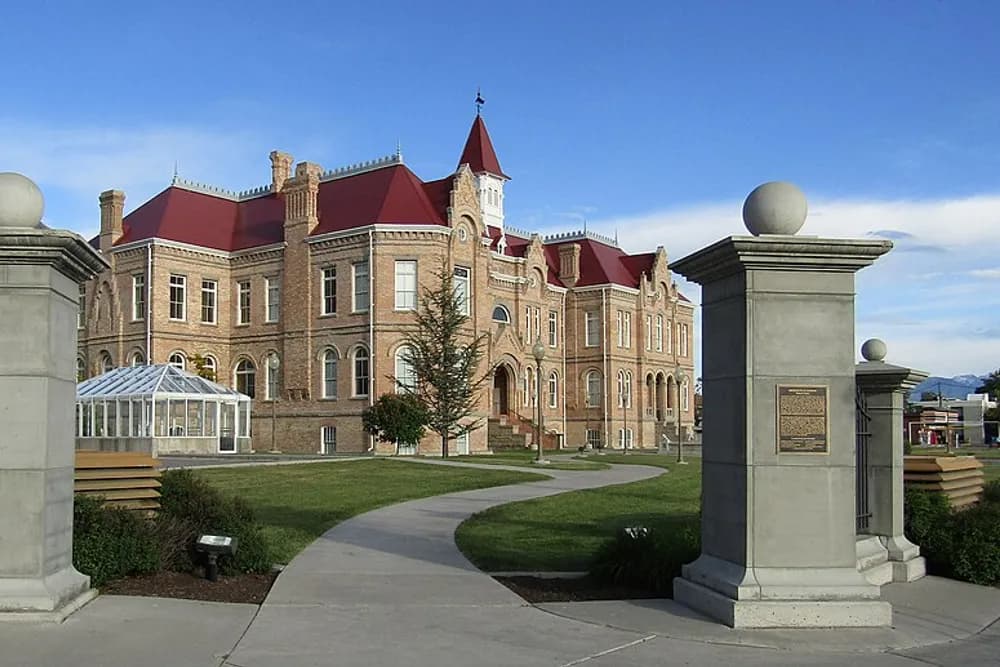
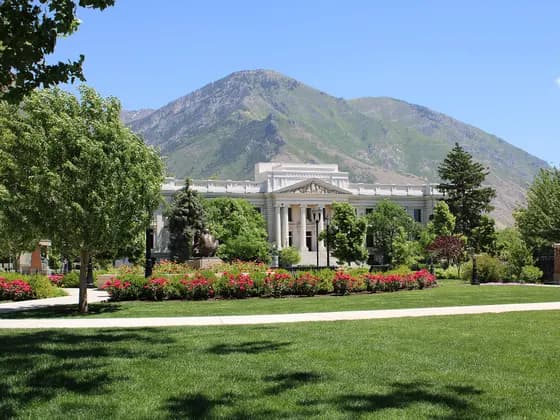
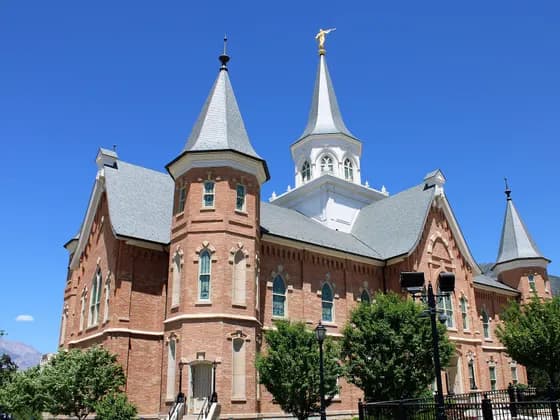
Photo: Ben P L from Provo, USA · CC BY-SA 2.0 · cropped
Photo: Farragutful · CC BY-SA 4.0 · Photo: U.S. Geological Survey · CC BY 2.0 · Photo: Farragutful · CC BY-SA 4.0
How to get into Noorda College of Osteopathic Medicine (DO) medicine
Step-by-step: entry requirements, admission tests, personal statement, interview format and the key deadlines.
Open the guide →Noorda College of Osteopathic Medicine (DO) entry requirements
Admission profile, interview format, decision dates and what makes Noorda College of Osteopathic Medicine (DO) different.
See the profile →The Noorda College of Osteopathic Medicine (DO) medicine interview
Noorda College of Osteopathic Medicine uses a traditional interview format at its Provo, Utah campus in Utah Valley. Noorda COM is the second DO school in Utah (after Rocky Vista University, whose Southern Utah campus opened in 2017) (established 2021), making it one of the newest osteopathic medical schools in the country and filling a critical gap in the Intermountain West’s medical education pipeline.
Interviewers assess osteopathic philosophy, primary care commitment, and genuine interest in serving the Intermountain West’s underserved communities. Enthusiasm for being part of a founding-era cohort — and comfort with a newer program — is a positive signal.
Noorda COM does not require CASPer (confirm current cycle). Rolling admissions rewards early AACOMAS submission.
Noorda College of Osteopathic Medicine (DO) interview at a glance (2027 entry)
| Annual DO class size | 193 (2024–25) |
|---|---|
| Interview format | Traditional — faculty interview |
| CASPer required | No |
| Application system | AACOMAS primary + Noorda secondary |
| Tuition (2025–26) | Confirm with Noorda COM |
| Interview window | September–March |
Interview format
- One-on-one or small panel faculty interview; approximately 30–45 minutes.
- Interview day includes campus tour and program overview.
- No MMI format.
Working towards the MCAT score Noorda College of Osteopathic Medicine (DO) expects? Build a week-by-week plan from your test date — free for the first two weeks.
Sample interview questions
Noorda COM is the second DO school in Utah (after Rocky Vista University, whose Southern Utah campus opened in 2017). Why does being part of a founding program appeal to you?
Opportunity to shape institutional culture, close faculty relationships, being part of something being built. Show genuine enthusiasm rather than treating this as a backup.
Why osteopathic medicine, and why do you want to practice in the Intermountain West?
DO philosophy, OMT in primary care, Utah/Intermountain West physician shortage. Connect your personal background or goals to the region specifically.
Utah has a significant uninsured population, particularly among immigrant and rural communities. What ethical obligations do physicians have to patients who cannot pay for care?
What they are listening for:
- Obligation to serve
- safety-net healthcare
- FQHCs
- charity care
- professional responsibility
Show awareness of Utah-specific healthcare access challenges.
The Intermountain West has some of the US’s most rural and underserved communities. Where would you want to practice and why?
What they are listening for:
- Rural Utah
- Nevada
- Idaho
- Wyoming — frontier medicine
Show genuine commitment to the region, not just Provo/Salt Lake City.
Utah Valley is home to a large Latter-day Saint population and significant religious diversity. How do you provide culturally competent care in a religiously diverse community?
Religious humility, understanding faith-health intersections (e.g., Word of Wisdom dietary practices, religious objections to certain treatments), patient-centered approach.
How do you approach uncertainty in a newer program where some systems are still being established?
What they are listening for:
- Growth mindset
- adaptability
- resourcefulness
- comfort raising concerns constructively
Utah is one of the healthiest states by some metrics but has significant rural physician shortages. What accounts for this paradox?
Utah’s overall healthy population (LDS health behaviors) vs. rural access disparities (frontier counties, limited specialists, rural hospital closures). Show nuanced understanding.
What do you know about Noorda COM’s clinical rotation sites and how do they prepare you for Intermountain West practice?
Research Noorda’s affiliated clinical sites across Utah and the Intermountain West. Show you’ve done pre-interview homework on where rotations occur.
You're a student-doctor in a Utah Valley clinic. A Latter-day Saint patient with a serious infection prefers to manage it with prayer and priesthood blessings and is hesitant about antibiotics. Talk with him.
What they are listening for:
- Respect his faith without dismissing it
- explore his beliefs
- integrate rather than oppose them where possible (faith and treatment together)
- ensure informed consent
- preserve trust
Religious humility, not confrontation.
Utah ranks highly on several aggregate health metrics yet has severe rural physician shortages in its frontier counties. What explains this paradox, and where could a new DO school have the most impact?
A relatively healthy, young population (partly tied to LDS health behaviors) masking sharp rural access gaps in frontier Utah, Nevada, Idaho, and Wyoming. A new DO pipeline targets the workforce side of the gap.
As a founding-era student, you'll help refine a young curriculum. Describe a time you gave constructive feedback that improved a course, program, or organization. How did you approach it?
A real example of constructive, well-received feedback, framed as fitting the founding phase of Noorda where students genuinely shape the institution. Show maturity and collaboration.
A frontier-Utah patient drove three hours for an appointment and is frustrated that you're recommending a specialist referral that means another long trip. How do you handle the conversation?
Acknowledge the burden of distance, explore telehealth or coordinated visits, explain why the referral matters, and problem-solve logistics. Show you grasp the realities of frontier-medicine access.
You discover that the inaugural cohort lacks a clear policy on a sensitive issue you've encountered on rotation. Acting on your own judgment feels risky. What do you do?
What they are listening for:
- Rely on core ethical principles and patient safety
- seek mentorship
- document
- help build the missing policy
Show that the absence of an established rule doesn't paralyze ethical action.
How does osteopathic whole-person care fit a region where faith and community are central to many patients' lives, and where would OMT realistically help in rural Intermountain West practice?
Whole-person care that respects patients' faith and community context, plus OMT for musculoskeletal complaints common in agricultural and outdoor-labor populations where specialist and PT access is limited.
If outreach data showed that uninsured immigrant patients in Utah Valley delayed care far longer than insured residents, what would you want to investigate before designing a program?
What they are listening for:
- Cost
- language
- trust
- work schedules
- fear of authorities
Treat the delay as a structural and trust problem to be measured, not a failure of patient motivation.
Practise the Noorda College of Osteopathic Medicine (DO) interview
Rehearse the real format before the day — on demand with our AI interviewers, or live with a tutor.
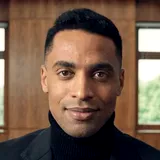
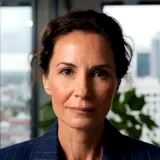
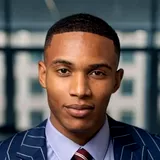
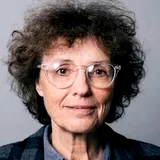
Sit a mock with photoreal AI interviewers — any time
A timed MMI or panel interview on video — American & international voices — with interviewers who listen, react and press with follow-ups. Rubric-scored feedback and a replay the moment you finish.


Live mocks with a tutor who’s been in the room
A full Noorda College of Osteopathic Medicine (DO)-style mock with a medic or dentist tutor — honest scoring against real marking criteria, a station-by-station debrief and a written action plan.
Book a mock interviewHow to prepare for the Noorda College of Osteopathic Medicine (DO) interview
Common pitfalls to avoid
Noorda College of Osteopathic Medicine (DO) interview — frequently asked questions
Sources & official admissions information
Ready to nail your Noorda College of Osteopathic Medicine (DO) interview?
Book a mock interview with a tutor who knows the US interview formats, orpractice unlimited stations from our interview question bank.