
RVU Utah Medicine Interview
Format, Questions & Prep Tips
RVU Utah medicine interviews for 2027 entry are a panel interview, held September 2026 through March 2027. RVU Utah describes the format as: Virtual interview of about 30 minutes with a two-person panel from the RVUCOM team. Published figures: Annual DO class size ~115; Tuition (2025–26) ~USD 58,000/year (estimate).
- Institution
- Rocky Vista University College of Osteopathic Medicine Utah
- Interview (2027 entry)
- September through March
- Decisions (2027 entry)
- Rolling decisions after interview
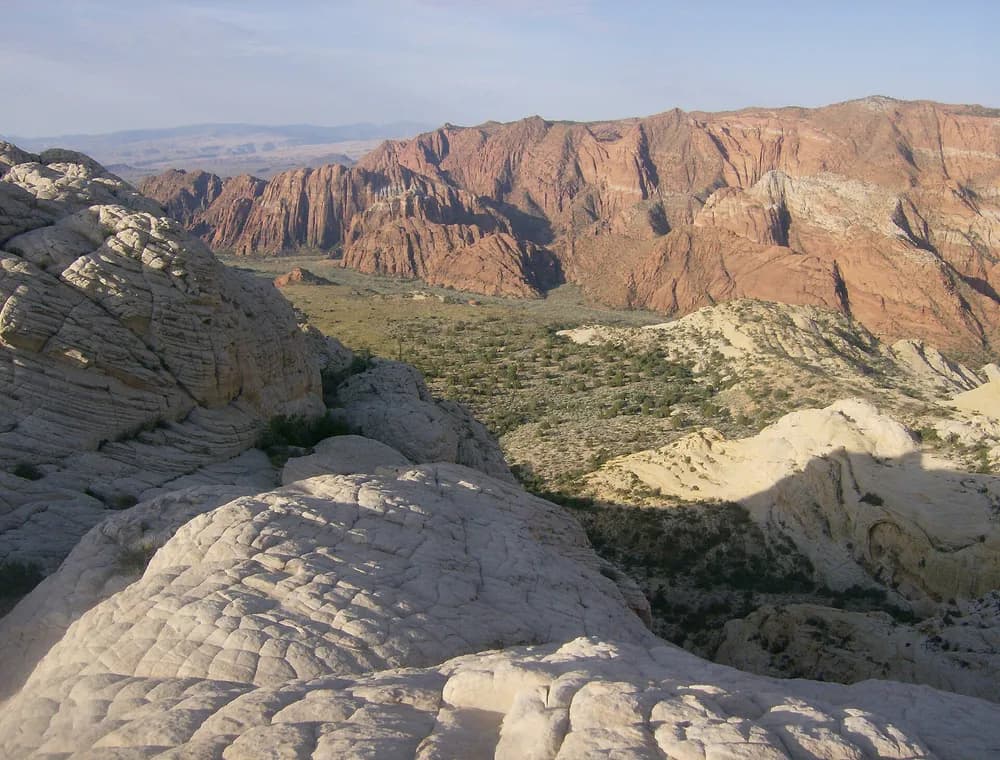
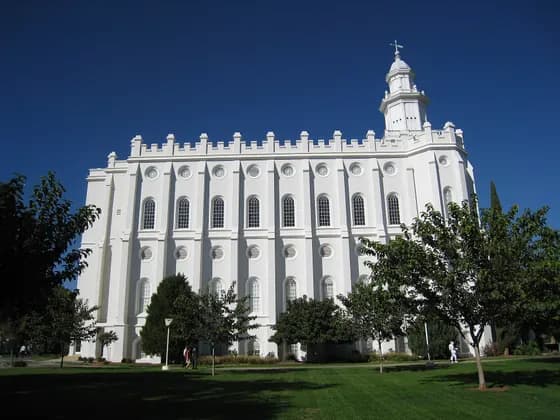

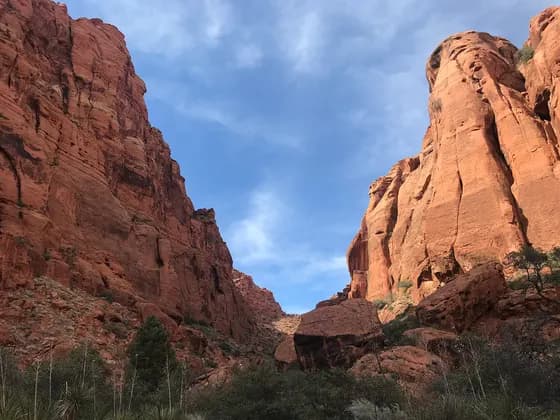
Photo: photophat · CC BY 3.0 · cropped
Photo: Rick Willoughby · CC BY 2.0 · Photo: Kopachris · CC BY-SA 3.0 · Photo: Shchurch · CC BY-SA 4.0
How to get into RVU Utah (DO) medicine
Step-by-step: entry requirements, admission tests, personal statement, interview format and the key deadlines.
Open the guide →RVU Utah (DO) entry requirements
Admission profile, interview format, decision dates and what makes RVU Utah (DO) different.
See the profile →The RVU Utah (DO) medicine interview
Rocky Vista University College of Osteopathic Medicine Utah (RVU Utah) is located in Ivins, a small community adjacent to St. George in Southern Utah — a striking Red Rock desert setting near Zion National Park. The school opened in 2016 and uses a traditional interview format with faculty and student sessions at the Ivins campus.
RVU Utah serves Southern Utah's rapidly growing and demographically distinctive community: a large retiree population, significant rural and agricultural communities, proximity to Native American nations in the Four Corners region, and a predominantly LDS (Latter-day Saints) cultural environment. Interviewers probe genuine interest in and preparation for Southern Utah's specific community health context.
RVU does not currently require CASPer. Apply to the Utah campus separately from RVU Colorado or Montana if interested in multiple campuses.
RVU Utah (DO) interview at a glance (2027 entry)
| Annual DO class size | ~115 |
|---|---|
| Interview format | Traditional — faculty and student sessions |
| CASPer required | No |
| Application system | AACOMAS primary + RVU secondary |
| Tuition (2025–26) | ~USD 58,000/year (estimate) |
| Interview window | September–March |
Interview format
- Two sessions: faculty and student; approximately 30 minutes each.
- Interview day includes campus tour, program overview, and financial aid presentation.
- Southern Utah community health context is a consistent interview theme.
- No MMI format.
Working towards the MCAT score RVU Utah (DO) expects? Build a week-by-week plan from your test date — free for the first two weeks.
Sample interview questions
Why do you want to be a DO, and how does the osteopathic philosophy connect to the kind of community you want to serve in Southern Utah?
Southern Utah's dominant health needs include musculoskeletal complaints (physical labor, outdoor recreation, agriculture), chronic disease in aging populations, and limited specialist access. Connect OMT and osteopathic primary care to these realities.
RVU Utah is located in Ivins — a small town of about 10,000 people near St. George. What do you know about living and training in this environment, and why does it appeal to you?
Research Ivins and St. George: Washington County demographics, the Latter-day Saints cultural majority, the retirement community (Dixie Sun Belt), and what it means to be a student in a small desert town rather than a major metro.
Southern Utah's population includes a rapidly growing retiree community and proximity to Navajo Nation and other Indigenous communities. How do you plan to engage with both of these populations as a physician?
Geriatric medicine needs in the Dixie Sun Belt retirement community vs. Indigenous health disparities in the Four Corners region. These are very different populations with different needs — show you understand both.
A patient presents requesting a treatment that is inconsistent with the best available evidence but consistent with her religious beliefs. How do you navigate this?
Patient autonomy, informed consent, culturally sensitive communication, and the difference between accommodating preferences that are harmless vs. those that risk patient welfare. The LDS cultural context makes religious health beliefs a common theme in Southern Utah practice.
Washington County, Utah, is one of the fastest-growing counties in the United States. What healthcare infrastructure challenges come with that kind of rapid population growth?
What they are listening for:
- Healthcare workforce shortage in growing areas
- housing costs affecting physician recruitment
- primary care access gaps in new developments
- strain on existing hospital systems
- the planning challenges of health infrastructure lag
Tell me about a time you provided healthcare or community service in a community whose values differed significantly from your own. How did you navigate those differences?
Cultural humility without abandoning professional values. Southern Utah's cultural homogeneity (predominantly LDS, conservative) is a context that students from diverse or urban backgrounds may find unfamiliar — show you can build therapeutic relationships across cultural difference.
What do you know about RVU Utah's clinical affiliate network and where students do their third and fourth year rotations?
Research Intermountain Health (formerly Intermountain Healthcare) and Dixie Regional Medical Center as key regional affiliates, along with community health sites in Washington County. Knowing the clinical landscape shows serious research.
Describe a time you had to work in a team with someone whose values or working style was very different from yours. How did you manage it and what was the outcome?
Teamwork and interpersonal adaptability. Use a real healthcare or research example. Focus on how you found common ground and preserved the relationship while achieving a productive outcome.
Washington County is one of the fastest-growing counties in the US, with a rapidly aging retiree population layered on top of existing residents. Shown demographic projections, how would you reason about which healthcare services will come under the most strain, and what would you want to verify?
What they are listening for:
- Reason about geriatric demand (cardiology, orthopedics, oncology, primary care)
- workforce lag behind population growth
- infrastructure strain
Verify whether growth is retirees versus working families, since the service mix differs. Show population-level reasoning, not recited figures.
Role-play: an 82-year-old retiree in St. George wants to keep driving and living independently, but recent falls and memory lapses concern you. Have the conversation about safety with him.
What they are listening for:
- Respect autonomy and dignity
- raise safety concretely
- involve family appropriately
- suggest assessment rather than ultimatum
- preserve trust
Geriatric communication is central to the Dixie Sun Belt retiree population RVU Utah serves.
RVU Utah's preclinical curriculum is shared in structure with the wider RVU system. How do you learn best, and how would you keep yourself accountable studying in a small desert town with fewer urban distractions but also fewer resources than a big city?
Reflect on study habits and self-discipline, frame the quieter setting as conducive to focus, and show resourcefulness. Connect to COMLEX preparation and active, integrated learning rather than rote memorization.
A patient declines a recommended vaccination citing beliefs common in her faith community, which is the cultural majority in Southern Utah. How do you discuss it without damaging the relationship or appearing to attack her community?
What they are listening for:
- Cultural humility
- exploring specific concerns
- correcting misinformation gently
- respecting autonomy
- keeping the door open
Recognize that in a culturally homogeneous community your approach affects trust broadly. Avoid condescension toward the LDS-majority context.
You are caring for both ends of Southern Utah's spectrum — affluent retirees with private insurance and Indigenous patients from the Four Corners facing major access barriers. How do you guard against unconsciously giving unequal effort or attention?
What they are listening for:
- Self-awareness about bias
- equity of care regardless of payer or background
- structural-competency framing
- practical safeguards
Acknowledge the very different needs of the Dixie retiree population versus Navajo Nation patients without stereotyping either.
Southern Utah's culture — predominantly LDS, conservative, family-centered — may differ sharply from your own background. Why does training in a community whose values may not mirror yours appeal to you rather than deter you?
What they are listening for:
- Genuine cultural curiosity and humility
- comfort building therapeutic relationships across difference
- a realistic understanding of the setting
Avoid both pandering and condescension; show you would respect and learn from the community.
A retired patient with multiple chronic conditions is on so many medications that you suspect some are doing more harm than good, but several were started by specialists he trusts. How do you approach deprescribing?
What they are listening for:
- Polypharmacy in geriatrics
- shared decision-making
- coordinating with specialists
- respecting the patient's trust relationships
- balancing benefit versus harm
Whole-person osteopathic framing fits the aging Southern-Utah population well.
Practise the RVU Utah (DO) interview
Rehearse the real format before the day — on demand with our AI interviewers, or live with a tutor.
Sit a mock with photoreal AI interviewers — any time
A timed MMI or panel interview on video — American & international voices — with interviewers who listen, react and press with follow-ups. Rubric-scored feedback and a replay the moment you finish.






Live mocks with a tutor who’s been in the room
A full RVU Utah (DO)-style mock with a medic or dentist tutor — honest scoring against real marking criteria, a station-by-station debrief and a written action plan.
Book a mock interviewHow to prepare for the RVU Utah (DO) interview
Common pitfalls to avoid
RVU Utah (DO) interview — frequently asked questions
Sources & official admissions information
Ready to nail your RVU Utah (DO) interview?
Book a mock interview with a tutor who knows the US interview formats, orpractice unlimited stations from our interview question bank.