
Philadelphia College of Osteopathic Medicine Interview
Format, Questions & Prep Tips
Philadelphia College of Osteopathic Medicine medicine interviews for 2027 entry are a panel interview, held September 2026 through March 2027. Published figures: Annual DO class size ~280 (Philadelphia); separate classes at Georgia campuses; Tuition (2025–26) ~USD 57,000/year.
- Institution
- Philadelphia College of Osteopathic Medicine
- Interview (2027 entry)
- September through March
- Decisions (2027 entry)
- Rolling decisions after interview

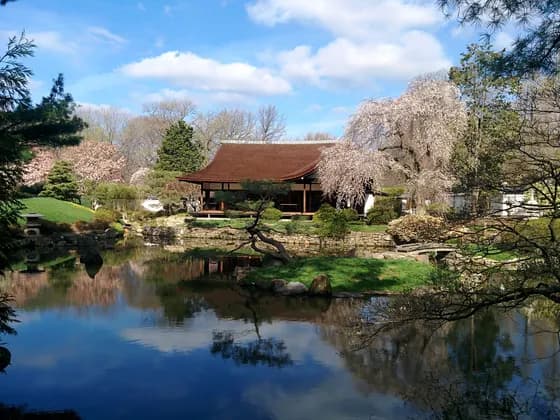


Photo: Frederikto · CC BY-SA 3.0 · cropped
Photo: 松風荘 · CC BY-SA 4.0 · Photo: Dough4872 · CC BY-SA 4.0 · Photo: Jeffrey M. Vinocur · CC BY 2.5
How to get into Philadelphia College of Osteopathic Medicine (DO) medicine
Step-by-step: entry requirements, admission tests, personal statement, interview format and the key deadlines.
Open the guide →Philadelphia College of Osteopathic Medicine (DO) entry requirements
Admission profile, interview format, decision dates and what makes Philadelphia College of Osteopathic Medicine (DO) different.
See the profile →The Philadelphia College of Osteopathic Medicine (DO) medicine interview
Philadelphia College of Osteopathic Medicine (PCOM) uses a traditional interview format — two sessions (faculty/clinician and student) at its Philadelphia campus (and separately at its Georgia and South Georgia campuses). PCOM is one of the oldest osteopathic medical schools in the country (founded 1899) and has a strong emphasis on osteopathic principles in primary care and community health.
Casper is not currently required at Philadelphia College of Osteopathic Medicine — verify on the official admissions page each cycle, as requirements change. The school has a diverse, urban clinical training environment through multiple affiliated hospitals and community health centers in Philadelphia and Atlanta.
A distinctive PCOM theme is research and innovation — PCOM has an active DO/MS program and biomedical research infrastructure, and interviewers probe whether applicants see osteopathic medicine as a scholarly discipline, not just a clinical credential.
Philadelphia College of Osteopathic Medicine (DO) interview at a glance (2027 entry)
| Annual DO class size | ~280 (Philadelphia); separate classes at Georgia campuses |
|---|---|
| Interview format | Traditional — faculty + student sessions |
| CASPer required | No |
| Application system | AACOMAS primary + PCOM secondary |
| Tuition (2025–26) | ~USD 57,000/year |
| Interview window | September–March |
Interview format
- Two one-on-one sessions: faculty/clinician and student; ~30 minutes each.
- Campus-specific interviews (Philadelphia, Georgia, South Georgia) — confirm which campus you are applying to.
- No MMI.
Working towards the MCAT score Philadelphia College of Osteopathic Medicine (DO) expects? Build a week-by-week plan from your test date — free for the first two weeks.
Sample interview questions
Why osteopathic medicine specifically — not just medicine? What does the osteopathic whole-person philosophy mean to you, and why a DO rather than an MD?
This is the single most important question at any DO school, and PCOM as one of the oldest holds high expectations. Go beyond 'OMT is an extra tool': reference the osteopathic tenets — body unity, self-regulation and self-healing, structure-function interrelation, and rational treatment built on these — and frame osteopathic medicine on its own terms, never as a fallback.
PCOM was founded in 1899 — over a century ago. What does the longevity of osteopathic medicine tell you about its value, and what drew you to this tradition?
Show awareness of osteopathic history: Andrew Taylor Still's founding philosophy, the profession's evolution from the margins to the mainstream, and full, unrestricted practice rights for DOs in all 50 states.
PCOM emphasizes osteopathic principles in primary care and community health across diverse urban settings in Philadelphia and Atlanta. How does your background connect to that mission?
Connect a credible personal motivation to community-oriented primary care. Show genuine awareness of the urban, diverse populations PCOM serves rather than a generic interest in 'helping people'.
PCOM has an active DO/MS program and research infrastructure. Do you see osteopathic medicine as a scholarly discipline as well as a clinical credential, and where does research fit for you?
PCOM probes whether you treat osteopathic medicine as intellectually serious. Be honest about your research interest and, ideally, reference the evidence base for OMT for conditions like low back pain.
A patient comes to you requesting OMT but says her referring MD called it 'not real medicine'. How do you respond to her, and how do you think about the interprofessional tension this represents?
Discuss the evidence base for OMT, interprofessional respect, patient autonomy, and the importance of not undermining the therapeutic relationship the patient has with her MD.
A colleague plans to perform OMT on a patient without explicitly informing them it is part of the treatment plan. What do you do?
Informed consent applies to OMT exactly as to any procedure; osteopathic training does not exempt anyone from consent. Address the immediate situation and the systemic implication for OMT's credibility.
A patient with chronic low back pain asks for opioids after previous providers refused and left her feeling dismissed. You believe her pain is undertreated. How do you approach this?
Frame OMT as an evidence-based non-opioid option, alongside multidisciplinary pain management and prescribing guidelines, and uphold the duty to treat pain adequately without contributing to misuse.
You discover that a fellow student fabricated part of a patient write-up to look more thorough. No harm reached the patient. What do you do?
What they are listening for:
- Professionalism and integrity
- the duty to address it directly first where appropriate
- escalation if it persists
Connect to the trust patients and the profession place in honest records.
Describe a time you worked in a healthcare or community setting with people from backgrounds very different from your own. What did you learn about your own assumptions?
Cultural humility and self-awareness. Philadelphia and Atlanta are diverse cities — PCOM expects physicians who can build trust across difference and reflect honestly on their blind spots.
How would you explain to a patient who has never heard of a DO what osteopathic medicine is and how it differs from seeing an MD?
Plain language: DOs are fully licensed physicians with the same rights and residencies as MDs, trained additionally in the whole-person osteopathic approach and OMT. Avoid jargon and avoid implying DOs are lesser.
What does the osteopathic structure-function relationship mean, and can you give a clinical example of how a structural problem might produce a functional one?
AAMC science and thinking-and-reasoning competencies. Define the principle and ground it — e.g. musculoskeletal restriction affecting respiration or circulation — showing you understand osteopathic theory, not just slogans.
What do you understand about the evidence base for Osteopathic Manipulative Treatment? Where is it strongest and where is it weaker?
Show research literacy: OMT has its best evidence for conditions such as acute and chronic low back pain, with weaker or mixed evidence elsewhere. Honesty about limits signals scholarly maturity, which PCOM values.
Walk us through a research or scholarly project you have done. What was the question and what would you change with hindsight?
Given PCOM's research infrastructure, show genuine ownership, methodological awareness, and the capacity for self-critique.
A patient is skeptical when you suggest OMT, saying it sounds like 'cracking backs' and is not for them. You have a few minutes. How do you talk with them?
Explore the concern, correct misconceptions in plain language, describe what OMT involves and its evidence for their condition, and respect their choice to decline. Inform, do not pressure.
A patient confides that they have started self-managing a chronic condition with supplements they read about online and stopped a prescribed medication. How do you respond?
What they are listening for:
- Stay non-judgmental
- understand their reasoning
- identify genuine risks
- negotiate a safe plan that respects their autonomy and the whole-person context
Avoid scolding.
You are shown a summary of a trial comparing OMT plus usual care versus usual care alone for low back pain, with a modest but statistically significant benefit. How do you interpret it for a patient?
Distinguish statistical from clinical significance, consider effect size and the population studied, and translate it honestly into what it might mean for an individual. Avoid overselling a modest result.
Practise the Philadelphia College of Osteopathic Medicine (DO) interview
Rehearse the real format before the day — on demand with our AI interviewers, or live with a tutor.
Sit a mock with photoreal AI interviewers — any time
A timed MMI or panel interview on video — American & international voices — with interviewers who listen, react and press with follow-ups. Rubric-scored feedback and a replay the moment you finish.



Live mocks with a tutor who’s been in the room
A full Philadelphia College of Osteopathic Medicine (DO)-style mock with a medic or dentist tutor — honest scoring against real marking criteria, a station-by-station debrief and a written action plan.
Book a mock interviewHow to prepare for the Philadelphia College of Osteopathic Medicine (DO) interview
Common pitfalls to avoid
Philadelphia College of Osteopathic Medicine (DO) interview — frequently asked questions
Sources & official admissions information
Ready to nail your Philadelphia College of Osteopathic Medicine (DO) interview?
Book a mock interview with a tutor who knows the US interview formats, orpractice unlimited stations from our interview question bank.