
Valley COM Interview
Format, Questions & Prep Tips
Valley COM medicine interviews for 2027 entry are multiple mini interviews (MMI), held October 2026 through March 2027. Published figures: Annual DO class size ~90; Program established 2022.
- Institution
- The Valley College of Osteopathic Medicine
- Interview (2027 entry)
- October through March
- Decisions (2027 entry)
- Rolling decisions after interview
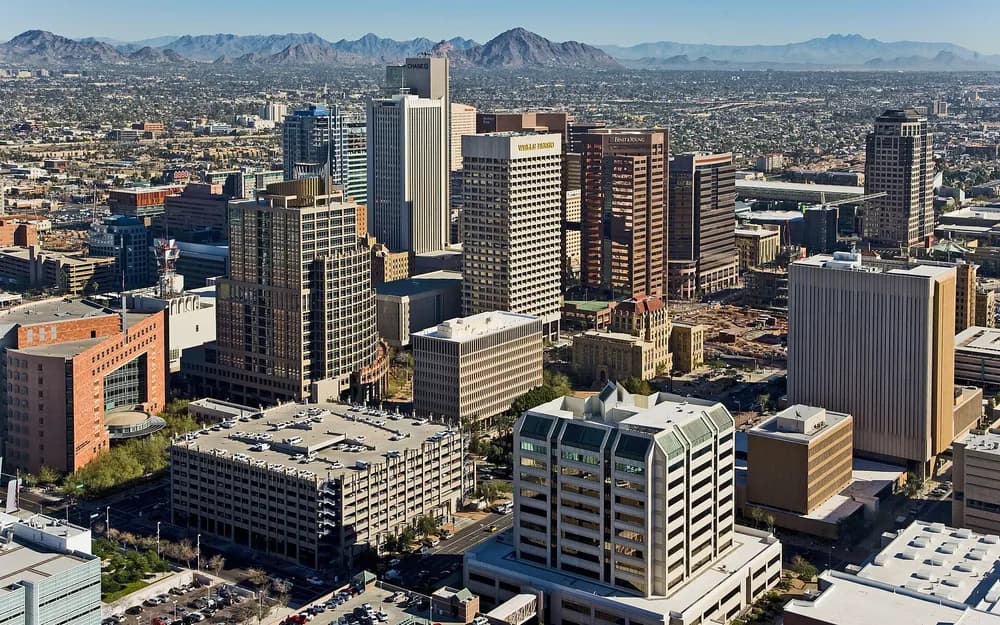
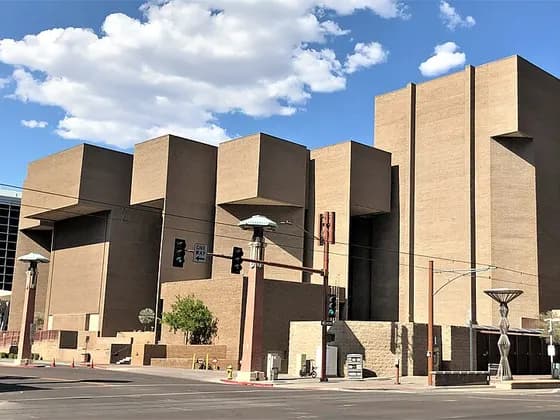
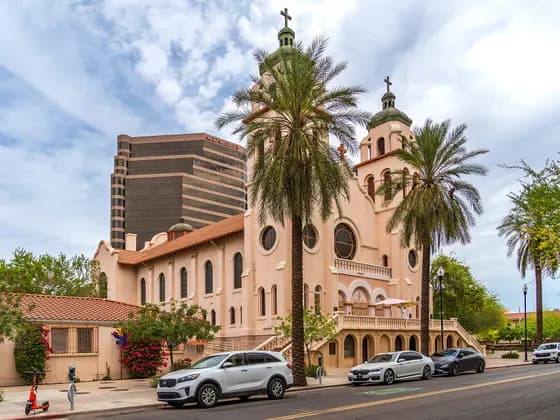

Photo: DPPed · CC BY-SA 3.0 · cropped
Photo: Beyond My Ken · CC BY-SA 4.0 · Photo: Domenico Convertini from Zurich, Schweiz · CC BY-SA 2.0 · Photo: Chris English · CC BY-SA 3.0
How to get into Valley COM (DO) medicine
Step-by-step: entry requirements, admission tests, personal statement, interview format and the key deadlines.
Open the guide →Valley COM (DO) entry requirements
Admission profile, interview format, decision dates and what makes Valley COM (DO) different.
See the profile →The Valley COM (DO) medicine interview
Valley COM uses a **Multiple Mini Interview (MMI) at its Phoenix, Arizona campus. One of the newest osteopathic medical schools in the US** (est. 2023), Valley COM was founded to serve Phoenix’s extraordinarily diverse population and address Arizona’s physician shortage.
Phoenix is home to one of the largest Hispanic/Latino metropolitan populations in the US, significant Native American communities, and large agricultural worker populations — and Valley COM’s interview questions reflect that context. Interviewers probe health equity commitment, cultural humility, and readiness to serve diverse underserved populations.
As a very new program, Valley COM has limited published admissions data. Approach the interview with awareness that you are also helping shape a school’s early culture.
Valley COM (DO) interview at a glance (2027 entry)
| Annual DO class size | ~90 |
|---|---|
| Interview format | MMI (multiple mini-interview) |
| CASPer required | No |
| Application system | AACOMAS primary + Valley COM secondary |
| Program established | 2022 |
| Interview window | October–March |
Interview format
- MMI scenario stations; as a new program (est. 2023), confirm exact station count with admissions.
- Campus tour and student interaction on interview day.
- Health equity and community diversity themes expected throughout.
Working towards the MCAT score Valley COM (DO) expects? Build a week-by-week plan from your test date — free for the first two weeks.
Sample interview questions
Valley COM was established to serve Phoenix's diverse, underserved communities. What specific population health challenges in Phoenix most motivate you to train here?
What they are listening for:
- Hispanic/Latino health disparities
- Native American health
- heat illness in vulnerable populations
- agricultural worker health
- uninsured rates in Arizona
Why osteopathic medicine, and why a brand-new program?
OMM philosophy plus honest reflection on the opportunity to be part of a school's founding culture. Show you have researched the program beyond its newness.
A Hispanic patient who is uninsured presents with hypertension and cannot afford the prescribed antihypertensive medication. What do you do?
What they are listening for:
- Formulary alternatives
- patient assistance programs
- FQHCs
- 340B pharmacies
Cultural context: language barriers, healthcare distrust, undocumentation fears.
Describe a situation where you had to build trust with a patient or community member from a cultural background very different from your own. What did you learn?
What they are listening for:
- Cultural humility
- active listening
- avoiding assumptions
Specific example with reflection on your own cultural lens.
Arizona has a large uninsured population and significant barriers to specialty care for rural and tribal communities. What systemic solutions do you find most promising?
What they are listening for:
- Medicaid expansion
- FQHC investment
- tribal health compacting
- telehealth
- loan forgiveness for primary care in underserved areas
How does an osteopathic philosophy of whole-person care apply specifically to patients who face social determinants of health such as food insecurity, unsafe housing, or lack of transportation?
Beyond the musculoskeletal — OMM as one component; the DO philosophy of body-mind-spirit as a framework for addressing social needs alongside clinical ones.
Have you served or worked with Hispanic/Latino, Native American, or immigrant communities? What did you learn about healthcare access from their perspective?
Specific and reflective. Show awareness of structural barriers, not just clinical needs. Avoid othering or poverty tourism framing.
How do you feel about training in a program that is still establishing its curriculum, clinical partnerships, and track record?
What they are listening for:
- Flexibility
- resilience
- pioneer mindset
Frame this as a genuine advantage: ability to shape culture, direct faculty access, early alumni network.
A Navajo Nation elder patient declines a recommended blood transfusion citing traditional spiritual beliefs. How do you respond?
What they are listening for:
- Patient autonomy
- informed consent
- cultural humility around Navajo traditional healing practices
- relationship-building over coercion
Phoenix is one of the fastest-growing cities in the US, with significant heat, drought, and climate-change health risks. How do you see climate-related health challenges shaping your practice?
What they are listening for:
- Heat illness
- air quality
- mental health of climate-affected communities
- novel challenges for primary care in the Southwest
Maricopa County records a rising toll of heat-related illness and death each summer, concentrated among unhoused people, outdoor workers and isolated elderly residents. Shown that data, how would you reason about who is most at risk and where prevention efforts should focus?
Reason about exposure (outdoor work, lack of cooling), vulnerability (age, chronic disease, substance use), and isolation. Prioritize high-yield prevention (cooling access, outreach, hydration, early warning). Heat as a climate-health equity issue is distinctive to Phoenix.
Valley COM is a brand-new program still building its curriculum and clinical partnerships. How do you learn best, and how would you handle the uncertainty of a school finding its footing while you prepare for COMLEX?
What they are listening for:
- Self-directed learning
- adaptability
- proactive feedback
- resilience amid growing pains
Frame the founding-class stage as an opportunity to shape culture and get direct faculty access. Connect to COMLEX preparation without sounding anxious about the newness.
Role-play: an uninsured Spanish-speaking day-laborer presents with heat exhaustion after working outdoors, and he is reluctant to stop working or seek further care because he fears losing the day's pay and being asked about his status. Counsel him.
Use a professional interpreter, reassure about confidentiality, treat the acute illness, give practical heat-prevention advice that fits outdoor work, and connect to FQHC and assistance resources. Empathy for economic and immigration fears, not lectures.
A Navajo patient from the Four Corners region is quiet and gives only brief answers, and you sense your usual rapport-building style is not landing. How do you adapt your communication?
What they are listening for:
- Cultural humility
- comfort with silence
- slower pace
- avoiding assumptions
- respecting different communication norms and the role of family
Recognize that effective communication looks different across cultures; avoid mistaking reticence for disengagement.
Phoenix faces worsening heat, drought and air-quality risks that disproportionately harm poor and minority communities. Do physicians have a responsibility to engage with climate-related health threats beyond treating individual patients, or should they stay strictly clinical? Argue your view.
Engage the debate on physician advocacy versus a strictly clinical role. Reference climate-health equity, the limits and risks of overreach, and concrete clinical-preventive actions. Structured reasoning matters more than the stance — fits Valley COM's equity mission.
Practise the Valley COM (DO) interview
Rehearse the real format before the day — on demand with our AI interviewers, or live with a tutor.
Sit a mock with photoreal AI interviewers — any time
A timed MMI or panel interview on video — American & international voices — with interviewers who listen, react and press with follow-ups. Rubric-scored feedback and a replay the moment you finish.




Live mocks with a tutor who’s been in the room
A full Valley COM (DO)-style mock with a medic or dentist tutor — honest scoring against real marking criteria, a station-by-station debrief and a written action plan.
Book a mock interviewHow to prepare for the Valley COM (DO) interview
Common pitfalls to avoid
Valley COM (DO) interview — frequently asked questions
Sources & official admissions information
Ready to nail your Valley COM (DO) interview?
Book a mock interview with a tutor who knows the US interview formats, orpractice unlimited stations from our interview question bank.