
Alice L. Walton School of Medicine Interview
Format, Questions & Prep Tips
Alice L. Walton School of Medicine medicine interviews for 2027 entry are multiple mini interviews (MMI). Published figures: Annual MD class size ~60 (inaugural cohort 2024).
- Institution
- Alice L. Walton School of Medicine
- Interview (2027 entry)
- October through February; rolling invitations after secondary review
- Decisions (2027 entry)
- Rolling decisions; final decisions by March 30

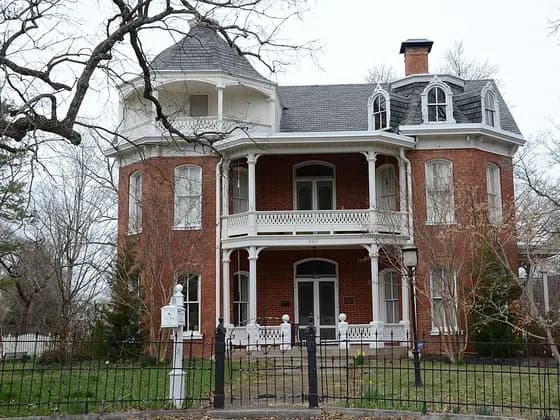
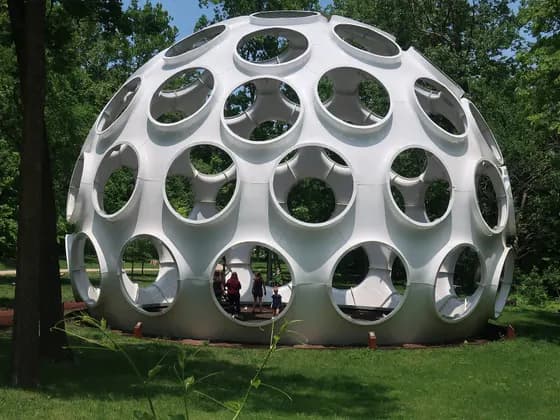
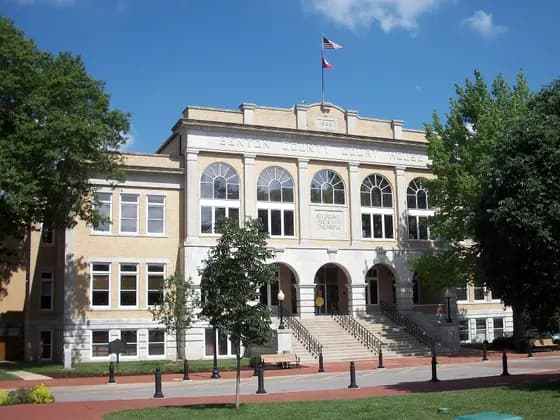
Photo: Brandonrush · CC BY-SA 4.0 · cropped
Photo: Valis55 · CC BY-SA 3.0 · Photo: Wmpearl · CC0 · Photo: Brandonrush · CC BY-SA 3.0
How to get into Alice L. Walton School of Medicine (MD) medicine
Step-by-step: entry requirements, admission tests, personal statement, interview format and the key deadlines.
Open the guide →Alice L. Walton School of Medicine (MD) entry requirements
Admission profile, interview format, decision dates and what makes Alice L. Walton School of Medicine (MD) different.
See the profile →The Alice L. Walton School of Medicine MD program
Integrated + Case-based learning, 4 years, clinical rotations across Rogers, Fayetteville and Springdale in Northwest Arkansas.
See the program →The Alice L. Walton School of Medicine (MD) medicine interview
Alice L. Walton School of Medicine uses a **Multiple Mini Interview (MMI)** format with an unusual arts-integration dimension that reflects the school’s distinctive curriculum. Standard MMI competencies — ethical reasoning, communication, critical thinking, and motivation — are assessed alongside stations that probe creative thinking, aesthetic engagement, and the physician's relationship to the humanities.
The school is tuition-free and brand-new (inaugural cohort 2024), which means the applicant pool is highly competitive and self-selecting. Interviewers are specifically looking for candidates whose engagement with the arts or humanities is genuine and integrated into their worldview, not simply listed as an extracurricular.
Bentonville, Arkansas — home to Crystal Bridges Museum of American Art — provides the physical and cultural context. Applicants should come prepared to discuss how art, literature, music, or other humanistic disciplines have shaped their understanding of the patient experience.
Alice L. Walton School of Medicine (MD) interview at a glance (2027 entry)
| Annual MD class size | ~60 (inaugural cohort 2024) |
|---|---|
| Tuition | Tuition-free (all cohorts) |
| Interview format | MMI with arts/humanities integration |
| In-state preference | None (nationally recruited) |
| Application system | AMCAS + secondary |
| Interview window | October–February (rolling) |
| Curriculum emphasis | Arts-integrated whole-person medicine |
Interview format
- MMI format — rotating stations, each approximately 6–8 minutes with a brief reading/prep period.
- Stations assess standard medical competencies: ethics, communication, critical thinking, motivation.
- Arts-integration stations may involve responding to a painting, poem, or musical piece in the context of a clinical or empathy prompt.
- Interviewers look for genuine engagement with humanities and creative thinking, not performative answers.
- Campus tour of Bentonville and Crystal Bridges area likely included in the interview day.
- As a new school, the specific MMI format may evolve — confirm current structure with the admissions office.
Working towards the MCAT score Alice L. Walton School of Medicine (MD) expects? Build a week-by-week plan from your test date — free for the first two weeks.
Sample interview questions
Why Alice Walton School of Medicine — and specifically, how does the arts-integrated curriculum align with your vision of what a physician should be?
Be specific and genuine. Reference a particular way in which engagement with the arts — a painting, novel, piece of music — has helped you understand the human experience of illness or care. Avoid generic answers about "the whole patient."
Tell me about an artwork, book, film, or piece of music that has influenced how you think about medicine or the doctor-patient relationship.
This is a differentiating question at AWSOM. Have a thoughtful, specific answer prepared. Connect the aesthetic experience to a concrete insight about empathy, suffering, healing, or clinical communication.
A terminally ill patient asks you to help them compose a letter to estranged family members before they die. You have five minutes between patients. What do you do?
This is a whole-person care scenario. Address time constraints honestly, explore whether another team member (social work, chaplaincy) can help, and consider whether staying longer is appropriate — showing humanity without overpromising.
A patient tells you they feel invisible in the medical system — that doctors look at their chart and not at them. How do you respond?
Validate the experience. This is the core of AWSOM's humanistic philosophy. Show presence, eye contact (even on video), and genuine curiosity about the patient as a person, not just a diagnosis.
The integration of arts and humanities in medical education is controversial — some argue it is a luxury given the cognitive demands of medical training. What is your view?
Defend the position while acknowledging the counter-argument. Reference evidence on narrative medicine (Rita Charon's work at Columbia), empathy in clinical care outcomes, and burnout prevention.
Bentonville is a small city in rural Arkansas. What attracts you to training in this environment rather than a large academic medical center?
Show genuine engagement with the setting. Reference the local healthcare needs of rural Arkansas, the Crystal Bridges ecosystem, the intimacy of a small-cohort program, and what you expect to learn from training in a non-metropolitan context.
Describe an experience where you had to change your mind about something you believed to be true. What drove that shift?
Intellectual humility and epistemic flexibility are central to whole-person medicine. Show genuine reflection, not just a rehearsed narrative of learning.
A patient brings in a piece of art they made during a difficult hospitalization and asks you to hang it in the clinic. Do you agree? What are the considerations?
This is a novel scenario designed for AWSOM. Consider patient dignity and therapeutic value of the gesture, infection control, HIPAA if the art is identifiable, equitable treatment of all patients' gifts, and the symbolic importance of honoring the gesture.
How would you explain to a skeptical colleague why spending 10 minutes discussing a patient's favorite poem is not a waste of clinical time?
Connect to the evidence: narrative medicine improves diagnostic accuracy (patients reveal more), reduces misdiagnosis, increases adherence, and prevents burnout. Frame it as clinically effective, not just nice to have.
What does the phrase "the art of medicine" mean to you beyond the cliché?
Move past the platitude. Discuss clinical intuition informed by pattern recognition developed over years, the interpretive act of listening to a patient's illness narrative, and the judgment calls that cannot be reduced to algorithms.
MMI station: A patient tells you they feel like 'just a chart number' and that no doctor has really looked at them as a person. Respond to them.
Validate the experience and demonstrate presence — eye contact, unhurried attention, and genuine curiosity about them as a person. This is the core of AWSOM's humanistic, whole-person philosophy, so the assessor watches for authentic warmth over a scripted line.
MMI station: You are shown data showing markedly worse mental-health access and higher opioid-related harm in the rural Ozarks counties around Bentonville than in urban Arkansas. What might explain this and what would you want to know?
Read it through provider shortages, poverty, stigma, and distance to care, distinguishing association from causation. Connect to the rural Arkansas context AWSOM serves and identify what further data would clarify the drivers.
MMI station: A terminally ill patient asks you to help her write a short letter to an estranged son before she dies, but you have only a few minutes before your next patient. Talk with her.
A whole-person care scenario. Be honest about the time constraint without abandoning her, explore whether chaplaincy or social work can help, and consider what it means to honor the request humanely. AWSOM rewards showing humanity without overpromising.
MMI station: Tell me about a time you changed your mind about something you firmly believed. What drove the shift?
Intellectual humility and epistemic flexibility are central to whole-person medicine. Show genuine reflection and a real reversal, not a rehearsed learning story with a tidy ending.
MMI station: A respected colleague says spending ten minutes discussing a patient's favorite piece of music is a waste of clinical time. Make the case to them that it is not.
Connect arts and narrative engagement to evidence: patients reveal more, diagnostic accuracy and adherence improve, and clinician burnout falls. Frame it as clinically effective, not merely pleasant — exactly AWSOM's argument for its arts-integrated curriculum.
Practise the Alice L. Walton School of Medicine (MD) interview
Rehearse the real format before the day — on demand with our AI interviewers, or live with a tutor.
Sit a mock with photoreal AI interviewers — any time
A timed MMI or panel interview on video — American & international voices — with interviewers who listen, react and press with follow-ups. Rubric-scored feedback and a replay the moment you finish.





Live mocks with a tutor who’s been in the room
A full Alice L. Walton School of Medicine (MD)-style mock with a medic or dentist tutor — honest scoring against real marking criteria, a station-by-station debrief and a written action plan.
Book a mock interviewHow to prepare for the Alice L. Walton School of Medicine (MD) interview
Common pitfalls to avoid
Alice L. Walton School of Medicine (MD) interview — frequently asked questions
Sources & official admissions information
Ready to nail your Alice L. Walton School of Medicine (MD) interview?
Book a mock interview with a tutor who knows the US interview formats, orpractice unlimited stations from our interview question bank.