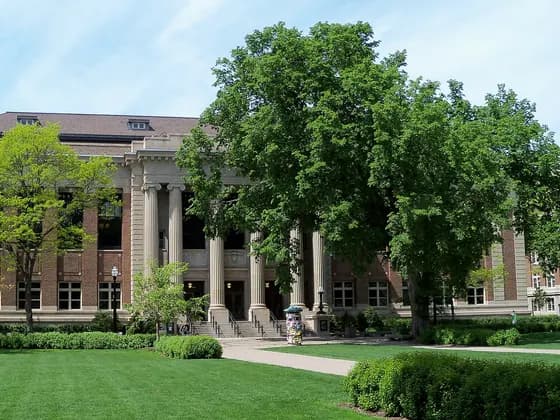
University of Minnesota Medical School (MD) Medical School - 2027 Entry Requirements & Interview Format
The University of Minnesota Medical School, founded in 1888, is one of the oldest and most research-active public medical schools in the United States, with campuses in Minneapolis and Duluth. The Minneapolis campus offers comprehensive MD training with access to the M Health Fairview university hospital system and close collaboration with the Mayo Clinic and Hennepin Healthcare. The Duluth campus, established in 1972, specifically trains physicians for rural Minnesota and the Upper Midwest. The school is nationally recognised for research in cancer, cardiovascular disease, neuroscience, and health equity.
Entry Requirements
What you need to apply to University of Minnesota Medical School (MD).
Admission overview
Bachelor's degree and MCAT required. Minnesota residents and Upper Midwest residents preferred. Strong academic record, clinical exposure, research experience, and community service expected. Application via AMCAS; secondary required. AAMC PREview exam score required — verify current cycle.
MCAT median
513 (range 508–519)
GPA median
3.77 overall / 3.72 science (BCPM)
Acceptance rate
5.0%
Class size
264
In-state preference
Strong — primarily in-state
In-state matriculants
83%
CASPer
Not required
Holistic review emphasis
Research experience, community service, Minnesota/Upper Midwest ties, rural health interest (Duluth campus).
Notes
Estimates from public AAMC FACTS / AACOMAS / ADEA AADSAS / class-profile; verify current cycle.
Specialities offered
Cancer Research, Cardiovascular Medicine, Rural Medicine, Neuroscience, Health Equity
Interview Format
How University of Minnesota Medical School (MD) interviews applicants.
Format
MMI (multiple mini-interview, conducted virtually or in person by campus)
Interview window
October–February
Decision date
March 30 (AAMC standard)
Post-interview chances
Estimated 25–35% of interviewees receive an offer; campus preference (Minneapolis vs Duluth) factors into matching.
What to expect at a University of Minnesota Medical School (MD) interview
The University of Minnesota uses an MMI format for both its Twin Cities (Minneapolis) and Duluth campuses. Stations are typically 8 minutes each covering ethics, communication, and personal reflection scenarios. The interview day includes a campus overview, student panels, and informal networking with current students. The Duluth rural campus interview is separate and emphasises rural health commitment and northern Minnesota community values. MMI scoring is holistic; interviewers look for candidates who demonstrate collaborative problem-solving and genuine community orientation.
What makes University of Minnesota Medical School (MD) different
Two-campus model: Minneapolis campus for research-intensive training and the Duluth campus (founded 1972) specifically dedicated to training rural physicians for Minnesota and surrounding states. Strong ties to Mayo Clinic, M Health Fairview, and Hennepin Healthcare. One of the largest public medical school research programmes in the Upper Midwest.
Tutor insight
Minnesota's MMI rewards structured ethical reasoning and composure — use a clear framework (interests, options, consequences, stakeholders) for ethical stations. If applying to the Duluth campus, demonstrate genuine ties to rural Minnesota or the Upper Midwest; Duluth interviewers screen heavily for authentic rural health commitment. At Minneapolis, highlight research depth and any ties to the M Health Fairview or Mayo ecosystems. Note that the AAMC PREview exam is required — prepare accordingly with honest, reflective situational-judgement responses.
PrometheusQuestion Bank
595 medicine questions inside
Interview questions matched to University of Minnesota Medical School (MD)
Two questions our tutors flagged as a strong fit for University of Minnesota Medical School (MD)’s interview style. Try answering them out loud, then open Prometheus for the model answers and follow-up tips.
Medium·MMI · PanelQ1
AAMC Core Competency: Ethical Responsibility to Self and Others
The AAMC identifies Ethical Responsibility to Self and Others as a core competency, which includes maintaining personal integrity, managing one's own wellbeing, and upholding the welfare of patients and colleagues. A fellow pre-medical student — a close friend — confides that he has been using a prescription stimulant without a prescription to manage the demands of organic chemistry and MCAT preparation. He asks you not to tell anyone. How do you respond?
Likely follow-up · How does unprescribed stimulant use among pre-medical students connect to the broader culture of performance pressure in medical training?
3 expert tips in Prometheus
Hard·MMI · PanelQ2
US Healthcare Ethics: Undocumented Patients and the Healthcare System
An undocumented 45-year-old patient has been managing insulin-dependent diabetes without a primary care provider for years, using emergency departments for acute complications. He has multiple diabetes-related hospitalisations but cannot access Medicaid in your state and cannot afford private insurance. He presents to your federally qualified health centre. What is your legal obligation to treat him, what care can be funded, and what does this case reveal about the structural gaps in US healthcare for undocumented immigrants?
Likely follow-up · EMTALA requires hospitals to stabilise emergency conditions regardless of immigration status. Does any coverage for undocumented patients exist beyond emergency stabilisation at federal law?
Apply to University of Minnesota Medical School (MD) with confidence
We've helped students get into University of Minnesota Medical School (MD) and other US medicine schools. Get tailored support for each stage of the application.
University of Minnesota Medical School (MD) - Frequently asked questions
Bachelor's degree and MCAT required. Minnesota residents and Upper Midwest residents preferred. Strong academic record, clinical exposure, research experience, and community service expected. Application via AMCAS; secondary required. AAMC PREview exam score required — verify current cycle.
MMI (multiple mini-interview, conducted virtually or in person by campus). The University of Minnesota uses an MMI format for both its Twin Cities (Minneapolis) and Duluth campuses. Stations are typically 8 minutes each covering ethics, communication, and personal reflection scenarios. The interview day includes a campus overview, student panels, and informal networking with current students. The Duluth rural campus interview is separate and emphasises rural health commitment and northern Minnesota community values. MMI scoring is holistic; interviewers look for candidates who demonstrate collaborative problem-solving and genuine community orientation.
University of Minnesota Medical School (MD) typically interviews in October–February.
Decisions are released March 30 (AAMC standard).
Two-campus model: Minneapolis campus for research-intensive training and the Duluth campus (founded 1972) specifically dedicated to training rural physicians for Minnesota and surrounding states. Strong ties to Mayo Clinic, M Health Fairview, and Hennepin Healthcare. One of the largest public medical school research programmes in the Upper Midwest.