
2027 Entry · 7 schools
UK Medical Schools That Use Panel Interviews
A panel interview is a single conversation with two to four interviewers, scored against a fixed mark scheme. This page lists the UK medical schools that interview by panel; the format, scoring and common questions are in the full panel interview guide.
- Schools
- 7Schools
- Interviewers
- 2–4Interviewers
- Duration
- 20–40 minDuration
- Themes
- 4–6Themes
New to the format? Read the panel interview guide first, then come back to choose your schools.
Which UK medical schools use the Panel?
7 UK medical schools use the Panel for 2027 Entry. Every card links to that school's full how-to-get-in guide — UCAT cut-offs, selection methodology and Panel-specific prep — and the purple badge opens its NGMP TrueScore prediction.
Showing 7 of 7 schools
 TrueScore2010Barts and The London (Queen Mary) — how to get in
Barts and The London (Queen Mary)
London · est. 1785
Panel interview with two senior academic or clinical staff, sometimes a lay selector (online)
See guideHow to get in TrueScore2150Cambridge — how to get in
Cambridge
Cambridge · est. 1209
Traditional panel interviews with academic focus
See guideHow to get in TrueScore1870SCOTGlasgow — how to get in
Glasgow
Glasgow · est. 1451
Panel interview
UCAT SCOT 1870+How to get in TrueScore2230Oxford — how to get in
Oxford
Oxford · est. 1096
Traditional or Panel Interviews
UCAT 2026+How to get in TrueScore2000Southampton — how to get in
Southampton
Southampton · est. 1952
Selection Day - Panel and Group
See guideHow to get in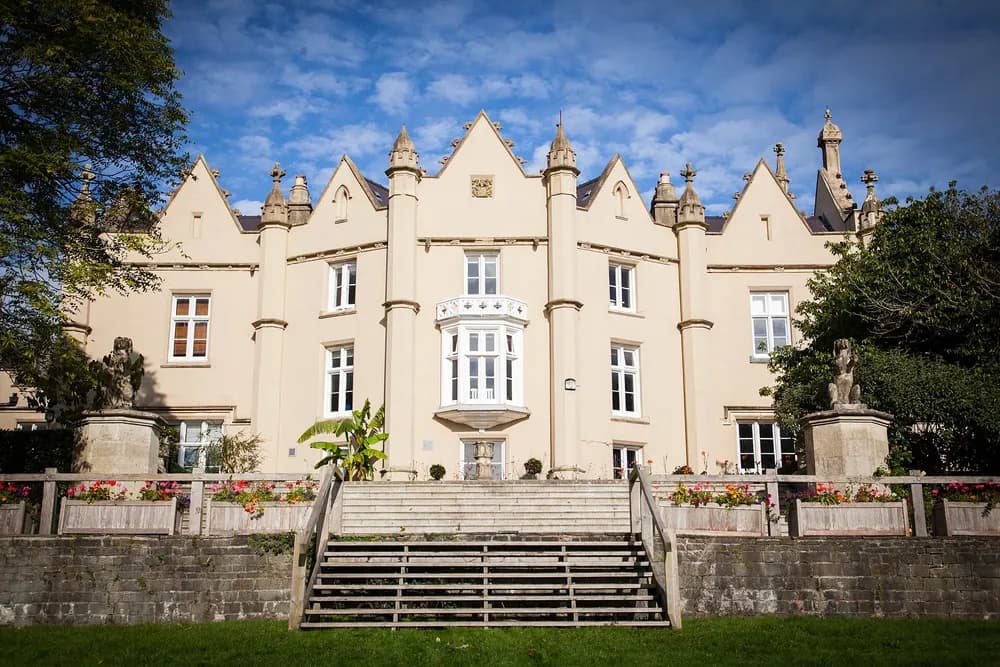 Swansea (GEM) — how to get in
Swansea (GEM)
Swansea · est. 2004
Assessment Day
UCAT GEM 1900+How to get in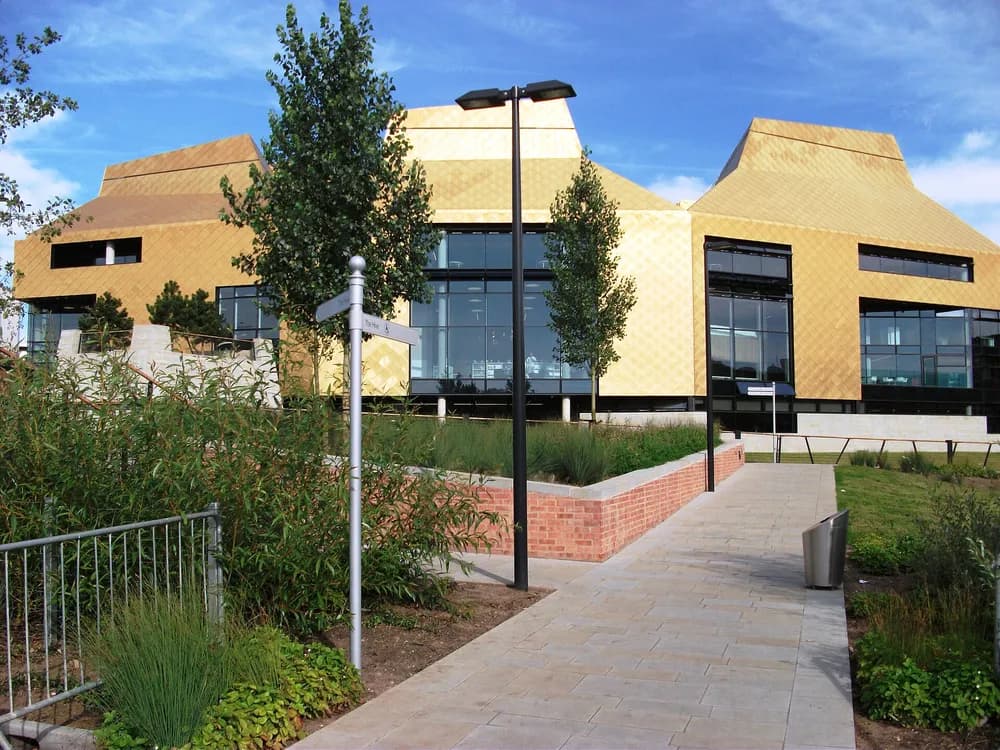 TrueScore1900GEMWorcester Medical School — how to get in
Worcester Medical School
Worcester · est. 2023
Casper SJT + two panel interviews
UCAT GEM 1900+How to get in
Campus photo credits
Campus photographs are used under free Creative Commons or public-domain licences and have been resized and cropped for display.
- Barts and The London (Queen Mary): photograph by Paul the Archivist / Wikimedia Commons — CC BY-SA 4.0, via Wikimedia Commons
- Cambridge: photograph by Dmitry Tonkonog (User:Heuschrecke) — CC BY-SA 3.0, via Wikimedia Commons
- Glasgow: photograph by Clem_nat — CC BY-SA 4.0, via Wikimedia Commons
- Oxford: photograph by Julian Herzog — CC BY 4.0, via Wikimedia Commons
- Southampton: photograph by Roger Davies / Geograph Britain and Ireland — CC BY-SA 2.0, via Wikimedia Commons
- Swansea (GEM): photograph by Swanseauni — CC BY-SA 4.0, via Wikimedia Commons
- Worcester Medical School: photograph by JanetMackinnon — CC BY-SA 3.0, via Wikimedia Commons
How does the Panel differ from the other UK interview formats?
Most applicants sit more than one format across their four choices. Knowing which you face changes how you prepare — and which of your practice habits transfer.
| Aspect | MMI | PanelThis page | Traditional |
|---|---|---|---|
| Shape | 6–10 short stations on a timed circuit | One continuous interview in a single room | 2–3 separate academic interviews, often on different days |
| Who assesses you | A different assessor at every station | The same 2–4 panellists throughout | 1–2 academics per interview, subject specialists |
| Length | 5–8 minutes per station, 80–120 minutes total | 20–40 minutes in total | 20–30 minutes each |
| Recovery from a bad moment | Excellent — each station is scored in isolation | Limited — the same people hear everything | Good across interviews, limited within one |
| What it rewards | Breadth, structure and quick recovery | Depth, coherence and rapport under follow-up | Reasoning aloud, curiosity and teachability |
| Preparation that works | Timed single stations plus full mock circuits | Mock panels with hostile follow-up questioning | Supervised practice on unseen academic problems |
- Shape
- One continuous interview in a single room
- Who assesses you
- The same 2–4 panellists throughout
- Length
- 20–40 minutes in total
- Recovery from a bad moment
- Limited — the same people hear everything
- What it rewards
- Depth, coherence and rapport under follow-up
- Preparation that works
- Mock panels with hostile follow-up questioning
The other UK interview format guides
- UK medical schools that use the MMIWhich medical schools run MMI circuits, and what the stations cover.
- UK medical schools that use traditional interviewsOxbridge-style academic and college interviews, and how they differ.
- UK dental schools that use the MMIDental MMI circuits, including manual-dexterity and role-play stations.
- UK dental schools that use panel interviewsDental schools interviewing by panel, and what they press candidates on.
Frequently asked questions
Master the Panel with NextGen MedPrep
Structured prep, mock circuits with current medical-student tutors, and a question bank covering every common station type.