





Medicine & dentistry interviews · UK

Medicine interviews UK: prep, mock interviews & MMI practice

How UK medical school interviews work, what the panels actually score, and one-to-one mock interviews built for the university that invited you, run by tutors experienced in its interview.

Mocks built for your universityMMI, panel & Oxbridge formatsGuides for every UK school
  • Single mock£45
  • Bundles from£160
  • Self-practice from£8

Packages & pricing

Mock Interview & Coaching Packages

Live, university-specific coaching from tutors experienced in each university’s interview — plus self-practice with our interview question bank. Mix and match, or build your own below.

Compare packages

Which bundle is right for you?

Everything each bundle includes, side by side, and the tutors who teach them.

Our tutors

The tutors who teach them

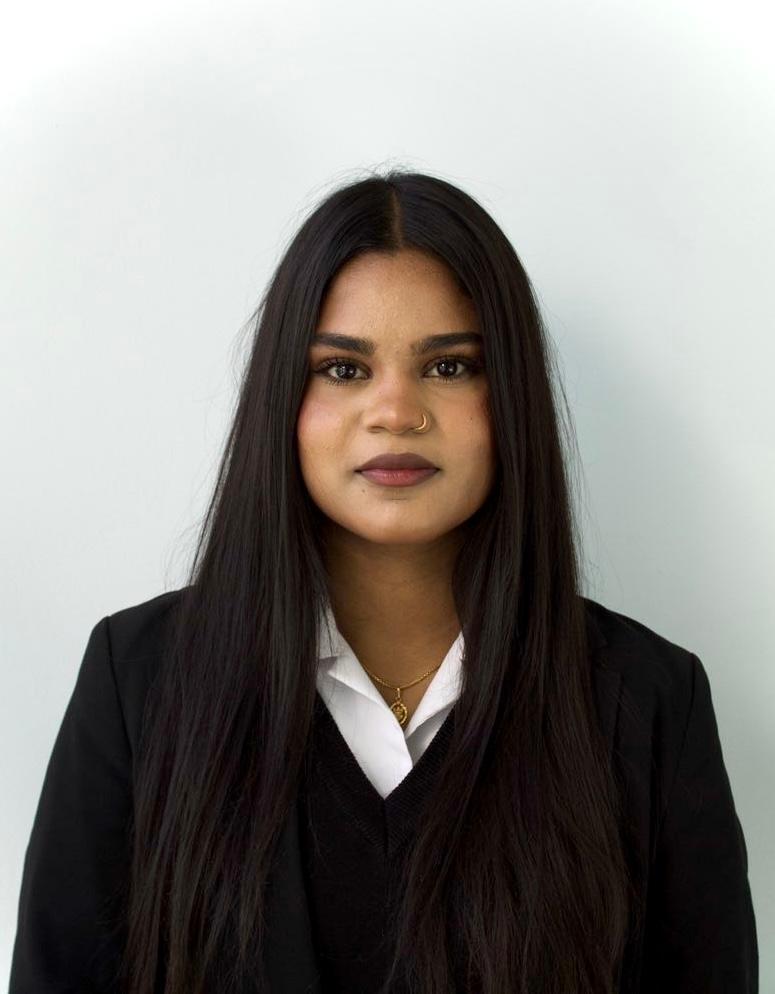
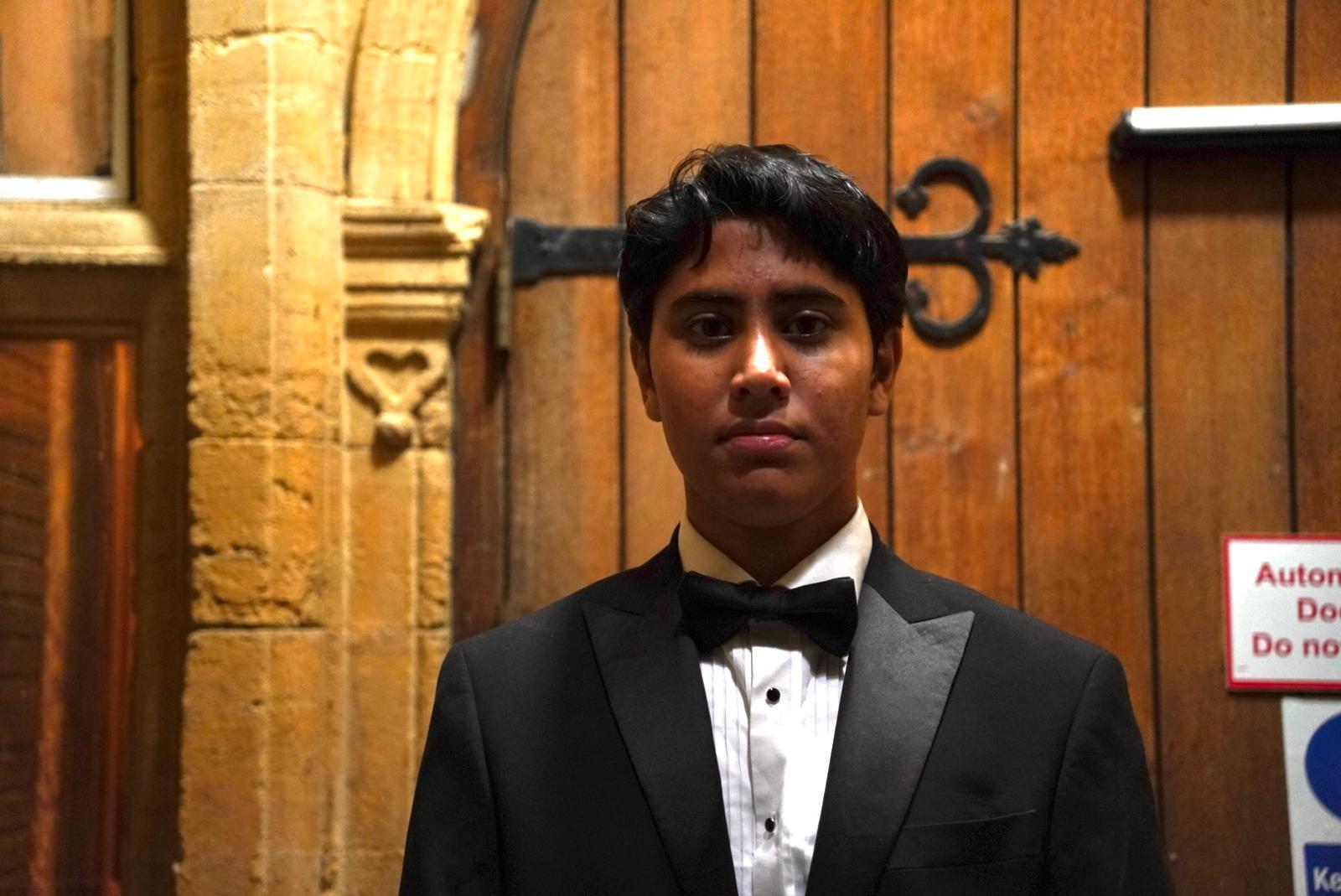
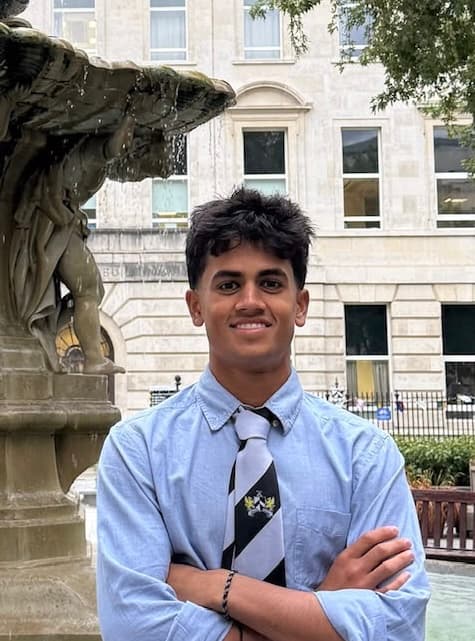
Live sessions are taught by current medical and dental students from universities around the world. After you book, we match you with a tutor experienced in your university’s interview.

Meet all our tutors

Reviews

What applicants say

Reviews of our mock interviews left on this site, published with the reviewer’s permission. You can also read our independent reviews on Trustpilot.

No on-site reviews of our interview preparation have been published yet. We only show a review here once the person who wrote it has agreed to publication and our team has checked it.

UK medical-school interviews — key facts

Interview formats
Most UK medical schools use Multiple Mini Interviews (MMI) — circuits of short stations, usually 5 to 8 of 5 to 10 minutes each. A minority use panel interviews (a small group of interviewers, from about 15 minutes to an hour); Oxford and Cambridge run their own academic interviews, and three schools record theirs online on SAMMI. See the interview format for every UK school.
When interviews run
Interview season runs from November to March. Cambridge and Oxford interview in December; most other schools spread interviews between November and March.
How long to prepare
Plan 40–60 hours of structured preparation: ethics frameworks (four pillars, SPIES), role-play and communication practice, NHS values and hot-topic reading, and at least three full mock circuits or interviews.

Guides reviewed for 2027 entry · Last updated .

The guide

How UK medicine interviews work

If you have a medical school interview invitation in the UK, you will sit one of three formats, and all three score the same handful of attributes. Here is what to expect, what the interviewers are marking, and how to prepare in the weeks you have.

The three formats: MMI, panel and Oxbridge

Most UK medical schools run a Multiple Mini Interview (MMI): a circuit of short stations, usually 5 to 8 of them at 5 to 10 minutes each, with a different interviewer and a different task at every station, scored independently. A minority run a panel interview, a single conversation with two or three interviewers lasting anywhere from about 15 minutes to an hour. Oxford and Cambridge run their own academic, science-led Oxbridge interviews, and three schools record theirs online on SAMMI.

For 2027 entry, 42 UK medical schools interview with an MMI and 7 with a panel; for dentistry it is 11 and 5. Each format guide explains the format in depth and lists every school that uses it, and the interview-format census shows the format for every school we track.

What interviewers score

Whatever the format, the mark scheme comes back to six attributes. Every station or question is a vehicle for one or two of them.

  • Communication & empathy

    Role-play with an actor, breaking bad news, explaining something plainly to a worried relative. Listening and checking understanding score more than fluency.

    Role-play stations
  • Ethical reasoning

    Confidentiality, consent and capacity, a colleague who is unfit to practise, allocating a scarce resource. The four pillars and Good Medical Practice, applied to the specific case.

    The four pillars
  • Motivation & insight

    Why medicine, why here, and what your work experience actually taught you about the job. Specific, reflective and realistic beats enthusiastic.

    Why medicine, without the clichés
  • Teamwork, resilience & leadership

    A time you failed, a disagreement in a team, a time you led. One real example with your specific contribution and what changed afterwards.

    Turning experience into insight
  • The NHS & current issues

    How the NHS is structured and funded, the pressures on it, and the hot topics of the cycle. Interviewers want an informed view, not a headline.

    How the NHS actually works
  • Data & calculation

    At some schools: interpret a chart, work through a drug calculation, reason about a study. Method and clarity are what is marked.

    Data and calculation stations

The questions you will get

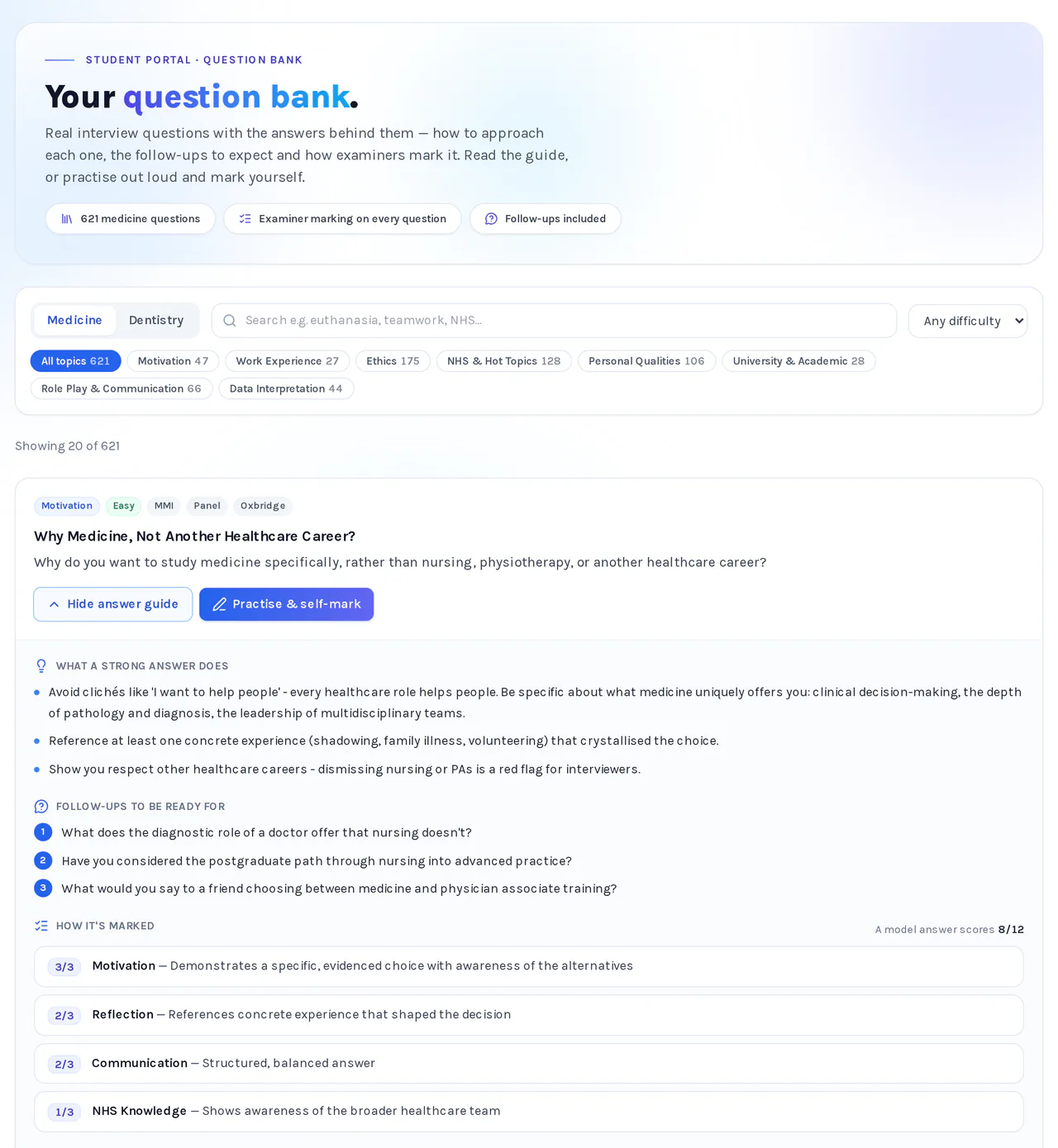
Medicine interview questions fall into a small number of recurring types: why medicine and why this school; reflection on your work experience; ethical scenarios; role-play; the NHS and current issues; teamwork, leadership and resilience; and at some schools a data or calculation station. Our free medical interview question bank holds over a thousand real stations with model approaches, and the question planner shows which types each UK school is known to ask, with one worked example of each.

How to prepare, and how we help

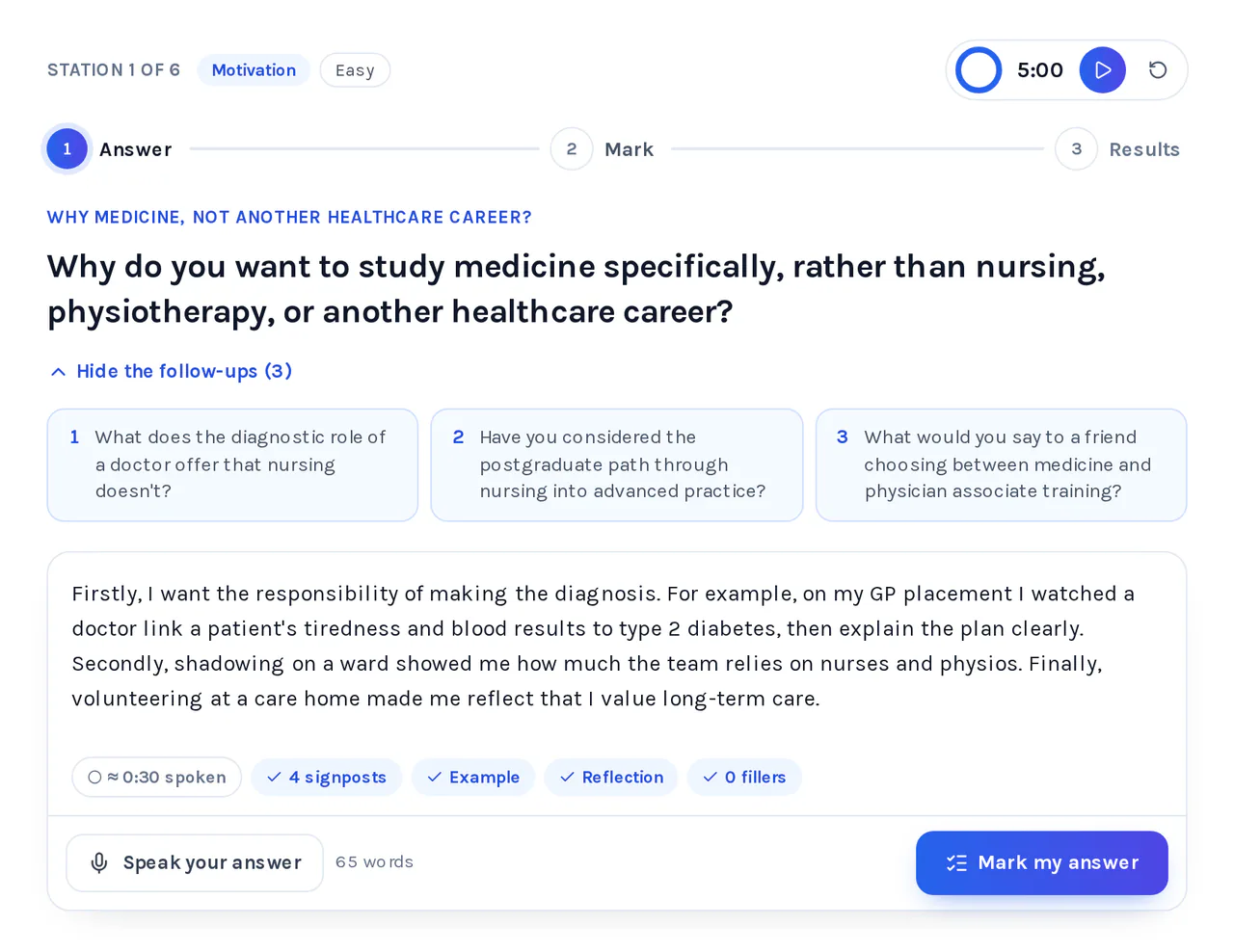
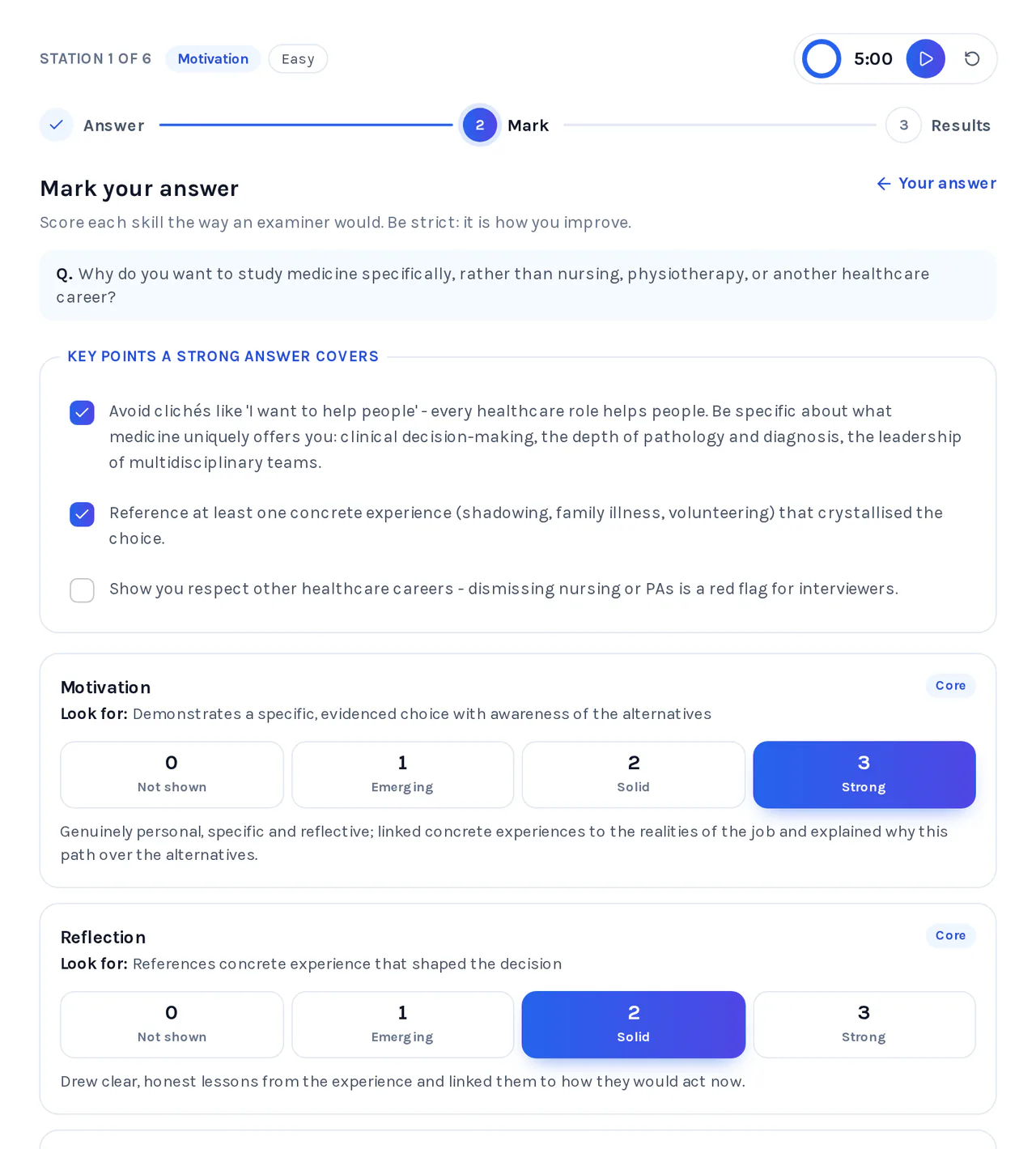
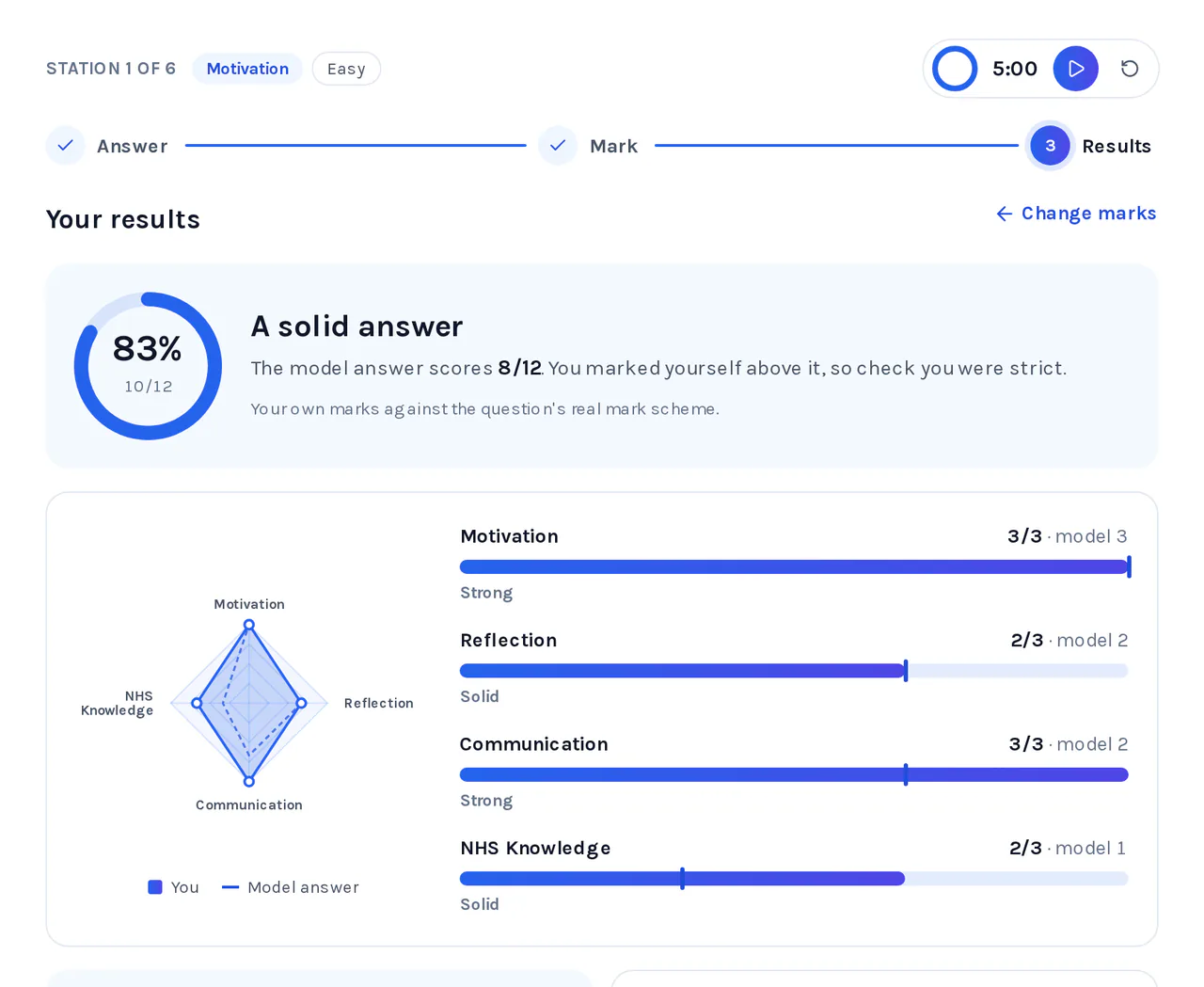
Plan 40–60 hours from the moment you apply, not from the invite: invitations give one to three weeks’ notice. Learn the frameworks (the four pillars of ethics, SPIES for professionalism dilemmas, Good Medical Practice), build five core narratives from your own experience, practise aloud under the clock, then sit full mock interviews with feedback. Every NextGen MedPrep mock is built for the school that invited you and run one-to-one, in its format, by a tutor experienced in its interview, with structured written feedback against its known criteria. See the packages.

Applying for dentistry? The dental school interview prep page covers every UK dental school’s format, dexterity stations, the GDC standards and mocks with current dental students.

67 schools · 2027 entry

Find your university’s interview guide

School-by-school guides covering interview format, sample questions, common pitfalls and prep tips — written and reviewed by current UK medical and dental students.

AI Mock Interviewer

Real mock interviews, any time you need one

Sit a full MMI or panel interview with photoreal video interviewers in your medical or dental school’s real format — faces on screen that look, sound and respond like real interviewers. Talk naturally, get probed with follow-ups, then receive a structured written debrief with rubric scores, a video replay and timestamped notes.

  • Photoreal AI interviewers — British & international voices
  • The real format: MMI or panel
  • Rubric-scored feedback in about two minutes + video replay

Know your format

Interview format guides

Cross-school resources covering each interview format and the most common question types. Pair these with your per-school guide for the school you have been invited to.

Interview prep tip

Stuck for work-experience reflections?

Interviewers love specific examples. Our Virtual Work Experience puts you in real clinical scenarios — giving you fresh, honest reflections to draw on when the panel asks “tell me about a time you saw…”

Try Virtual Work Experience

From a real mock interview:

Watching the registrar weigh competing priorities during a virtual ward round taught me that medicine is rarely about a single right answer — it’s about defending a reasoned one.
Quick answers

Booking a mock — quick answers

The questions applicants ask most before booking. Still unsure? Email contact@nextgenmedprep.com.

Tutor-led mocks pair you with a current medical or dental student who runs a live interview over video, then walks through structured feedback against your target school’s criteria. The AI Mock Interviewer is a live spoken interview with photoreal AI interviewers: they ask follow-ups based on what you actually say, in your university’s real format (MMI circuit or panel), and you get a rubric-scored debrief with a replay of your session minutes after you finish — no booking, available whenever you are. Self-practice mocks from our interview question bank are hand-written, university-specific question sets delivered instantly with written tips, so you can rehearse on your own or have a friend mark you. In short: a real person, a realistic conversation on demand, or the cheapest way to drill questions.

Interview formats & prep

Medical school interview questions, answered

Most UK medical schools use Multiple Mini Interviews (MMI): circuits of short stations, usually 5 to 8 of them, each lasting 5 to 10 minutes and testing a different attribute. A minority use panel interviews, a conversation with a small group of interviewers lasting anywhere from about 15 minutes to an hour. Oxford and Cambridge run their own academic interviews, and City St George's, Hertfordshire and St Mary's Twickenham use SAMMI, an MMI you record online with no live interviewer. Our MMI, panel, Oxbridge and SAMMI interview guides each explain the format and list the UK schools that use it, for medicine and dentistry (Oxbridge and SAMMI are medicine only).

Interview hot topics

Hot topics this cycle

All hot topics →

Sources & official admissions information

We cross-check every interview guide against the school’s own admissions guidance and the UK regulators.

  1. UCAT Consortium — Official UCAT registration, test format, scoring methodology and free practice materials.
  2. General Medical Council (GMC) — Statutory regulator. Approved medical schools, the registered-doctor register, and fitness-to-practise standards.
  3. Medical Schools Council — Selecting-for-excellence guidance, MMI principles, and an A–Z of UK medical schools.