
Contextual Offers for MedicineHow far the bar actually drops
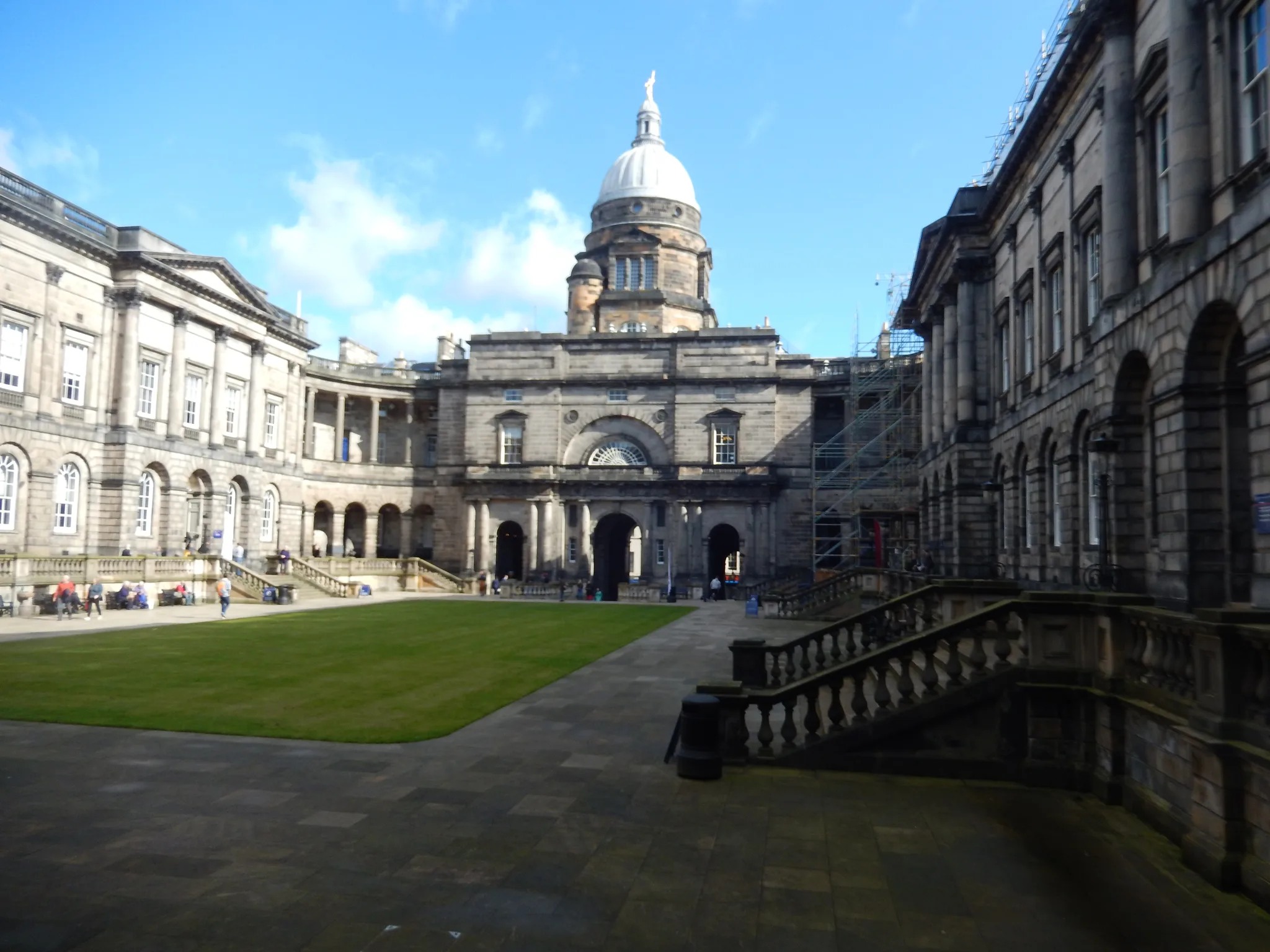
Photo: Chrysi Chrysochou · CC BY-SA 3.0 · cropped
A contextual offer is a reduced entry requirement made by a UK medical school to applicants from underrepresented or disadvantaged backgrounds. Every UK medical school operates some form of contextual admissions policy for 2027 entry — but the names, eligibility criteria and grade reductions vary substantially between schools.
This guide brings all 51 UK medical schools together: who qualifies, how far the UCAT and A-Level thresholds actually drop, the UKWPMED scheme, and how eligibility is verified. Every figure is read live from our maintained dataset rather than retyped, so the numbers move when the schools move them.
11 schools publish a separate contextual UCAT threshold and 22 publish a reduced A-Level offer. The median UCAT reduction is 100 points — but the range runs from a few dozen points to 310 at Bristol's Gateway route, so where you apply matters more than whether you qualify.
UK contextual admissions in four numbers
Median rather than mean: Bristol's A108 Gateway route is an 310-point outlier that would inflate an average by roughly a fifth. 50 of the 51 schools document a contextual policy of some kind in our dataset.
The ten contextual criteria UK medical schools use
Most schools combine several of these to decide who is eligible. You typically need to meet at least one — and for the most generous reductions, two or more.
School performance (POLAR4 quintile 1 or 2)
You attended a school whose typical progression to higher education is below the UK average. Verified by school postcode via UCAS.
Checked automatically
Area deprivation (IMD decile 1–4)
You live in a postcode in the bottom 40% of the English Index of Multiple Deprivation. Equivalent indices apply in Scotland (SIMD), Wales (WIMD) and NI (NIMDM).
Checked automatically
Care experience
You've been in local-authority care at any point — short-term or long-term. Usually requires a verification form from your social worker or local authority.
Evidence needed
Unpaid carer for a family member
You provide regular unpaid care for a relative with illness, disability, or addiction. Letter from school or GP usually required.
Evidence needed
Refugee or asylum-seeker status
You hold refugee status or are seeking asylum in the UK. Documentation required.
Evidence needed
First in family to attend university
Neither parent or guardian holds a UK higher-education qualification. Self-declared on UCAS.
You declare it
Free school meals
You've received free school meals at any point during your education — often a 6-year lookback. Verified by school records.
Evidence needed
Estranged from family
You have no current contact with your biological family. Documentation from a teacher, social worker, or GP usually required.
Evidence needed
Low-income household
Household income below a school-specific threshold (typically £25,000–£42,000 per year). Evidence via tax credits or UCAS finance assessment.
You declare it
Attended a state school
You attended a state-funded school for your sixth form. Some schools weight state-school attendance as a stand-alone criterion; others combine it with other factors.
Checked automatically
Build your contextual profile
Tick what applies, add your UCAT and predicted grades, and see where a contextual route would genuinely change the outcome.
Step 1 · Tick what applies to you
Most schools need at least one of these; the more generous reductions usually need two or more. Nothing is stored or sent anywhere.
Your profile
Tick the criteria that apply and add your UCAT score to see where a contextual route would genuinely change the outcome — the schools whose standard bar you miss but whose contextual bar you clear.
What UKWPMED is, and why the deadline matters
The programme
UKWPMED (UK Widening Participation to Medical Education) is a collaboration between most UK medical schools that gives applicants from disadvantaged backgrounds the chance to take part in academic and clinical-skills programmes during sixth form. The application opens to Year 12 students in the spring, and the programme runs through the summer between Year 12 and Year 13.
What it gets you
Completing it unlocks reduced UCAT thresholds and lower A-Level offers at participating schools. Manchester drops to AAB for WP+ applicants and ABB for refugee or care-experienced WP++ applicants; Leicester accepts a predicted ABB; Peninsula and BSMS both key their contextual offer to UKWPMED eligibility.
It is not the only route
Plenty of schools run their own scheme instead — Access Sheffield, Access UCL, Access to Birmingham, Newcastle PARTNERS, Aston Ready, REACH Scotland. Check the comparison below before assuming UKWPMED is the one that matters for your four choices.
Every UK medical school's contextual route, compared
Search, filter and sort all 51 schools — or switch to the table for a side-by-side read of standard versus contextual thresholds.
Showing 51 of 51 UK medical schools
| Scheme | A-Level offer | ||||
|---|---|---|---|---|---|
 AberdeenAberdeen AberdeenAberdeen | REACH ScotlandWhat makes it differentSeparate contextual UCAT tiers for Scottish-domiciled and rest-of-UK applicants. School policy: Aberdeen applies uplifts to the UCAT score itself rather than running a separate contextual threshold: 10% for SIMD20 and care-experienced school leavers, and 5% for SIMD40 school leavers. Because UCAT is scored relative to the rest of Aberdeen's applicant pool, an uplift moves you up the ranking rather than past a fixed bar. Who qualifies: Scottish-domiciled applicants meeting minimum academic requirements and scoring in the top 75% of applicants are guaranteed an interview. Quintile 1 postcode or care leaver: 10% UCAT uplift. Quintile 2: 5% uplift. | — | — | — | AAA |
 Anglia Ruskin (ARU)Chelmsford Anglia Ruskin (ARU)Chelmsford | Widening Access to Medical School (WAMS)What makes it differentFour stacking cut-offs — East of England, WAMS, Essex, and combinations of them. School policy: ARU has a distinctive widening-participation focus - significant proportion of intake from non-traditional backgrounds. Who qualifies: Widening Access to Medicine Scheme (WAMS) gives a 5% UCAT uplift. East of England (Suffolk, Cambridgeshire, Norfolk, Bedfordshire, Hertfordshire) gives 2.5%. Essex residents get 5%. Free School Meals or care-experienced applicants are auto-invited to interview if they meet academic + band 1–3 SJT. | 2010 | 1960 | −50 pts | AAA |
 Aston UniversityBirmingham Aston UniversityBirmingham | Aston ReadyWhat makes it differentAAB contextual offer with AA in Chemistry and Biology, plus a lower UCAT bar. School policy: Aston has a distinctive widening-participation focus - significant proportion of intake from non-traditional / first-in-family backgrounds. Who qualifies: Aston Ready widening-participation programme: contextual offer AAB (with AA in Chemistry + Biology). Eligibility includes specified Birmingham/local-area + low-progression-area criteria. | — | — | — | A*AA → AAB |
 Barts and The London (Queen Mary)London Barts and The London (Queen Mary)London | Queen Mary contextual schemeWhat makes it differentAimed at East London and first-in-family applicants; AAB for care leavers. School policy: Queen Mary contextual scheme: lower offers and UCAT threshold for East London / first-in-family applicants. | — | — | — | A*AA → AAA |
 BirminghamBirmingham BirminghamBirmingham | Access to Birmingham (A2B)What makes it differentA2B runs as a programme during sixth form; contextual applicants interview from lower UCAT deciles. School policy: Two separate schemes. The Contextual Offer scheme lowers the offer by one grade to AAB and is applied automatically at the point of application. Completing a Pathways to Birmingham programme earns an alternative offer two grades below standard, at ABB. Contextual applicants also receive up to 1.5 extra application-score points based on POLAR4 quintile, so they can reach interview from a lower UCAT decile. Who qualifies: POLAR Q1/Q2 postcode + WP indicators give 0.6–1.5 contextual score uplift. Standard offer AAA → AAB for contextual. | — | — | — | AAA → AAB |
 Brighton & Sussex (BSMS)Brighton Brighton & Sussex (BSMS)Brighton | BSMS Widening Participation / UKWPMEDWhat makes it differentAAB contextual offer including Biology and Chemistry for UKWPMED-eligible applicants. School policy: BSMS Widening Participation: lower contextual offers and UCAT threshold for eligible applicants. Who qualifies: UKWPMED scheme guarantees an interview if academic requirements met. Standard offer AAA → AAB for contextual; GCSE 5s accepted with contextual data. | 1900 | 1810 | −90 pts | AAA → AAB |
 BristolBristol BristolBristol | Bristol contextual data / A108 GatewayWhat makes it differentThe widest gap on this page — the Gateway route has invited applicants from far below the standard bar. School policy: ABB including A in Chemistry and B in one of Biology, Physics, Mathematics or Further Mathematics, against a standard AAA. The contextual IB offer is 32 points with 16 at Higher Level, including 6 in HL Chemistry and 5 in one of Biology, Physics or Mathematics. Who qualifies: A108 Gateway to Medicine programme + standard contextual offer (ABB) for WP-eligible applicants. Lowest invited contextual UCAT has historically reached well below the standard cut-off (1790–1890 /3600 i.e. 1340–1420 /2700) for severely contextualised candidates. | 2240 | — | — | AAA → ABB |
 Brunel Medical SchoolUxbridge Brunel Medical SchoolUxbridge | Brunel Widening ParticipationWhat makes it differentWest and outer London focus; the contextual grade profile is not publicly stated. School policy: Brunel Widening Participation: lower contextual offers for eligible applicants from West London / outer-London boroughs. Who qualifies: Heavy international cohort (107 places). Only 53 UK home-funded places, with significantly more offers issued than places (acceptance rate buffer). New school under GMC accreditation; Buckingham acts as contingency degree-awarding body. | — | — | — | AAA |
 BuckinghamBuckingham BuckinghamBuckingham | Not publishedWhat makes it differentA private medical school with only a limited contextual scheme. School policy: Limited contextual scheme - being a private fee-paying school, intake skews toward fee-paying applicants. | — | — | — | ABB |
 CambridgeCambridge CambridgeCambridge | College-level contextual dataWhat makes it differentNo formal threshold drop — each college decides how far to flex predicted grades. School policy: Each college has its own approach to contextual offers; some accept lower predicted grades from widening-participation backgrounds. Who qualifies: GCSE used contextually (less heavily than Oxford). No formal contextual UCAT uplift, but college-level holistic review can adjust for circumstance. Mean offer-holder GCSE around 9.7 A*s historically. | — | — | — | A*A*A |
 CardiffCardiff CardiffCardiff | Welsh national widening-access schemesWhat makes it differentWelsh-domiciled applicants face a substantially lower UCAT bar than rest-of-UK ones. School policy: Contextual route via Welsh national widening-access schemes. Who qualifies: Welsh-domiciled and contextualised applicants get up to 3 extra GCSE points and additional consideration in initial selection. UCAT bar significantly lower for Welsh applicants - in some years effectively no UCAT minimum. | — | — | — | AAA |
 Chester Medical School (GEM)Chester Chester Medical School (GEM)Chester | Not publishedWhat makes it differentGraduate-entry school with a Cheshire and North-West regional focus. School policy: Chester/North-West regional contextual focus. Who qualifies: Graduate-entry programme with regional focus on north-west England. Standard 2:1 + work experience requirements; no formal contextual UCAT uplift but small-cohort holistic review possible. | — | — | — | — |
 DundeeDundee DundeeDundee | REACH Scotland / Gateway to MedicineWhat makes it differentGateway to Medicine is a separate six-year programme with its own entry route. School policy: Dundee's widening-access route admits at a materially lower bar than the standard RUK route. Any specific figures you find from cycles up to 2025 entry were measured on the retired /3600 four-subtest scale and cannot be restated on the current /2700 scale, as Dundee itself warns on its admissions statistics page. Who qualifies: Widening Access scheme reduces UCAT bar substantially - 2025 entry contextual lowest invited 1590 /2700 vs ~1700 non-contextual Scottish. | 2025 | — | — | AAA |
 Edge HillOrmskirk Edge HillOrmskirk | Edge Hill Foundation YearWhat makes it differentThe Foundation Year is the widening-access route, at a lower UCAT threshold. School policy: Edge Hill widening-participation route - substantial proportion of intake from regional applicants. Who qualifies: Foundation Year programme has a lower UCAT bar (~1750 /2700 vs ~1900 standard). Edge Hill does not accept international students. | — | — | — | AAA |
 EdinburghEdinburgh EdinburghEdinburgh | Widening access programmes (SIMD40, SIMD Plus)What makes it differentWeights contextual data heavily because it does not interview most home applicants. School policy: Edinburgh's Plus Flag is the key contextual marker: flagged applicants get a 10% uplift on their UCAT total and are considered with any UCAT score, bypassing the 1,850 cut-off entirely. No flag exempts an applicant from the Band 4 SJT rejection. Scottish, RUK and international applicants are assessed in separate pools against separately funded intakes. Who qualifies: Plus Flag applicants receive a 10% uplift on their UCAT total and are considered with any UCAT score, bypassing the 1,850 cut-off. No flag exempts an applicant from the Band 4 SJT rejection. | 1850 | — | — | AAA |
 ExeterExeter, Devon, England, UK ExeterExeter, Devon, England, UK | Access to ExeterWhat makes it differentUCAT bar flexes with predicted grades — a higher grade profile buys a lower decile. Who qualifies: Contextual offer AAB (vs A*AA standard). Contextual UCAT cut-off lowered: 4th decile A*A*A* (~1820 /2700) or 7th decile A*A*A (~2010) accepted. Personal statement not scored. | 1880 | 1820 | −60 pts | A*AA → AAB |
 GlasgowGlasgow GlasgowGlasgow | REACH ScotlandWhat makes it differentFavours Scottish-domiciled applicants from the lower SIMD quintiles. School policy: Glasgow's adjusted entry route is for Scotland-domiciled widening-access applicants and requires successful completion of the Reach programme. The adjusted Higher offer is AAABB or AAAAC in S5 (the C may not be in Chemistry) plus BC at Advanced Higher in S6, against the standard AAAAB plus BB. Who qualifies: 294 home places (269 standard + 25 Widening Participation). WP applicants face a lower UCAT bar in practice. International ranked separately with a higher cut-off. | 1870Scottish-domiciled | — | — | AAA |
 HertfordshireHatfield HertfordshireHatfield | Hertfordshire widening participationWhat makes it differentA new school; the contextual route is not yet published in detail. School policy: Hertfordshire widening-participation route. Who qualifies: International-only intake. Can be applied to in addition to standard 4 UCAS medical choices, with no opportunity cost. | — | — | — | AAA |
 Hull York (HYMS)Hull/York Hull York (HYMS)Hull/York | HYMS widening accessWhat makes it differentOne of the larger drops on this page, with a strong Yorkshire and Humber focus. School policy: HYMS widening-participation route - strong Yorkshire and Humber focus. Who qualifies: Up to 15 contextual points (UK school leavers only) for meeting at least 2 of: POLAR Q1/Q2 home postcode, no parental higher-education experience, UCAT bursary recipient. WP applicants on recognised programmes need only minimum entry requirements + 4th decile UCAT. | 2010 | 1700 | −310 pts | AAA → ABB |
 Imperial College LondonLondon Imperial College LondonLondon | Imperial contextual admissionsWhat makes it differentPublishes an official contextual cut-off each cycle alongside the standard one. School policy: Widening-participation applicants are shortlisted against a lower UCAT threshold - 2,170 for 2026 entry against 2,320 for other home applicants. The A-level offer is not reduced: it stays A*AA, but the A* may be in any subject rather than having to sit in Biology or Chemistry. A separate, lower interview-score threshold also applies. Who qualifies: Contextual UCAT threshold 150 points lower than standard home (2,170 against 2,320 for 2026 entry), plus a lower interview-score threshold. The grade offer is NOT reduced - it remains A*AA, with the A* allowed in any subject instead of having to be in Biology or Chemistry. Eligibility covers applicants flagged as widening participation at application and those who declare and evidence carer status by the published deadline. 74 of the 345 places are overseas. | 2320 | 2170 | −150 pts | A*AA → A*AA |
 KeeleStaffordshire KeeleStaffordshire | Keele contextual points / Health Foundation YearWhat makes it differentUp to 3 contextual points from UCAT bursary, postcode and school, added to your score. School policy: Keele Health Foundation Year (Y0): non-traditional entry route with reduced UCAT requirement and full degree pathway. Who qualifies: Up to 3 contextual points: 1pt for UCAT bursary, 1pt for other contextual factors, 1pt for local school. Standard offer A*AA → AAA contextual. | 1700 | 1700 | — | A*AA → AAA |
 Kent and Medway (KMMS)Canterbury/Medway Kent and Medway (KMMS)Canterbury/Medway | Kent & Medway contextual routeWhat makes it differentA substantial share of the intake comes from regional widening-participation applicants. School policy: Kent & Medway contextual route - substantial proportion of intake from regional widening-participation applicants. Who qualifies: GCSE Attainment 8 score is contextualised against the applicant's school average - students from independent schools face higher effective thresholds for the same grades. KMMS does not use predicted A-level grades. | 2025 | — | — | AAB |
 King's College London (KCL)London King's College London (KCL)London | Extended Medical Degree Programme (EMDP)What makes it differentEMDP is a six-year route with an additional foundation year and a much lower UCAT bar. Who qualifies: King's lists contextual requirements for A100 as "not specified" - there is no separate reduced contextual offer for the standard course, though achievement is read in the context of educational background. The POLAR/ACORN/IMD, care-experienced and K+ criteria often quoted against King's are the eligibility rules for the separate Extended Medical Degree Programme (A101), not for A100. | — | — | — | A*AA |
 LancasterLancaster LancasterLancaster | Lancashire & Cumbria contextual routeWhat makes it differentPublishes an official contextual cut-off; predicted ABB is acceptable for some applicants. School policy: Lancashire & Cumbria contextual route for local widening-participation applicants. Who qualifies: Lancaster Access Programme completers receive guaranteed interview (excluded from cut-off rules). Contextual UCAT cut-off ~50 points lower than non-contextual. A small borderline pool (up to 10 points below the cut-off) is reviewed in academic order if interview slots remain. | 1920 | 1870 | −50 pts | AAA → AAB |
 LeedsLeeds LeedsLeeds | Access to Leeds (WP+)What makes it differentA separate, lower Foundation Year threshold sits below the WP+ one. School policy: Access to Leeds is the contextual scheme and carries a reduced offer of ABB against the standard AAA. Extra shortlisting points go to applicants who live in an area of low higher-education participation, received the UCAT bursary, or attended a school scoring below the national average Attainment 8. A separate Gateway Year to Medicine exists for widening-participation applicants who do not meet standard entry requirements - you cannot apply to both it and the MBChB in the same cycle. Who qualifies: WP+ scheme has substantially lower UCAT cut-off (~80 below standard) and Foundation Year route is WP-only with even lower bar (~1730). Contextual offer reduces academic requirement. | — | — | — | AAA → ABB |
 LeicesterLeicester LeicesterLeicester | UKWPMed / Leicester Foundation YearWhat makes it differentPredicted ABB is accepted for UKWPMed applicants — a prediction, not achieved grades. School policy: Leicester Foundation Year & contextual route - lower offers and UCAT thresholds for eligible widening-participation applicants. Who qualifies: UKWPMed scheme reduces both the academic prediction (ABB instead of AAB) and the effective UCAT bar, and the contextual route tolerates a weaker GCSE profile. Leicester does not publish split contextual/non-contextual UCAT cut-offs on the current /2700 scale, so none is quoted here - an earlier version of this entry showed an identical figure for both tiers, which drew a distinction it could not support. | — | — | — | A*AA → ABB |
 Lincoln Medical SchoolLincoln Lincoln Medical SchoolLincoln | Lincoln contextual pointsWhat makes it differentPoints-based: 8 for a bottom-quintile area, 15 for care experience, more for a UCAT bursary. School policy: Lincoln/Lincolnshire contextual route - reduced offers for local widening-participation applicants. Who qualifies: Substantial WP uplifts: care experienced or refugee status = 15pts each; MEM2 Q1 (Polar4) = 8pts; LMS summer school = 8pts; MEM2 Q2 = 6pts; UCAT bursary = 6pts; Lincolnshire local authority = 1pt. | 1700 | 1500 | −200 pts | AAA → AAB |
 LiverpoolLiverpool LiverpoolLiverpool | Realising Opportunities / Liverpool ScholarsWhat makes it differentRealising Opportunities is a multi-university consortium, not a Liverpool-only scheme. School policy: Liverpool has used contextual data in medicine admissions since the 2015-16 cycle to give extra consideration at specific stages of the process. It does not publish a separate contextual UCAT threshold. Who qualifies: Liverpool runs A100 with contextual reductions for WP applicants - contextual UCAT lowest invited has historically been ~150-200 below non-contextual. GAMSAT used for graduate applicants (≥55 with no section <50 competitive). | — | — | — | AAA |
 ManchesterManchester ManchesterManchester | UKWPMED (WP+ / WP++)What makes it differentTwo tiers: AAB for WP+, and ABB for refugee or care-experienced WP++ applicants. School policy: WP+ applicants are shortlisted against a lower UCAT threshold - 1,960 against 2,060 for 2026 entry - need only six GCSEs at grade 7+, and receive a reduced AAB offer. Applicants who are care-experienced or hold refugee status (including the Ukraine schemes), or who complete a Manchester widening-participation programme, are offered ABB. Who qualifies: WP+ scheme: six GCSEs at grade 7+ accepted (against seven standard), offer reduced from AAA to AAB, and a lower UCAT threshold - 1,960 against 2,060 for 2026 entry. An ABB offer goes to applicants who are care-experienced or have refugee status (including the Ukrainian schemes), and to those who complete a Manchester widening-participation programme. Eligibility is set by the University's Contextual Data tool. | 2060 | 1960 | −100 pts | AAA → AAB |
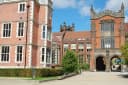 NewcastleNewcastle NewcastleNewcastle | Newcastle PARTNERSWhat makes it differentPARTNERS involves online modules and a residential; BBB for the supported-entry route. School policy: Newcastle advertises contextual and alternative offer routes worth up to three grades below the typical requirement, with contextual data drawn from your UCAS form. PARTNERS is the supported-entry programme and carries its own eligibility conditions plus a compulsory summer school. Contextual applicants are ranked in a separate stream from standard applicants rather than against them. Who qualifies: Partners contextual programme has very generous eligibility (all Indian, Pakistani and Bangladeshi heritage applicants including those at private school). Same 50/100 cut-off but ranked separately. ABB contextual offer (vs AAA standard). | — | — | — | AAA → ABB |
 North Wales (Bangor)Bangor North Wales (Bangor)Bangor | North Wales contextual routeWhat makes it differentWelsh-domiciled applicants face a lower bar; exact contextual grades are not published. School policy: North Wales contextual focus - substantial proportion of intake from local widening-participation applicants. Welsh-domiciled applicants prioritised. Who qualifies: Welsh-domiciled applicants face significantly lower UCAT thresholds anecdotally. Bangor's newer status and Welsh workforce focus mean the home (Welsh) UCAT bar is among the lowest in the UK. | — | — | — | AAA → AAB |
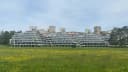 Norwich (UEA)Norwich Norwich (UEA)Norwich | UEA Widening Participation ProgrammeWhat makes it differentLower contextual offer and UCAT threshold, but the figures are not published. School policy: UEA Widening Participation Programme: lower contextual offers and UCAT threshold for eligible applicants. Who qualifies: UEA does not heavily contextualise - but the relatively low pre-interview cut-off (down to ~1640 in 2024) means lower-UCAT applicants can reach interview, although offer chances drop sharply for sub-1900 scores. | — | — | — | AAA |
 NottinghamNottingham NottinghamNottingham | Nottingham Advantage Award / A108What makes it differentThe A108 Foundation Year carries the lowest threshold at Nottingham. School policy: Nottingham Advantage Award (Widening Participation) provides reduced offers for eligible applicants. Who qualifies: A108 WP Foundation Year route has substantially lower UCAT cut-off. Contextual offer reductions and supported entry programme available. | — | — | — | AAA → AAB |
 OxfordOxford OxfordOxford | Opportunity Oxford / contextual dataWhat makes it differentGCSEs are contextualised to your school, but there is no published threshold drop. School policy: GCSE component is contextualised - top-A* applicants from low-performing schools rank as well as top-A* from grammar schools. Who qualifies: GCSE contextualised to school average. ~30 students interviewed each year with <90% A* grades (school context). Borderline 80 + tutor nominations + extenuating-circumstances review can lift lower-statistic applicants. | 2026 | — | — | A*AA |
 Pears Cumbria (GEM)Carlisle Pears Cumbria (GEM)Carlisle | Not publishedWhat makes it differentGraduate-entry school with a Cumbria and North-West regional focus. School policy: Contextual applicants sit lower admission-test thresholds (UCAT 1910 vs 1960; GAMSAT 53 vs 59). | — | — | — | — |
 Peninsula (Plymouth)Plymouth Peninsula (Plymouth)Plymouth | UKWPMED / South-West contextual routeWhat makes it differentA large share of the intake comes from Cornwall and the wider South West. School policy: South-West/Cornwall contextual route - significant proportion of intake from regional widening-participation applicants. Who qualifies: AAB offer/prediction allowed for UKWPMED-eligible applicants (vs AAA standard). Contextual UCAT bar significantly lower than non-contextual. | — | — | — | A*AA → AAB |
 Queen's University Belfast (QUB)Belfast Queen's University Belfast (QUB)Belfast | QUB contextual admissionsWhat makes it differentA strong GCSE profile can pull the required UCAT down considerably. Who qualifies: Northern Ireland medical school. Personal statement not scored. Lower-UCAT applicants can compensate with strong GCSEs (max 36 = 9× grade 9s). SJT considered only at borderline. | — | — | — | A*AA |
 SheffieldSheffield SheffieldSheffield | Access SheffieldWhat makes it differentABB prediction plus a published 1800 UCAT threshold — one of the clearest schemes to check. School policy: Access Sheffield: ABB prediction + lower UCAT threshold (1800+/2700). Available to applicants from recognised state schools / Bradford / Sheffield Hallam. Who qualifies: Access Sheffield / WP routes accept ABB prediction with lower UCAT bar (1800+). Applicants from University of Bradford or Sheffield Hallam University get the lower 1800 threshold. | 1800 | 1800 | — | AAA → AAB |
 SouthamptonSouthampton SouthamptonSouthampton | Southampton Widening ParticipationWhat makes it differentAAB contextual offer, applied to both the prediction and the final offer. School policy: Southampton Widening Participation provides lower contextual offers for eligible applicants. Who qualifies: WP route lowers UCAT bar substantially (2024 lowest invited 1778 contextual vs 1958 standard). Southampton graduates applying for BM4 also get a lower threshold than non-Southampton graduates. | — | — | — | AAA → AAB |
 St AndrewsSt Andrews St AndrewsSt Andrews | REACH Scotland / Access St AndrewsWhat makes it differentWidening-access applicants get a 10% uplift applied to their UCAT score. School policy: Scottish widening-access schemes (REACH, Access St Andrews) provide reduced offers and lower UCAT thresholds. Who qualifies: Widening Participation applicants get a 10% UCAT uplift, effectively lowering the threshold by ~10%. Scottish applicants face a much lower bar than RUK (mean offer-holder ~2024 vs ~2236). | — | — | — | AAA → AAB |
 St George'sLondon St George'sLondon | St George's widening participationWhat makes it differentLondon-focused widening access; no separate contextual UCAT figure is published. Who qualifies: St George's is generous with deferred-entry offers - borderline applicants often receive deferred offers in place of rejection. WP routes available with reduced thresholds. | — | — | — | A*AA |
 St Mary's TwickenhamTwickenham, London St Mary's TwickenhamTwickenham, London | Not publishedWhat makes it differentA new medical school; no contextual scheme is published yet. Who qualifies: International-only intake. Can be applied to alongside the 4 standard UCAS medical choices, with no opportunity cost. | — | — | — | AAA |
 SunderlandSunderland SunderlandSunderland | Sunderland local + contextual routeWhat makes it differentThe AAB offer needs you to be both local AND contextual — one alone is not enough. School policy: Strong North-East contextual focus - significant proportion of intake from regional widening-participation applicants. Who qualifies: AAB offer for applicants who are both local and contextual (vs AAA standard). Sunderland does not accept international students. | — | — | — | AAA |
 Surrey (GEM)Guildford Surrey (GEM)Guildford | Not publishedWhat makes it differentGraduate-entry school with a Surrey and South-East regional focus. School policy: Surrey/South-East regional contextual focus. Who qualifies: New graduate-entry programme with technology-forward teaching focus. No specific contextual scheme published. | — | — | — | — |
 Swansea (GEM)Swansea Swansea (GEM)Swansea | Welsh widening-participation routeWhat makes it differentGraduate entry, selecting on GAMSAT — Welsh-domiciled applicants are prioritised. School policy: Welsh widening-participation route - Welsh-domiciled applicants prioritised. | — | — | — | — |
 UCLLondon UCLLondon | Access UCLWhat makes it differentAAB offer with Biology and Chemistry both at grade A, plus a lower UCAT cut-off. School policy: Access UCL, UCL's contextual scheme, flags eligible applicants automatically and reviews their UCAT scores as a separate pool against a lower threshold - 2,080 for 2026 entry against 2,190 for other home applicants. Eligible applicants also receive a reduced offer of AAB with Biology and Chemistry both at grade A. Only A-levels, the IB Diploma, Cambridge Pre-U Principal Subjects and Scottish Advanced Highers qualify for the lower offer. Who qualifies: Access UCL contextual scheme: AAB offer with Biology and Chemistry at A (against A*AA standard) and a lower UCAT threshold (2,080 against 2,190 for 2026 entry). The advantage sits at the shortlisting stage - UCL reviews Access UCL interview scores as a separate pool and states it does not apply a specific uplift when making offers. | 2190 | 2080 | −110 pts | A*AA → AAB |
 Ulster University Medical SchoolLondonderry Ulster University Medical SchoolLondonderry | Northern Ireland contextual routeWhat makes it differentGraduate entry on GAMSAT, with a large share of the intake from NI widening participation. School policy: Northern Ireland contextual route - significant proportion of intake from NI widening-participation applicants. Who qualifies: Strong Northern Ireland regional focus. Local applicants advantaged at interview stage. Graduate-entry programme - different from undergraduate medicine routes. | — | — | — | — |
 University of Central Lancashire (UCLan)Preston University of Central Lancashire (UCLan)Preston | Not publishedWhat makes it differentNo contextual scheme is documented in our dataset — check the school directly. | — | — | — | — |
 University of Greater ManchesterBolton University of Greater ManchesterBolton | Not publishedWhat makes it differentDoes not use UCAT for home applicants at all — shortlisting is on the written application. Who qualifies: New medical school, international-only for 2026-27 entry. The school has indicated home eligibility may change in future cycles - confirm directly with admissions. | 2026 | — | — | AAB |
 Warwick (GEM)Coventry Warwick (GEM)Coventry | Warwick contextual routeWhat makes it differentGraduate entry, with a reduced UCAT threshold on socio-economic and care-experienced grounds. School policy: Contextual route via socio-economic and care-experienced criteria; reduced UCAT threshold available. Who qualifies: Graduate-entry programme - no contextual offers per se. International applicants accepted at higher threshold. | — | — | — | — |
 Worcester Medical SchoolWorcester Worcester Medical SchoolWorcester | Not publishedWhat makes it differentGraduate-entry school on a West Midlands widening-participation route. School policy: West Midlands widening-participation route. Who qualifies: Community-medicine focus on West Midlands placements. Programme is undergoing GMC accreditation - degrees awarded by Swansea while accreditation completes. | — | — | — | — |
Thresholds and grade profiles are read live from our UK medical school dataset, last reviewed 14 September 2026. A dash means the school publishes no figure for that column — not that it has no scheme. Cut-offs are set after applications close and move every cycle, so always confirm against the school's own admissions page.
Campus photo credits
Campus photographs are used under free Creative Commons or public-domain licences and have been resized and cropped for display.
- Aberdeen: photograph by Bill Harrison — CC BY-SA 2.0, via Wikimedia Commons
- Anglia Ruskin (ARU): photograph by ARU — CC BY-SA 4.0, via Wikimedia Commons
- Aston University: photograph by Tony Hisgett — CC BY 2.0, via Wikimedia Commons
- Barts and The London (Queen Mary): photograph by Paul the Archivist / Wikimedia Commons — CC BY-SA 4.0, via Wikimedia Commons
- Birmingham: photograph by mattbuck — CC BY-SA 3.0, via Wikimedia Commons
- Brighton & Sussex (BSMS): photograph by Hassocks5489 / Wikimedia Commons — CC0, via Wikimedia Commons
- Bristol: photograph by Suicasmo — CC BY-SA 4.0, via Wikimedia Commons
- Brunel Medical School: photograph by Matt Brown — CC BY 2.0, via Wikimedia Commons
- Buckingham: photograph by Nilo775 / Wikimedia Commons — CC0, via Wikimedia Commons
- Cambridge: photograph by Dmitry Tonkonog (User:Heuschrecke) — CC BY-SA 3.0, via Wikimedia Commons
- Cardiff: photograph by Jeremy Segrott (from Cardiff, Wales, UK) / Wikimedia Commons — CC BY 2.0, via Wikimedia Commons
- Chester Medical School (GEM): photograph by secretlondon123 — CC BY-SA 2.0, via Wikimedia Commons
- Dundee: photograph by Ydam / Wikimedia Commons — CC BY-SA 3.0, via Wikimedia Commons
- Edge Hill: photograph by Bryan Pready / geograph.org.uk — CC BY-SA 2.0, via Wikimedia Commons
- Edinburgh: photograph by Chrysi Chrysochou — CC BY-SA 3.0, via Wikimedia Commons
- Exeter: photograph by Benjamin Evans — Public domain, via Wikimedia Commons
- Glasgow: photograph by Clem_nat — CC BY-SA 4.0, via Wikimedia Commons
- Hertfordshire: photograph by CybJubal / Wikimedia Commons — CC BY-SA 4.0, via Wikimedia Commons
- Hull York (HYMS): photograph by Tadeusz Hare — CC BY-SA 4.0, via Wikimedia Commons
- Imperial College London: photograph by Shadowssettle — CC BY-SA 4.0, via Wikimedia Commons
- Keele: photograph by Jonathan Hutchins / Geograph Britain and Ireland — CC BY-SA 2.0, via Wikimedia Commons
- Kent and Medway (KMMS): photograph by St BC / Wikimedia Commons — CC BY-SA 3.0, via Wikimedia Commons
- King's College London (KCL): photograph by K Ulysses-Ono — CC BY-SA 4.0, via Wikimedia Commons
- Lancaster: photograph by SideLong / Flickr — CC BY 2.0, via Wikimedia Commons
- Leeds: photograph by Chemical Engineer / Wikimedia Commons — CC BY-SA 4.0, via Wikimedia Commons
- Leicester: photograph by NotFromUtrecht — CC BY-SA 3.0, via Wikimedia Commons
- Lincoln Medical School: photograph by Chris Goddard — CC BY 3.0, via Wikimedia Commons
- Liverpool: photograph by Rodhullandemu / Wikimedia Commons — CC BY-SA 4.0, via Wikimedia Commons
- Manchester: photograph by Happytree9527 / Wikimedia Commons — CC BY 4.0, via Wikimedia Commons
- Newcastle: photograph by Sarah Cossom — CC BY-SA 3.0, via Wikimedia Commons
- North Wales (Bangor): photograph by Tilman2007 — CC BY-SA 4.0, via Wikimedia Commons
- Norwich (UEA): photograph by Bryn Holmes / Geograph Britain and Ireland — CC BY-SA 2.0, via Wikimedia Commons
- Nottingham: photograph by Clem Rutter, Rochester, Kent (www.clemrutter.net) — CC BY-SA 3.0, via Wikimedia Commons
- Oxford: photograph by Julian Herzog — CC BY 4.0, via Wikimedia Commons
- Pears Cumbria (GEM): photograph by Tom Edwards — Public domain, via Wikimedia Commons
- Peninsula (Plymouth): photograph by N Chadwick — CC BY-SA 2.0, via Wikimedia Commons
- Queen's University Belfast (QUB): photograph by Nick Birse — CC BY-SA 4.0, via Wikimedia Commons
- Sheffield: photograph by Chanpeter — CC BY-SA 4.0, via Wikimedia Commons
- Southampton: photograph by Roger Davies / Geograph Britain and Ireland — CC BY-SA 2.0, via Wikimedia Commons
- St Andrews: photograph by Daytrick / Wikimedia Commons — CC BY-SA 4.0, via Wikimedia Commons
- St George's: photograph by Peter Trimming / Geograph Britain and Ireland — CC BY-SA 2.0, via Wikimedia Commons
- St Mary's Twickenham: photograph by Peter Trimming / Geograph (via Wikimedia Commons) — CC BY-SA 2.0, via Wikimedia Commons
- Sunderland: photograph by Komusar — CC BY-SA 4.0, via Wikimedia Commons
- Surrey (GEM): photograph by Geographer / Geograph Britain and Ireland — CC BY-SA 2.0, via Wikimedia Commons
- Swansea (GEM): photograph by Swanseauni — CC BY-SA 4.0, via Wikimedia Commons
- UCL: photograph by Diliff (David Iliff) — CC BY-SA 3.0, via Wikimedia Commons
- Ulster University Medical School: photograph by Conradder / Wikimedia Commons — CC BY-SA 4.0, via Wikimedia Commons
- University of Central Lancashire (UCLan): photograph by Galatas — CC BY-SA 2.0, via Wikimedia Commons
- University of Greater Manchester: photograph by BoltonUni — CC BY-SA 4.0, via Wikimedia Commons
- Warwick (GEM): photograph by Mike1024 / Wikimedia Commons — Public domain, via Wikimedia Commons
- Worcester Medical School: photograph by JanetMackinnon — CC BY-SA 3.0, via Wikimedia Commons
Prefer a static, printable version? The contextual offers table by medical school lists every school's standard and contextual offer, UCAT rule and foundation-year route on one page.
How contextual data actually flows through your application
There is no separate contextual application. The flags travel with your UCAS form, the school scores you against a different threshold, and the only thing you may have to do yourself is produce evidence when asked.
You submit your UCAS application as normal
No separate application form — eligibility is checked automatically against the contextual data you provide on UCAS (school, postcode, household income if relevant).
UCAS shares contextual data with the school
The medical school receives your POLAR quintile, IMD decile, school performance data, self-declared circumstances (care, carer status, first-in-family) and parental education.
The school flags eligible applicants automatically
Most schools use an algorithmic first pass. If you flag for one or more criteria, you're considered under the contextual route — usually against a separate, lower threshold.
For some criteria, additional verification is requested
Care experience, unpaid carer status, refugee status and estrangement usually require a supporting letter from a third party (social worker, school welfare officer, GP). Start collecting it before you are asked.
The contextual offer is made via UCAS Hub
If you receive a contextual offer, it appears in UCAS Hub like any other offer. The reduced grade requirement is stated in the offer terms.
Six ways applicants lose their contextual advantage
Contextual offers — frequently asked questions
Where these figures come from
Thresholds are compiled from each school's published admissions and widening-participation guidance and refreshed each cycle. Always confirm against the school before you commit a UCAS choice.
Related guides
UK Medical School Rankings
All UK medical schools ranked by entry difficulty. Cross-reference contextual offers with each school's standard cut-off.
See rankingsUltimate Medicine Application Guide
The full UK medicine roadmap — UCAT, personal statement, interviews, university choice and offers.
Read the guideUCAS 2026 Personal Statement
The three-question format explained, with character allocation strategy by course type.
Read the guideMedical School Interview Prep
Mock MMIs, panel interviews and per-school interview guides, by current medical students.
See interview prepWork out which contextual routes are actually open to you
A free consultation maps your flags, your predicted grades and your UCAT against the 11 schools that publish a contextual cut-off — and tells you where the contextual route genuinely changes your odds.