
The NGMP Blog · United Kingdom
Interview hot topics inmedicine, right now
The stories moving UK healthcare this month — what actually changed, the mechanism underneath it, and how to use it when an interviewer asks. NHS, ethics and policy stories for medicine applicants.
- 1 / 4
Happening right now
The stories moving UK healthcare this month. If an interviewer opens with "have you been following the news", this is the material they mean.
 Pay, rotas and strikes: the NHS workforce dispute explainedDoctors’ pay in England is recommended by an independent review body that ministers are free to overrule, which is why the dispute keeps returning. Resident doctors accepted a government offer in June 2026 that ended the strikes. Here is how the DDRB process works, what pay restoration claims, what the 2023 NHS Long Term Workforce Plan can and cannot fix, and how to argue both sides at interview.The live dispute, and the one news story a medicine panel is most likely to raise.Read it
 Assisted dying: where the Bill stands and what it would changeAssisted suicide, voluntary euthanasia, withdrawing life-sustaining treatment and palliative sedation are four different acts, and candidates lose marks by treating them as one. Here is where UK law stands as of September 2026, after MPs rejected a new Terminally Ill Adults (End of Life) Bill, the arguments on each side put at their strongest, and how to hold a view at interview without picking a jersey.MPs rejected a new Bill on 11 September 2026 — the most-asked ethics topic, with a status that keeps moving.Read it
- 2 / 4
Quick high-yield
Short on time? These are the highest return per minute — one sitting each, and each one answers a question panels ask most years.
 One jab a week: what the NICE once-weekly insulin decision meansNICE recommended insulin efsitora alfa, a once-weekly basal insulin, for use in type 2 diabetes in August 2026; as of late August the final guidance and the rollout were still settling. The headline is simple, and the decision behind it is what an interview panel actually probes. Here is how a medicine travels from MHRA licence to NHS prescription, why cost per QALY decides what gets funded, and how to turn one news story into a considered answer on NHS rationing.One decision that teaches the whole funding mechanism. Cheap to learn, useful everywhere.Read it
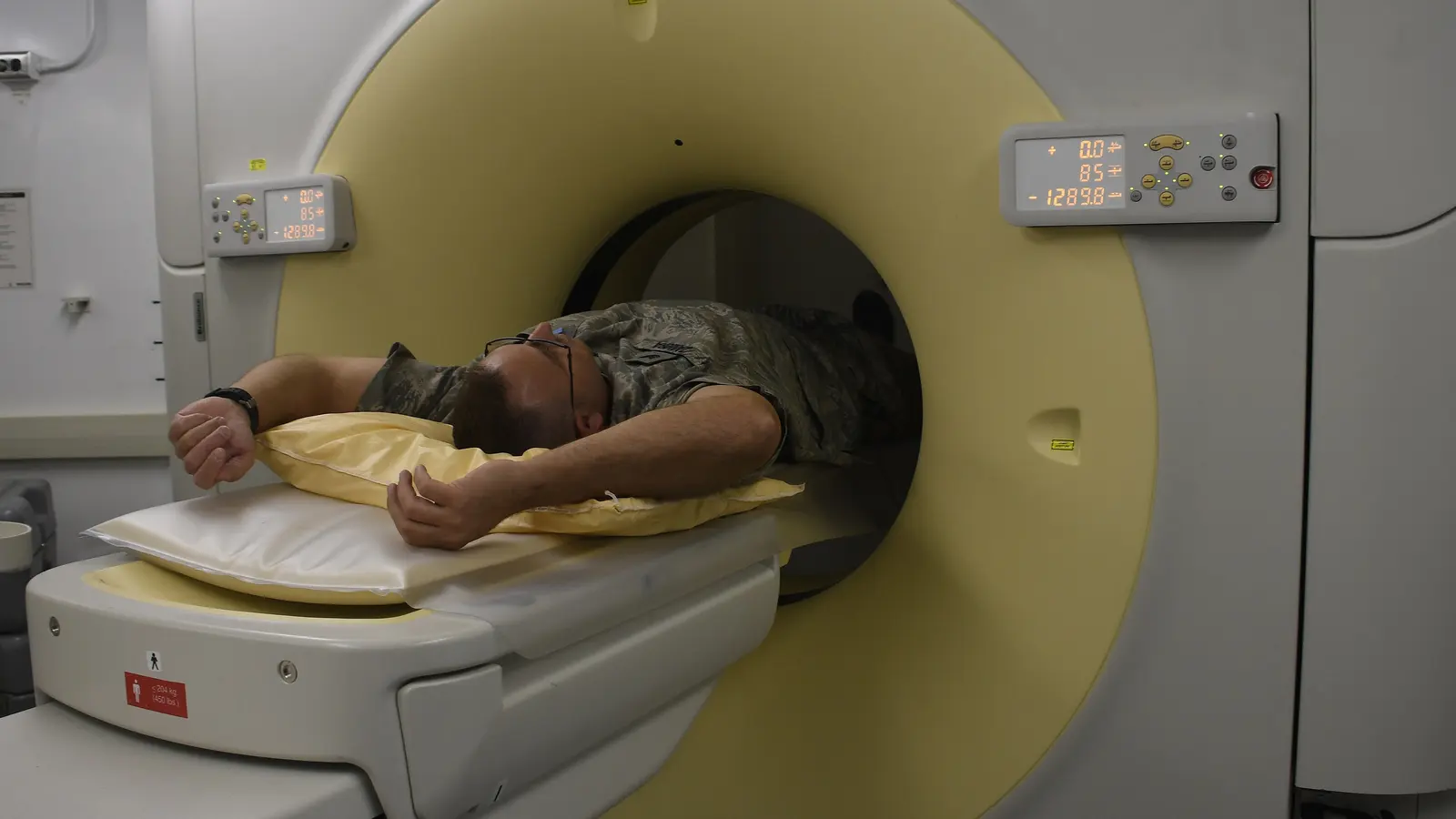 AI in the NHS: what is actually deployed, and what is hypeMinisters describe an AI-powered NHS; most wards do not have one yet. As of 2026 a narrow set of tools is genuinely in service — stroke imaging support, grading help in eye screening, reporting triage, ambient note-taking, rota and list optimisation — and almost everything else is trial or pitch. Here is how software becomes a regulated medical device, why a model that keeps learning breaks its own approval, and how to argue bias, accountability and liability at interview.Almost guaranteed to come up, and most candidates answer it with hype instead of examples.Read it
- 3 / 4
Go above and beyond
The harder ground. Candidates who can hold these calmly stop sounding rehearsed and start sounding like a colleague.
 Raising concerns: what the Letby case asks of doctorsConsultants at the Countess of Chester raised concerns and were not acted on for months. That failure — not the verdict — is what a medical school panel is testing when this case comes up, and it is the part most candidates get wrong.Handled carefully, this is the clearest test of whether you understand raising concerns.Read it
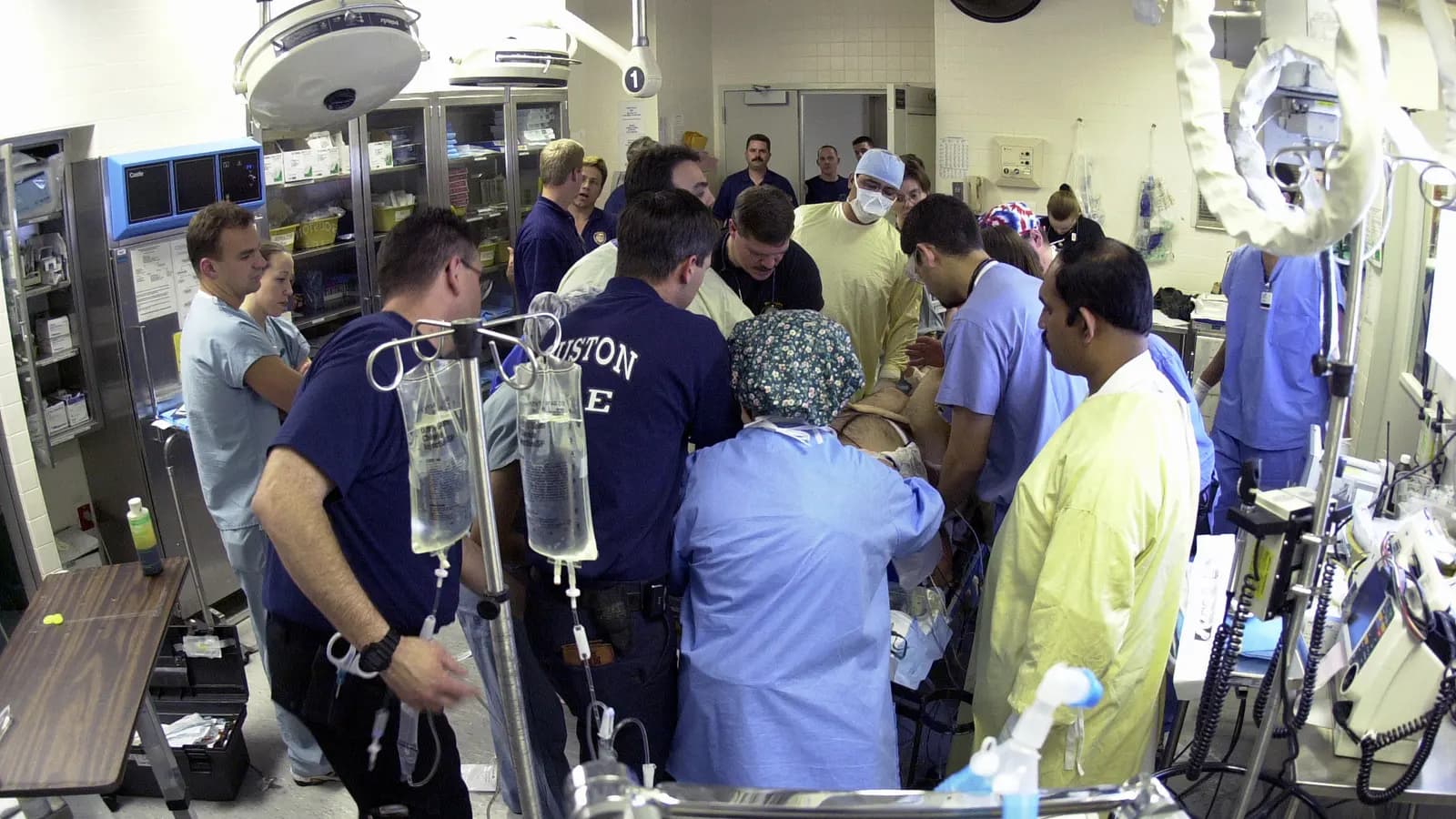 Physician associates and the scope-of-practice rowA two-year postgraduate role, a regulator that only took charge at the end of 2024, and a national review that told the job to change its name. This is the clearest live test of whether you understand what a scope of practice is for — and most candidates answer it as though it were an argument about one job title.Live, contested, and the fastest way to show you argue about systems rather than job titles.Read it
- 4 / 4
The core basics
The groundwork every other answer quietly assumes. Unglamorous, and the fastest way to lose marks if it is missing.
 How the NHS is actually structuredTrusts, ICBs, primary and secondary care, and four different health services that people keep calling one thing. This is the groundwork every other answer on this blog quietly assumes — and the fastest place to lose marks if it is missing.Trusts, ICBs, primary and secondary care. Every other answer on this page assumes it.Read it
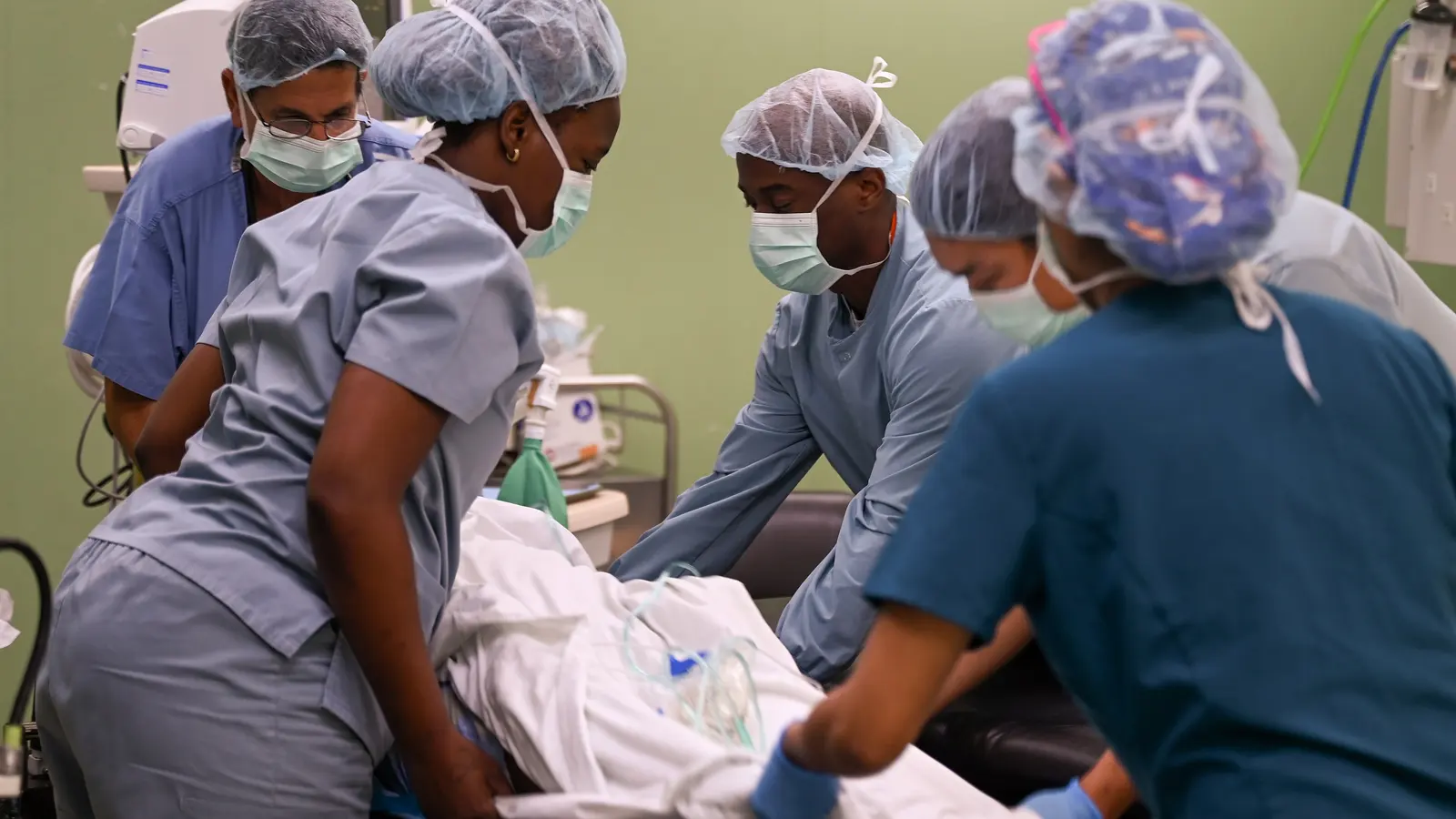 How a doctor is actually trained in the UKMedical school, two foundation years, then specialty training that runs for another three to eight. Almost every workforce answer you will give assumes this pathway, and candidates who have never laid it out end up arguing about a shortage without knowing where the queue forms.Fifteen years, and one competitive gate most candidates have never heard of. Workforce answers need it.Read it
- 1 / 4
Happening right now
The stories moving UK healthcare this month. If an interviewer opens with "have you been following the news", this is the material they mean.
 Dental deserts: the contract behind the NHS dentistry crisisNHS dentistry is the part of the health service people struggle hardest to reach, and the reason sits inside a payment formula almost nobody outside the profession has read. The 2006 contract buys care in Units of Dental Activity, and a course of treatment earns the same count whether it takes one filling or twelve. Here is how UDAs work, why they push complex care away, what the recovery plans changed, and how to argue all of it at a dental interview.The access crisis in the news, and the contract underneath it.Read it
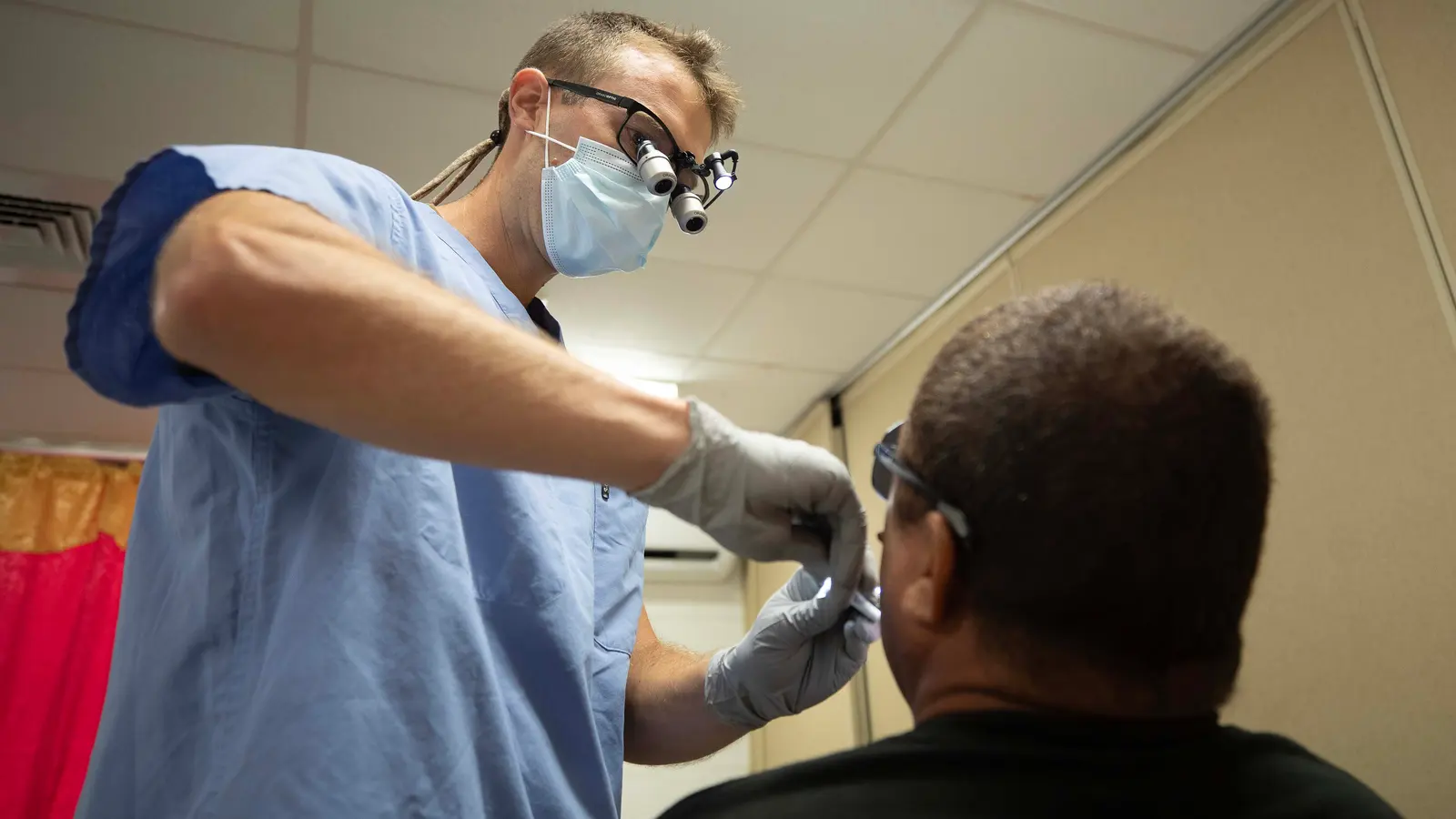 Mouth cancer is rising, and it is being caught too lateCases have climbed for two decades while survival has barely moved, because most are found late. The dentist is the only clinician who routinely looks inside a healthy mouth — which makes late diagnosis a story about access as much as about tobacco, alcohol and HPV.Incidence rising while five-year survival barely moves. The live story in oral medicine.Read it
- 2 / 4
Quick high-yield
Short on time? These are the highest return per minute — one sitting each, and each one answers a question panels ask most years.
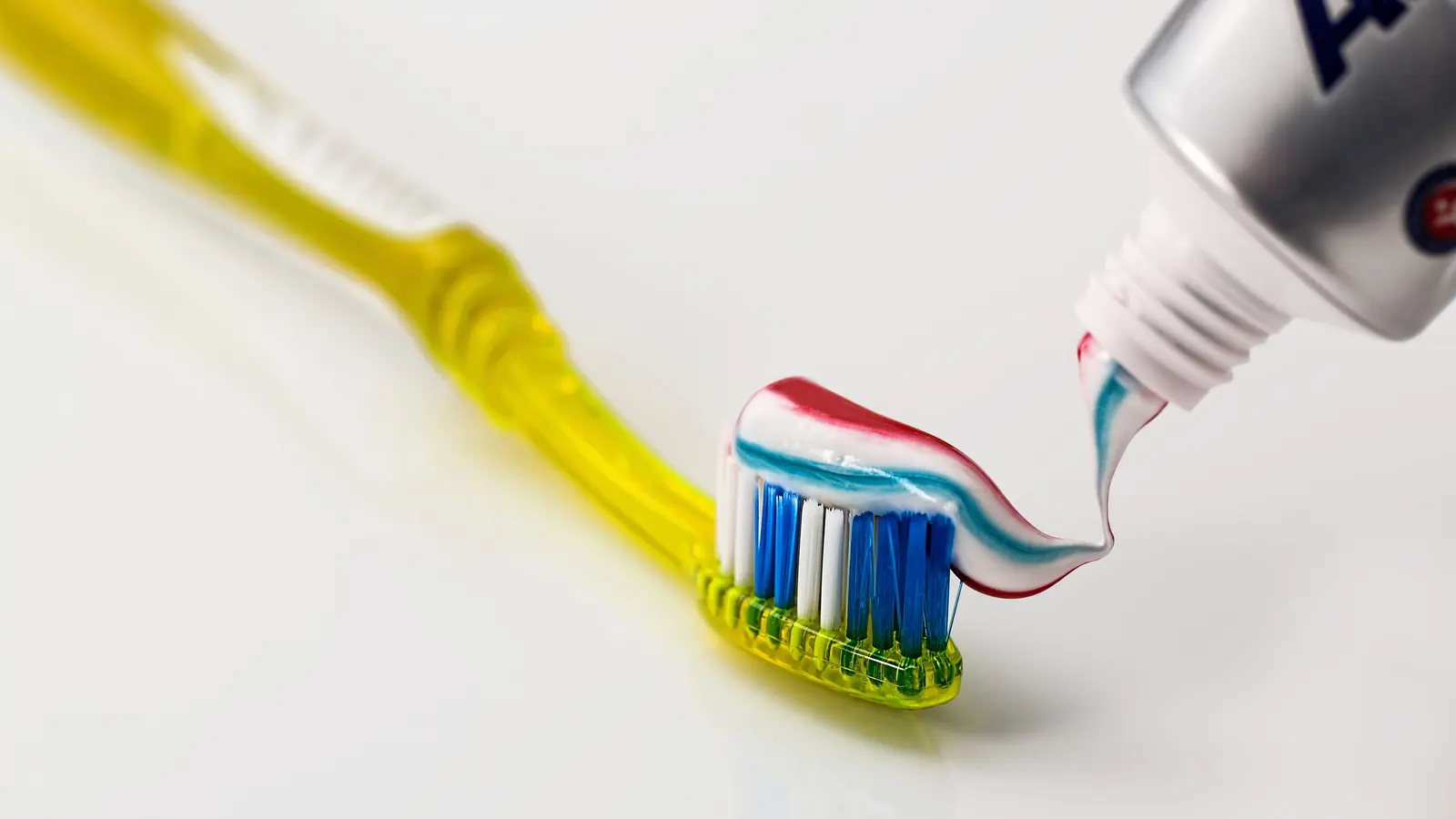 Children’s tooth decay: why extractions still fill hospital listsTooth extraction has for years been among the most common reasons young children in England are admitted to hospital, and the disease behind almost every one of those admissions is preventable. This is a story about sugar, deprivation, dental access and fear — and about which levers actually move a population. Here is the mechanism, the honest argument about parental responsibility, and how to use all of it in a dentistry or medicine interview.The single statistic every dental panel expects you to know, and what sits behind it.Read it
 Fluoride in the water: the ethics of prevention at scaleEngland’s fluoridation schemes reach only a minority of the country, and as of 2026 the government is consulting on extending them across the North East. The chemistry can be stated in a sentence; the ethics cannot. Here is what fluoride does to enamel, what the evidence shows now that fluoride toothpaste is universal, who decides in England after the Health and Care Act 2022, and how to argue autonomy against justice without picking a side too hard.A clean four-pillars case you can rehearse once and reuse in any ethics station.Read it
- 3 / 4
Go above and beyond
The harder ground. Candidates who can hold these calmly stop sounding rehearsed and start sounding like a colleague.
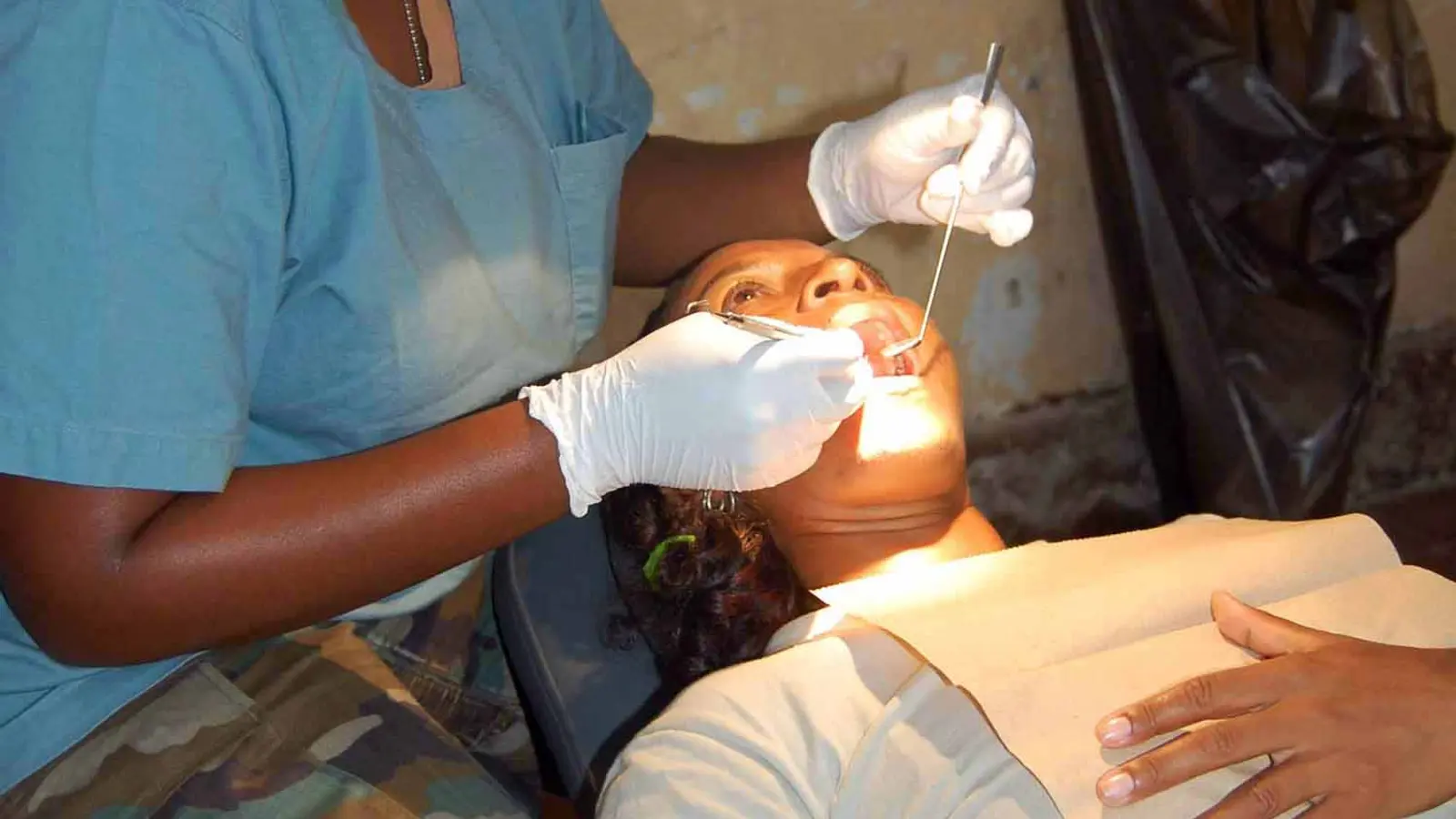 Skill mix and scope of practice: who does what in a dental teamAsk most dentistry applicants who works in a dental practice and you get "a dentist and a nurse". The General Dental Council registers seven titles, each with its own scope, and since 2013 direct access has let patients see a hygienist or therapist without seeing a dentist first. Here is who does what, why skill mix keeps being offered as part of the answer to the NHS access crisis, and how to argue it both ways at interview.Knowing the whole team, not just "dentist and nurse", is what separates a strong answer.Read it
 The sugar levy, and the ethics of taxing what people drinkThe Soft Drinks Industry Levy has been in force since 2018, it changed what is in the can before it changed what anyone paid, and the evidence on children’s teeth is now in. It is the cleanest four-pillars case in dentistry — and most candidates argue it as a tax when the interesting part is that it barely worked as one.A real policy with real results, and a four-pillars argument you can run in either direction.Read it
- 4 / 4
The core basics
The groundwork every other answer quietly assumes. Unglamorous, and the fastest way to lose marks if it is missing.
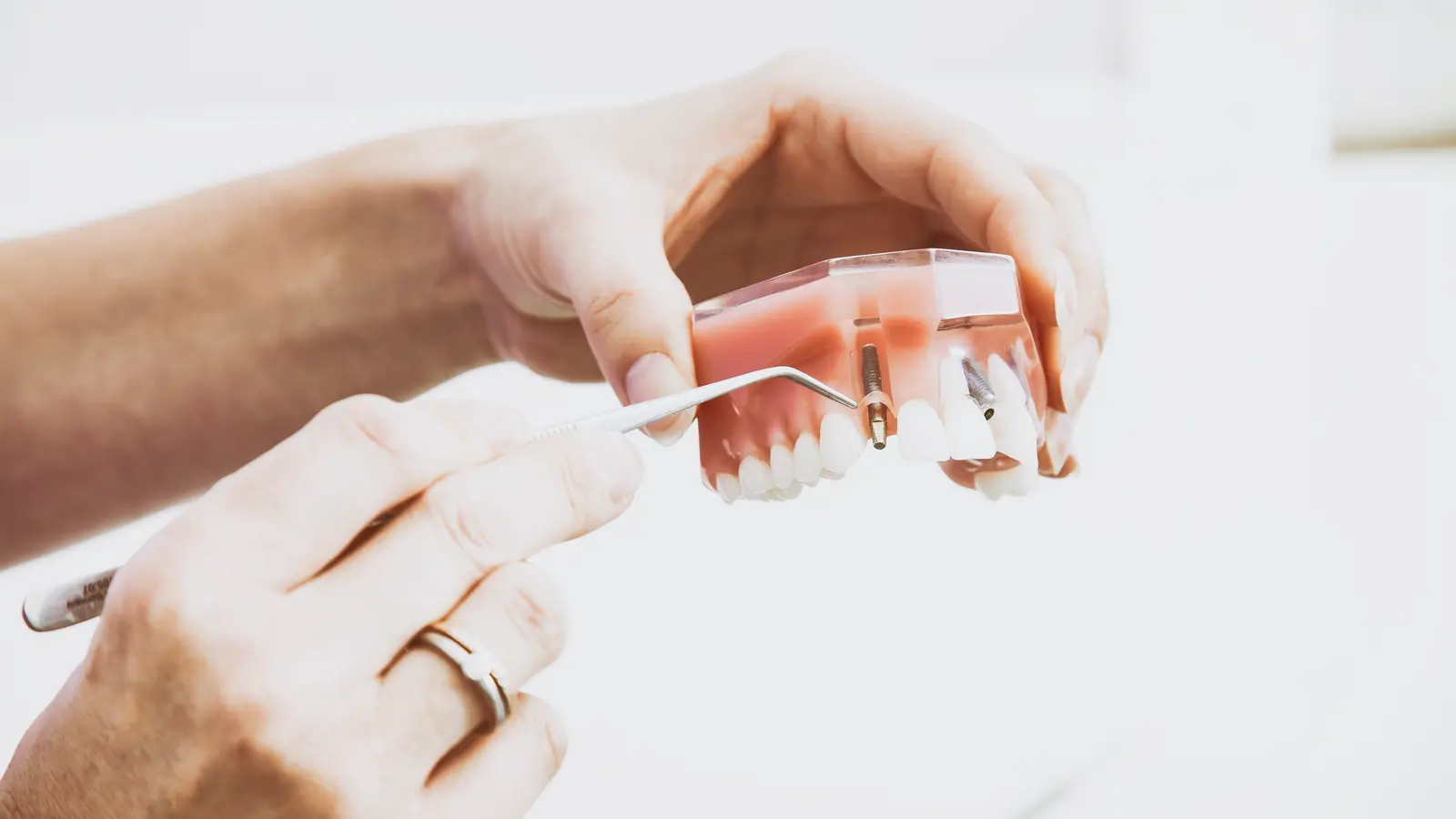 How a dentist is actually trained in the UKFive years to a degree, registration on the day you graduate, then a foundation year that decides whether you can treat NHS patients at all. Almost every dental workforce answer assumes this pathway, and candidates who cannot lay it out end up arguing about access without knowing who is allowed to provide it.BDS, foundation training, the performer list. The pathway every dental answer assumes.Read it
 How a tooth actually decaysNot rotting, not sugar burning a hole. A tooth loses mineral every time the pH at its surface drops and gains it back between attacks, and decay is simply what happens when the losses outrun the gains. Get that one mechanism straight and half the dentistry interview answers itself.Demineralisation, frequency, fluoride. If you get this wrong nothing above it holds.Read it
Fresh this week
The weekly briefing
Medical news, an ethics dilemma and interview tips, written for applicants every week of the season and reviewed by the NextGen MedPrep team. Read it here, or get it by email before it lands on the site.
- This Week in Medicine: Clinical Trial Reforms Slash Trial Set-Up Times | World Heart Day | Interview InsightsThis Week in Medicine: Clinical Trial Reforms Slash Trial Set-Up Times to Under 150 Days · Awareness Day Spotlight: World Heart Day (29 September) · Medical Ethics Corner: The Ethics of Fast-Track Regulatory Approval
- This Week: MHRA-NICE Aligned Pathway + World Sepsis Day AnalysisThis Week in Medicine: MHRA-NICE Aligned Pathway Cuts Medicine Access Time by Six Months · Awareness Day Spotlight: World Sepsis Day (13 September) · Medical Ethics Corner: The Ethics of Accelerated Drug Approvals
- This Week in Medicine: UK Clinical Trial Reforms Cut Approval Times in HalfThis Week in Medicine: UK Clinical Trial Reforms Cut Approval Times in Half · Awareness Day Spotlight: World Suicide Prevention Day (10 September) · Medical Ethics Corner: The Ethics of Fast-Track Drug Approvals
Free download
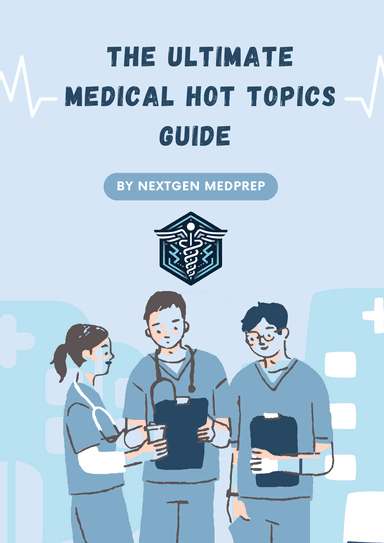
The Ultimate Medical Hot Topics Guide
The offline companion to the stories above: AI in healthcare, genetic medicine, personalised medicine, global and digital health, and the ethical dilemmas panels return to, with frameworks for discussing each one. Keep it for the train to your interview; read the stories here for what has changed since.
Get instant access to your free guide
Enter your email and your Ultimate Medical Hot Topics Guide downloads straight away. We also email you a link so you can download it again on any device.
Free weekly email
Want the week’s medical news in your inbox?
The healthcare stories worth knowing, an ethics dilemma and interview tips — written for United Kingdom applicants and sent every week of the season.
By signing up you agree to receive NextGenMedPrep’s free application newsletter: UCAT, personal statement and interview tips, plus key deadline reminders. Usually weekly; unsubscribe from any email.