
The NGMP Blog · New Zealand
New Zealand interview hot topics inmedicine, right now
The stories moving New Zealand healthcare this month — what actually changed, the mechanism underneath it, and how to use it when an interviewer asks. Health system, equity and workforce stories for medicine applicants.
- 1 / 4
Happening right now
The stories moving New Zealand healthcare this month. If an interviewer opens with "have you been following the news", this is the material they mean.
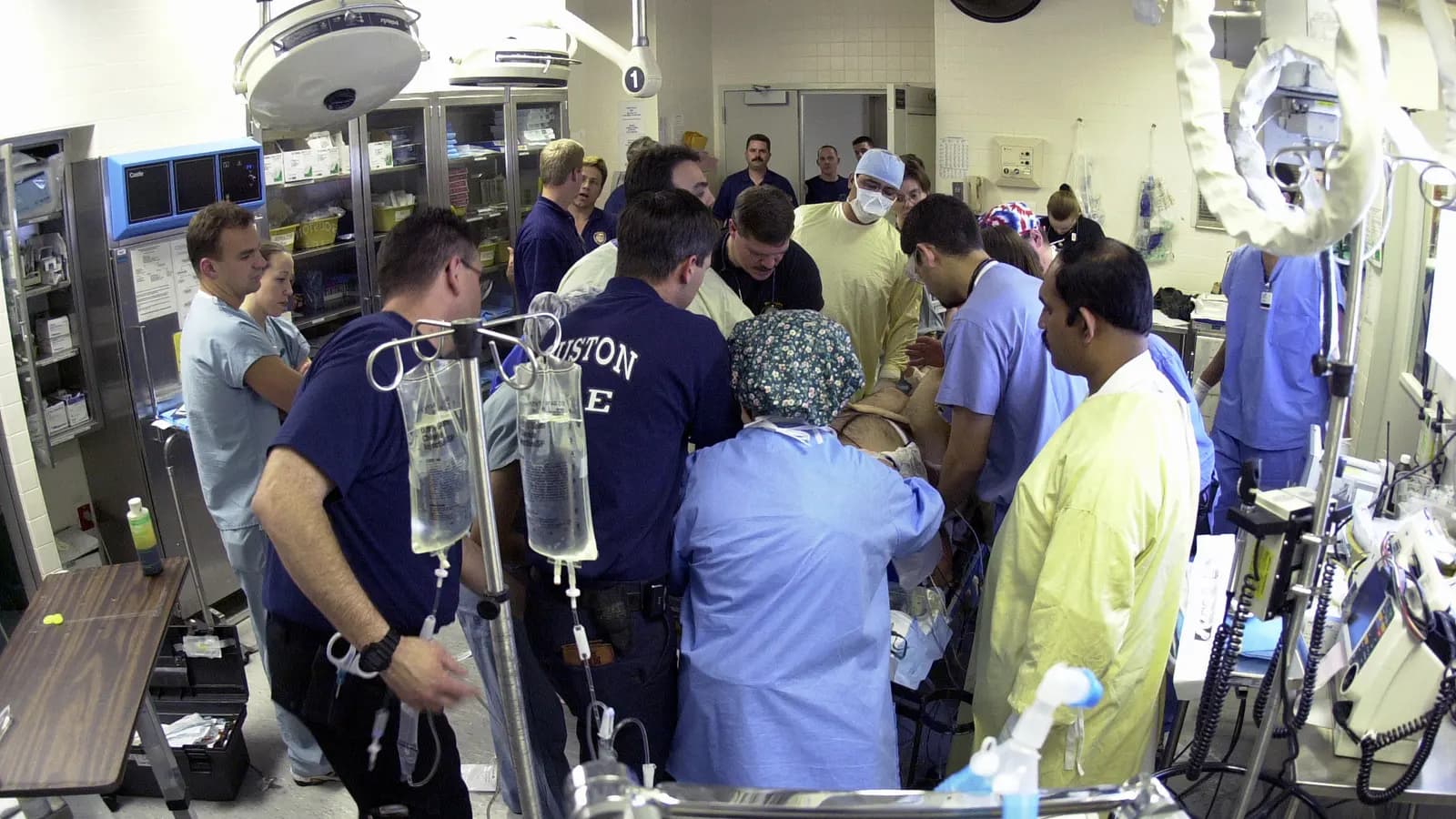 Twenty boards became one: Health NZ and the workforce squeezeIn 2022 New Zealand folded 20 district health boards into a single national organisation, Health New Zealand | Te Whatu Ora. Four years on, that organisation is still being rebuilt while the workforce it depends on drifts across the Tasman. Here is how the Pae Ora reform actually works, what the money and staffing pressures look like as of August 2026, and how to turn all of it into an interview answer that sounds like judgement rather than a news bulletin.The biggest restructure in a generation, and the workforce pressure underneath it.Read it
 The GP shortage, and what happens after hoursPractices closed to new patients, a workforce approaching retirement faster than it is being replaced, and an emergency department that is free when a doctor’s appointment is not. General practice is the front door of the New Zealand health system, and the front door is jammed.Closed books and after-hours gaps — the access story every NZ panel has read about.Read it
- 2 / 4
Quick high-yield
Short on time? These are the highest return per minute — one sitting each, and each one answers a question panels ask most years.
 Pharmac explained: how New Zealand decides which medicines to fundOne agency, one fixed budget, and a public list of everything it has decided not to pay for. Pharmac is the drug-funding model the rest of the world argues about, it is the reason New Zealand pays some of the lowest medicine prices anywhere, and it is the reason a patient can read that a treatment exists and be told it is not funded here.The drug-funding model the whole world argues about, and it is yours to explain.Read it
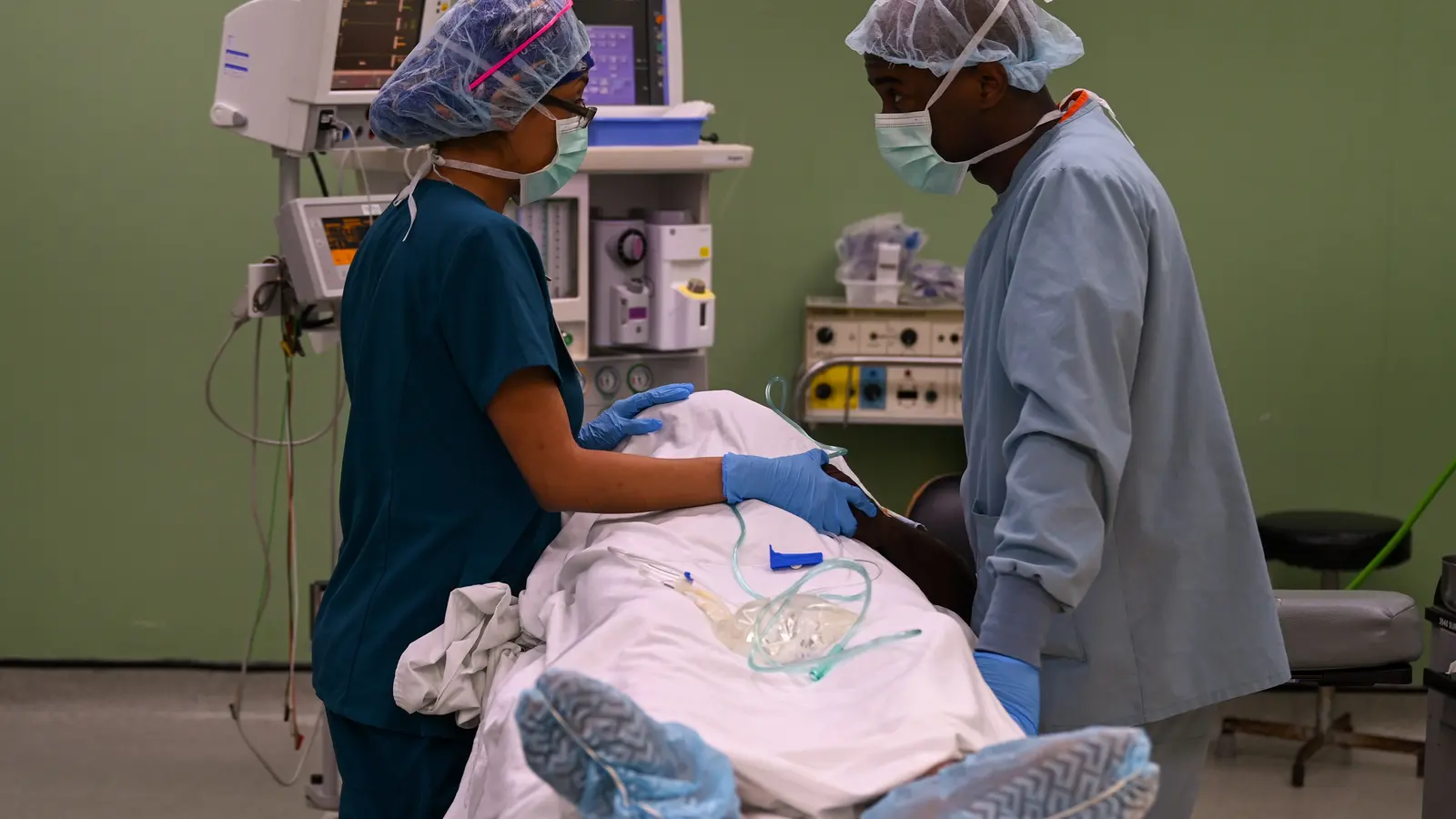 ACC: the bargain no other country madeNew Zealanders cannot sue for personal injury. In exchange, a state scheme pays for treatment, rehabilitation and lost earnings for any injury from any cause, regardless of fault. It is the single most distinctive feature of the health system, it shapes the entire medico-legal culture, and most candidates cannot explain the trade-off at its centre.No-fault injury cover found nowhere else. One scheme, and it changes every answer.Read it
- 3 / 4
Go above and beyond
The harder ground. Candidates who can hold these calmly stop sounding rehearsed and start sounding like a colleague.
 Māori health equity, and the short life of Te Aka Whai OraA seven-year gap in life expectancy, a Waitangi Tribunal finding that the Crown had breached the Treaty in primary care, a Māori Health Authority created in 2022 and abolished in 2024. Handled carefully, this is the clearest test of whether you understand equity in this system — and most candidates handle it as a party-political question, which is the one thing a panel does not want.Handled carefully, the clearest test of whether you understand equity in this system.Read it
 Rheumatic fever: a disease of poverty New Zealand has not solvedA sore throat, untreated, in a crowded house. Weeks later the heart valves are damaged for life. Rheumatic fever has all but vanished from comparable countries and has not from this one, and it falls almost entirely on Māori and Pacific children. It is the single sharpest indictment available in New Zealand health.A disease of housing and access that most high-income countries no longer see.Read it
- 4 / 4
The core basics
The groundwork every other answer quietly assumes. Unglamorous, and the fastest way to lose marks if it is missing.
 How the New Zealand health system actually worksOne national provider since 2022, a no-fault accident scheme found nowhere else, GP visits that cost money and hospitals that do not, and a single agency deciding which medicines to buy. Four different things that people keep calling one system. This is the groundwork every other answer on this blog quietly assumes.Te Whatu Ora, ACC, PHOs and Pharmac. The groundwork every other answer assumes.Read it
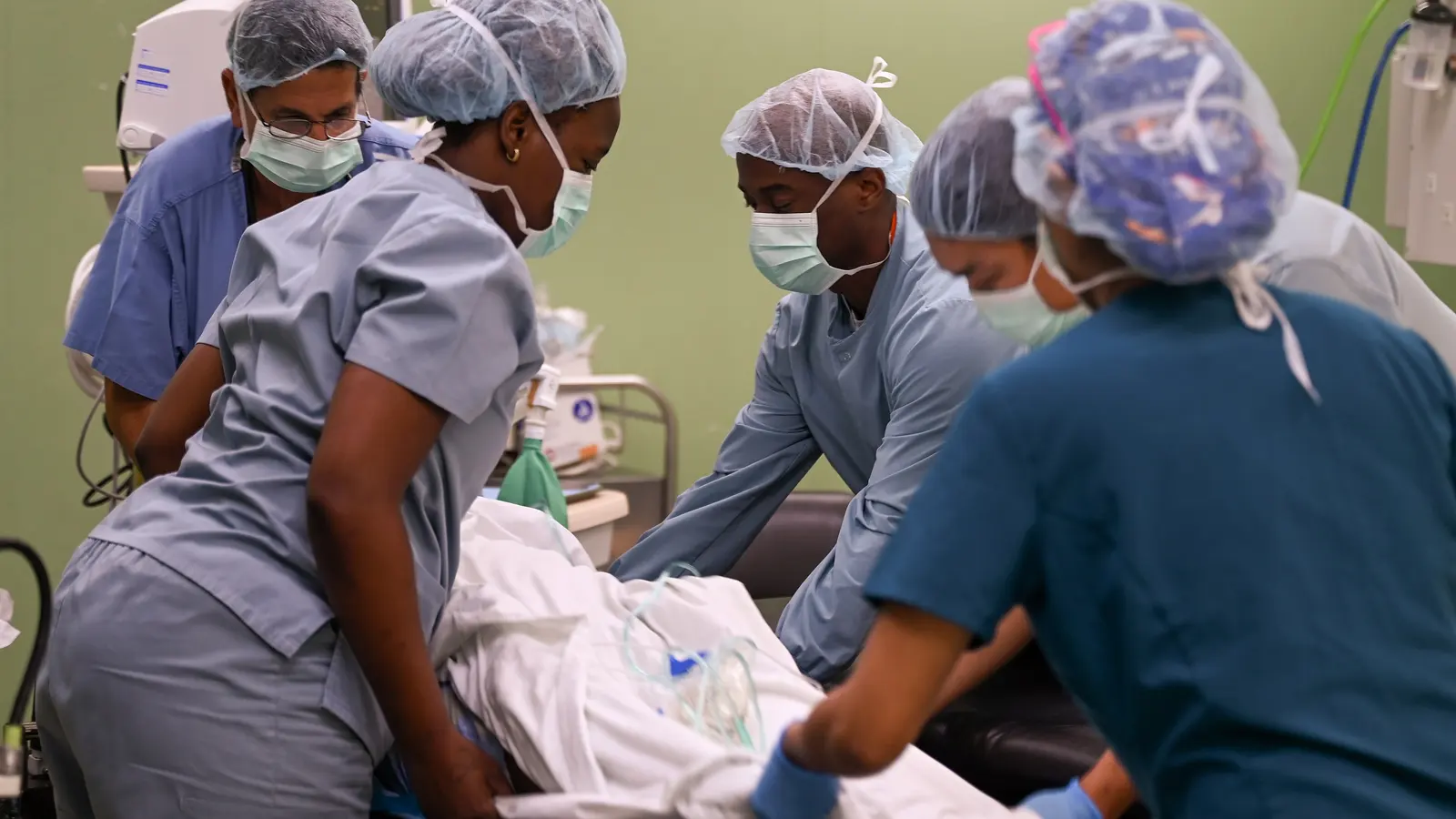 How a doctor is actually trained in New ZealandTwo medical schools, a competitive first year that decides everything, a paid intern year that converts provisional registration into general, then college training that runs another three to seven. Almost every workforce answer assumes this pathway, and candidates who cannot lay it out argue about shortages without knowing where the queue forms.Health Sciences First Year, PGY1, vocational scope. The pathway workforce answers need.Read it
- 1 / 4
Happening right now
The stories moving New Zealand healthcare this month. If an interviewer opens with "have you been following the news", this is the material they mean.
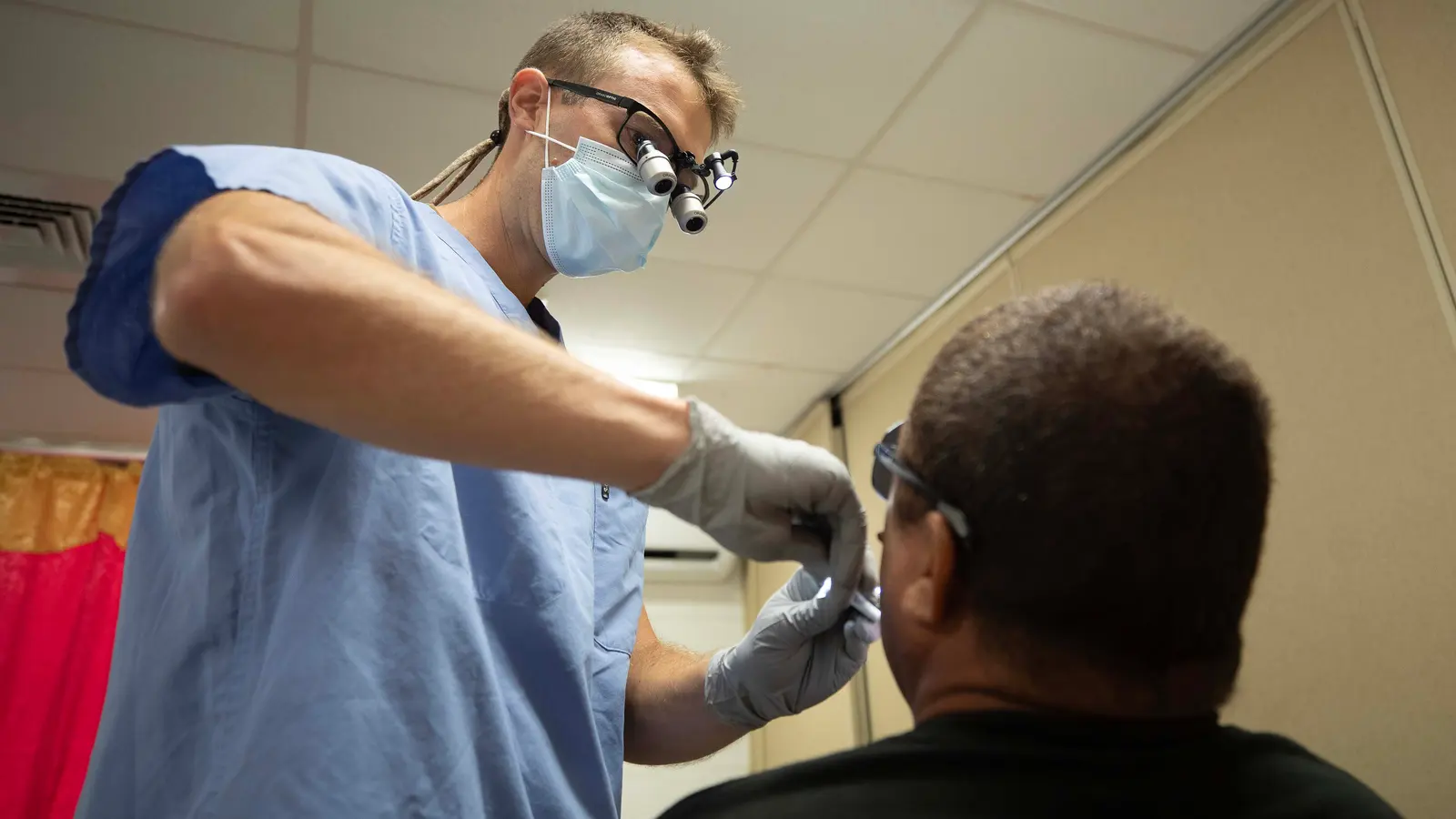 The cost of the dentist, and the cliff at eighteenBasic dental care is free until your eighteenth birthday, and then almost nothing is. New Zealand adults skip the dentist because of cost at some of the highest rates in the developed world, every election brings a promise to fix it, and none has. It is the live access story dental panels reach for first.Free until 18, then among the least affordable anywhere. The live access story.Read it
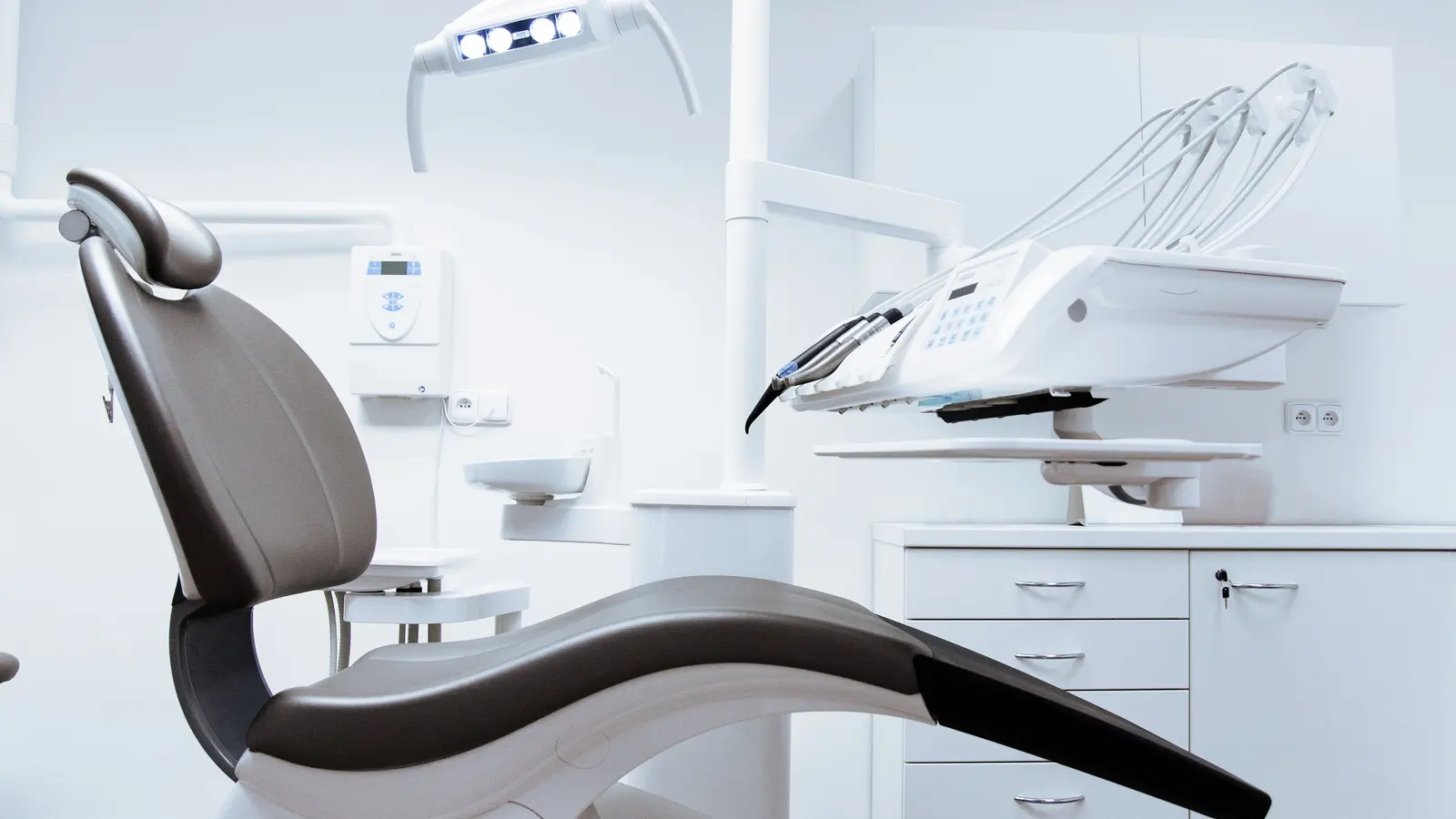 Not enough hands: the oral health workforce shortageOne dental school for the whole country, a community service losing therapists faster than it can replace them, and private practices that pay more than the public system ever will. The child dental service New Zealand invented is now short of the people who staff it — and children wait.A free child service that cannot recruit the therapists who deliver it.Read it
- 2 / 4
Quick high-yield
Short on time? These are the highest return per minute — one sitting each, and each one answers a question panels ask most years.
 Fluoridation in New Zealand: from council votes to a Director-General’s directionFor seventy years every fluoridation decision in New Zealand was made by a local council, argued town by town and reversed by referendum. In 2021 Parliament moved the power to the Director-General of Health, and in 2022 the first directions went out. It is a clean four-pillars case with a legislative twist no other country has — and most candidates argue it as if the councils still decided.A clean ethics case with a legislative twist that is unique to New Zealand.Read it
 The country that never taxed sugarNew Zealand looked at a sugary drinks tax, commissioned the evidence, and did not do it. Meanwhile thousands of children a year have teeth removed under general anaesthetic. It is a clean case study in why good evidence is not the same as policy.The levy that never happened, and the general anaesthetic lists that followed.Read it
- 3 / 4
Go above and beyond
The harder ground. Candidates who can hold these calmly stop sounding rehearsed and start sounding like a colleague.
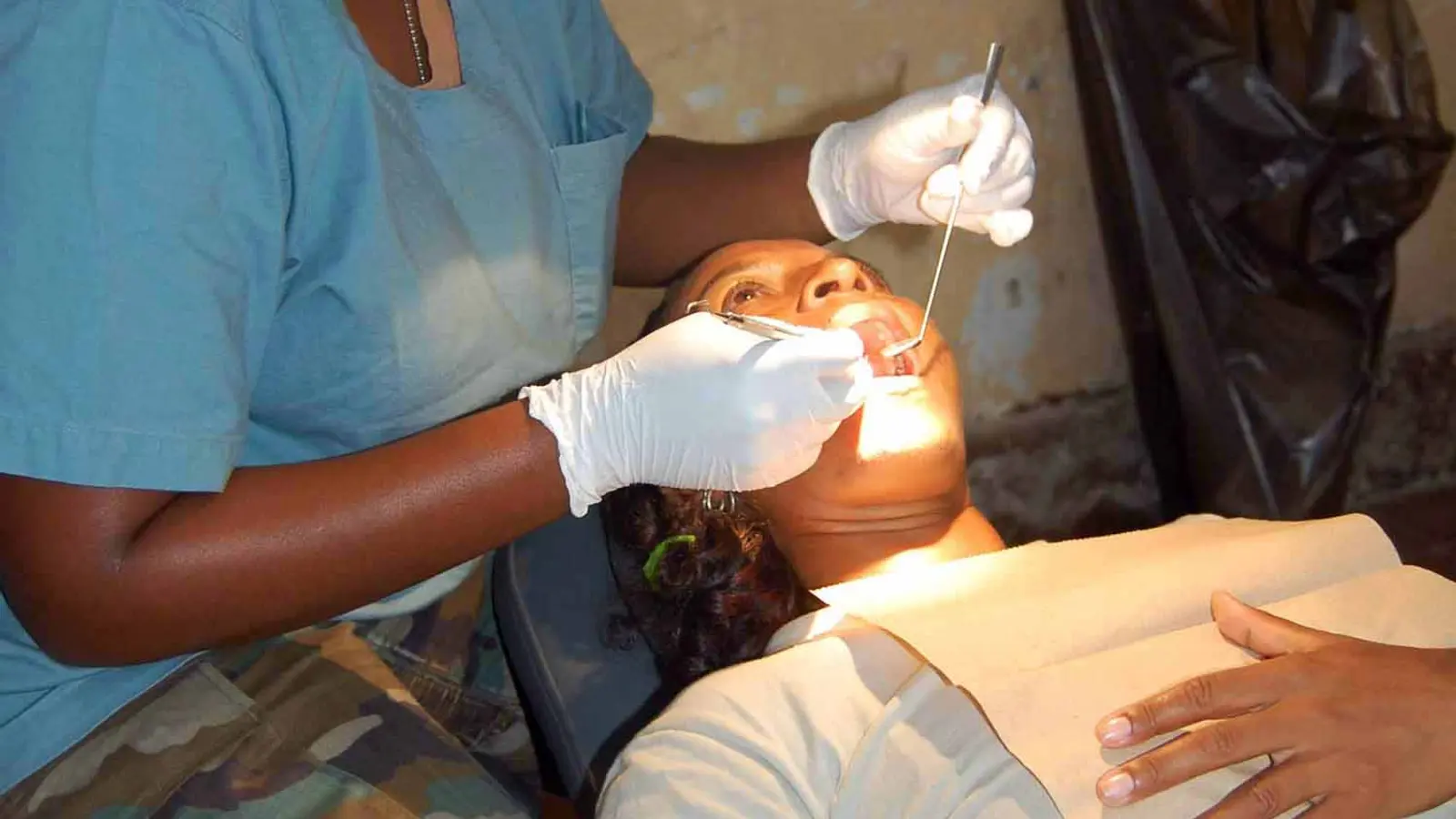 The school dental service: a century of child teeth, and what it still teachesIn 1921 New Zealand invented the school dental nurse, sent her into every primary school in the country, and exported the model to fifty nations. A century on, the Community Oral Health Service is its descendant, the equity gap it was built to close is still open, and no other topic lets a candidate show history, skill mix and justice in one answer.New Zealand invented the school dental nurse. History that upgrades any equity answer.Read it
 The gap that starts before schoolBy the time a child reaches five, the difference in their teeth already tracks their ethnicity and their postcode. New Zealand has a universal free child dental service and one of the widest oral health gaps in the developed world. Both of those things are true, and a dental panel wants to know why.A gap measurable at five, in a country with universal free care until eighteen.Read it
- 4 / 4
The core basics
The groundwork every other answer quietly assumes. Unglamorous, and the fastest way to lose marks if it is missing.
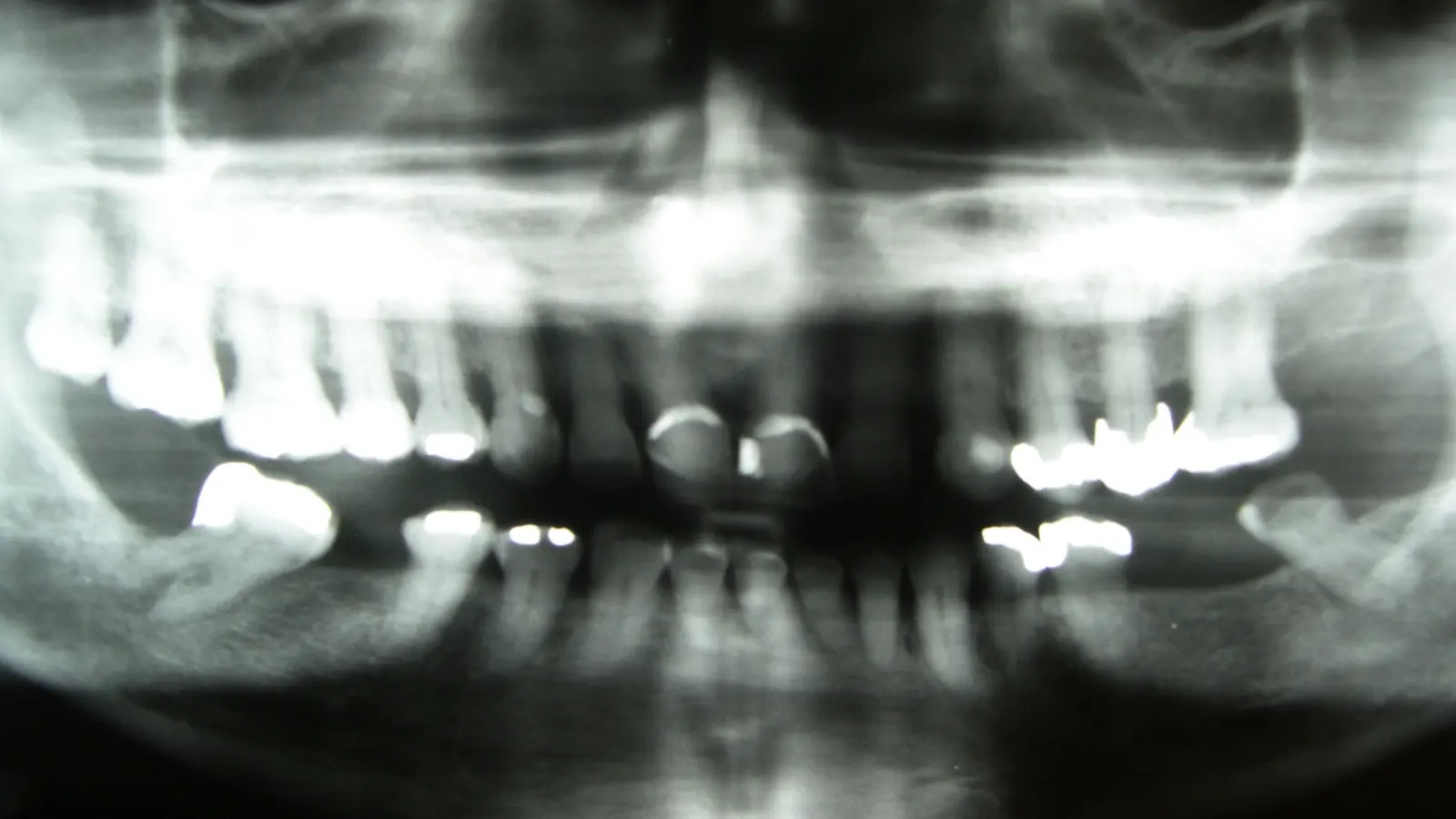 How dental care actually works in New ZealandFree until eighteen, private after, one dental school in the country, a no-fault scheme that pays for a broken tooth but not a decayed one, and a Dental Council that registers every provider. Almost every dental answer you will give assumes this map, and candidates who have never drawn it end up arguing about access without knowing who provides it.Who pays, who trains, who misses out. The map behind every dental answer.Read it
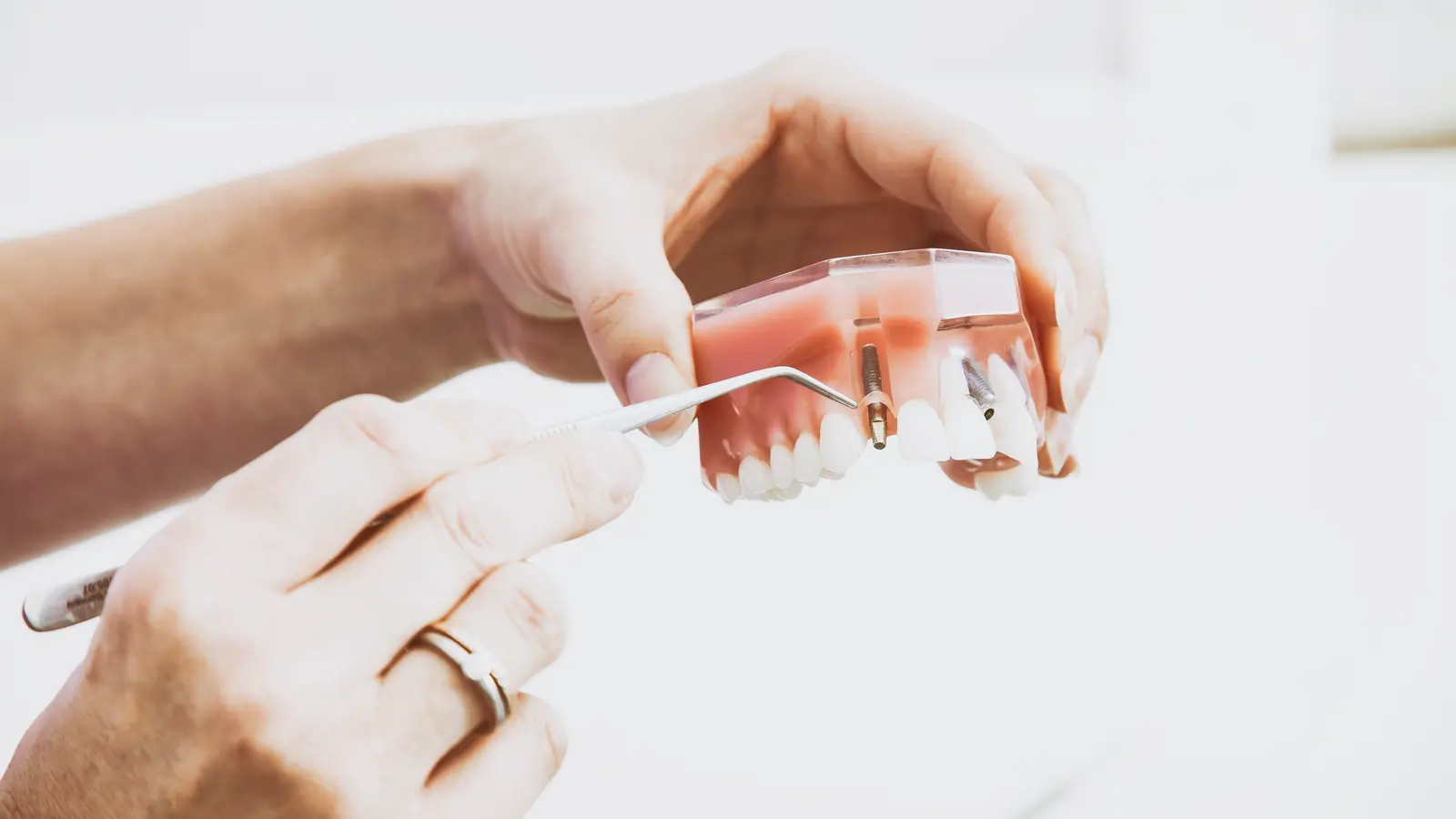 How a dentist is trained in New ZealandOne school, one shared first year, and a five-year degree that puts you in a patient’s mouth long before you graduate. Then registration, and a private profession with no foundation year to catch you. Here is the whole path, in order.One school, one shared first year, and no foundation year to catch you afterwards.Read it
Free weekly email
Want the week’s medical news in your inbox?
The healthcare stories worth knowing, an ethics dilemma and interview tips — written for New Zealand applicants and sent every week of the season.
By signing up you agree to receive NextGenMedPrep’s free application newsletter: UCAT, personal statement and interview tips, plus key deadline reminders. Usually weekly; unsubscribe from any email.