
The NGMP Blog · Australia
Australian interview hot topics inmedicine, right now
The stories moving Australian healthcare this month — what actually changed, the mechanism underneath it, and how to use it when an interviewer asks. Medicare, ethics and workforce stories for medicine applicants.
- 1 / 4
Happening right now
The stories moving Australian healthcare this month. If an interviewer opens with "have you been following the news", this is the material they mean.
 The gap fee: what bulk billing’s decline says about MedicareBulk billing was never an obligation — it is a decision a practice makes, consult by consult, and through the early 2020s fewer practices kept making it. The government tripled the bulk-billing incentive from November 2023 and, from 1 November 2025, extended it to every Medicare-eligible patient. Here is how a Medicare rebate is built, why general practice struggles to attract graduates, and how to turn the story into an interview answer that sounds like judgement.The access crisis in the news, and the payment mechanism underneath it.Read it
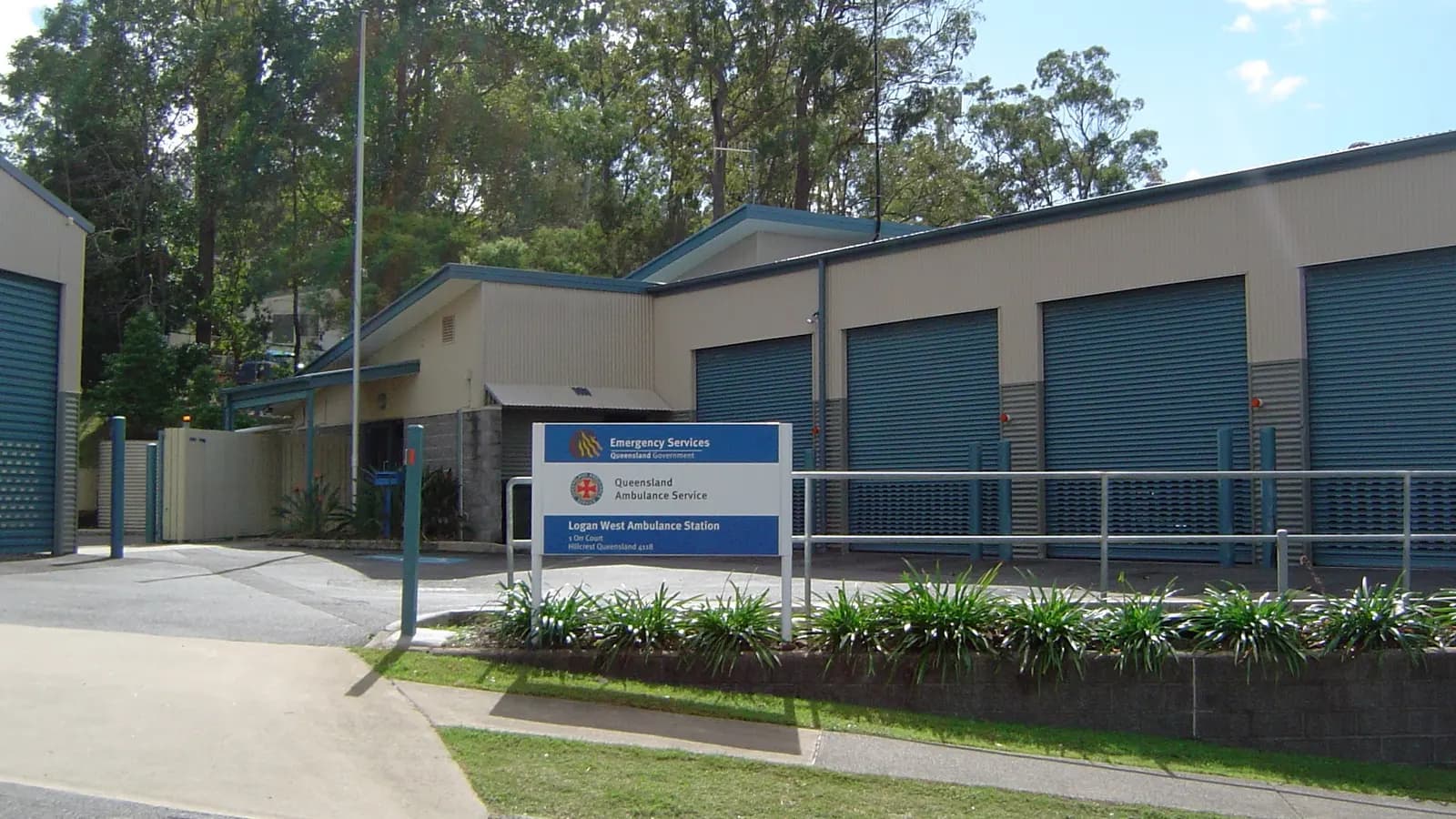 Ramping: why ambulances queue outside the emergency departmentParamedics waiting hours in a hospital corridor with a patient on a stretcher has become the defining image of Australian health politics. It looks like an emergency department problem and it almost never is — which is exactly why it is such a good test of whether a candidate can trace a symptom to its cause.Crews queueing outside emergency departments — the most visible symptom in the news.Read it
- 2 / 4
Quick high-yield
Short on time? These are the highest return per minute — one sitting each, and each one answers a question panels ask most years.
 The PBS: how Australia decides what a medicine costsA patient pays the same capped amount for a script whether the medicine costs the government thirty dollars or thirty thousand. The Pharmaceutical Benefits Scheme is the oldest universal drug subsidy in the world, it runs on a committee most applicants have never heard of, and one listing decision teaches the whole funding mechanism.One scheme that explains why a script costs what it does. High yield everywhere.Read it
 The rural doctor shortage, and the schemes built to fix itAustralians outside the major cities die younger, wait longer and see fewer doctors per head, and the country has spent four decades building schemes to move medical graduates into those communities. Bonded places, rural clinical schools, remoteness loadings — knowing what has and has not worked is the difference between an opinion and an argument.Why doctors cluster in cities, and why more graduates has not fixed it.Read it
- 3 / 4
Go above and beyond
The harder ground. Candidates who can hold these calmly stop sounding rehearsed and start sounding like a colleague.
 Voluntary assisted dying: law in every state, and what that asks of youVictoria went first in 2019 and New South Wales last in 2023; the ACT scheme commenced in late 2025 and the Northern Territory has been legislating. Australia now has the most complete set of assisted dying laws in the world, and a medicine panel will not ask whether you approve. It will ask whether you understand what the law requires of a doctor who does not.Law in every state, live in the territories. The ethics story panels reach for first.Read it
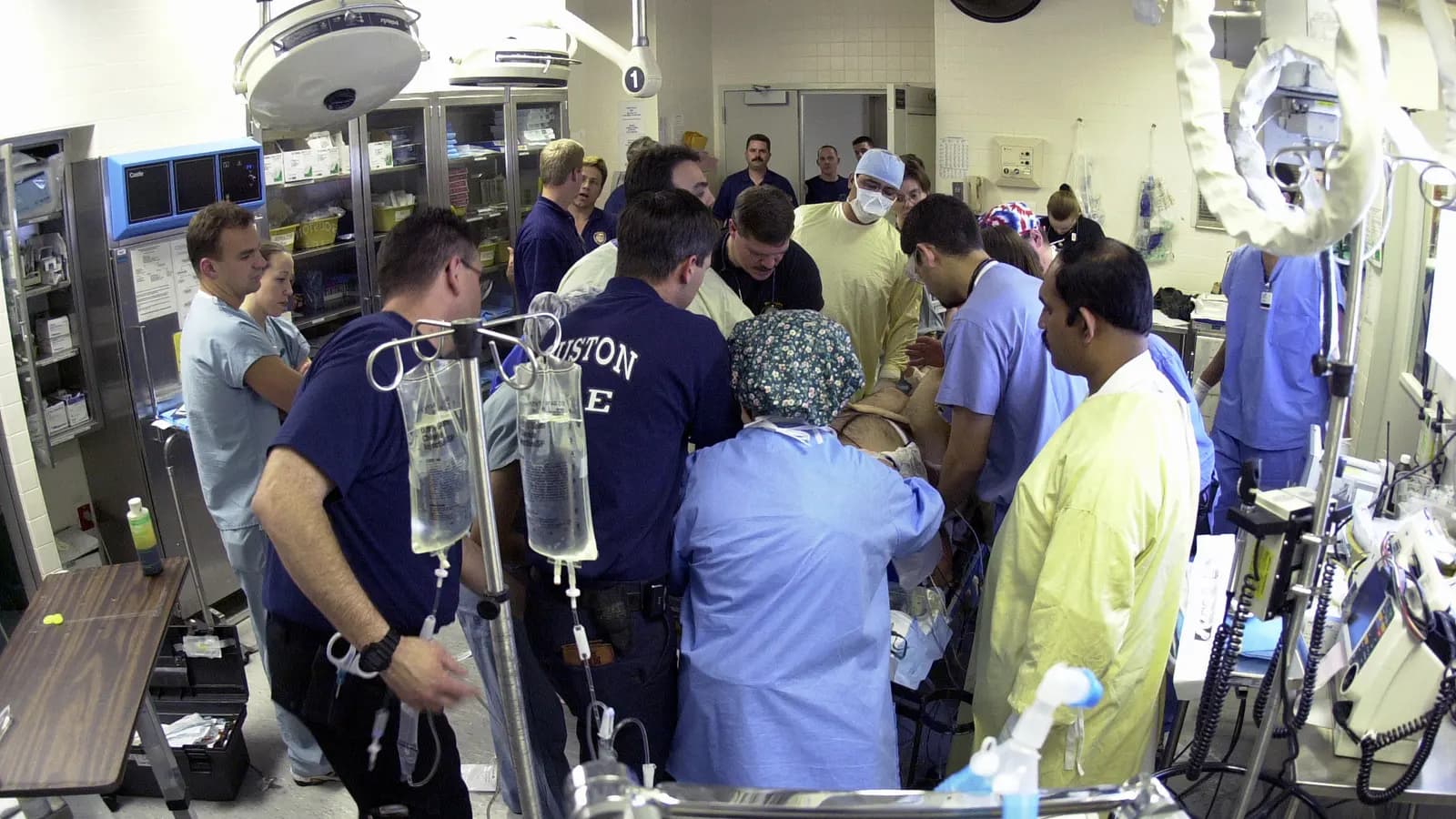 Closing the Gap, and what it asks of a doctorA life expectancy gap of around eight years, a national agreement with nineteen targets, and most of them not on track. Handled carefully this is the clearest test of whether you understand equity in Australian healthcare — and most candidates handle it as a list of statistics, which is the one thing a panel does not want.The life expectancy gap, ACCHOs and cultural safety. Handled carefully, it stands out.Read it
- 4 / 4
The core basics
The groundwork every other answer quietly assumes. Unglamorous, and the fastest way to lose marks if it is missing.
 How Australian healthcare is actually structuredMedicare pays the doctor, the states run the hospitals, the Commonwealth funds the medicines, and half the country carries private cover on top. Four different things that people keep calling one system. This is the groundwork every other answer on this blog quietly assumes — and the fastest place to lose marks if it is missing.Medicare, the states, private cover. The groundwork every other answer assumes.Read it
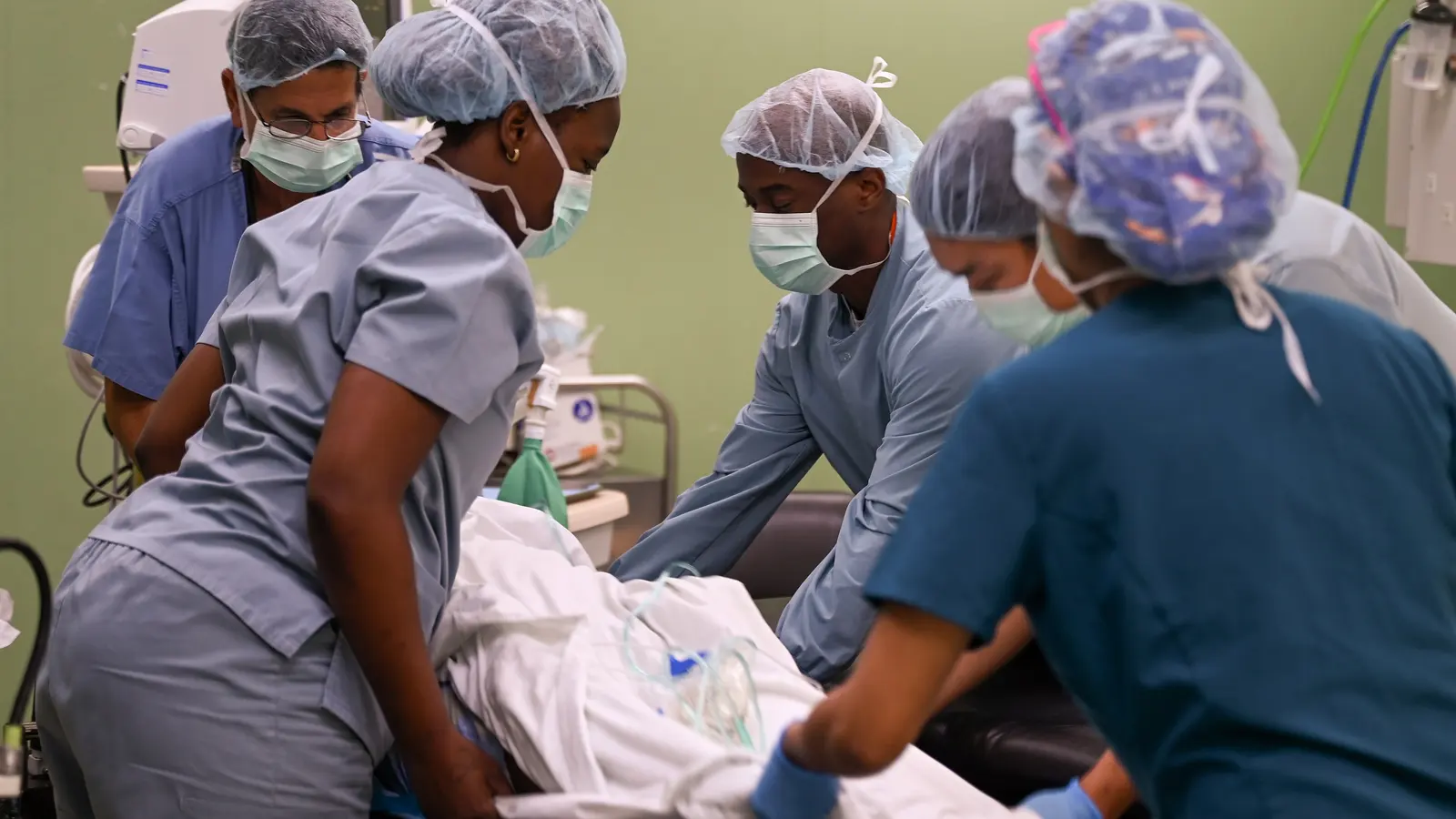 How a doctor is actually trained in AustraliaA medical degree, a paid internship that converts provisional registration into general registration, then college training that runs another three to seven years. Almost every workforce answer assumes this pathway, and candidates who cannot lay it out end up arguing about shortages without knowing where the queue forms.Undergraduate and graduate entry, internship, college training. The route underneath it all.Read it
- 1 / 4
Happening right now
The stories moving Australian healthcare this month. If an interviewer opens with "have you been following the news", this is the material they mean.
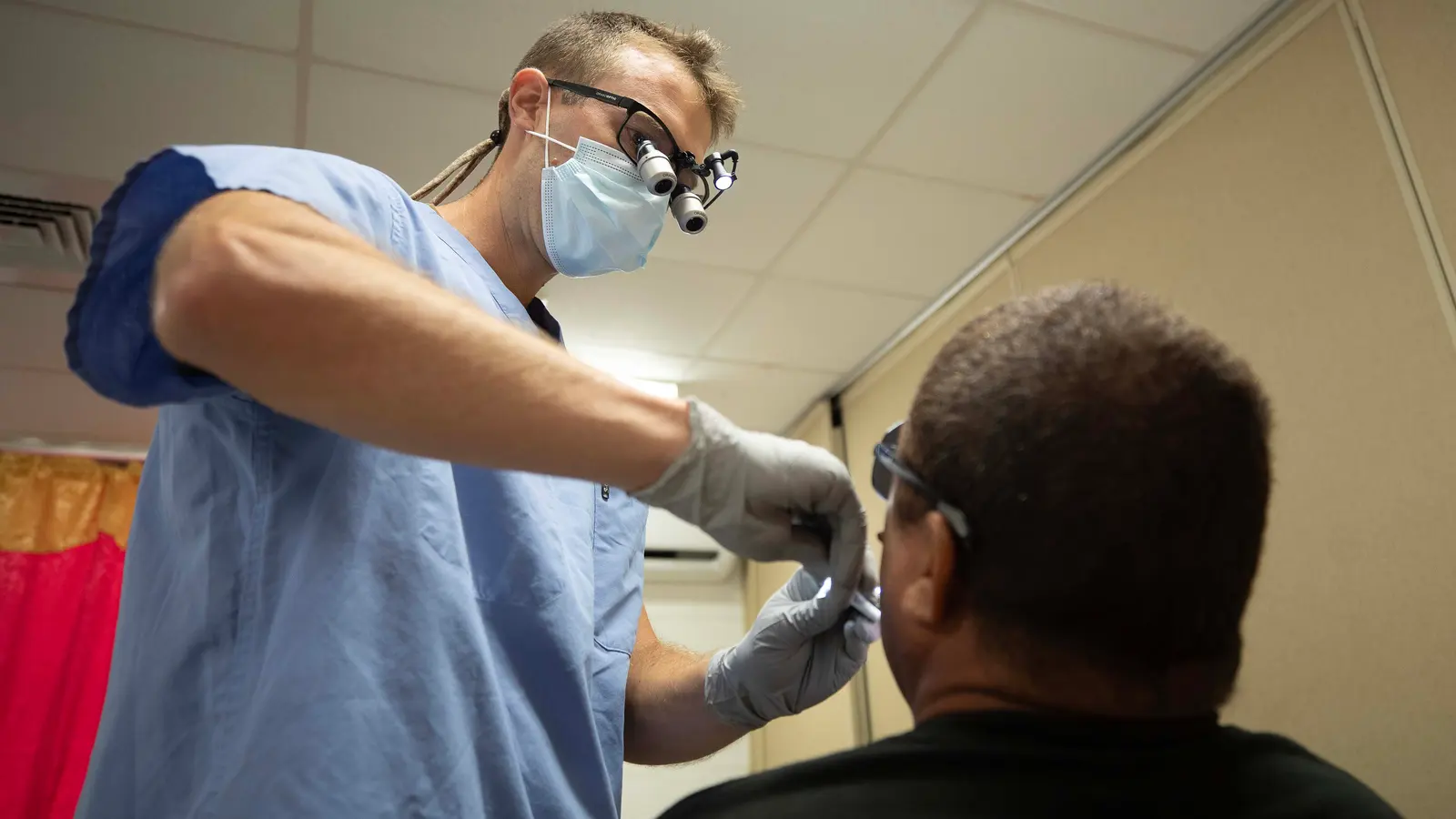 Why dental is not in Medicare, and the push to change thatAustralia built universal health cover and left the mouth out. Forty years on, millions delay dental care because of cost, a Senate inquiry has recommended bringing dentistry into Medicare, and the argument about how to pay for it is live in every election. It is the access story dental panels reach for first.The gap in universal coverage, and the live argument about closing it.Read it
 Rural and remote dental access: the map problemDentists cluster in capital cities at several times the rate they practise in remote Australia, and the further out you go the worse the teeth get. It is the same maldistribution as the medical workforce with none of the schemes built to fix it — no bonded places, no national rural pathway, and a service that is mostly private anyway.No dentist for hundreds of kilometres, and a fly-in service that cannot cover it.Read it
- 2 / 4
Quick high-yield
Short on time? These are the highest return per minute — one sitting each, and each one answers a question panels ask most years.
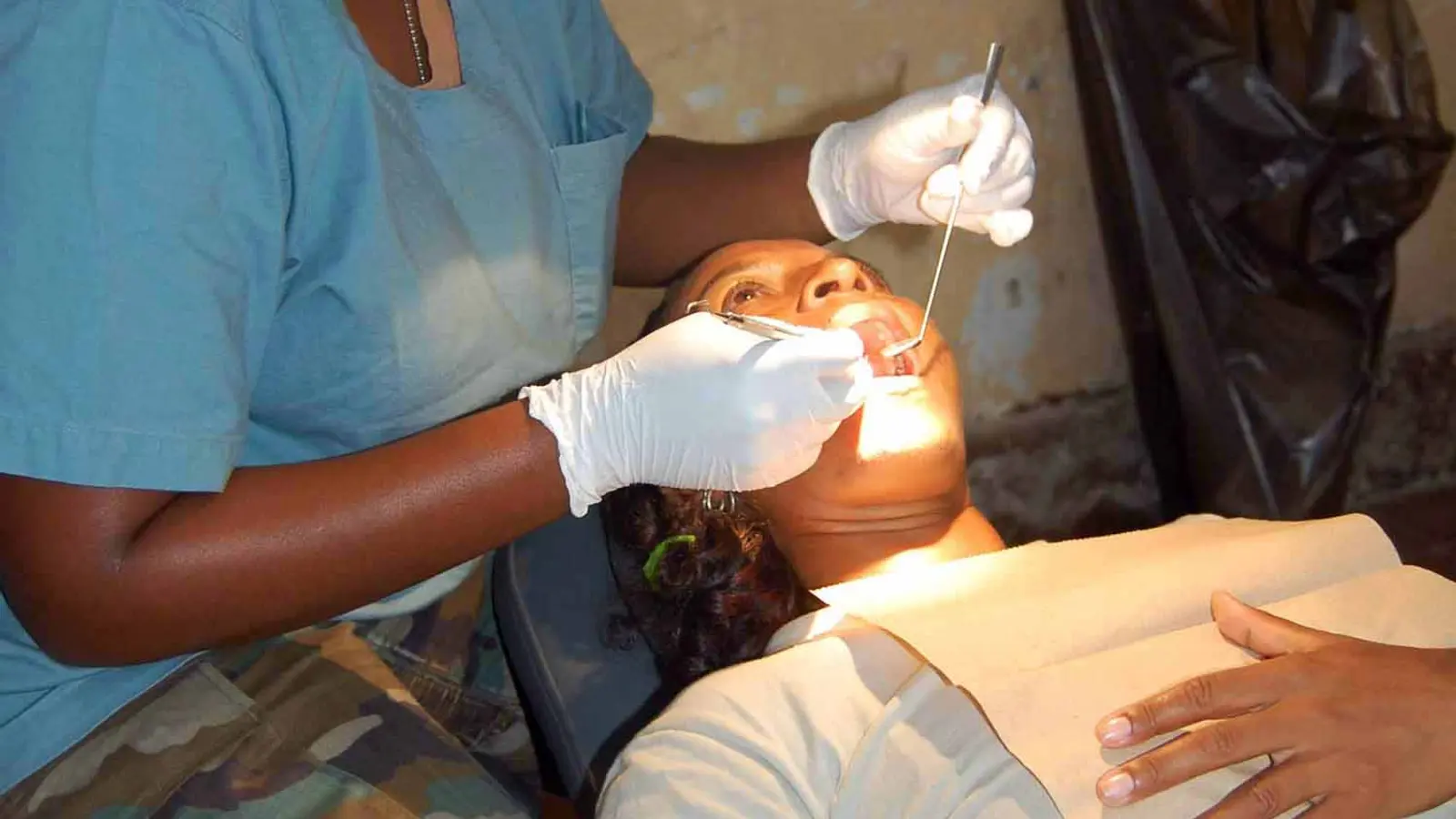 The Child Dental Benefits Schedule: the benefit most families never useMedicare pays for basic dental care for around three million eligible children, and most of them never claim it. The Child Dental Benefits Schedule is the one place teeth got into universal cover, and its take-up rate is the single statistic every dental panel expects you to know — and to explain.A funded scheme most eligible families never use. One statistic, many questions.Read it
 Why Australia has no sugar levy, when most of the world doesMore than a hundred jurisdictions tax sugary drinks. Australia, whose dental and obesity organisations have called for one for a decade, does not. The reasons are a better answer than the policy itself — and they are the reasons most public health measures fail.The evidence said yes and the policy said no. A clean case in prevention politics.Read it
- 3 / 4
Go above and beyond
The harder ground. Candidates who can hold these calmly stop sounding rehearsed and start sounding like a colleague.
 Fluoridation and the Queensland exceptionNearly every Australian on a town supply drinks fluoridated water. Queensland handed the decision to its councils in 2012, dozens switched it off, and the state has run a natural experiment in child decay ever since. It is the cleanest four-pillars case in Australian dentistry, and most candidates argue it without knowing the experiment exists.One state handed the decision to councils. A natural experiment panels love.Read it
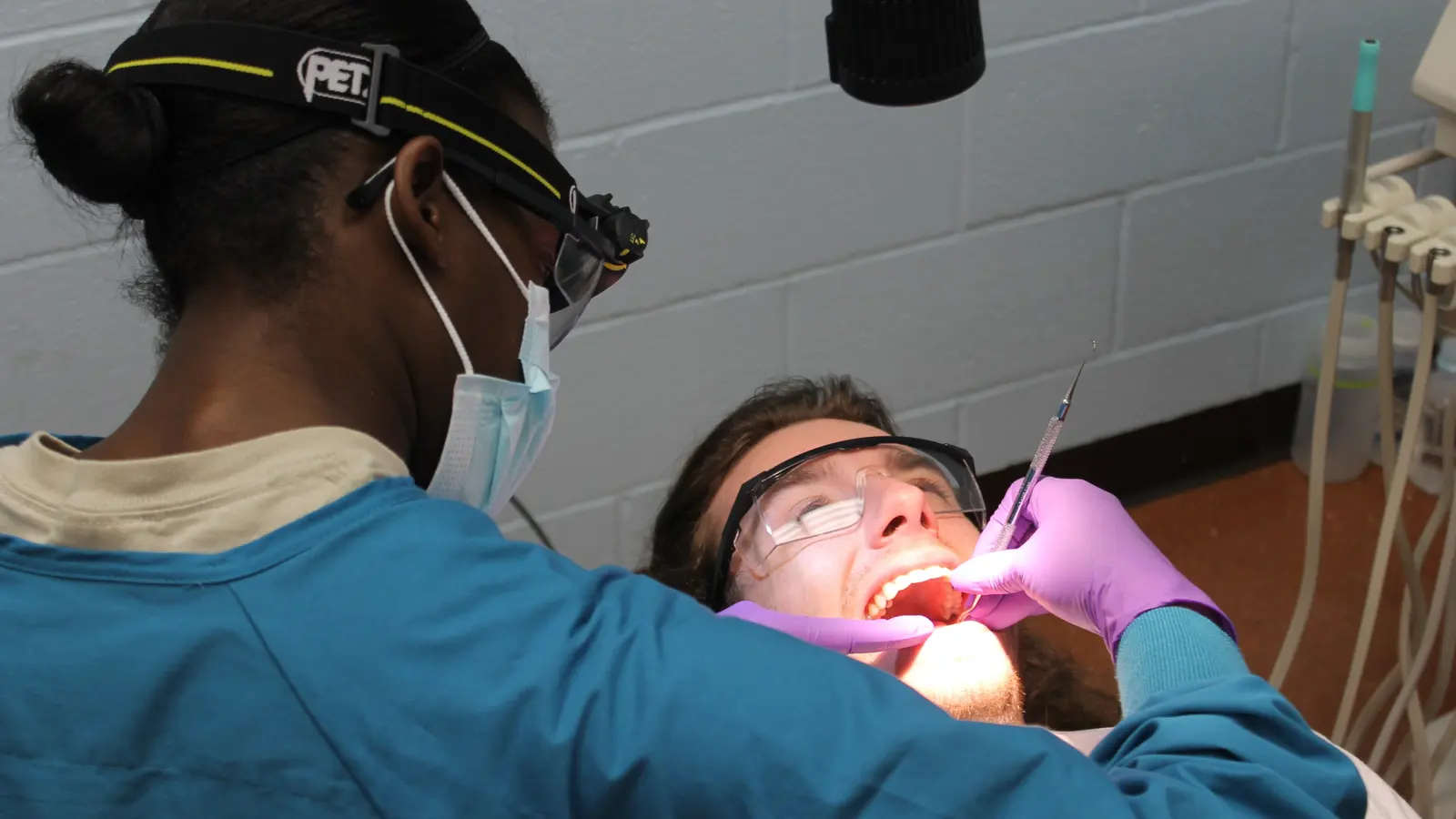 Indigenous oral health, and what a dentist can actually changeAboriginal and Torres Strait Islander children have around twice the untreated decay of other Australian children, and adults are far more likely to have teeth removed rather than restored. Handled carefully this is the clearest test of whether you understand equity in dentistry — and most candidates handle it as a list of gaps, which is the one thing a panel does not want.Decay rates and access, and why fluoridation status is part of the same story.Read it
- 4 / 4
The core basics
The groundwork every other answer quietly assumes. Unglamorous, and the fastest way to lose marks if it is missing.
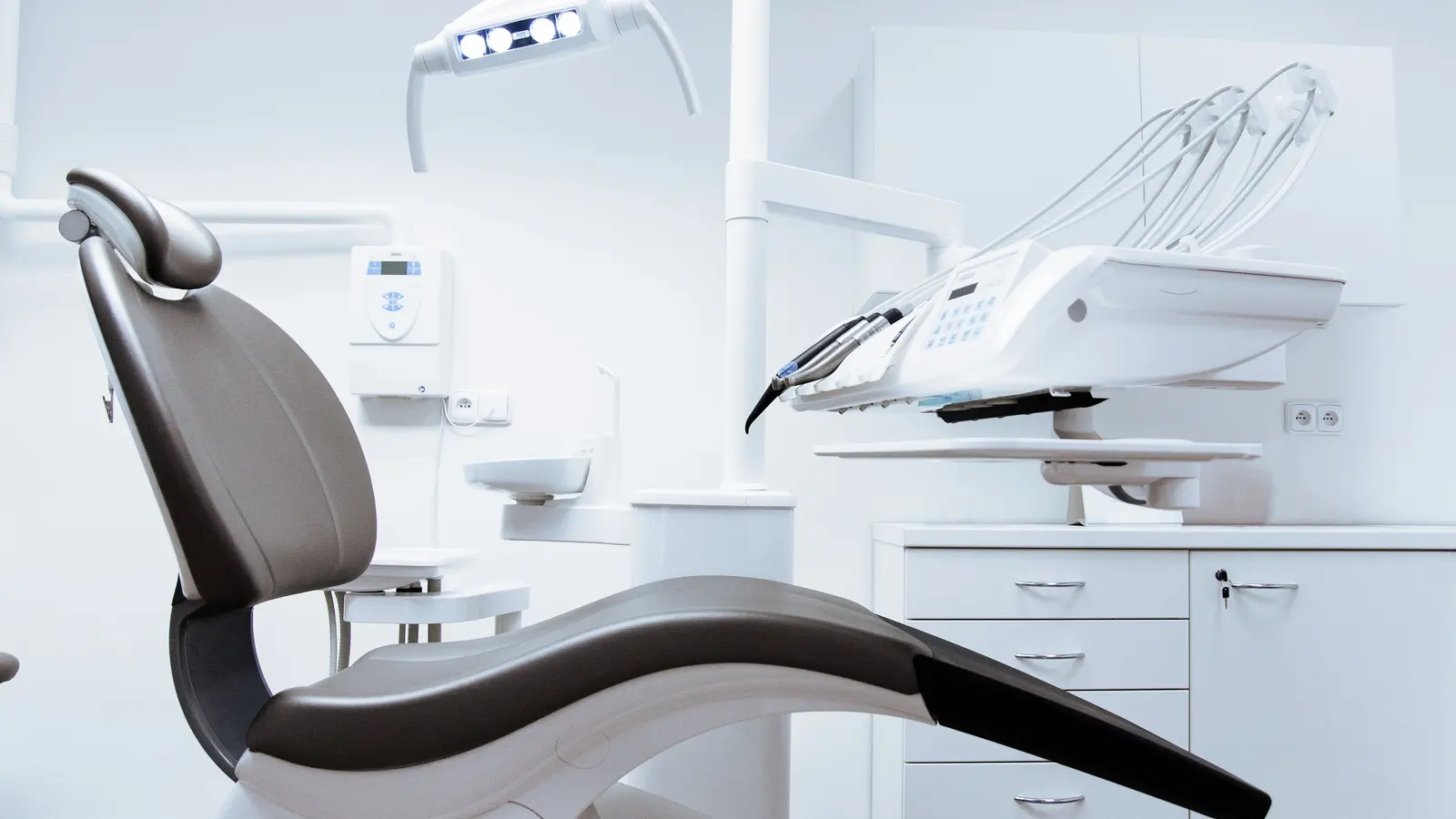 How dental care actually works in AustraliaPrivate fees for most people, public clinics with long waits for some, a child scheme through Medicare, and a profession that registers nationally and trains at nine universities. Almost every dental answer you will give assumes this map, and candidates who have never drawn it end up arguing about access without knowing who provides it.Private care, public waiting lists, the training route. The map behind every answer.Read it
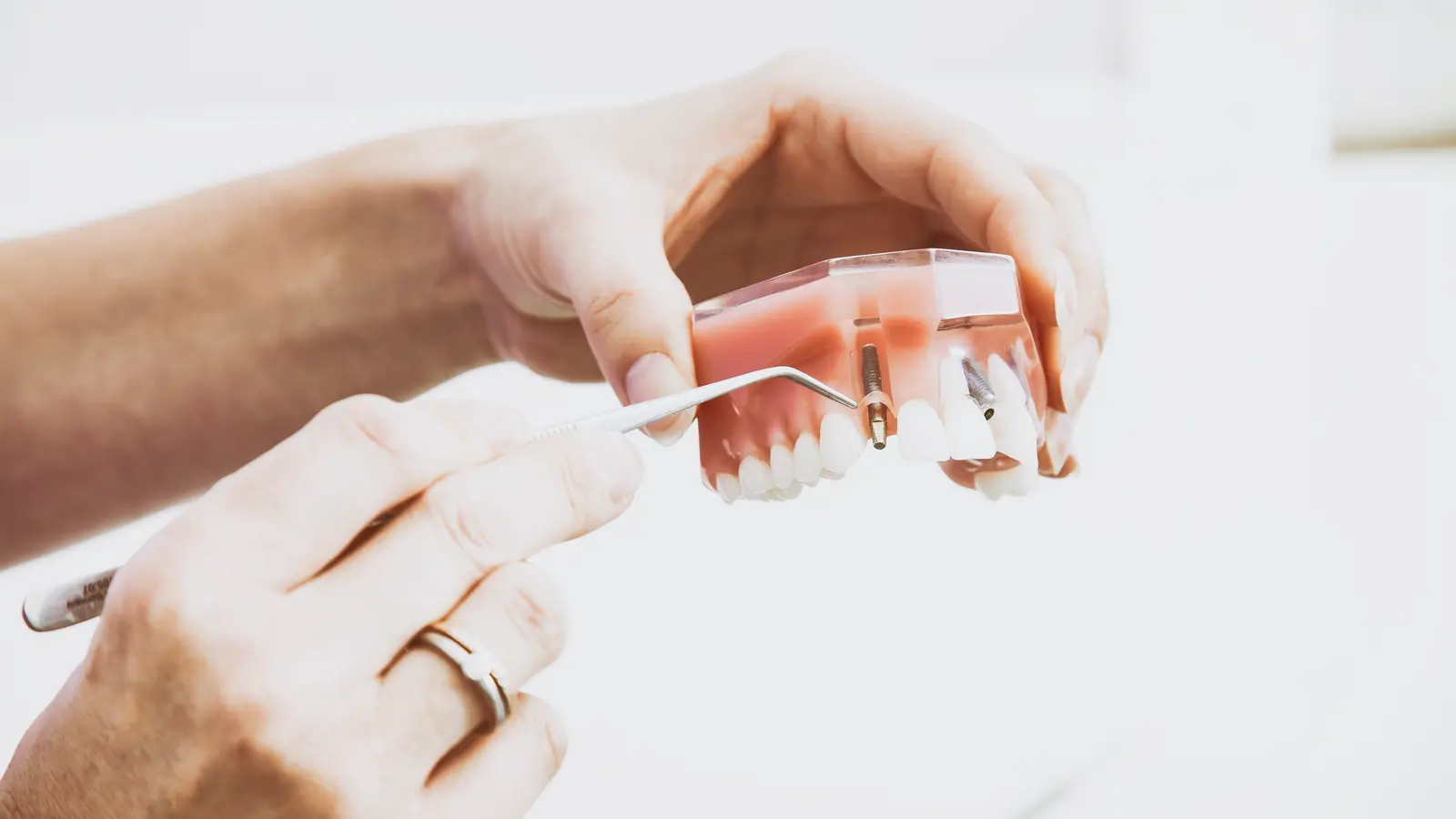 How a dentist is actually trained in AustraliaFive years or four as a graduate, national registration on the day you qualify, and no compulsory intern year — a dentist can practise independently from the week they graduate. Almost every workforce answer assumes this pathway, and candidates who cannot lay it out end up arguing about access without knowing who is allowed to provide it.The degree, AHPRA registration, and the public-private split you graduate into.Read it
Free weekly email
Want the week’s medical news in your inbox?
The healthcare stories worth knowing, an ethics dilemma and interview tips — written for Australia applicants and sent every week of the season.
By signing up you agree to receive NextGenMedPrep’s free application newsletter: UCAT, personal statement and interview tips, plus key deadline reminders. Usually weekly; unsubscribe from any email.