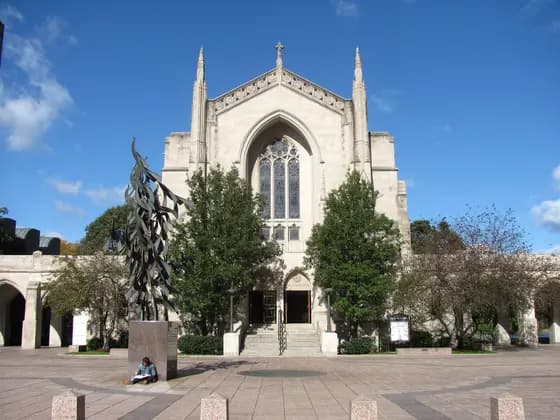
Boston University Henry M. Goldman School of Dental Medicine (GSDM), founded in 1963, is one of the leading dental schools in the United States and a major international dental training center. Located in Boston's South End, GSDM is part of Boston University's academic health campus.
The school has the largest full-time dental faculty of any US dental school and is known for its breadth of specialty programs, large clinical volume, and strong international student population.
What makes BU Goldman School of Dental Medicine (DMD) different
Applications via ADEA AADSAS. GSDM has the largest full-time faculty of any US dental school and a particularly robust specialty training infrastructure. The school actively recruits international students, making the cohort distinctively global. Boston's dental ecosystem (Tufts, Harvard, GSDM all located there) is unparalleled.
BU Goldman School of Dental Medicine (DMD) course & teaching
Integrated curriculum. 4-year DMD curriculum. GSDM has one of the largest dental clinics in New England by patient volume. Clinical training is comprehensive, with exposure to all major specialties. Strong international student cohort creates a diverse clinical and classroom environment.
BU Goldman School of Dental Medicine (DMD) research strengths
BU Goldman School of Dental Medicine (DMD) is strong in these research areas:
- Implantology
- Periodontal regeneration
- Oral biology
- Dental materials
- Clinical trials
How the BU Goldman School of Dental Medicine (DMD) interview runs
Format: Traditional one-on-one interview
BU Goldman School of Dental Medicine (DMD) intake
Approximately 100–120 students per year.
Where BU Goldman School of Dental Medicine (DMD) is
Boston University Henry M. Goldman School of Dental Medicine was founded in 1963 and is based in Boston, MA.
Programmes offered:
- Orthodontics
- Periodontology
- Prosthodontics
- Oral and Maxillofacial Surgery
- Endodontics