
VCOM Carolinas Interview
Format, Questions & Prep Tips
VCOM Carolinas medicine interviews for 2027 entry are a traditional interview, held September 2026 through February 2027. Published figures: Annual DO class size ~185 students; MCAT median (est.) ~504.
- Institution
- Edward Via College of Osteopathic Medicine Carolinas
- Interview (2027 entry)
- September through February
- Decisions (2027 entry)
- Rolling decisions after interview
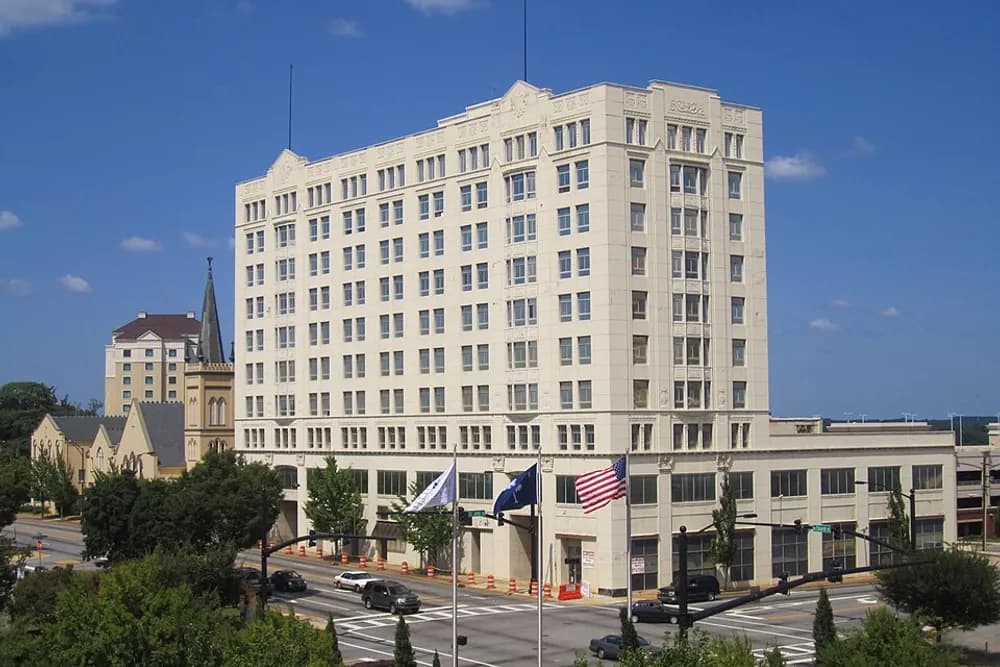
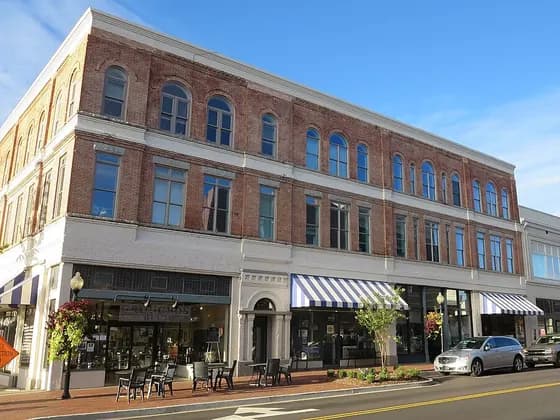
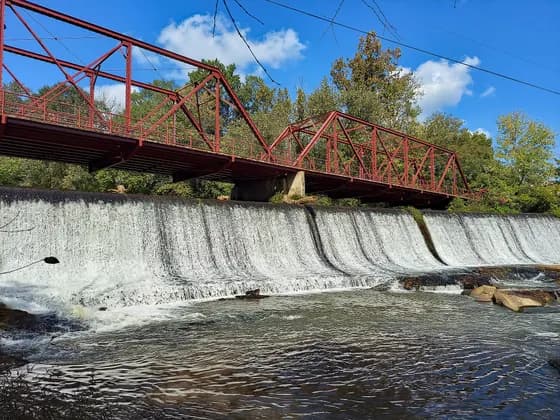
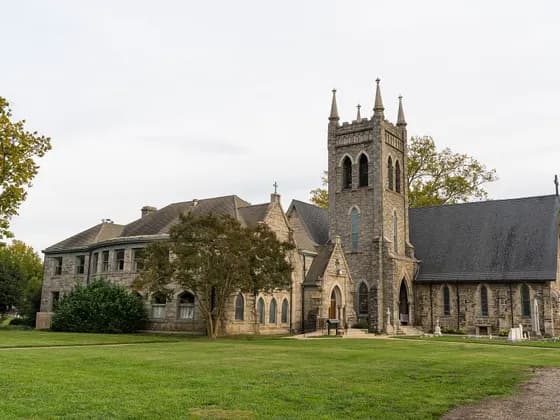
Photo: PegasusRacer28 · CC BY-SA 4.0 · cropped
Photo: PegasusRacer28 · CC BY-SA 4.0 · Photo: P. Hughes · CC BY-SA 4.0 · Photo: Hitkiller666 · CC BY-SA 4.0
How to get into VCOM Carolinas (DO) medicine
Step-by-step: entry requirements, admission tests, personal statement, interview format and the key deadlines.
Open the guide →VCOM Carolinas (DO) entry requirements
Admission profile, interview format, decision dates and what makes VCOM Carolinas (DO) different.
See the profile →The VCOM Carolinas (DO) medicine interview
Edward Via College of Osteopathic Medicine (VCOM) Carolinas campus uses a traditional interview format with two one-on-one sessions at its Spartanburg, South Carolina campus. VCOM Carolinas is located in the Upstate South Carolina Appalachian corridor, a chronically underserved region with high rates of poverty, chronic disease, and limited specialist access.
VCOM Carolinas does **not currently require CASPer. Applications go through AACOMAS**, with rolling admissions favoring early submission. The campus partners with Wofford College and the Gibbs Cancer Center, providing interprofessional education and oncology research exposure.
Interview day is mission-focused: VCOM interviewers probe whether your commitment to rural Appalachian and Carolinas community health is genuine and specific — not aspirational talking points.
VCOM Carolinas (DO) interview at a glance (2027 entry)
| Annual DO class size | ~185 students |
|---|---|
| Interview format | Traditional — two one-on-one sessions (faculty + student) |
| CASPer required | No |
| Application system | AACOMAS primary + VCOM secondary |
| Interview window | September–February |
| MCAT median (est.) | ~504 |
Interview format
- Two one-on-one sessions: faculty physician and current student ambassador; ~25–30 minutes each.
- Campus tour of Spartanburg facilities including Wofford College partnership areas.
- Mission programming focused on Appalachian and rural Carolinas health context.
Working towards the MCAT score VCOM Carolinas (DO) expects? Build a week-by-week plan from your test date — free for the first two weeks.
Sample interview questions
Upstate South Carolina and western North Carolina have among the highest rates of preventable chronic disease in the US. Why does practicing medicine in this specific region matter to you?
What they are listening for:
- Tobacco belt chronic disease burden
- Appalachian poverty
- limited specialist access
- the role of primary care DOs
Name specific conditions or communities if you have personal or research connections.
What does osteopathic medicine offer rural Appalachian patients that a conventional MD approach might not?
What they are listening for:
- OMT for musculoskeletal conditions prevalent in manual labor communities
- whole-person contextual assessment
- longer primary care relationships
Avoid overclaiming; be evidence-based about OMT indications.
You are the only physician in a rural Carolinas county. A patient needs a procedure you are not fully trained in, but the nearest specialist is 90 miles away and the patient cannot travel. What do you do?
What they are listening for:
- Scope of practice limits
- telemedicine consultation
- rural hospital protocols
- patient safety
- transfer of care
- the ethical tension between abandonment risk and competency limits
How would you approach a conversation with an elderly Appalachian farmer who is skeptical of doctors and has not had a physical examination in fifteen years?
Trust-building in rural communities, cultural humility, meeting patients where they are, motivational interviewing, and long-term relationship building as the foundation of rural primary care.
Tell me about a specific experience you have had working with underserved or Appalachian communities. What did it reveal about barriers to care?
Be concrete and honest. If the experience is limited, explain what you observed and how it shaped your thinking. Avoid inflating scope of impact.
A patient comes to you requesting opioid refills for back pain. She mentions she has been on opioids for three years, prescribed by a physician who has since retired. How do you manage this?
What they are listening for:
- Opioid epidemic in Appalachian communities
- prescription monitoring programs
- addiction risk assessment
- non-pharmacological pain management
- OMT for back pain
- compassionate but clear boundary-setting
VCOM Carolinas partners with Wofford College and the Gibbs Cancer Center. How might you leverage these partnerships during your training?
What they are listening for:
- Interprofessional education
- oncology rotation access
- community health research through Wofford
- the value of working in a multi-institutional environment
What does it mean to be a "community physician" rather than a specialist in the context of the rural Carolina health system you hope to work in?
Breadth of primary care, continuity relationships over decades, being a trusted community figure, and the specific health advocacy role physicians play in small rural communities.
Upstate South Carolina and western North Carolina have among the highest preventable chronic-disease rates in the US. How would you think about measuring whether a rural Carolinas practice is closing the gap with healthier regions rather than just improving its own averages?
Equity and population-health framing: benchmarking rural outcomes against state or national figures, process versus outcome measures, small-panel denominator issues, and the role of community health workers. Keep figures conceptual.
A patient on chronic opioids for back pain, inherited from a now-retired physician, comes in requesting a refill. Show me how you'd handle this conversation in your rural Carolinas clinic.
Demonstrate the encounter: avoid an accusatory tone, assess risk and function, discuss the prescription-monitoring picture, introduce non-opioid options including OMT, and set clear but compassionate boundaries with a taper plan if appropriate.
VCOM has a large class and integrates OMM throughout. What is your evidence-based study strategy, and how will you keep OMT skills sharp while preparing for COMLEX-USA?
What they are listening for:
- Spaced repetition
- active recall
- a board-preparation timeline
- deliberate hands-on OMT practice
- peer-study structures
Show awareness of COMLEX-USA's distinctive osteopathic content.
You're rotating at a rural Carolinas hospital that quietly limits specialist referrals to control costs. You believe a patient genuinely needs one and is being denied. As a student, what do you do?
What they are listening for:
- Patient advocacy
- resource scarcity in rural hospitals
- appropriate escalation
- the rights and limits of a trainee
- how to push for the patient without recklessly burning relationships
VCOM Carolinas partners with the Gibbs Cancer Center, giving oncology exposure unusual for a rural-mission DO school. How would you make use of a research or oncology opportunity, and how does that fit a primary-care-focused path?
Concrete plan for an oncology rotation or community-health research through Wofford/Gibbs, and a thoughtful link between exposure to specialty care and becoming a better rural generalist who coordinates complex care.
A skeptical elderly Appalachian farmer who hasn't seen a doctor in fifteen years finally comes in, pushed by family. Role-play how you'd build enough trust to begin meaningful care.
Demonstrate the encounter: respect his autonomy and local knowledge, avoid overwhelming him, prioritize relationship over checklist, and plant the seeds of continuity. Rural trust-building as the core skill.
In a small Carolinas town, a patient you're treating turns out to be a close friend's parent, and they ask you to keep details from the family. How do you handle confidentiality when social and clinical worlds overlap?
Confidentiality obligations, professional boundaries and dual relationships, and how to maintain trust in tight-knit communities where the physician knows nearly everyone.
Practise the VCOM Carolinas (DO) interview
Rehearse the real format before the day — on demand with our AI interviewers, or live with a tutor.
Sit a mock with photoreal AI interviewers — any time
A timed MMI or panel interview on video — American & international voices — with interviewers who listen, react and press with follow-ups. Rubric-scored feedback and a replay the moment you finish.


Live mocks with a tutor who’s been in the room
A full VCOM Carolinas (DO)-style mock with a medic or dentist tutor — honest scoring against real marking criteria, a station-by-station debrief and a written action plan.
Book a mock interviewHow to prepare for the VCOM Carolinas (DO) interview
Common pitfalls to avoid
VCOM Carolinas (DO) interview — frequently asked questions
Sources & official admissions information
Ready to nail your VCOM Carolinas (DO) interview?
Book a mock interview with a tutor who knows the US interview formats, orpractice unlimited stations from our interview question bank.