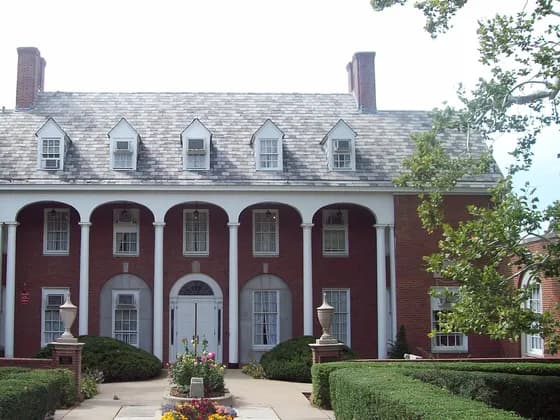
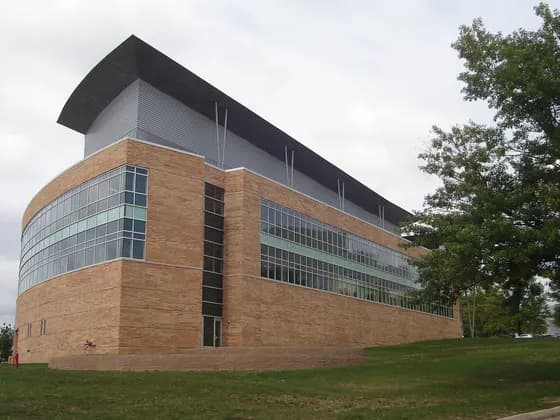
Morgantown, WV, USEst. 1902

West Virginia University School of Medicine (MD) Medical School - 2027 Entry Requirements & Interview Format

West Virginia University School of Medicine, founded in 1902, is the state's flagship MD programme and the academic anchor for WVU Medicine — West Virginia's largest health system. Located in Morgantown, the school trains physicians for both academic medicine and rural community practice, with a long history of commitment to Appalachian health. Clinical training spans the Ruby Memorial Hospital Level 1 trauma centre, WVU Children's Hospital, and a statewide rural health outreach network. Research strengths include cancer, cardiovascular disease, neuroscience, and Appalachian health disparities.

Entry Requirements

What you need to apply to West Virginia University School of Medicine (MD).

Admission overview
Bachelor's degree and MCAT required. Applied via AMCAS. West Virginia residency strongly preferred; WV residents receive preference, though recent classes have been roughly evenly split between in-state and out-of-state (Class of 2029: 47% WV). No specific major; strong science preparation expected. Secondary application required.
MCAT median
511 (range 505–516)
GPA median
3.70 overall / 3.65 science (BCPM)
Acceptance rate
3.0%
Class size
112
In-state preference
Strong — primarily in-state
In-state matriculants
47%
CASPer
Not required
Holistic review emphasis
West Virginia residency, Appalachian health commitment, research potential, and community service.
Notes
Estimates from public AAMC FACTS / class-profile data; verify current cycle. AMCAS application; strong West Virginia resident preference.
Specialities offered
Rural and Appalachian Health, Cancer Medicine, Cardiovascular Disease, Neuroscience, Primary Care

Interview Format

How West Virginia University School of Medicine (MD) interviews applicants.

Format
MMI (multiple stations, in-person)
Interview window
October–February
Decision date
March 30 (AAMC standard)
Post-interview chances
Post-interview acceptance estimated at 20–30%; West Virginia residency and rural/Appalachian health commitment are primary selection factors.

What to expect at a West Virginia University School of Medicine (MD) interview

WVU SOM uses an MMI with multiple timed stations assessing communication, ethical reasoning, and clinical thinking. Each station runs approximately eight minutes with two minutes of reading time. The interview day is held on the Morgantown Health Sciences campus and includes orientation, campus and hospital tours, and informal sessions with current medical students. The school's Appalachian health focus and rural medicine commitment are reflected in many station scenarios.

What makes West Virginia University School of Medicine (MD) different

WVU SOM is the largest and oldest medical school in West Virginia and the flagship academic medical centre for the state. The school has a strong rural health outreach programme placing students in rural West Virginia communities. WVU Medicine is a comprehensive academic health system including Ruby Memorial Hospital, WVU Cancer Institute, and multiple community hospitals across the state.

Tutor insight

WVU SOM is the flagship WV institution and emphasises both academic medicine and community care — students enter a full academic medical centre (Ruby Memorial) as well as rural outreach sites. Prepare for MMI stations reflecting opioid epidemic scenarios, rural access challenges, and the specific health burdens of Appalachian communities. West Virginia residency provides a strong advantage; out-of-state applicants should have authentic WV or Appalachian connections. The WVU Cancer Institute is a significant research asset; if you have oncology research interests, develop that narrative.
Prometheus
595 medicine questions inside

Interview questions matched to West Virginia University School of Medicine (MD)

Two questions our tutors flagged as a strong fit for West Virginia University School of Medicine (MD)’s interview style. Try answering them out loud, then open Prometheus for the model answers and follow-up tips.

HardMMIQ1

US Healthcare Ethics: End-of-Life Care and Medical Aid in Dying

Medical Aid in Dying (MAID) — laws permitting a terminally ill, mentally competent adult to request a prescription for a lethal dose of medication — is legal in eleven US states and the District of Columbia as of 2026. A terminally ill patient in one of those states asks you, as her physician, to prescribe under the Death with Dignity Act. You have deep personal and religious objections to MAID. How do you handle this request?

Likely follow-up · What is the ethical distinction between conscientious objection and patient abandonment?

3 expert tips in Prometheus
HardMMIQ2

US Healthcare Ethics: Dobbs, Reproductive Healthcare, and the Physician's Role

Since the Supreme Court's 2022 decision in Dobbs v. Jackson Women's Health Organization, abortion regulation has reverted to individual states, creating a patchwork of laws that directly affect clinical care. A patient presents to your emergency department at 14 weeks of pregnancy with an incomplete miscarriage and sepsis. Your hospital is in a state where abortion is prohibited except to prevent 'irreversible impairment of a major bodily function.' The patient is deteriorating. What are your obligations, and how do you navigate the legal environment?

Likely follow-up · How does the federal EMTALA statute interact with state abortion bans, and which takes precedence in an emergency?

3 expert tips in Prometheus

Ready to practise West Virginia University School of Medicine (MD)?

Book a school-specific mock interview with West Virginia University School of Medicine (MD) preselected.

Book a West Virginia University School of Medicine (MD) mock

West Virginia University School of Medicine (MD) - Frequently asked questions

Bachelor's degree and MCAT required. Applied via AMCAS. West Virginia residency strongly preferred; WV residents receive preference, though recent classes have been roughly evenly split between in-state and out-of-state (Class of 2029: 47% WV). No specific major; strong science preparation expected. Secondary application required.

MMI (multiple stations, in-person). WVU SOM uses an MMI with multiple timed stations assessing communication, ethical reasoning, and clinical thinking. Each station runs approximately eight minutes with two minutes of reading time. The interview day is held on the Morgantown Health Sciences campus and includes orientation, campus and hospital tours, and informal sessions with current medical students. The school's Appalachian health focus and rural medicine commitment are reflected in many station scenarios.

West Virginia University School of Medicine (MD) typically interviews in October–February.

Decisions are released March 30 (AAMC standard).

WVU SOM is the largest and oldest medical school in West Virginia and the flagship academic medical centre for the state. The school has a strong rural health outreach programme placing students in rural West Virginia communities. WVU Medicine is a comprehensive academic health system including Ruby Memorial Hospital, WVU Cancer Institute, and multiple community hospitals across the state.
Reviewed by Isaac Butler-King, medical student at the University of Glasgow. Last reviewed: 6 June 2026 · NextGen MedPrep editorial team
West Virginia University School of Medicine (MD) | MCAT median 511, GPA & Interview Format | NGMP