Indianapolis, IN, USEst. 1879

Indiana University School of Dentistry (DDS) Dental School - 2027 Entry Requirements & Interview Format

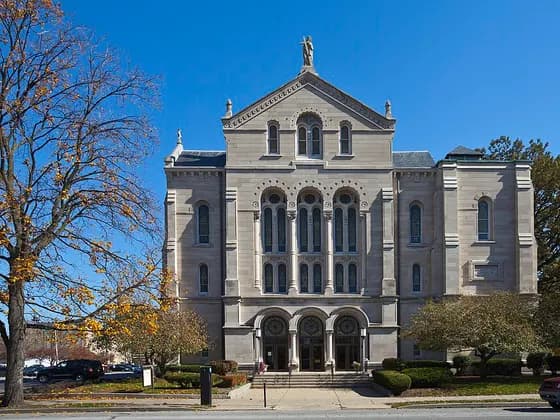
Indiana University School of Dentistry, located on the IUPUI campus in Indianapolis, is the only dental school in Indiana and one of the largest dental schools in the United States. Founded in 1879, IUSD trains approximately 104–106 DDS students per year with strong emphasis on clinical competence, community oral health, and postgraduate specialty training. The school's high patient volume — over 200,000 visits annually — provides broad clinical exposure, and co-location with IU School of Medicine creates interprofessional health education opportunities.

Entry Requirements

What you need to apply to Indiana University School of Dentistry (DDS).

Admission overview
Bachelor's degree and DAT required. Applications via ADEA AADSAS. Strong Indiana resident preference as the sole state public dental school. Dental shadowing, letters of recommendation from a licensed dentist, and community service expected. DAT and GPA are competitive factors.
GPA median
3.74 overall / 3.68 science (BCPM)
Acceptance rate
19.0%
Class size
104
In-state preference
Strong — primarily in-state
In-state matriculants
82%
CASPer
Not required
Holistic review emphasis
Indiana residency, dental experience, academic achievement, community health commitment.
Notes
Estimates from ADEA AADSAS data and public class profiles; hedged. DAT AA median approximately 20–22. Only dental school in Indiana — strong in-state preference.
Specialities offered
Orthodontics, Oral and Maxillofacial Surgery, Periodontics, Endodontics, Pediatric Dentistry

Interview Format

How Indiana University School of Dentistry (DDS) interviews applicants.

Format
Traditional one-on-one faculty interview
Interview window
October–February
Decision date
Rolling admissions; Indiana resident preference
Post-interview chances
Approximately 35–50% post-interview for Indiana residents (estimated).

What to expect at a Indiana University School of Dentistry (DDS) interview

IUSD interview day typically includes one or two traditional one-on-one sessions with faculty, each approximately 30–45 minutes, plus a clinic tour and programme overview. As the only dental school in Indiana, IUSD interviewers probe applicants' connection to the state and commitment to addressing Indiana's oral health needs. Questions cover manual dexterity experience, oral-systemic health, ADA ethics scenarios, understanding of Indiana's dental access challenges in rural and urban underserved communities, and career goals.

What makes Indiana University School of Dentistry (DDS) different

IUSD is the only dental school in Indiana and has one of the largest dental school clinical volumes in the United States, with over 200,000 patient visits per year. The school offers DDS, advanced education, and research programmes, and its comprehensive specialty programmes across orthodontics, oral surgery, endodontics, periodontics, prosthodontics, and pediatric dentistry make it a genuine academic dental centre. IUSD also operates community dental clinics across Indiana.

Tutor insight

IUSD's clinical volume is genuinely extraordinary — emphasise your commitment to building clinical skills through high patient contact. Indiana residency is a significant advantage as the only dental school in the state. The IUSD-IU Medicine co-location is a real interprofessional education asset — show interest in the oral-systemic health curriculum integration. Out-of-state applicants should demonstrate a specific and genuine reason for choosing IUSD.
Prometheus
405 dentistry questions inside

Interview questions matched to Indiana University School of Dentistry (DDS)

Two questions our tutors flagged as a strong fit for Indiana University School of Dentistry (DDS)’s interview style. Try answering them out loud, then open Prometheus for the model answers and follow-up tips.

HardPanel · MMIQ1

Geography of Dental Care: Shortage Areas and Medically Underserved Communities

HRSA designates many rural counties and tribal lands as Dental Health Professional Shortage Areas (HPSAs), meaning the ratio of dentists to population falls far below the recommended threshold. Meanwhile, urban high-income neighborhoods often have an oversupply of dental practices. This geographic maldistribution means that residents of HPSAs may travel hours for routine dental care or forgo it entirely. As a dental student and future practitioner, how should you think about where you practice and what obligations — if any — you have to address geographic dental deserts?

Likely follow-up · NHSC loan-repayment programs incentivize dental graduates to practice in HPSAs. What factors beyond financial incentives might motivate or deter a new dentist from serving in a rural or tribal community?

3 expert tips in Prometheus
MediumPanel · MMIQ2

Tobacco Cessation Counseling: Brief Intervention in the Dental Setting

Dentists are uniquely positioned to support tobacco cessation: patients with tobacco-related oral findings (staining, periodontal disease, leukoplakia, tissue changes) receive a personalized, visible clinical rationale for quitting in a one-on-one healthcare encounter. The 5 A's framework (Ask, Advise, Assess, Assist, Arrange) provides an evidence-based structure for brief tobacco cessation counseling that takes 3-5 minutes and has been shown to increase quit rates modestly but meaningfully when combined with pharmacotherapy referral. A 42-year-old patient who smokes one pack per day presents for his six-month recall. His periodontal charting shows worsening pocket depths since his last visit. How do you apply the 5 A's in this clinical encounter, and what does the research say about the dentist's role in improving tobacco cessation outcomes?

Likely follow-up · The patient tells you he has tried to quit three times, failed each time, and does not want to discuss smoking anymore. How do you respond without abandoning your professional responsibility or alienating the therapeutic relationship?

3 expert tips in Prometheus

Ready to practise Indiana University School of Dentistry (DDS)?

Book a school-specific mock interview with Indiana University School of Dentistry (DDS) preselected.

Book a Indiana University School of Dentistry (DDS) mock

Indiana University School of Dentistry (DDS) - Frequently asked questions

Bachelor's degree and DAT required. Applications via ADEA AADSAS. Strong Indiana resident preference as the sole state public dental school. Dental shadowing, letters of recommendation from a licensed dentist, and community service expected. DAT and GPA are competitive factors.

Traditional one-on-one faculty interview. IUSD interview day typically includes one or two traditional one-on-one sessions with faculty, each approximately 30–45 minutes, plus a clinic tour and programme overview. As the only dental school in Indiana, IUSD interviewers probe applicants' connection to the state and commitment to addressing Indiana's oral health needs. Questions cover manual dexterity experience, oral-systemic health, ADA ethics scenarios, understanding of Indiana's dental access challenges in rural and urban underserved communities, and career goals.

Indiana University School of Dentistry (DDS) typically interviews in October–February.

Decisions are released Rolling admissions; Indiana resident preference.

IUSD is the only dental school in Indiana and has one of the largest dental school clinical volumes in the United States, with over 200,000 patient visits per year. The school offers DDS, advanced education, and research programmes, and its comprehensive specialty programmes across orthodontics, oral surgery, endodontics, periodontics, prosthodontics, and pediatric dentistry make it a genuine academic dental centre. IUSD also operates community dental clinics across Indiana.
Reviewed by Isaac Butler-King, medical student at the University of Glasgow. Last reviewed: 6 June 2026 · NextGen MedPrep editorial team
Indiana University School of Dentistry (DDS) DDS | DAT, GPA & Interview Format | NGMP