
Case Western Reserve University School of Medicine Interview
Format, Questions & Prep Tips
Case Western Reserve University School of Medicine medicine interviews for 2027 entry are a traditional interview, held October 2026 through February 2027. Published figures: Annual MD class size ~188; Tuition (2025–26) ~USD 66,000/year.
- Institution
- Case Western Reserve University School of Medicine
- Interview (2027 entry)
- October through February
- Decisions (2027 entry)
- Regular decisions by late March; waitlist through spring

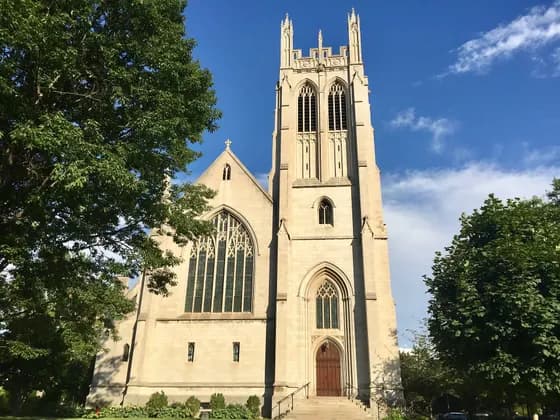
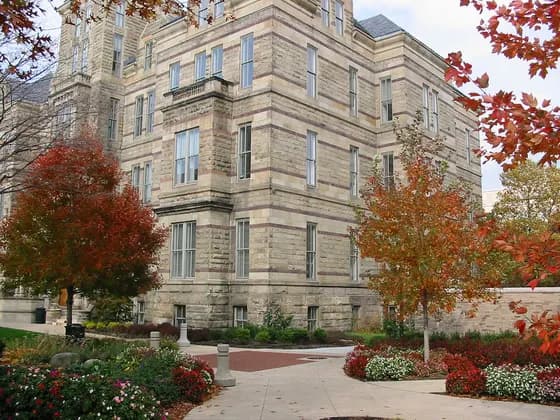
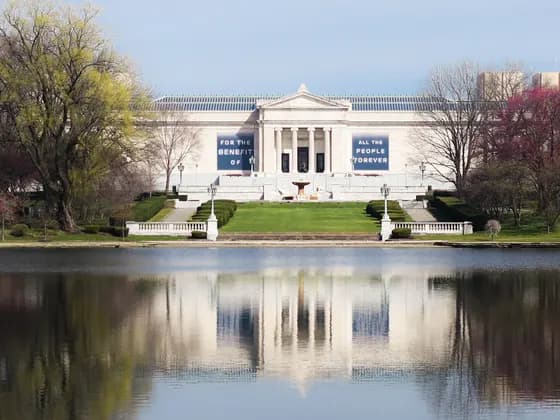
Photo: Rdikeman at English Wikipedia · CC BY-SA 3.0 · cropped
Photo: Warren LeMay from Cincinnati, OH, United States · CC0 · Photo: Mark McCartney · CC BY-SA 2.0 · Photo: Erik Drost · CC BY 2.0
How to get into Case Western Reserve University School of Medicine (MD) medicine
Step-by-step: entry requirements, admission tests, personal statement, interview format and the key deadlines.
Open the guide →Case Western Reserve University School of Medicine (MD) entry requirements
Admission profile, interview format, decision dates and what makes Case Western Reserve University School of Medicine (MD) different.
See the profile →The Case Western Reserve University School of Medicine MD program
Problem-based learning + Integrated, 4 years (university program), clinical rotations across Cleveland, Ohio, at four affiliated hospital systems.
See the program →The Case Western Reserve University School of Medicine (MD) medicine interview
Case Western Reserve University School of Medicine uses a traditional interview format with two sessions (faculty and student). Case Western is notable for its University Program and College Program — two distinct curricular tracks that allow students to choose between a traditional pre-clinical structure and a more self-directed, organ-system integrated approach. Interviewers probe which track fits the applicant's learning style.
Case Western has a strong commitment to Cleveland community health — University Hospitals Cleveland Medical Center, MetroHealth Medical Center (a major safety-net), and the Cleveland Clinic all serve as training sites, providing exposure to radically different care delivery models in a single city.
Case Western is also notable for its MD/PhD program (one of the oldest MSTP programs in the US) and its strong translational research culture bridging Cleveland Clinic research and the Case Western basic science departments.
Case Western Reserve University School of Medicine (MD) interview at a glance (2027 entry)
| Annual MD class size | ~188 |
|---|---|
| Interview format | Traditional — faculty + student sessions |
| Curricular tracks | University Program and College Program |
| Tuition (2025–26) | ~USD 66,000/year |
| Application system | AMCAS + Case Western secondary |
| Interview window | October–February |
Interview format
- Two one-on-one sessions: faculty (open-file) and student.
- No MMI.
- Interview day includes an overview of both curricular tracks and a tour of the health campus.
Working towards the MCAT score Case Western Reserve University School of Medicine (MD) expects? Build a week-by-week plan from your test date — free for the first two weeks.
Sample interview questions
Case Western offers the University Program and the more self-directed College Program. Which track aligns with how you learn, and why?
Know the two tracks in real detail — the College Program is independent and research-immersive, while the University Program is more structured. Choose based on genuine self-knowledge rather than guessing which sounds more impressive.
Case Western lets you train across the Cleveland Clinic, University Hospitals, and the MetroHealth safety-net. Why is exposure to such different care models the right fit for you?
Show you value seeing care delivered across academic, specialty, and safety-net settings in one city. Connect that range to the kind of adaptable physician you want to become.
Tell us about a time you took genuine ownership of your own learning. What did you do when no one was directing you?
This is especially relevant if you favor the College Program. Use a concrete example of self-direction, initiative, and self-assessment.
What do you hope defines you as a physician, beyond competence and credentials?
Reveal values and self-awareness. Tie character to concrete behaviors rather than listing adjectives.
You train at both MetroHealth, a safety-net hospital, and the Cleveland Clinic, a top-ranked specialty center. How does moving between such different institutional cultures shape a physician?
Discuss resource allocation, insurance-driven triage, clinical complexity, and developing adaptable skills. Show awareness of the differing values and constraints that drive each institution.
Two patients with similar needs may receive very different care depending on which Cleveland institution they reach and their insurance. Is that fair, and what should a physician do about it?
Engage equity, the realities of a fragmented system, and the limits and possibilities of individual advocacy. Avoid both fatalism and a naive assumption that one clinician can fix structural inequity.
A patient with limited resources declines a recommended treatment, and you suspect cost is the unspoken reason, though they will not say so. How do you proceed?
Explore the real barrier gently, avoid assumptions, and offer alternatives such as assistance programs or generics. Respect autonomy while ensuring the decision is genuinely informed.
An MD/PhD-style research project you value could advance science but offers no direct benefit to the patients whose samples it uses. How do you think about that trade-off?
Address consent, the social value of research, justice in who bears risk versus who benefits, and IRB oversight. Case Western's strong MSTP and translational culture make this concrete.
Describe a time you had to adapt your communication style for very different audiences. What did you change?
Training across Cleveland's varied institutions demands flexibility. Show you can read context and adjust register, pace, and content without losing authenticity.
Explain a complex diagnosis to a patient at MetroHealth who has low health literacy and limited time with you.
Prioritize the essential message, use plain language, and check understanding efficiently. Compassion and clarity matter more than completeness.
Case Western has one of the oldest MD/PhD programs in the country and a strong translational culture. How does research fit into your goals, whether or not you pursue the MSTP?
Show research literacy and a genuine question, and connect Cleveland Clinic research with Case Western basic science. Be honest about whether you see yourself as a clinician-investigator.
Walk me through a research experience. What was genuinely your contribution, and what did the result show?
Separate independent thinking from supervised tasks and be honest about limitations. The school's research culture rewards methodological clarity.
How would you critique a study before letting it change how you practice?
Address design, sample, confounding, replication, and conflicts of interest. Demonstrate the evidence literacy expected of an applicant to a research-strong school.
A MetroHealth patient is frustrated after a long wait and feels the system does not care about people like them. Speak with them.
Acknowledge the frustration without defensiveness, validate their experience, and rebuild rapport before clinical detail. Dignity and de-escalation come first.
A peer who chose the College Program is struggling with its self-directed structure and considering hiding it. Talk with them.
What they are listening for:
- Normalize the difficulty of self-directed learning
- listen first
- point them toward faculty and support resources rather than secrecy
Offer peer support without overstepping.
You're shown that readmission rates differ sharply between two Cleveland hospitals serving different populations. How would you interpret that, and what would you want to know?
Consider patient case-mix, social factors, access to follow-up, and resourcing rather than assuming one hospital is simply 'worse'. Name the additional data you would request before judging.
Practise the Case Western Reserve University School of Medicine (MD) interview
Rehearse the real format before the day — on demand with our AI interviewers, or live with a tutor.
Sit a mock with photoreal AI interviewers — any time
A timed MMI or panel interview on video — American & international voices — with interviewers who listen, react and press with follow-ups. Rubric-scored feedback and a replay the moment you finish.




Live mocks with a tutor who’s been in the room
A full Case Western Reserve University School of Medicine (MD)-style mock with a medic or dentist tutor — honest scoring against real marking criteria, a station-by-station debrief and a written action plan.
Book a mock interviewHow to prepare for the Case Western Reserve University School of Medicine (MD) interview
Common pitfalls to avoid
Case Western Reserve University School of Medicine (MD) interview — frequently asked questions
Sources & official admissions information
Ready to nail your Case Western Reserve University School of Medicine (MD) interview?
Book a mock interview with a tutor who knows the US interview formats, orpractice unlimited stations from our interview question bank.