
Ohio University Heritage College of Osteopathic Medicine Interview
Format, Questions & Prep Tips
Ohio University Heritage College of Osteopathic Medicine medicine interviews for 2027 entry are a traditional interview, held September 2026 through March 2027. Published figures: Annual DO class size ~260 (all campuses); Tuition (2025–26) ~USD 37,000 (in-state) / USD 68,000 (out-of-state).
- Institution
- Ohio University Heritage College of Osteopathic Medicine
- Interview (2027 entry)
- September through March
- Decisions (2027 entry)
- Rolling decisions

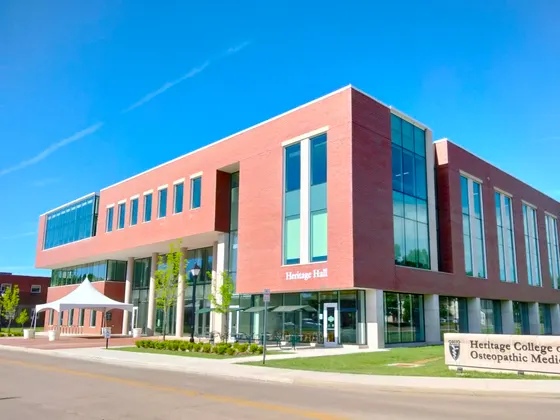
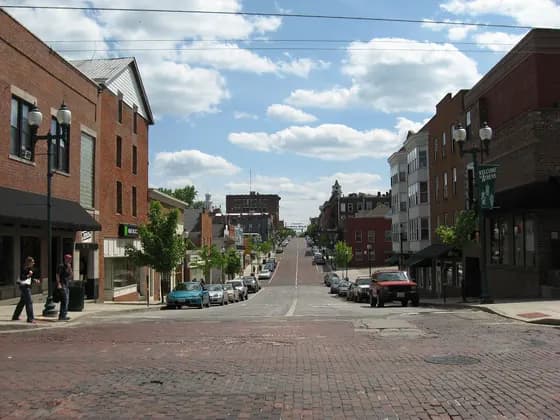
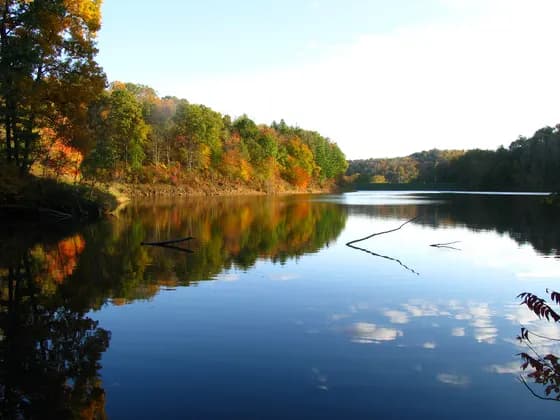
Photo: Orchysterium · CC BY-SA 4.0 · cropped
Photo: Orchysterium · CC BY-SA 4.0 · Photo: Ed! (talk) (Hall of Fame) · CC BY-SA 3.0 · Photo: Shroomydan · Public domain
How to get into Ohio University Heritage College of Osteopathic Medicine (DO) medicine
Step-by-step: entry requirements, admission tests, personal statement, interview format and the key deadlines.
Open the guide →Ohio University Heritage College of Osteopathic Medicine (DO) entry requirements
Admission profile, interview format, decision dates and what makes Ohio University Heritage College of Osteopathic Medicine (DO) different.
See the profile →The Ohio University Heritage College of Osteopathic Medicine (DO) medicine interview
Ohio University Heritage College of Osteopathic Medicine (OU-HCOM) uses a traditional interview format with two sessions (faculty and student) at its Athens, OH main campus or Dublin and Cleveland campuses. OU-HCOM is a public osteopathic medical school with a strong mission to serve rural and underserved communities in Ohio — particularly Appalachian Ohio, which has some of the worst health outcomes in the US.
OU-HCOM does not require CASPer. The school has a distinctive Appalachian health emphasis — southeast Ohio is part of the broader Appalachian region with high rates of opioid misuse, cardiovascular disease, diabetes, and poverty-related health outcomes. Interviewers probe awareness of Appalachian health culture and genuine commitment to rural primary care.
OU-HCOM's Osteopathic Manipulative Medicine (OMM) curriculum is particularly strong, and the school has a dedicated OMM research program.
Ohio University Heritage College of Osteopathic Medicine (DO) interview at a glance (2027 entry)
| Annual DO class size | ~260 (all campuses) |
|---|---|
| Interview format | Traditional — faculty + student sessions |
| CASPer required | No |
| Application system | AACOMAS primary + OU-HCOM secondary |
| Tuition (2025–26) | ~USD 37,000 (in-state) / USD 68,000 (out-of-state) |
| Interview window | September–March |
Interview format
- Two sessions: faculty and student.
- OMM curriculum is particularly strong.
- No MMI.
Working towards the MCAT score Ohio University Heritage College of Osteopathic Medicine (DO) expects? Build a week-by-week plan from your test date — free for the first two weeks.
Sample interview questions
Why osteopathic medicine, and what about the DO philosophy fits the physician you want to be?
Ground it in the osteopathic tenets, whole-person care, and OMT as a hands-on clinical tool. Frame DO as a positive choice. OU-HCOM has a particularly strong OMM curriculum, so be ready for substantive osteopathic discussion.
Appalachian Ohio has among the highest opioid-mortality rates in the US, along with elevated cardiovascular disease, diabetes, and poverty. What does it mean to practice medicine in a community facing these intersecting challenges?
Engage with Appalachian health culture (strong community bonds, distrust of outside institutions, and at times fatalism) and the social context, not just disease statistics. Show genuine, humble awareness rather than pity.
OU-HCOM's mission is specifically to serve rural and underserved Ohio, including Appalachia. How does your background or experience prepare you for that work?
Evidenced commitment to rural or underserved care. If you have Appalachian or rural ties, use them authentically. If not, articulate a credible, specific reason for choosing this mission.
OU-HCOM has a particularly strong OMM curriculum and dedicated OMM research. How does hands-on osteopathic treatment fit your vision of patient care?
Show you understand OMT as a genuine diagnostic and therapeutic tool, including its role in musculoskeletal and multimodal pain care, relevant in communities affected by chronic pain and opioids. Curiosity matters more than expertise.
A patient in rural Ohio has a serious infection requiring IV antibiotics but refuses hospitalization because she cannot afford to miss work and has no childcare. What do you do?
Outpatient parenteral antibiotic therapy where feasible, social-work referral, patient education, and the systemic factors that make hospitalization harder for poor rural patients. Respect autonomy and real constraints.
A patient with opioid use disorder relapses while you are managing their chronic pain. Some colleagues want to discharge them from the practice. How do you respond?
Non-abandonment, addiction as a chronic medical condition, harm reduction, buprenorphine, and where OMT and multimodal pain care can genuinely help. Show compassion grounded in Appalachia's opioid crisis.
An elderly Appalachian patient declines a recommended treatment, saying they would rather 'let nature take its course'. How do you respond?
Respect autonomy and cultural beliefs, explore reasoning without judgment, ensure the refusal is informed, and keep the relationship open. Demonstrate cultural humility for Appalachian values.
Tell me about a time you built trust with someone who was wary of outsiders or institutions. What did you learn?
What they are listening for:
- Cultural humility
- patience
- follow-through
Directly relevant to Appalachian communities where institutional distrust is common. Avoid condescension; show partnership.
Describe a time you had to deliver an unwelcome message or difficult news. How did you handle the reaction?
What they are listening for:
- Empathy
- clarity
- silence
- checking understanding
Show emotional intelligence and the ability to stay present with distress.
How do you learn, and how would you keep up with OU-HCOM's curriculum, its strong OMM component, and COMLEX-USA preparation?
Evidence-based study methods and honest self-knowledge. Name COMLEX accurately, mention USMLE only if you plan both, and describe recovery from a setback. Note the hands-on OMM lab demands.
Is there anything in your academic record you would want the committee to understand in context?
Own any dip or non-traditional path, explain the lesson, and point to sustained improvement. No excuses or blame.
You are a student and a rural Appalachian patient with chronic back pain is skeptical that anything other than opioids will help. Talk to them.
Listen and validate their pain, explain multimodal options including OMT and physical therapy without dismissing them, and rebuild trust. Avoid stigmatizing language; demonstrate whole-person care.
A classmate makes a condescending remark about Appalachian patients being 'their own worst enemy'. Respond.
What they are listening for:
- Speak up professionally
- reframe toward social and structural determinants
- model respect
Show moral courage consistent with the school's mission.
You are shown data showing opioid-overdose deaths in several southeast Ohio counties far above the state average. How do you interpret and respond?
What they are listening for:
- Economic decline
- supply factors
- limited treatment access
- stigma rather than individual blame
Propose harm reduction, expanded MAT access, and community partnership.
What experience tested your commitment to medicine, and why did you stay with it?
Reflective and specific. Show you understand the difficulty of underserved rural work and that it strengthened your resolve.
A patient in a rural county needs specialist care only available hours away and has limited means. How do you balance the ideal plan against their constraints?
What they are listening for:
- Realistic
- high-value care
- telehealth
- social-work support
- shared decision-making
- honesty about trade-offs
Pragmatism without compromising safety.
Practise the Ohio University Heritage College of Osteopathic Medicine (DO) interview
Rehearse the real format before the day — on demand with our AI interviewers, or live with a tutor.
Sit a mock with photoreal AI interviewers — any time
A timed MMI or panel interview on video — American & international voices — with interviewers who listen, react and press with follow-ups. Rubric-scored feedback and a replay the moment you finish.




Live mocks with a tutor who’s been in the room
A full Ohio University Heritage College of Osteopathic Medicine (DO)-style mock with a medic or dentist tutor — honest scoring against real marking criteria, a station-by-station debrief and a written action plan.
Book a mock interviewHow to prepare for the Ohio University Heritage College of Osteopathic Medicine (DO) interview
Common pitfalls to avoid
Ohio University Heritage College of Osteopathic Medicine (DO) interview — frequently asked questions
Sources & official admissions information
Ready to nail your Ohio University Heritage College of Osteopathic Medicine (DO) interview?
Book a mock interview with a tutor who knows the US interview formats, orpractice unlimited stations from our interview question bank.