
JCU Medicine Interview
Format, Questions & Prep Tips
JCU medicine interviews for 2027 entry are a panel interview. Published figures: Written application None for Medicine (applications close 30 September 2026); Interview rounds (2027 entry) 24 Nov–1 Dec 2026; 6–7 Jan 2027; MRBS Closed nationally since 2020 — replaced by BMP. Not used at JCU.
- Institution
- James Cook University College of Medicine and Dentistry
- Interview (2027 entry)
- 24 November – 1 December 2026 (round 1); 6–7 January 2027 (round 2)
- Decisions (2027 entry)
- Offers released 14 January 2027
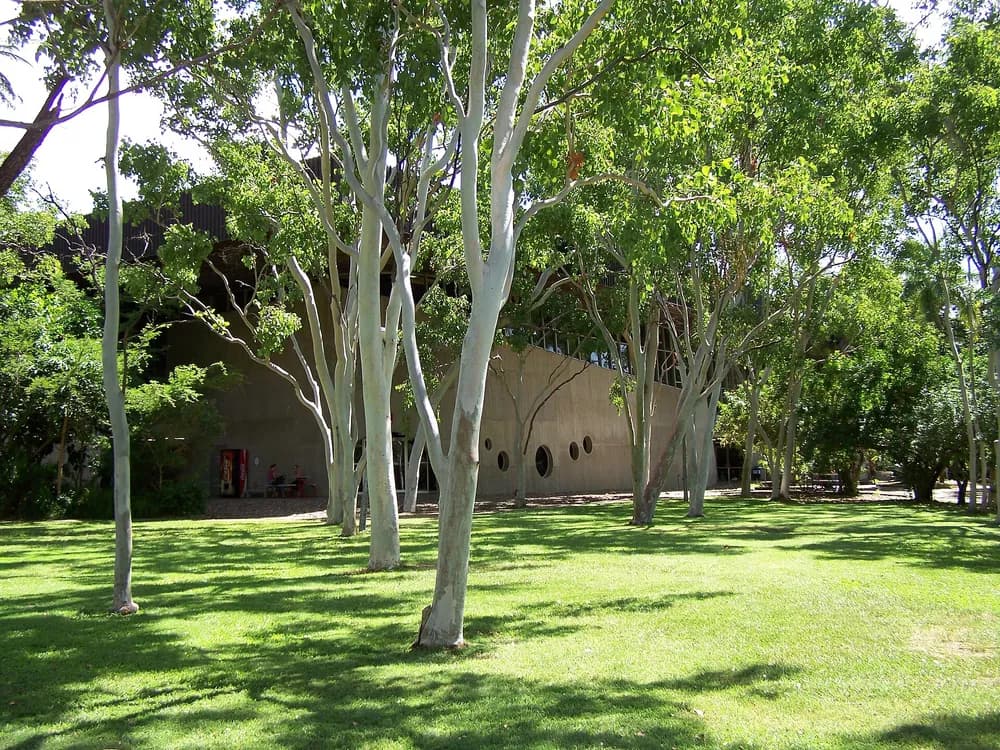
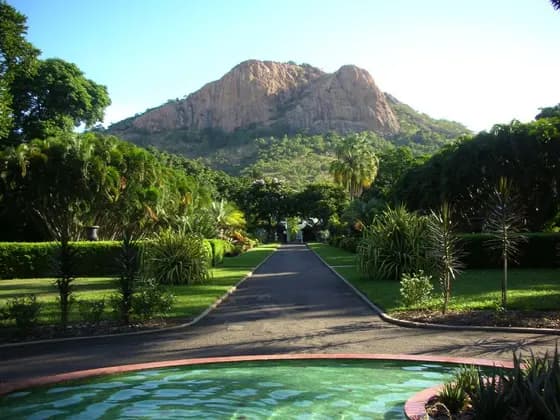
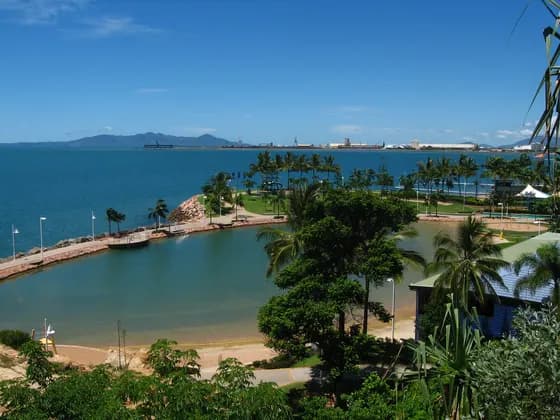
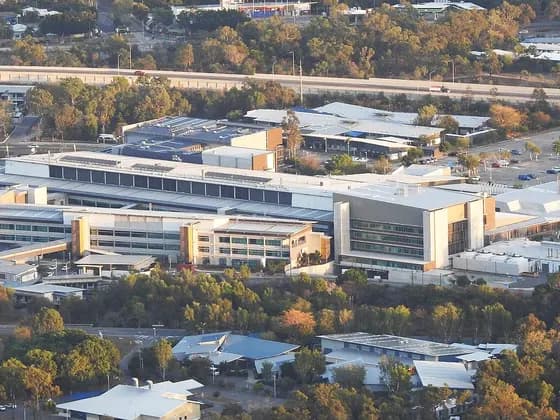
Photo: Nielg · Public domain · cropped
Photo: Heritage branch staff · CC BY 3.0 · Photo: Hector Garcia · CC BY-SA 2.0 · Photo: Rabin Tuladhar · CC BY-SA 4.0
How to get into JCU medicine
Step-by-step: entry requirements, admission tests, personal statement, interview format and the key deadlines.
Open the guide →JCU entry requirements
Admission profile, interview format, decision dates and what makes JCU different.
See the profile →The JCU medicine course
Integrated, 6 years (undergraduate entry), placements across Townsville, Cairns, Mackay and rural and remote Queensland.
See the course →The JCU medicine interview
JCU does not use UCAT ANZ or GAMSAT. For 2027 entry, Medicine applicants submit no written statements and no letters of support: JCU shortlists on academic results (predicted or actual ATAR for school leavers, GPA for non-school leavers) and rurality, then invites applicants to an online panel interview held through the Kira Talent platform. Panels typically include a health practitioner, an academic staff member and a member of the community.
The interview is where you show the attributes suited to a career in medicine. JCU gives no guidance on the questions — it asks applicants to consider what matters to them about a career in medicine and answer in their own words. Named towns, people and experiences still beat generic 'I want to help rural Australia' answers.
JCU operates under the Bonded Medical Program (BMP) plus the Rural Access Scheme, not the closed legacy MRBS scheme (MRBS has been closed to new entrants nationally since 2020). The 6-year MBBS is offered at both the Townsville and Cairns campuses, with placements in every year and the clinical years (4–6) allocated across Townsville, Cairns and Mackay. JCU has approximately 170 domestic places for 2027. The Indigenous entry pathway is strong with dedicated support.
JCU interview at a glance (2027 entry)
| Format | Academic shortlisting + online panel interview (via Kira Talent) |
|---|---|
| Interview panel | Typically a health practitioner, an academic and a community member |
| Written application | None for Medicine (applications close 30 September 2026) |
| Interview rounds (2027 entry) | 24 Nov–1 Dec 2026; 6–7 Jan 2027 |
| Admission tests | NO UCAT-ANZ, NO GAMSAT |
| Place types | CSP + BMP (bonded) + Rural Access Scheme + International |
| MRBS | Closed nationally since 2020 — replaced by BMP. Not used at JCU. |
Interview format
- Step 1: apply via QTAC and the JCU portal by 30 September 2026; Year 12 applicants arrange a Prediction of Academic Achievement (due 19 October 2026). No written statements or letters of support.
- Step 2: shortlisted applicants are invited to an **online panel interview** booked and held through the Kira Talent system (applicant pays a USD $20 plus tax platform fee).
- Two interview rounds: most interviews are in late November (before ATAR results); a small second round in early January covers applicants whose predictions were inaccurate or missing.
- No UCAT ANZ or GAMSAT — JCU does not use either, and sitting them gives no advantage.
- Bonded places are administered under the **Bonded Medical Program (BMP)**, with the **Rural Access Scheme** providing additional weighting for rural-origin applicants. MRBS is closed nationally and is not used by JCU.
- Taught at Townsville and Cairns; placements every year, with clinical years allocated across Townsville, Cairns and Mackay.
- JCU sets no ATAR threshold; non-school leavers need a GPA of at least 5.75 for results to be assessed, which is not a benchmark.
Sample interview questions
Tell us about your home community. What's the health profile, and what role do you want to play?
Concrete:
- specific town
- specific health challenges
- specific people
JCU examiners want depth.
Why JCU specifically? What attracts you to a tropical/rural workforce mission?
Engage with the Townsville/Cairns/Mount Isa footprint, tropical disease epidemiology, and Pacific health partnerships. Authentic specifics.
A patient at Thursday Island Hospital needs urgent retrieval to Cairns. The weather has grounded RFDS for 24 hours. What do you do?
Engage with retrieval medicine constraints, holding measures, communication with family and team. Don't catastrophise.
Closing the Gap targets continue to lag dramatically in remote north Queensland. What role can a JCU graduate play?
Concrete:
- ACCHO partnerships (Apunipima Cape York Health Council, Wuchopperen, Mulungu)
- cultural safety
- recognising racism
- workforce closing the gap
Role-play: explain to a family in a remote community why their relative needs aeromedical retrieval.
Plain language. Time-critical without panic. Family-centred communication. Cultural safety.
What does tropical medicine mean to you in practice?
Engage with the disease profile (rheumatic heart, melioidosis, dengue, scrub typhus), the climate-driven epidemiology, and the workforce realities.
Describe a time you supported a community member through a difficult experience.
JCU values genuine community-context care. Concrete and authentic.
Voluntary assisted dying is legal in Queensland. A patient on Thursday Island wants VAD but no local practitioner participates. What do you do?
QLD VAD Act referral obligations. VAD Pharmacy Service. Don't obstruct.
What concerns you most about being bonded to rural service for the duration of your career?
Honest. Isolation, scope-of-practice limits, family transitions, mentorship constraints. Show self-aware sustainability.
A patient in a remote community asks you for medical advice at the local store on your day off. You're a final-year student. What do you do?
What they are listening for:
- Boundaries
- dual relationships in small communities
- scope of practice
- professional referral
Don't dismiss the person.
Explain rheumatic heart disease screening to a parent in a remote community.
Plain language. Cultural context. Concrete next steps. Engage with the structural reasons for high prevalence.
Tell us about a non-clinical role you've played in your community.
What they are listening for:
- Volunteering
- sport
- work
- family
JCU values depth of community embedding.
A BMP-bonded graduate seeks to discharge their Return of Service Obligation early to take a metro specialty training place. What's your view?
Engage with BMP RoSO mechanics (not the closed MRBS), workforce intent, individual autonomy, JCU's rural mission. Balanced reasoning.
What does "rural and remote generalism" mean to you?
What they are listening for:
- Broad scope of practice
- longitudinal community role
- ACRRM and RACGP Rural Generalist pathways
Describe a time you reflected on critical feedback and changed your approach.
Authentic reflection.
A teenage patient in a remote town asks for contraception. Their family is well known in the community. What do you do?
What they are listening for:
- Mature minor/Gillick competence
- confidentiality
- Queensland age of consent
- small-community gossip realities
Respect autonomy.
JCU graduates often work in Pacific Island health systems. What's your view on that role?
Engage with Pacific health partnerships, the workforce reality, and the responsibility that comes with cross-border practice.
Practise the JCU interview
Rehearse the real format before the day — on demand with our AI interviewers, or live with a tutor.
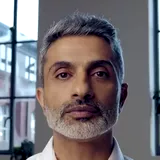
Sit a mock with photoreal AI interviewers — any time
A timed MMI or panel interview on video — Australian & international voices — with interviewers who listen, react and press with follow-ups. Rubric-scored feedback and a replay the moment you finish.





Live mocks with a tutor who’s been in the room
A full JCU-style mock with a medic or dentist tutor — honest scoring against real marking criteria, a station-by-station debrief and a written action plan.
Book a mock interviewHow to prepare for the JCU interview
Common pitfalls to avoid
JCU interview — frequently asked questions
Sources & official admissions information
Ready to nail your JCU interview?
Book a mock interview with a tutor who knows the Australian interview formats, orpractise unlimited stations with Prometheus.