
Charles Sturt (Rural) Medicine Interview
Format, Questions & Prep Tips
Charles Sturt medicine interviews for 2027 entry are multiple mini interviews (MMI), held Late November 2026 (invitations late October 2026). Published figures: Program / campus Bachelor of Clinical Science (Medicine)/Doctor of Medicine, 5 years, Orange (UAC 214478); minimum ATAR (interviewed candidates) 95.50; 91.50 via Rural Entry Admission; UAC preference deadline (2027 entry) 25 September 2026.
- Institution
- Charles Sturt University School of Rural Medicine
- Interview (2027 entry)
- Late November 2026 (invitations late October 2026)
- Decisions (2027 entry)
- UAC January Round 1 (January 2027)
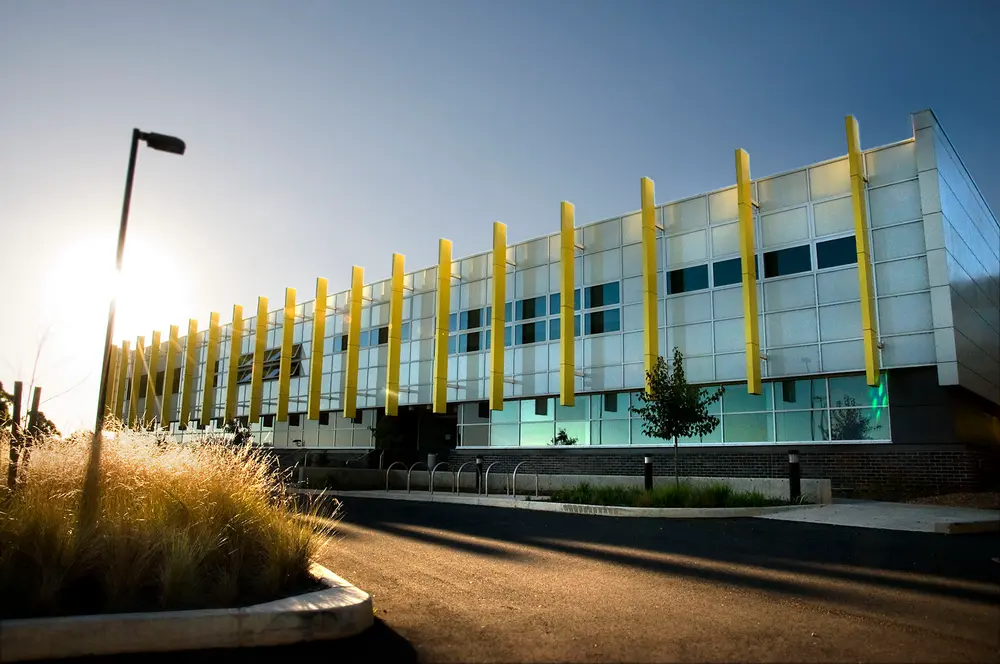
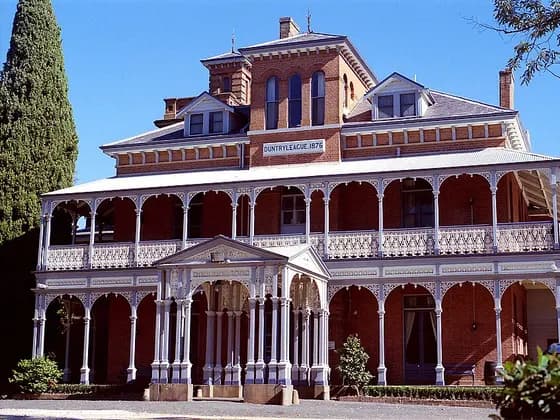
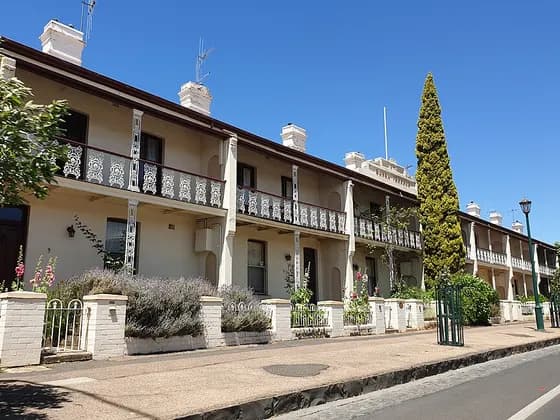
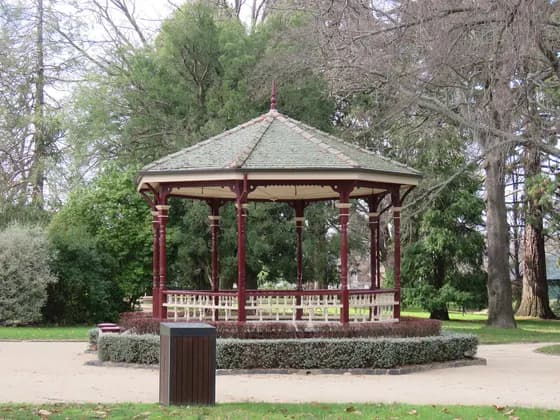
Photo: Content Charles Sturt · CC BY-SA 4.0 · cropped
Photo: Tinny186 · CC BY-SA 4.0 · Photo: Floodstreet · CC BY-SA 4.0 · Photo: Calistemon · CC BY-SA 4.0
How to get into Charles Sturt (Rural) medicine
Step-by-step: entry requirements, admission tests, personal statement, interview format and the key deadlines.
Open the guide →Charles Sturt (Rural) entry requirements
Admission profile, interview format, decision dates and what makes Charles Sturt (Rural) different.
See the profile →The Charles Sturt medicine course
Problem-based learning + Integrated, 5 years (undergraduate entry), placements across nine clinical schools in rural NSW and northern Victoria.
See the course →The Charles Sturt (Rural) medicine interview
Charles Sturt's five-year Bachelor of Clinical Science (Medicine)/Doctor of Medicine is taught at the Orange campus by the School of Rural Medicine. For 2027 entry UAC lists it under its own code (214478) with its own criteria: UCAT ANZ performance decides who is invited to interview, offers are then based on the interview and academic merit, and interviewed candidates need a minimum ATAR of 95.50, or 91.50 via Rural Entry Admission.
The timetable mirrors Western Sydney's, its former joint-program partner: UAC preference deadline 25 September 2026, interview invitations in late October, interviews in late November 2026, offers from UAC January Round 1. Charles Sturt's course page describes a multi-station MMI, but it blocks automated fetching, so treat station details as unconfirmed until you see your invitation.
The school's purpose is rural and regional workforce — interviewers probe genuine community connection and motivation for rural practice, and performative rural narratives score poorly. Rural Entry Admission is a pathway with a lower threshold, not an eligibility gate: applicants from anywhere can apply at 95.50.
Charles Sturt (Rural) interview at a glance (2027 entry)
| Program / campus | Bachelor of Clinical Science (Medicine)/Doctor of Medicine, 5 years, Orange (UAC 214478) |
|---|---|
| Selection | UCAT ANZ (for interview invitation) → interview → academic merit |
| Minimum ATAR (interviewed candidates) | 95.50; 91.50 via Rural Entry Admission |
| UAC preference deadline (2027 entry) | 25 September 2026 |
| Interviews | Late November 2026 (invitations late October) |
| Offers | UAC January Round 1 (2027) |
| Applicant / interview / offer numbers | Not published |
Interview format
- UCAT ANZ performance determines who is invited to interview; the interview and academic merit (lowest selection rank) then determine offers.
- Invitations in late October 2026, interviews in late November 2026 (2027 entry). Charles Sturt's course page describes a multi-station MMI; the station count and timing could not be verified.
- Minimum ATAR for interviewed candidates: 95.50 on secondary results, or 91.50 for applicants eligible for Rural Entry Admission.
- Offers are released from UAC January Round 1; Aboriginal and Torres Strait Islander applicants should contact the School of Rural Medicine (medicine@csu.edu.au) about its pathway.
- Taught at Orange. For 2027 entry the program is Charles Sturt's own, listed separately from Western Sydney University's Campbelltown program (UAC 725505).
Working towards the UCAT score Charles Sturt (Rural) expects? Build a week-by-week plan from your test date — free for the first two weeks.
Sample interview questions
Tell us about your rural community. What's the health profile and what role do you want to play?
Concrete:
- specific town
- specific health challenges
- specific people
Examiners want depth not breadth.
Why rural medicine specifically? What would pull you away from it?
Honest. Engage with the lifestyle, scope of practice, and the workforce dynamics — but acknowledge what might be challenging.
A patient in your home town asks you for medical advice at the local supermarket. You're a final-year student. What do you do?
What they are listening for:
- Boundaries
- scope of practice
- dual relationships in small communities
- professional referral
Don't be dismissive.
Closing the Gap targets continue to lag in Central West NSW. What role can a CSU/WSU graduate play?
Concrete actions:
- ACCHO partnerships (Bila Muuji)
- cultural safety
- racism in clinical encounters
- workforce closing the gap
Role-play: explain to a patient in Cowra why they need urgent retrieval to Orange for a cardiac event.
Plain language. Explain time-critical nature without panic. Engage the patient. Reference NETS (Newborn) or NSW Ambulance retrieval.
What would the medical workforce look like in your home town in 20 years if you and others like you didn't come back?
What they are listening for:
- Honest engagement with workforce maldistribution
- GP shortage
- specialist access
Don't catastrophise; do reason.
A teenage patient in a small town asks for contraception. They don't want their parents (who are well known in the community) to find out. What do you do?
What they are listening for:
- Gillick/Mature minor competence
- confidentiality
- NSW age of consent
- the realities of small-town gossip
Respect autonomy.
Explain to a worried farmer why their chronic back pain doesn't need opioid prescription.
Validate the pain. Plain language. Discuss alternatives, SafeScript NSW context, addiction risk without lecturing.
What concerns you most about practising in your home town as a doctor?
Honest. Dual relationships, social pressure, professional isolation, scope of practice limits. Show self-aware sustainability.
A rural-bonded graduate seeks to "buy out" their service obligation to take a metro specialty training place. What's your view?
Engage with workforce intent, individual autonomy, and the program's mission. Balanced reasoning.
Why CSU/WSU rather than the JMP rural pathway?
Engage with the School of Rural Medicine's dedicated rural focus and the Orange campus. Authentic specifics.
Describe a time you supported a friend or family member through a difficult health issue.
Authentic. CSU/WSU values genuine engagement with health in community context.
Voluntary assisted dying is legal in NSW. A patient in a remote Central West town wants VAD but no local practitioner participates. What do you do?
Reference the NSW VAD Act's referral obligations. VAD Navigator Service. Don't obstruct.
Tell us about a non-clinical role you've played in your rural community.
Concrete. Volunteering, sport, work, family support. CSU/WSU values depth of community embedding.
A patient at an Orange clinic is exhibiting acute psychiatric distress. The nearest psychiatric bed is in Wagga, 4 hours away. What do you do?
What they are listening for:
- Mental Health Act provisions
- NSW retrieval
- telehealth psychiatry
- holding measures
- family involvement
What does "rural generalism" mean to you?
Engage with the broad scope of practice, RACGP Rural Generalist pathway, ACRRM, and the longitudinal community role.
Describe a time you worked in a team in a small community context.
Authentic. CSU/WSU values teamwork in tight-knit, sometimes constrained settings.
Practise the Charles Sturt (Rural) interview
Rehearse the real format before the day — on demand with our AI interviewers, or live with a tutor.
Sit a mock with photoreal AI interviewers — any time
A timed MMI or panel interview on video — Australian & international voices — with interviewers who listen, react and press with follow-ups. Rubric-scored feedback and a replay the moment you finish.




Live mocks with a tutor who’s been in the room
A full Charles Sturt (Rural)-style mock with a medic or dentist tutor — honest scoring against real marking criteria, a station-by-station debrief and a written action plan.
Book a mock interviewHow to prepare for the Charles Sturt (Rural) interview
Common pitfalls to avoid
Charles Sturt (Rural) interview — frequently asked questions
Sources & official admissions information
Ready to nail your Charles Sturt (Rural) interview?
Book a mock interview with a tutor who knows the Australian interview formats, orpractise unlimited stations with Prometheus.