
UNSW Medicine Interview
Format, Questions & Prep Tips
UNSW medicine interviews for 2027 entry are a panel interview. Published figures: Domestic applicants interviewed Approximately 450 (2027 entry); minimum ATAR — General 96.00 (without EAS adjustments); minimum ATAR — Rural Entry / Gateway 91.00.
- Institution
- UNSW Sydney
- Interview (2027 entry)
- 23–27 November 2026 (Rural Entry); 14 December 2026 (Lateral Entry); 17–22 December 2026 and 12–13 January 2027 (General and Gateway); 18 January 2027 (late results)
- Decisions (2027 entry)
- UAC January Round 1 (8 January 2027), January Round 2 (21 January 2027) and February Round 1 (4 February 2027)
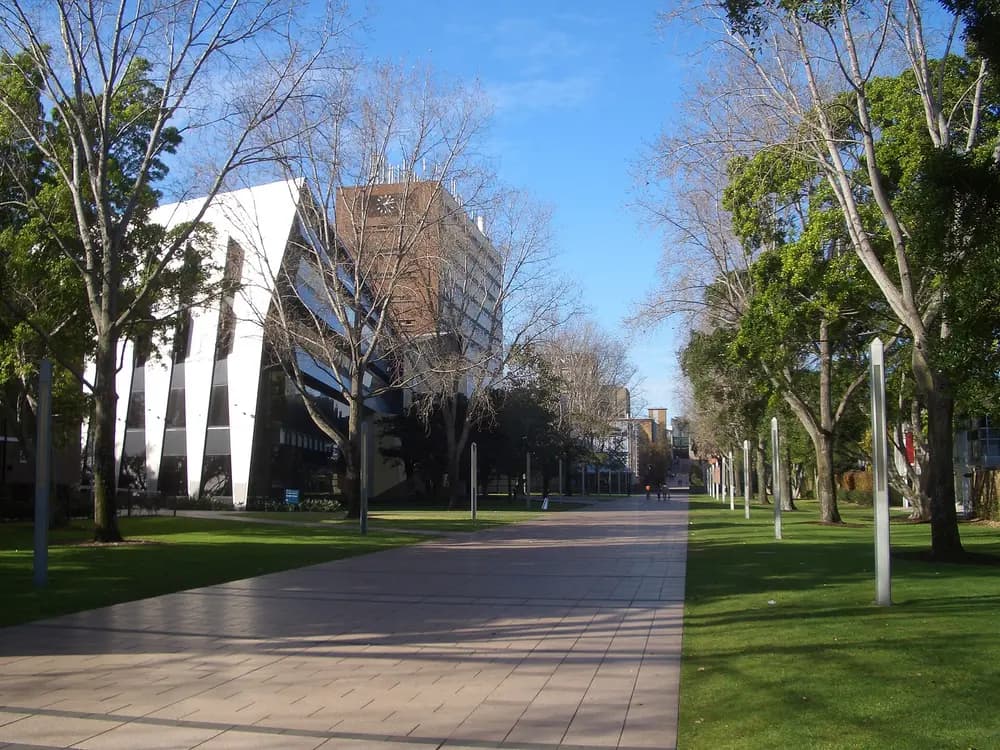
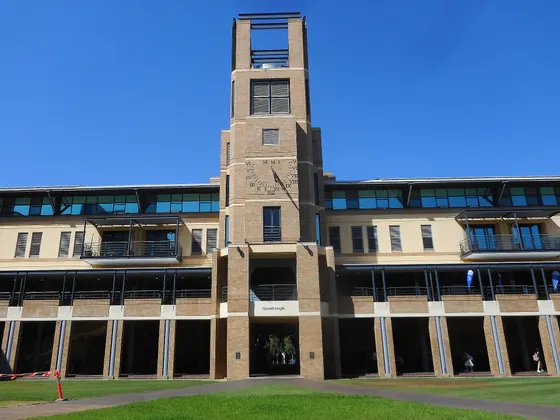
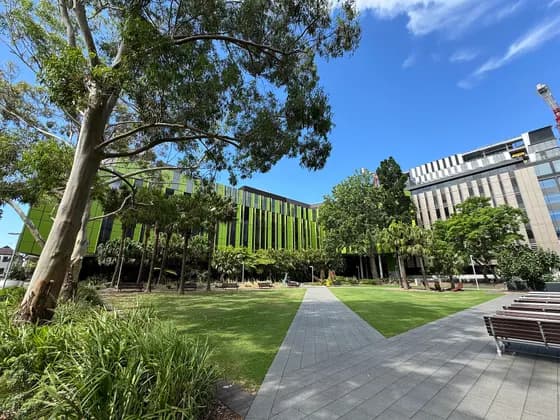
Photo: J Bar · CC BY-SA 3.0 · cropped
Photo: Sardaka · CC BY-SA 4.0 · Photo: FlyingKoala · CC BY 4.0 · Photo: Sardaka · CC BY-SA 4.0
How to get into UNSW medicine
Step-by-step: entry requirements, admission tests, personal statement, interview format and the key deadlines.
Open the guide →UNSW entry requirements
Admission profile, interview format, decision dates and what makes UNSW different.
See the profile →The UNSW medicine course
Integrated + Case-based learning, 6 years (direct entry), placements across Sydney, rural New South Wales and north-eastern Victoria.
See the course →The UNSW medicine interview
UNSW interviews shortlisted applicants through a structured interview with two interviewers (academic staff, medical practitioners or community representatives), held in person at the Kensington campus — Rural Entry applicants interview at their closest rural clinical campus — with no online option for domestic applicants. It is not an MMI.
For 2027 entry the interview dates are 23–27 November 2026 (Rural Entry), 14 December 2026 (Lateral Entry), 17–22 December 2026 and 12–13 January 2027 (General and Gateway), with a final round on 18 January 2027 for applicants whose results arrive late. About 450 domestic applicants are interviewed; selection for interview is on academic selection rank and UCAT ANZ overall score only, and the final ranking combines academic rank, UCAT ANZ and interview score.
UNSW's mission emphasises global health, Indigenous health and rural workforce — expect the interviewers to probe how your own experience connects to those values, and to return to the four UNSW Medicine Application questions (why medicine at UNSW, your qualities and skills, your non-academic interests, your life experience) that you submit through UAC by 30 September 2026.
UNSW interview at a glance (2027 entry)
| Domestic applicants interviewed | Approximately 450 (2027 entry) |
|---|---|
| Interview format | Structured interview, two interviewers, in person |
| Minimum ATAR — General | 96.00 (without EAS adjustments) |
| Minimum ATAR — Rural Entry / Gateway | 91.00 |
| University applicants | GPA ≥5.5 / 7 (General, Lateral); ≥4.8 (Rural) |
| Bonded Medical Places | 28.5% of Commonwealth Supported Places |
| Gateway / Lateral Entry offers | Approximately 20 / up to 10 |
| UCAT ANZ | Required (2026 sitting only); not required for Indigenous Entry |
Interview format
- One structured interview with two interviewers — academic staff, medical practitioners or community representatives — covering a wide range of topics; it is not a station-based MMI.
- In person at UNSW Kensington for all domestic applicants; Rural Entry applicants interview at their closest rural clinical campus. There is no online option.
- Selection for interview is on your selection rank and UCAT ANZ overall score only — the two are not averaged and you must be strong on both. Approximately 350 General, 60 Gateway and 30 Lateral Entry interviews are offered.
- Final ranking combines three criteria — academic rank, UCAT ANZ overall score and interview score; UNSW does not publish the weighting.
- Interview invitations follow ATAR release: 16 December 2026 for applicants with finalised results, 7 January 2027 for late results.
- The UNSW Medicine Application (four short questions, completed through your UAC preference for 428000) closes on 30 September 2026.
Working towards the UCAT score UNSW expects? Build a week-by-week plan from your test date — free for the first two weeks.
Sample interview questions
Why a 6-year undergraduate MD at UNSW rather than a graduate program?
What they are listening for:
- Articulate the appeal of starting medicine early
- the integrated ILP research thread
- UNSW's teaching hospital network
Avoid "I just want to be a doctor sooner".
UNSW emphasises global health. Describe a global-health issue that matters to you and what role you'd play.
Be specific:
- tuberculosis in the Western Pacific
- climate-driven vector spread
- vaccine equity
Connect to a personal hook.
A patient in regional NSW has been waiting 14 months for an elective procedure. They ask whether they should "go private" to skip the queue. What do you tell them?
Engage with equity, the two-tier public/private system, and informed choice. Don't moralise about private healthcare; respect autonomy.
Closing the Gap targets continue to lag for adult cardiovascular mortality. What's your view on what's gone wrong, and where would you start?
Move past surface statistics. Discuss social determinants, ACCHO funding, racism in clinical encounters, workforce composition.
Role-play: a teammate on your group ILP project hasn't contributed in three weeks. The deadline is in two days. Begin the conversation.
Curiosity first, accusation last. Use specific observable behaviours. Plan together what success looks like before escalating.
Explain the difference between Medicare and private health insurance to a Year 9 student.
Plain language. Use a school-canteen analogy if useful. Check understanding throughout.
What experience first made you think about medicine seriously?
Authentic. Avoid the polished origin-story arc; UNSW examiners trained to spot it.
Voluntary assisted dying is now legal in NSW. As an intern, what would you do if a patient asked you for a referral but you held a conscientious objection?
Reference the NSW VAD Act's referral obligations. You can object personally but must not obstruct access — refer to another practitioner.
Describe a time you advocated for someone who couldn't advocate for themselves.
STAR with reflection. UNSW values evidence of advocacy beyond your own circle.
Should Australia subsidise more weight-loss drugs (e.g., semaglutide) through the PBS, given the cost burden and the population obesity rates?
Engage with PBS economics, obesity as chronic disease, equity of access, and the alternative public-health investments.
Role-play: explain to a worried 70-year-old patient why you're recommending they receive an updated COVID booster.
What they are listening for:
- Validate concerns
- share evidence
- respect autonomy
- document
Avoid being dismissive of vaccine hesitancy.
Tell us about your Independent Learning Project interest before you've started — what would you want to research?
Authentic; tied to a clinical observation or lived experience. UNSW examiners spot buzzword answers.
Should medical schools cap the proportion of full-fee international students given workforce pressures?
Discuss CSP funding, international cohort revenue, and workforce projections. Balanced reasoning beats a strong stance.
Describe a time you changed your mind after listening to someone with a different lived experience.
Reflect on what shifted and why. UNSW values intellectual humility.
Why might a UNSW medical graduate choose to work rurally despite being trained in Sydney?
Genuine engagement with rural workforce pull factors — community connection, scope of practice, lifestyle, RACGP rural training.
A friend on the Indigenous Entry Program tells you they feel "imposter syndrome" being asked about Indigenous health. How do you respond?
Listen first. Don't centre yourself. Affirm their belonging. Encourage formal support if helpful.
What do you understand about the Australian Bonded Medical Program, and would you accept a BMP place?
Demonstrate factual knowledge (1-year return-of-service post-Fellowship in DPA or MM2-7). Be honest about whether you'd accept.
Tell us about a time you received critical feedback. What did you do with it?
Genuine reflection — not a humble brag. UNSW examiners value showing you can change.
Practise the UNSW interview
Rehearse the real format before the day — on demand with our AI interviewers, or live with a tutor.
Sit a mock with photoreal AI interviewers — any time
A timed MMI or panel interview on video — Australian & international voices — with interviewers who listen, react and press with follow-ups. Rubric-scored feedback and a replay the moment you finish.




Live mocks with a tutor who’s been in the room
A full UNSW-style mock with a medic or dentist tutor — honest scoring against real marking criteria, a station-by-station debrief and a written action plan.
Book a mock interviewHow to prepare for the UNSW interview
Common pitfalls to avoid
UNSW interview — frequently asked questions
Sources & official admissions information
Ready to nail your UNSW interview?
Book a mock interview with a tutor who knows the Australian interview formats, orpractise unlimited stations with Prometheus.