Houston, TX, USEst. 1905

UTHealth Houston School of Dentistry (DDS) Dental School - 2027 Entry Requirements & Interview Format

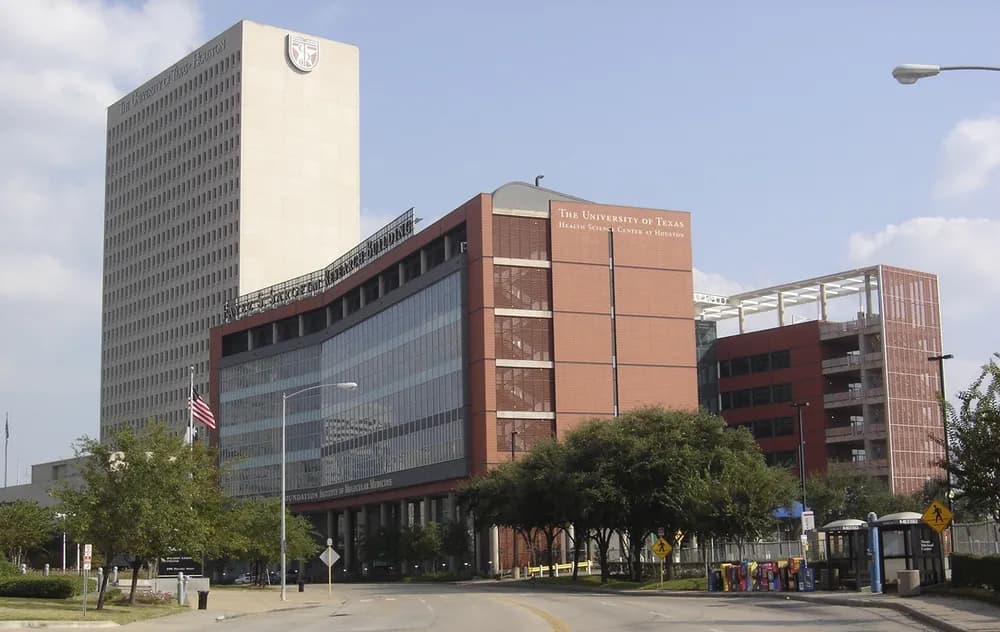
The University of Texas Health Science Center at Houston School of Dentistry (UTHealth Houston), part of the Texas Medical Center — the world's largest medical complex — is one of the premier public dental schools in the South. Founded in 1905, UTHealth Houston trains dentists for Texas and the nation, with access to extraordinary clinical volume and research resources through its Texas Medical Center location. The school is known for comprehensive clinical training and research in oral health.

Entry Requirements

What you need to apply to UTHealth Houston School of Dentistry (DDS).

Admission overview
Bachelor's degree and DAT required. Applications via TMDSAS. Texas residents have very strong preference — approximately 90% of seats for Texas residents. Dental experience, community service, and academic strength expected.
GPA median
3.62 overall / 3.56 science (BCPM)
Acceptance rate
6.0%
Class size
105
In-state preference
Strong — primarily in-state
In-state matriculants
90%
CASPer
Not required
Holistic review emphasis
Texas residency, dental experience, academic record, Houston community engagement.
Notes
Estimates from TMDSAS and school data; verify current cycle. DAT Academic Average median approximately 19–22 (hedged). TMDSAS application — ~90% Texas resident seats.
Specialities offered
Orthodontics, Oral and Maxillofacial Surgery, Periodontics, Prosthodontics, Pediatric Dentistry

Interview Format

How UTHealth Houston School of Dentistry (DDS) interviews applicants.

Format
Traditional one-on-one or panel interview with faculty
Interview window
October–February
Decision date
Rolling; TMDSAS uniform notification dates apply
Post-interview chances
Approximately 35–50% post-interview (estimated; strong for Texas residents).

What to expect at a UTHealth Houston School of Dentistry (DDS) interview

UTHealth Houston School of Dentistry conducts traditional faculty interviews on its Houston Medical Center campus, typically 30–45 minutes. The session covers motivation for dentistry, dental experience, manual dexterity, academic preparedness, and commitment to Texas communities. Interviewers probe awareness of Houston's diverse patient population, oral health needs in underserved Houston communities, and intent to practise in Texas. The interview day includes clinic and campus tours.

What makes UTHealth Houston School of Dentistry (DDS) different

Applications via TMDSAS. UTHealth Houston's Texas Medical Center location is one of its biggest assets — dental students have access to the world's largest healthcare complex for interprofessional education. Houston's extraordinary ethnic diversity means clinical training exposes students to one of the broadest patient demographics of any US dental school.

Tutor insight

TMDSAS application is mandatory — Texas residency is critical. Houston's diversity is a genuine training asset; demonstrate awareness of this in your interview. Research UTHealth Houston's research programmes and Texas Medical Center affiliations. Apply early in the TMDSAS cycle and demonstrate intent to practise in Texas.
Prometheus
405 dentistry questions inside

Interview questions matched to UTHealth Houston School of Dentistry (DDS)

Two questions our tutors flagged as a strong fit for UTHealth Houston School of Dentistry (DDS)’s interview style. Try answering them out loud, then open Prometheus for the model answers and follow-up tips.

MediumPanelQ1

Ergonomics and Career Longevity: Preventing Occupational Injury

Dentistry has among the highest rates of work-related musculoskeletal disorders (WMSDs) of any profession, with studies reporting that over 70% of dentists experience neck, back, or hand pain attributable to occupational factors. Poor ergonomics during clinical procedures can shorten careers and cause chronic injury. As a prospective dental student entering a 30+ year career, how seriously do you take occupational health as a professional responsibility, and what do you know about evidence-based ergonomic practices in dentistry?

Likely follow-up · You observe that the most experienced dentist in your rotation clinic has clearly never developed good ergonomic habits — they hunch, twist, and crane during procedures. How does this affect your own practice habits as a student?

3 expert tips in Prometheus
MediumMMI · PanelQ2

Service Orientation: Mobile Dental Clinics and Reaching the Homebound

Mobile dental clinics and portable dental units bring preventive and basic restorative care to populations who cannot or will not access traditional brick-and-mortar practices — including homebound elderly patients, migrant farmworkers, incarcerated individuals, and homeless populations. You have spent two semesters volunteering with a mobile dental unit that serves migrant farmworker communities in a rural agricultural county, providing oral screenings, cleanings, fluoride treatments, and emergency extractions. Describe what this experience has taught you about the structural barriers to dental care for migrant communities, and how it has shaped your thinking about what a committed dental career can look like.

Likely follow-up · Many migrant farmworker patients you encountered spoke limited English, and interpreter services were not always available. Describe specifically how you managed communication in these situations and what the limits of those approaches were.

3 expert tips in Prometheus

Ready to practise UTHealth Houston School of Dentistry (DDS)?

Book a school-specific mock interview with UTHealth Houston School of Dentistry (DDS) preselected.

Book a UTHealth Houston School of Dentistry (DDS) mock

UTHealth Houston School of Dentistry (DDS) - Frequently asked questions

Bachelor's degree and DAT required. Applications via TMDSAS. Texas residents have very strong preference — approximately 90% of seats for Texas residents. Dental experience, community service, and academic strength expected.

Traditional one-on-one or panel interview with faculty. UTHealth Houston School of Dentistry conducts traditional faculty interviews on its Houston Medical Center campus, typically 30–45 minutes. The session covers motivation for dentistry, dental experience, manual dexterity, academic preparedness, and commitment to Texas communities. Interviewers probe awareness of Houston's diverse patient population, oral health needs in underserved Houston communities, and intent to practise in Texas. The interview day includes clinic and campus tours.

UTHealth Houston School of Dentistry (DDS) typically interviews in October–February.

Decisions are released Rolling; TMDSAS uniform notification dates apply.

Applications via TMDSAS. UTHealth Houston's Texas Medical Center location is one of its biggest assets — dental students have access to the world's largest healthcare complex for interprofessional education. Houston's extraordinary ethnic diversity means clinical training exposes students to one of the broadest patient demographics of any US dental school.
Reviewed by Isaac Butler-King, medical student at the University of Glasgow. Last reviewed: 6 June 2026 · NextGen MedPrep editorial team
UTHealth Houston School of Dentistry (DDS) DDS | DAT, GPA & Interview Format | NGMP