
Burrell College of Osteopathic Medicine — Florida Interview
Format, Questions & Prep Tips
Burrell College of Osteopathic Medicine — Florida medicine interviews for 2027 entry are a traditional interview, held September 2026 through February 2027. Published figures: Annual DO class size ~110 (growing); Tuition (2025–26) ~USD 51,000/year (estimated).
- Institution
- Burrell College of Osteopathic Medicine Florida
- Interview (2027 entry)
- September through February
- Decisions (2027 entry)
- Rolling decisions, typically 4–8 weeks post-interview

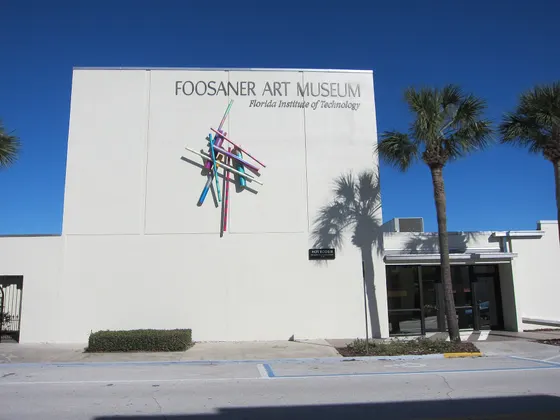
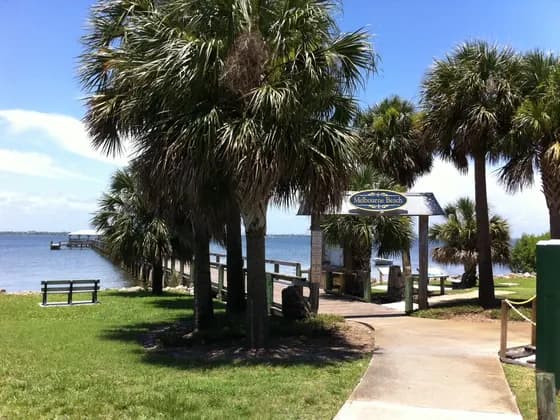
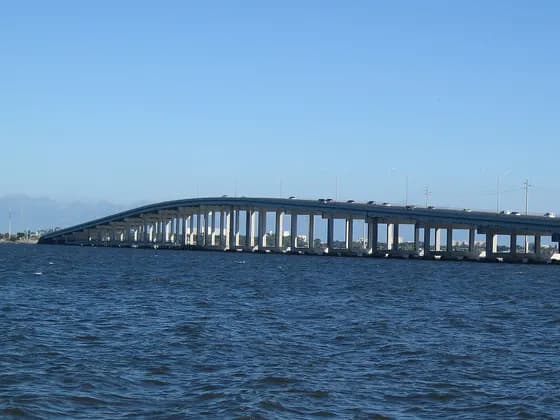
Photo: Jamesontai at English Wikipedia · CC BY 3.0 · cropped
Photo: Leonard J. DeFrancisci · CC BY-SA 3.0 · Photo: Leonard J. DeFrancisci · CC BY-SA 3.0 · Photo: Leonard J. DeFrancisci · CC BY-SA 3.0
How to get into Burrell College of Osteopathic Medicine — Florida (DO) medicine
Step-by-step: entry requirements, admission tests, personal statement, interview format and the key deadlines.
Open the guide →Burrell College of Osteopathic Medicine — Florida (DO) entry requirements
Admission profile, interview format, decision dates and what makes Burrell College of Osteopathic Medicine — Florida (DO) different.
See the profile →The Burrell College of Osteopathic Medicine — Florida (DO) medicine interview
Burrell College of Osteopathic Medicine Florida uses a traditional interview format — faculty sessions at its Melbourne, Florida campus on the Space Coast.
AACOMAS is the primary application service. CASPer is not currently required (verify for current cycle).
Burrell FL is a newer campus (established ~2022) extending Burrell College of Osteopathic Medicine’s New Mexico mission to Central Florida. As a newer program, the interview process assesses whether applicants understand the campus’s specific Central Florida context — the Space Coast community, Brevard County’s health needs, and Florida’s growing healthcare workforce demands. Interviewers want to see genuine interest in the campus rather than treating it as a generic fallback.
Burrell College of Osteopathic Medicine — Florida (DO) interview at a glance (2027 entry)
| Annual DO class size | ~110 (growing) |
|---|---|
| Interview format | Traditional — faculty session |
| CASPer required | No |
| Application system | AACOMAS primary + BCOM secondary |
| Tuition (2025–26) | ~USD 51,000/year (estimated) |
| Interview window | September–February |
Interview format
- Traditional faculty interview; approximately 30–45 minutes.
- Newer campus context: expect questions about program fit and adaptability.
- No MMI.
Working towards the MCAT score Burrell College of Osteopathic Medicine — Florida (DO) expects? Build a week-by-week plan from your test date — free for the first two weeks.
Sample interview questions
Burrell FL is a relatively new campus. Does that concern you, and why did you choose a newer program?
COCA accreditation (or candidacy), Burrell's established NM campus provides institutional backbone, and the opportunity to be part of a growing program. Show you have researched the campus's accreditation status and trajectory.
Melbourne is on Florida's Space Coast. What do you know about the healthcare needs of Brevard County and Central Florida?
Research Brevard County:
- mix of coastal suburban communities
- significant inland rural and underserved populations
- a rapidly growing elderly population
- gaps in specialist access for inland communities
Why osteopathic medicine? What specifically draws you to the DO degree over an MD program?
Demonstrate genuine osteopathic philosophy knowledge: the four tenets, OMM/OMT, Andrew Taylor Still's founding vision, and what the DO approach means for your specific clinical practice goals.
Florida has a large elderly population. An elderly patient's family insists on aggressive treatment the patient has previously said she does not want. How do you navigate this?
What they are listening for:
- Patient autonomy
- advance directives
- healthcare surrogate law
- family dynamics
- the physician's role in supporting the patient's expressed wishes
Describe a healthcare experience that reinforced your commitment to primary care or underserved medicine.
Authentic story with specific detail. Reflect on what you observed about access barriers and how the experience shaped your understanding of what kind of physician you want to be.
Burrell NM was founded to serve the US-Mexico border region. The Florida campus was created to address Central Florida's healthcare needs. What specifically motivated you to apply to the Florida campus rather than New Mexico?
Be specific about Florida: your connection to the region, the health challenges of Central Florida, and why the Melbourne campus aligns with your goals. If you applied to both, be prepared to explain your preference.
Florida has a large population of uninsured or underinsured residents and did not expand Medicaid until 2023. How does that policy context affect the patients you will see as a Florida physician?
What they are listening for:
- Florida's late Medicaid expansion
- the coverage gap for low-income adults
- federally qualified health centers as safety net providers
- the practical implications for primary care physicians practicing in Florida
Melbourne has a growing Spanish-speaking and Caribbean-heritage population. How will you ensure culturally competent care for these communities?
What they are listening for:
- Cultural humility
- professional medical interpretation
- community health workers
- building relationships within specific cultural communities over time
Describe a time you worked effectively on a team in a healthcare or community setting. What was your specific contribution?
AAMC Interpersonal: teamwork. Choose a concrete experience that shows both collaborative ability and self-awareness about your role.
What is the greatest challenge you anticipate in your first year of medical school, and how are you preparing for it?
Self-awareness and proactive planning. Show you have thought seriously about the challenges of the preclinical years and have concrete strategies, not just generic resilience language.
Brevard County has a large and growing elderly population. How would you think about measuring whether a primary care practice is doing a good job of managing chronic disease in older adults specifically?
Population-health lens:
- polypharmacy and deprescribing
- fall-risk screening
- advance-care-planning completion rates
- hospital readmissions
- continuity
Distinguish process from outcome measures; keep figures conceptual.
An 82-year-old patient on the Space Coast tells you he wants to 'stop all the pills' because he feels they make him tired and he doesn't see the point anymore. Talk through this with him as you would in clinic.
Demonstrate the encounter: explore what 'no point' means (screen for depression and goals of care), review which medications truly matter, and negotiate rather than dictate. Patient-centered geriatric communication.
As one of the early cohorts at a newer campus, you will help establish study culture and may have less upper-year mentorship to lean on. What is your concrete plan for COMLEX-USA preparation and self-directed learning?
Spaced repetition, board-preparation timeline, building peer study structures from scratch, and resourcefulness when established alumni and tutoring networks are still forming.
A patient asks you whether she should worry that Burrell FL is a brand-new program and whether it will affect her care if she becomes your patient one day. Set that aside — as an applicant, how do you weigh the genuine risks of an unproven program against its opportunities?
What they are listening for:
- Honest
- evidence-based reasoning: accreditation status as the decisive factor
- the institutional backbone of the established NM campus
- a clear-eyed view of limited match data — without dismissing legitimate concerns
Melbourne has growing Caribbean-heritage and Spanish-speaking communities. A patient from one of these communities seems polite but disengaged during your visit. How do you recognize and respond to that?
What they are listening for:
- Reading non-verbal cues
- building trust across cultural distance
- checking understanding with teach-back
- avoiding the assumption that politeness equals comprehension or agreement
Practise the Burrell College of Osteopathic Medicine — Florida (DO) interview
Rehearse the real format before the day — on demand with our AI interviewers, or live with a tutor.
Sit a mock with photoreal AI interviewers — any time
A timed MMI or panel interview on video — American & international voices — with interviewers who listen, react and press with follow-ups. Rubric-scored feedback and a replay the moment you finish.


Live mocks with a tutor who’s been in the room
A full Burrell College of Osteopathic Medicine — Florida (DO)-style mock with a medic or dentist tutor — honest scoring against real marking criteria, a station-by-station debrief and a written action plan.
Book a mock interviewHow to prepare for the Burrell College of Osteopathic Medicine — Florida (DO) interview
Common pitfalls to avoid
Burrell College of Osteopathic Medicine — Florida (DO) interview — frequently asked questions
Sources & official admissions information
Ready to nail your Burrell College of Osteopathic Medicine — Florida (DO) interview?
Book a mock interview with a tutor who knows the US interview formats, orpractice unlimited stations from our interview question bank.