
KCU-KC COM Interview
Format, Questions & Prep Tips
KCU-KC COM medicine interviews for 2027 entry are a traditional interview, held September 2026 through February 2027. Published figures: Annual DO class size ~269; MCAT median (est.) ~506; Founded 1916 — one of oldest DO schools in the US.
- Institution
- Kansas City University College of Osteopathic Medicine Kansas City
- Interview (2027 entry)
- September through February
- Decisions (2027 entry)
- Rolling decisions after interview

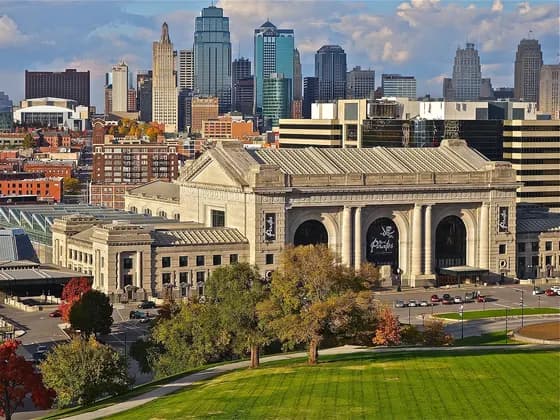

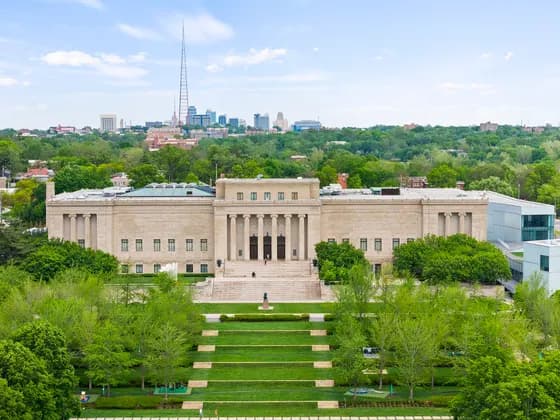
Photo: EJParnell · CC BY-SA 4.0 · cropped
Photo: Dean Hochman from Overland Park, Kansas, U.S. · CC BY 2.0 · Photo: User:Charvex · Public domain · Photo: Peterspexarth · CC BY 4.0
How to get into KCU-KC COM (DO) medicine
Step-by-step: entry requirements, admission tests, personal statement, interview format and the key deadlines.
Open the guide →KCU-KC COM (DO) entry requirements
Admission profile, interview format, decision dates and what makes KCU-KC COM (DO) different.
See the profile →The KCU-KC COM (DO) medicine interview
Kansas City University College of Osteopathic Medicine Kansas City campus (KCU-KC) is one of the oldest osteopathic medical schools in the US, founded in 1916. KCU-KC uses a traditional interview format with two one-on-one sessions and is known for holding applicants to a high standard of osteopathic philosophy depth.
KCU-KC does **not currently require CASPer. Applications go through AACOMAS**, with rolling admissions rewarding early submission. Kansas City is a major Midwest medical hub, giving KCU-KC students access to a large and diverse clinical rotation network across urban, suburban, and regional hospitals.
Interview day is deliberate and historically grounded. KCU-KC interviewers — many of whom are long-tenured faculty with decades of DO education experience — will probe the depth of your osteopathic conviction beyond stock phrases like "holistic care."
KCU-KC COM (DO) interview at a glance (2027 entry)
| Annual DO class size | ~269 |
|---|---|
| Interview format | Traditional — two one-on-one sessions (faculty + student) |
| CASPer required | No |
| Application system | AACOMAS primary + KCU secondary |
| Interview window | September–February |
| MCAT median (est.) | ~506 |
| Founded | 1916 — one of oldest DO schools in the US |
Interview format
- Two one-on-one sessions: faculty physician and current student; ~30 minutes each.
- Campus tour of Kansas City medical campus.
- Structured but conversational; expect follow-up questions on your initial answers.
Working towards the MCAT score KCU-KC COM (DO) expects? Build a week-by-week plan from your test date — free for the first two weeks.
Sample interview questions
KCU was founded in 1916 — over a century ago. What does the longevity of this osteopathic institution tell you about the resilience of DO medicine, and why does that history matter to your decision to become a DO?
Show awareness of the DO profession's history: Andrew Taylor Still's founding philosophy in Missouri, the long fight for full practice rights, the 2020 merger of MD/DO residency tracks. Connect history to present clinical relevance.
Tell me about a specific encounter during your DO shadowing that made you understand osteopathic medicine differently. What were you observing and what changed in your thinking?
This is the most important preparation you can do. Have a concrete, specific story: a patient, a condition, an OMT technique, and what you learned about the whole-person approach that wasn't obvious before that moment.
You are a DO in primary care and a patient asks you why they should see you instead of an MD. How do you answer?
Evidence-based framing:
- equivalent practice rights
- OMT as an additional clinical tool
- osteopathic structural exam
- the philosophical commitment to treating the patient as a whole system
Avoid overstating OMT efficacy claims.
Describe a challenging interpersonal conflict in a team setting and how you resolved it. What does this tell you about how you will function in a clinical team?
What they are listening for:
- Conflict resolution
- listening skills
- professional accountability
- the interpersonal competencies needed in a clinical team
KCU trains physicians for complex Kansas City hospital environments — teamwork is essential.
What healthcare experiences have shaped your understanding of the communities KCU-KC physicians serve in the Kansas City metro area?
Kansas City's health disparities, urban primary care needs, and the Midwest population KCU graduates serve. Free clinic, community health, or clinical observation in the Kansas City area is valued but not required.
You are a fourth-year medical student on a hospital rotation. You observe an attending physician making what you believe is a significant clinical error. What do you do?
What they are listening for:
- Hierarchy and patient safety in clinical training
- respectful escalation
- ACGME duty to report unsafe practices
- the specific rights and responsibilities of medical students in clinical placements
- protecting the patient without burning professional relationships
KCU has a Joplin campus as well as Kansas City. What specifically drew you to the Kansas City campus, and what does the urban Kansas City medical environment offer your training?
What they are listening for:
- Breadth of rotation network
- specialty diversity
- major hospital systems
- urban health equity contexts
- the value of training in a large metropolitan healthcare ecosystem
What do you know about KCU's academic standards and how do you plan to maintain your performance through the rigors of a DO curriculum?
Self-directed learning, resilience, peer support, USMLE/COMLEX preparation strategies, and the time management skills needed to succeed in an intensive graduate medical program.
The Kansas City metro has significant health disparities across its neighborhoods. How would you think about measuring whether a primary care practice is genuinely narrowing those gaps rather than just improving its overall averages?
What they are listening for:
- Equity-stratified
- geography-aware metrics: disaggregating outcomes by neighborhood and demographics
- the difference between a rising average and a closing gap
- process versus outcome measures
Keep figures conceptual.
A patient asks you directly, 'Why should I see a DO instead of an MD?' Talk to me as if you're answering her in clinic.
Demonstrate the conversation, not a lecture: equivalent practice rights, the osteopathic structural exam and OMT as an additional tool, the whole-person philosophy, and confident, evidence-based framing without overstating OMT efficacy.
KCU holds applicants to a high standard of academic and osteopathic rigor. What is your evidence-based study strategy for the preclinical years and COMLEX-USA, and how will you keep OMT skills sharp throughout?
What they are listening for:
- Spaced repetition
- active recall
- a realistic board-preparation timeline
- deliberate hands-on OMT practice
- resilience strategies
As one of the oldest DO schools, KCU expects genuine academic seriousness and osteopathic depth.
On a fourth-year hospital rotation in Kansas City, you observe an attending make what you believe is a significant clinical error. What do you do?
What they are listening for:
- Patient safety as the priority
- respectful escalation within the hierarchy
- the duty to report unsafe practice
- the rights and limits of a medical student
- protecting the patient without needlessly burning professional relationships
KCU emphasizes osteopathic outcomes research. How would you critically evaluate a study claiming OMT improves outcomes for a given condition before letting it change your practice?
Study design and sample size, control groups and blinding challenges with manual therapy, effect size versus statistical significance, reproducibility, and intellectual honesty about where the OMT evidence base is strong versus weak.
Describe a serious interpersonal conflict you had within a team, and then role-play how you'd raise a similar disagreement with a senior teammate on a busy Kansas City hospital service.
Demonstrate respectful, accountable conflict resolution: listening, focusing on the patient and the issue rather than the person, and professional assertiveness appropriate to a complex hospital team.
KCU was founded in 1916, near the origins of osteopathic medicine in Missouri. How does understanding that history shape the kind of osteopathic physician you intend to be?
What they are listening for:
- Andrew Taylor Still's founding philosophy
- the long fight for full practice rights
- the 2020 single-accreditation merger of residency tracks
- how that lineage informs a confident
- evidence-based osteopathic identity today
Practise the KCU-KC COM (DO) interview
Rehearse the real format before the day — on demand with our AI interviewers, or live with a tutor.
Sit a mock with photoreal AI interviewers — any time
A timed MMI or panel interview on video — American & international voices — with interviewers who listen, react and press with follow-ups. Rubric-scored feedback and a replay the moment you finish.




Live mocks with a tutor who’s been in the room
A full KCU-KC COM (DO)-style mock with a medic or dentist tutor — honest scoring against real marking criteria, a station-by-station debrief and a written action plan.
Book a mock interviewHow to prepare for the KCU-KC COM (DO) interview
Common pitfalls to avoid
KCU-KC COM (DO) interview — frequently asked questions
Sources & official admissions information
Ready to nail your KCU-KC COM (DO) interview?
Book a mock interview with a tutor who knows the US interview formats, orpractice unlimited stations from our interview question bank.