
Methodist University Cape Fear Valley Health School of Medicine Interview
Format, Questions & Prep Tips
Methodist University Cape Fear Valley Health School of Medicine medicine interviews for 2027 entry are a traditional interview. Published figures: Annual MD class size ~60 (inaugural cohort); Applications received Limited data — new program est. 2024; Interview format Traditional — faculty + administrator, ~30–45 min each.
- Institution
- Methodist University Cape Fear Valley Health School of Medicine
- Interview (2027 entry)
- October through March; rolling invitations; program is new so timelines may differ from established schools
- Decisions (2027 entry)
- Rolling decisions; verify specific timelines with admissions given the school's early stage

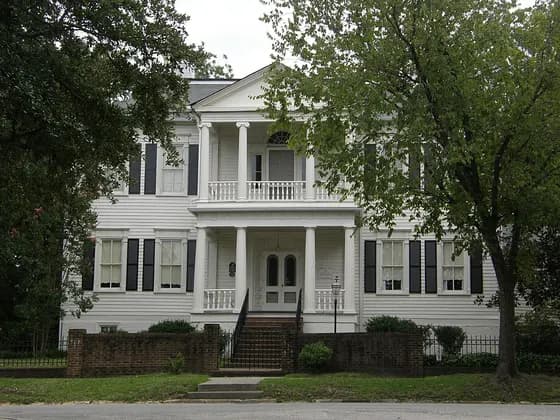

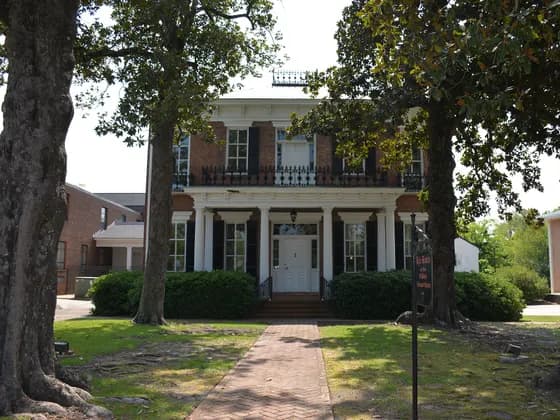
Photo: Gerry Dincher from Hope Mills, NC · CC BY-SA 2.0 · cropped
Photo: Kelliejojo · CC BY 3.0 · Photo: KMayner78 of English Wikipedia · CC BY-SA 3.0 · Photo: Apc106 · CC BY-SA 3.0
How to get into Methodist University Cape Fear Valley Health School of Medicine (MD) medicine
Step-by-step: entry requirements, admission tests, personal statement, interview format and the key deadlines.
Open the guide →Methodist University Cape Fear Valley Health School of Medicine (MD) entry requirements
Admission profile, interview format, decision dates and what makes Methodist University Cape Fear Valley Health School of Medicine (MD) different.
See the profile →The Methodist University Cape Fear Valley Health School of Medicine (MD) medicine interview
Methodist University Cape Fear Valley Health SOM uses a traditional panel interview format with separate one-on-one sessions with faculty and administrators. As one of the newest allopathic medical schools in the US (inaugural class 2024), the interview process reflects the school’s foundational mission: military and veteran community medicine, rural primary care, and Cape Fear regional health.
Interviewers are especially interested in candidates who understand the school's unique context — the proximity to Fort Liberty (formerly Fort Bragg), the rural NC healthcare landscape, and the opportunities and challenges of joining a program still building its identity.
Expect questions that probe the AAMC Premed Competencies, which fall into three categories: Professional, Science, and Thinking and Reasoning.
Methodist University Cape Fear Valley Health School of Medicine (MD) interview at a glance (2027 entry)
| Annual MD class size | ~60 (inaugural cohort) |
|---|---|
| Applications received | Limited data — new program est. 2024 |
| Interview format | Traditional — faculty + administrator, ~30–45 min each |
| Curriculum | Integrated; military/veteran health embedded; LCME accreditation in progress |
| Tuition (2025–26) | Verify with admissions — new program, pricing evolving |
| Application system | AMCAS |
| Interview window | October–March |
Interview format
- Traditional one-on-one sessions with faculty clinicians and/or school administrators.
- Each session approximately 30–45 minutes; interviewers have read the full application.
- Mission alignment to military/veteran health and rural NC primary care is the primary evaluative lens.
- Interview day includes an introduction to Cape Fear Valley Health system and the Fayetteville clinical environment.
- As a new school, the interview experience may evolve across cycles; confirm format specifics with admissions.
Working towards the MCAT score Methodist University Cape Fear Valley Health School of Medicine (MD) expects? Build a week-by-week plan from your test date — free for the first two weeks.
Sample interview questions
Why Methodist University Cape Fear Valley Health SOM — why a new medical school, and why Fayetteville, North Carolina?
The most critical question at this school. Demonstrate you understand and embrace the risks and opportunities of a new program. Reference the military/veteran community, Cape Fear Valley Health, the Fort Liberty adjacency, and rural NC health challenges.
What specific connection do you have to the military, veteran, or Fayetteville community, and how does it inform your interest in this school?
If you have direct military or family military ties, this is extremely relevant here. If not, demonstrate research into veteran health issues (TBI, PTSD, MST, musculoskeletal trauma) and explain what draws you to this patient population despite no personal connection.
A veteran patient presents with chronic pain and requests opioids. They have a history of combat-related PTSD. How do you approach pain management in this context?
What they are listening for:
- PDMP
- risk stratification
- addiction medicine consultation
- VA/DoD clinical practice guidelines for PTSD comorbid with chronic pain
- non-opioid modalities (CBT, acupuncture, PT)
- the importance of treating the underlying trauma
Show awareness of veteran-specific clinical complexity.
A soldier's spouse presents to your primary care clinic with anxiety and depression she attributes to her husband's recent deployment. How do you conduct this visit?
What they are listening for:
- Screen for PTSD
- depression severity
- intimate partner violence risk
Discuss the unique stressors of military families: reintegration, deployment-related grief, financial strain. Know the Military One Source and Tricare mental health resources.
What are the most significant health challenges facing the Cape Fear region, and how would you address them as a physician trained here?
Research Fayetteville and Cumberland County health data: high rates of obesity, cardiovascular disease, behavioral health disorders, and opioid use disorder; socioeconomic challenges; access gaps. Show geographic and demographic specificity.
As a medical student at a new school still building its accreditation, you discover that a required clinical rotation is not yet available for your cohort. How do you respond?
Tests resilience and adaptability — key attributes for early-adopter students at new schools. Discuss constructive advocacy through proper channels, creative alternatives (simulation, outside electives), and maintaining professionalism under uncertainty.
What are the specific advantages of training at a new medical school, and what are the risks? How do you weigh both?
Shows intellectual honesty about the trade-off. Advantages: smaller class, foundational role, faculty mentorship, mission clarity. Risks: developing curriculum, unproven match list, evolving accreditation. Show you have genuinely weighed this and are not naive.
Military physicians sometimes face situations where patient confidentiality conflicts with fitness-for-duty reporting. How would you navigate this tension?
Military medicine has specific confidentiality exceptions not present in civilian practice: fitness-for-duty assessments, unit safety, security clearances. Discuss the dual obligations (patient vs. mission safety) and when disclosure is legally and ethically required.
How would you explain a new PTSD diagnosis to a combat veteran who is resistant to the label because of perceived stigma in the military culture?
Use language the patient is comfortable with; acknowledge the cultural stigma around mental health in military environments; focus on function and quality of life rather than diagnosis; frame treatment as a strength-based tool. Show cultural competency with military culture.
Where do you see yourself in 15 years — and how does training at Methodist Cape Fear contribute to that vision?
Describe a career that serves the Cape Fear region or a comparable military-adjacent community. Show long-term commitment, not a stepping-stone narrative.
Role-play: You are a primary-care physician near Fort Liberty and a recently separated veteran (played by the interviewer) is frustrated and guarded, saying the system 'lost his records' in the transition from military to VA care and he is tired of repeating himself. Begin.
Acknowledge the very real DoD-to-VA care-fragmentation frustration, avoid defensiveness, and demonstrate continuity by taking ownership of getting the information you need. This reflects the school's veteran-health mission — show patience and cultural competence with military patients.
You are shown Cumberland County health data with elevated rates of obesity, cardiovascular disease, behavioral-health disorders, and opioid use relative to state averages. As a physician trained here, how do you prioritize, and what does the clustering suggest?
Look for shared upstream drivers — poverty, behavioral-health access gaps, the military-community stress profile — rather than treating each statistic separately. Discuss prioritizing high-leverage, linked interventions. Shows population reasoning grounded in the Cape Fear region.
As an inaugural-cohort student, you are asked to give candid feedback that might reflect poorly on a still-developing course your faculty worked hard to build. How do you balance honesty with loyalty to a new program finding its feet?
Argue that constructive honesty is the highest form of loyalty for a new school whose accreditation and quality depend on real feedback. Discuss delivering it through proper channels and professionally. Tests the resilience and integrity early-adopter students need.
A National Guard patient is anxious that documenting a mental-health concern could affect their security clearance or career. How do you handle the conversation while being honest about confidentiality limits?
Be transparent about where military fitness-for-duty reporting differs from civilian confidentiality, without scaring the patient away from care. Explore options, validate the legitimate fear, and connect to appropriate resources. Demonstrates command of military-medicine confidentiality nuance.
What does LCME provisional accreditation actually mean for an inaugural-class student, and how would you explain the associated risks and reassurances to a worried family member?
Explain that provisional accreditation permits enrollment and that graduates of provisionally accredited schools are generally eligible for ACGME residencies, while being honest that the match record is unproven and some program directors may have questions. Shows you have done the homework rather than glossing over the risk.
Practise the Methodist University Cape Fear Valley Health School of Medicine (MD) interview
Rehearse the real format before the day — on demand with our AI interviewers, or live with a tutor.
Sit a mock with photoreal AI interviewers — any time
A timed MMI or panel interview on video — American & international voices — with interviewers who listen, react and press with follow-ups. Rubric-scored feedback and a replay the moment you finish.






Live mocks with a tutor who’s been in the room
A full Methodist University Cape Fear Valley Health School of Medicine (MD)-style mock with a medic or dentist tutor — honest scoring against real marking criteria, a station-by-station debrief and a written action plan.
Book a mock interviewHow to prepare for the Methodist University Cape Fear Valley Health School of Medicine (MD) interview
Common pitfalls to avoid
Methodist University Cape Fear Valley Health School of Medicine (MD) interview — frequently asked questions
Sources & official admissions information
Ready to nail your Methodist University Cape Fear Valley Health School of Medicine (MD) interview?
Book a mock interview with a tutor who knows the US interview formats, orpractice unlimited stations from our interview question bank.