
Campbell University CUSOM Interview
Format, Questions & Prep Tips
Campbell University CUSOM medicine interviews for 2027 entry are a traditional interview, held September 2026 through February 2027. Published figures: Annual DO class size ~158; Tuition (2025–26) ~USD 55,000/year (estimated).
- Institution
- Campbell University Jerry M. Wallace School of Osteopathic Medicine
- Interview (2027 entry)
- September through February
- Decisions (2027 entry)
- Rolling decisions, typically 4–8 weeks post-interview

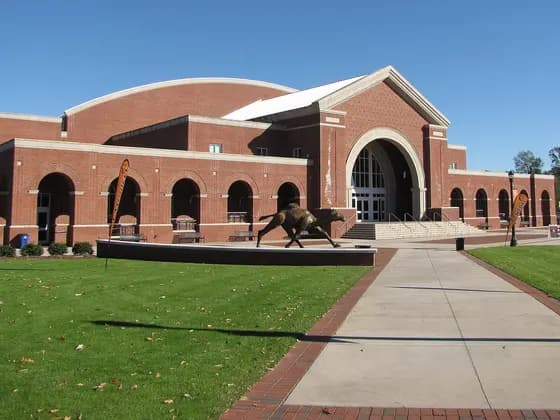
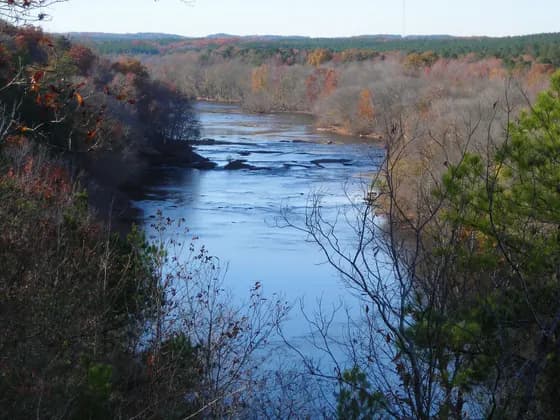
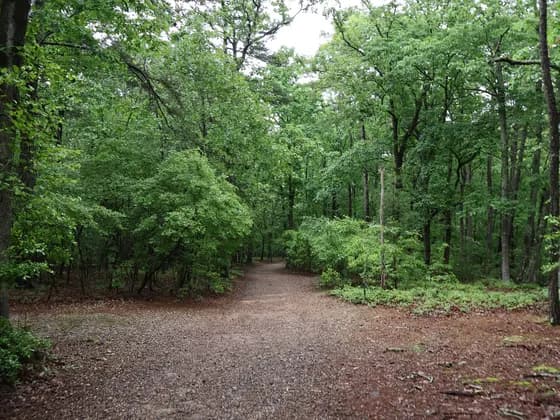
Photo: Naytchrboy at English Wikipedia · Public domain · cropped
Photo: Gerry Dincher from Hope Mills, NC · CC BY-SA 2.0 · Photo: Blipperman · CC BY-SA 3.0 · Photo: DiscoA340 · CC BY-SA 4.0
How to get into Campbell University CUSOM (DO) medicine
Step-by-step: entry requirements, admission tests, personal statement, interview format and the key deadlines.
Open the guide →Campbell University CUSOM (DO) entry requirements
Admission profile, interview format, decision dates and what makes Campbell University CUSOM (DO) different.
See the profile →The Campbell University CUSOM (DO) medicine interview
Campbell University Jerry M. Wallace School of Osteopathic Medicine (CUSOM) uses a traditional interview format — faculty sessions at its Lillington, North Carolina campus.
AACOMAS is the primary application service. CASPer is not currently required (verify for current cycle).
CUSOM sits at the intersection of two defining features: a Baptist-affiliated Christian liberal arts university and a rural North Carolina health mission. Located in Harnett County — one of the most rural and medically underserved counties in the state — the school trains osteopathic physicians for a state where rural-urban health disparities are stark. Interviewers assess both values alignment with Campbell University’s faith-based culture and genuine commitment to rural North Carolina communities.
Campbell University CUSOM (DO) interview at a glance (2027 entry)
| Annual DO class size | ~158 |
|---|---|
| Interview format | Traditional — faculty session |
| CASPer required | No |
| Application system | AACOMAS primary + CUSOM secondary |
| Tuition (2025–26) | ~USD 55,000/year (estimated) |
| Interview window | September–February |
Interview format
- Traditional faculty interview; approximately 30–45 minutes.
- Values alignment and rural NC commitment are central themes.
- No MMI.
Working towards the MCAT score Campbell University CUSOM (DO) expects? Build a week-by-week plan from your test date — free for the first two weeks.
Sample interview questions
Campbell University has a Baptist liberal arts mission. How do your personal values align with training at a faith-affiliated institution?
You do not need to be Baptist. Show genuine respect for values-driven education and the servant-leadership model. Draw on experiences where personal values guided your approach to patient care or service.
North Carolina's rural counties — including many in the east and western mountains — face severe health disparities. What do you know about these disparities, and why do you want to address them?
Know NC rural health data: high rates of obesity, cardiovascular disease, maternal mortality in rural counties, tobacco farming community health challenges, and the Research Triangle-to-rural physician pipeline gap.
What is your understanding of osteopathic manipulative medicine, and why does the DO approach appeal to you specifically over an MD program?
What they are listening for:
- Four tenets
- OMM techniques
- evidence base
- full practice rights
Show substantive knowledge, not just rhetorical appreciation.
Describe a meaningful experience providing healthcare or community service in a rural or underserved setting in North Carolina or elsewhere.
If you have NC-specific experience, use it. If not, draw on analogous rural or underserved settings. Reflect genuinely on access barriers and what you learned.
A patient in your Harnett County clinic refuses a potentially life-saving procedure for religious reasons. How do you respond?
Patient autonomy and religious freedom are paramount. Acknowledge the tension, ensure the patient is fully informed, document carefully, and show respect for the patient's decision even when you disagree.
CUSOM is located in Lillington, close to both the rural heart of North Carolina and the Research Triangle. How does that geographic context shape your training expectations?
The deliberate rural location immerses students in the communities they will serve. Proximity to the Triangle provides research and specialist access while the clinical environment remains authentically rural.
North Carolina has large health disparities between its Research Triangle counties and rural counties. What systemic changes would reduce those disparities?
What they are listening for:
- Rural residency pipelines
- loan forgiveness (NHSC)
- rural hospital sustainability funding
- telemedicine
- community health workers
- the broader policy context of Medicaid access in North Carolina
Rural patients in North Carolina sometimes distrust academic medicine or "city doctors." How do you build trust with patients who are skeptical of your background?
Respect for local knowledge, humility about what patients know about their own lives, community integration, and the importance of being present (not parachuting in and leaving) in rural communities.
In a rural clinic, you will often be the only physician, relying on nurse practitioners, physician assistants, and community health workers. How do you view your role in that team?
Non-hierarchical, collaborative model; rural generalism requires trusting and empowering the team. Show you understand the scope differences and how to practice in a collaborative rather than directive way.
What does it mean to you to be a servant-leader in medicine, and can you give an example from your own experience?
BHSU-style servant-leadership question. Concrete example that shows prioritizing others' needs. Connect to how servant leadership will specifically shape your clinical practice.
Rural North Carolina counties have markedly higher rates of cardiovascular disease and maternal mortality than the Research Triangle. How would you think about measuring whether a rural Harnett County practice is closing that gap rather than just improving its own numbers?
Equity and population-health framing: comparing rural outcomes against urban benchmarks, process versus outcome measures, the denominator problem in small panels, and the role of community health workers and telemedicine. Keep figures conceptual.
An older tobacco-farming patient in your rural NC clinic is skeptical of 'city medicine' and has skipped recommended screenings for years. Show me how you'd build rapport and broach screening with him.
Demonstrate the encounter: respect his autonomy and local knowledge, find common ground, use plain language, and frame screening within his own values rather than lecturing. Trust-building is the core skill.
CUSOM has a large class and a rigorous DO curriculum with integrated OMM. What is your evidence-based study strategy, and how will you keep OMT skills sharp while preparing for COMLEX-USA?
What they are listening for:
- Spaced repetition
- active recall
- a realistic board-preparation timeline
- deliberate hands-on OMT practice
- peer-study structures
Show you understand the distinctive osteopathic component of COMLEX-USA.
A patient in your Harnett County clinic is a member of your own faith community and asks you to bend a documentation rule 'just this once' as a personal favor. How do you handle a request from someone you know socially?
What they are listening for:
- Professional boundaries in small
- tight-knit communities
- dual relationships
- integrity over social comfort
- how to decline kindly while preserving the relationship
Especially relevant where faith and community ties overlap with clinical roles.
In a rural clinic you may rely heavily on a nurse practitioner and a community health worker. Role-play how you would handle a disagreement with the NP about a patient's management plan in front of the team.
Demonstrate collaborative, non-hierarchical conflict resolution: respect their expertise, focus on the patient, disagree without undermining them in front of others, and model the team culture rural generalism requires.
Practise the Campbell University CUSOM (DO) interview
Rehearse the real format before the day — on demand with our AI interviewers, or live with a tutor.
Sit a mock with photoreal AI interviewers — any time
A timed MMI or panel interview on video — American & international voices — with interviewers who listen, react and press with follow-ups. Rubric-scored feedback and a replay the moment you finish.


Live mocks with a tutor who’s been in the room
A full Campbell University CUSOM (DO)-style mock with a medic or dentist tutor — honest scoring against real marking criteria, a station-by-station debrief and a written action plan.
Book a mock interviewHow to prepare for the Campbell University CUSOM (DO) interview
Common pitfalls to avoid
Campbell University CUSOM (DO) interview — frequently asked questions
Sources & official admissions information
Ready to nail your Campbell University CUSOM (DO) interview?
Book a mock interview with a tutor who knows the US interview formats, orpractice unlimited stations from our interview question bank.