
KYCOM — Pikeville Interview
Format, Questions & Prep Tips
KYCOM — Pikeville medicine interviews for 2027 entry are a traditional interview, held September 2026 through March 2027. Published figures: Annual DO class size ~120.
- Institution
- University of Pikeville Kentucky College of Osteopathic Medicine
- Interview (2027 entry)
- September through March
- Decisions (2027 entry)
- Rolling decisions after interview

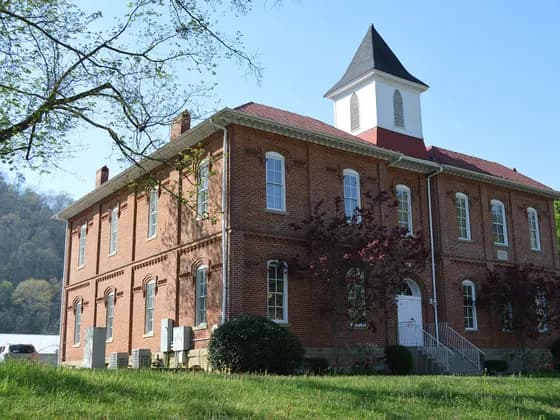
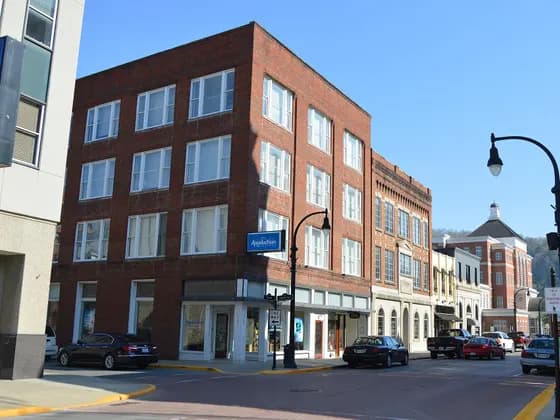

Photo: Nyttend · Public domain · cropped
Photo: Nyttend · Public domain · Photo: Nyttend · Public domain · Photo: Nyttend · Public domain
How to get into KYCOM — Pikeville (DO) medicine
Step-by-step: entry requirements, admission tests, personal statement, interview format and the key deadlines.
Open the guide →KYCOM — Pikeville (DO) entry requirements
Admission profile, interview format, decision dates and what makes KYCOM — Pikeville (DO) different.
See the profile →The KYCOM — Pikeville (DO) medicine interview
KYCOM at the University of Pikeville uses a traditional faculty interview at its Pikeville campus in eastern Kentucky. Founded in 1997, KYCOM sits in the heart of the Appalachian coalfields — one of the most medically underserved regions in the United States — and its entire identity is built around training physicians to serve that community.
This is one of the most mission-driven osteopathic interviews in the country. Interviewers are not looking for polished metropolitan candidates; they are looking for people who understand — and are committed to — Appalachian Kentucky and similar underserved populations.
CASPer is not currently required. The application review heavily weights rural and underserved commitment, and KYCOM’s metrics are somewhat more accessible than coastal DO programs, reflecting its deliberate effort to recruit from Appalachian and high-need backgrounds.
KYCOM — Pikeville (DO) interview at a glance (2027 entry)
| Annual DO class size | ~120 |
|---|---|
| Interview format | Traditional — faculty panel |
| CASPer required | No |
| Application system | AACOMAS primary + KYCOM secondary |
| Location | Pikeville, KY (eastern Kentucky coalfields) |
| Interview window | September–March |
Interview format
- Traditional one-on-one or small panel; ~30–45 minutes.
- Campus tour and student interaction on interview day.
- Mission-driven questions dominate; clinical knowledge not typically assessed.
Working towards the MCAT score KYCOM — Pikeville (DO) expects? Build a week-by-week plan from your test date — free for the first two weeks.
Sample interview questions
KYCOM is located in Pikeville, Kentucky — one of the highest-need medical communities in the country. What draws you to train and potentially practice here?
Be specific and personal. Appalachian roots, rural healthcare experience, or a sustained commitment to underserved medicine. Generic answers about "helping people" are insufficient here.
Eastern Kentucky has among the highest rates of cardiovascular disease, cancer, and opioid use disorder in the US. How has your prior experience prepared you to address those specific health challenges?
Show clinical and social context. Appalachian health disparities are well-documented — reference coal industry occupational disease, social determinants, access barriers.
Why osteopathic medicine, and why primary care in an underserved setting?
DO philosophy specifically tied to community and whole-person care. Primary care as the backbone of rural health systems.
A patient in your rural Kentucky practice is struggling with opioid use disorder. He fears losing his job and custody of his children if he enters formal treatment. How do you approach his care?
What they are listening for:
- MOUD (buprenorphine/naltrexone)
- confidentiality
- stigma reduction
- community-based treatment resources in Appalachia
Show nuance and compassion without judgment.
Appalachian Kentucky has lost hospitals and clinics as rural healthcare facilities have closed across the region. What structural policies would you advocate for to reverse that trend?
Rural hospital closure causes: low Medicaid reimbursement, thin margins, workforce shortage. Policy levers: rural health grants, loan forgiveness, GME reform, telehealth expansion.
Coal industry workers in eastern Kentucky have high rates of musculoskeletal injury and occupational lung disease. How does an osteopathic approach specifically serve this population?
OMM for chronic musculoskeletal pain, whole-person care integrating occupational health, the DO physician as primary-care generalist in a setting without specialists.
Describe an experience you have had in an Appalachian, rural, or deeply underserved community. What changed your perspective on healthcare delivery?
What they are listening for:
- Specific setting
- population
- reflection
Depth of understanding matters more than duration of the experience.
Pikeville is a small city in the mountains of eastern Kentucky. How do you approach the prospect of living and training in that environment for four years?
Genuine openness. Acknowledging the beauty of the region alongside the isolation. Show you have researched the community.
A patient with a terminal cancer diagnosis asks you not to tell her adult children about her prognosis. Later, her daughter calls you directly asking for information. What do you do?
Patient confidentiality, HIPAA, patient autonomy, and the difficulty of family-centered communication in Appalachian cultural contexts where family decision-making is strong.
KYCOM graduates at very high rates into primary care in Kentucky and Appalachia. Is that your intention, and if not, how do you see your training serving the school's mission?
Honest answer. If primary care in Appalachia is your goal, say so. If not, articulate how osteopathic training serves underserved populations broadly.
Eastern Kentucky counties show some of the nation's highest rates of cancer, cardiovascular disease and opioid use disorder, clustered tightly in the coalfields. Shown that data, how would you reason about the shared upstream causes, and what would you avoid concluding?
What they are listening for:
- Reason about poverty
- coal-industry occupational exposures
- limited screening and specialist access
- historical over-prescribing
- despair-related factors — not individual blame
Caution against single-cause thinking. Depth on Appalachian health disparities is KYCOM's core.
Role-play: a coal-miner patient with chronic pain is afraid that disclosing his opioid struggles will cost him his job and custody of his kids, and he is on the edge of walking out. Respond as the student doctor.
What they are listening for:
- Build trust quickly
- non-judgmental harm-reduction framing
- reassurance about confidentiality
- MOUD as effective treatment
- connecting to community resources
Stigma and fear around addiction in tight-knit Appalachian communities are central to KYCOM.
KYCOM recruits heavily from Appalachian and high-need backgrounds and runs a primary-care, board-focused curriculum. How do you learn best, and how would you keep yourself grounded academically and personally during four years in small, isolated Pikeville?
Concrete study systems and COMLEX preparation, plus realistic wellbeing strategies for small-town mountain life. Frame the setting positively and authentically. Show resilience without implying you would merely endure the location.
An older Appalachian patient relies heavily on her adult children for medical decisions and is uncomfortable discussing a serious diagnosis without them present. How do you respect both her autonomy and the family-centered culture?
What they are listening for:
- Honor patient autonomy while accommodating family-centered decision-making common in Appalachia
- clarify her wishes about information-sharing
- manage family dynamics with empathy
Cultural competency specific to the region.
Hospital and clinic closures have hit Appalachian Kentucky hard, and data associate closures with longer travel times and delayed care. How would you weigh that evidence, and what limits would you keep in mind before treating closures as the direct cause of worse outcomes?
Reason about confounding (closures cluster in already-disadvantaged areas), plausibility of access-driven harm, and what data would strengthen causal claims, paired with policy levers (reimbursement, loan forgiveness, telehealth). Shows systems literacy and analytic humility.
Practise the KYCOM — Pikeville (DO) interview
Rehearse the real format before the day — on demand with our AI interviewers, or live with a tutor.
Sit a mock with photoreal AI interviewers — any time
A timed MMI or panel interview on video — American & international voices — with interviewers who listen, react and press with follow-ups. Rubric-scored feedback and a replay the moment you finish.





Live mocks with a tutor who’s been in the room
A full KYCOM — Pikeville (DO)-style mock with a medic or dentist tutor — honest scoring against real marking criteria, a station-by-station debrief and a written action plan.
Book a mock interviewHow to prepare for the KYCOM — Pikeville (DO) interview
Common pitfalls to avoid
KYCOM — Pikeville (DO) interview — frequently asked questions
Sources & official admissions information
Ready to nail your KYCOM — Pikeville (DO) interview?
Book a mock interview with a tutor who knows the US interview formats, orpractice unlimited stations from our interview question bank.