
Nova Southeastern University Dr. Kiran C. Patel College of Allopathic Medicine Interview
Format, Questions & Prep Tips
Nova Southeastern University Dr. Kiran C. Patel College of Allopathic Medicine medicine interviews for 2027 entry are multiple mini interviews (MMI). Published figures: Annual MD class size ~68; Interview format MMI — 6–8 stations, ~8 min each; Curriculum Integrated 4-year MD with interprofessional components.
- Institution
- Nova Southeastern University Dr. Kiran C. Patel College of Allopathic Medicine
- Interview (2027 entry)
- October through March; invitations issued on a rolling basis after secondary review
- Decisions (2027 entry)
- Decisions released on a rolling basis; final decisions by March 30 (AAMC standard); waitlist movement through summer

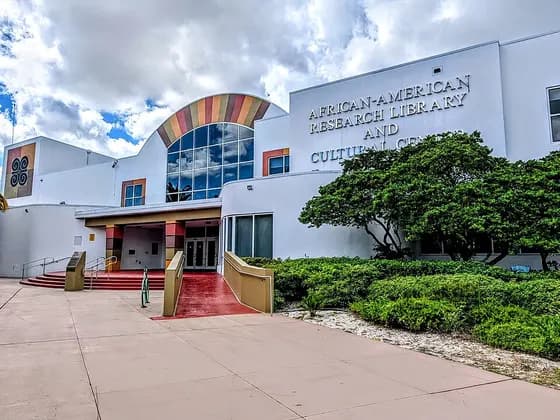


Photo: Dgreco · CC BY-SA 3.0 · cropped
Photo: Cpusf · CC0 · Photo: Tamanoeconomico · CC BY-SA 4.0 · Photo: formulanone from Huntsville, United States · CC BY-SA 2.0
How to get into Nova Southeastern University Dr. Kiran C. Patel College of Allopathic Medicine (MD) medicine
Step-by-step: entry requirements, admission tests, personal statement, interview format and the key deadlines.
Open the guide →Nova Southeastern University Dr. Kiran C. Patel College of Allopathic Medicine (MD) entry requirements
Admission profile, interview format, decision dates and what makes Nova Southeastern University Dr. Kiran C. Patel College of Allopathic Medicine (MD) different.
See the profile →The Nova Southeastern University Dr. Kiran C. Patel College of Allopathic Medicine MD program
Problem-based learning + Case-based learning, 4 years, clinical rotations across Southeast Florida and Orlando.
See the program →The Nova Southeastern University Dr. Kiran C. Patel College of Allopathic Medicine (MD) medicine interview
Nova Southeastern University Dr. Kiran C. Patel College of Allopathic Medicine uses a **Multiple Mini-Interview (MMI)** format held on the Fort Lauderdale campus. Applicants rotate through 6–8 timed stations of approximately 8 minutes each, with a brief preparation period at each door. The day also includes a campus tour, financial aid session, and informal time with current students.
The college sits within NSU’s large health-sciences university alongside DO, pharmacy, dental, and optometry programs — the interprofessional mission shapes the interview’s emphasis on teamwork, communication, and community health values. Many scenarios reflect South Florida’s diverse, multilingual, and underserved population contexts.
The AAMC groups its 17 Premed Competencies into three categories: professional, science, and thinking and reasoning. NSU interviewers weight the professional competencies especially highly. That reflects the school’s primary care and community health focus.
Nova Southeastern University Dr. Kiran C. Patel College of Allopathic Medicine (MD) interview at a glance (2027 entry)
| Annual MD class size | ~68 |
|---|---|
| Interview format | MMI — 6–8 stations, ~8 min each |
| Application system | AMCAS |
| Curriculum | Integrated 4-year MD with interprofessional components |
| Interview window | October–March |
| Location | Fort Lauderdale, FL (on-campus) |
Interview format
- MMI format: 6–8 stations, each approximately 8 minutes with a 2-minute preparation window.
- Stations include ethical dilemmas, communication role-plays, policy questions, and motivation probes.
- Many scenarios incorporate South Florida community health, cultural diversity, or underserved population contexts.
- Campus tour and interprofessional facilities visit included in the interview day.
- Financial aid and curriculum information sessions held throughout the day.
- Informal lunch or coffee with current MD students — cultural fit assessment opportunity.
Working towards the MCAT score Nova Southeastern University Dr. Kiran C. Patel College of Allopathic Medicine (MD) expects? Build a week-by-week plan from your test date — free for the first two weeks.
Sample interview questions
Why NSU Patel specifically — what aspects of this college's community health mission and interprofessional campus align with your goals?
Reference the DO/MD/pharmacy/dental co-location, South Florida's diverse population, and the college's primary care focus. Avoid generic prestige answers.
A Spanish-speaking patient refuses a recommended procedure, and no interpreter is immediately available. You have some conversational Spanish. How do you proceed?
Address informed consent requirements, professional interpreter standards, patient autonomy, and the risks of using untrained interpreters. Reflect South Florida's multilingual context.
You are working in a student-run free clinic with a pharmacy student and a dental student. The pharmacy student disagrees with the attending physician's medication recommendation. How do you handle this?
Interprofessional teamwork is central to NSU. Show respect for all professional perspectives, patient safety framing, and constructive escalation processes.
Describe a clinical or community health experience where you encountered significant socioeconomic or cultural barriers to care. What did it teach you?
Be specific and reflective. Admissions values applicants who can articulate structural barriers, not just individual patient challenges.
A pharmaceutical company offers to fund the medical school's simulation center in exchange for delivering two lectures per year on their products. Should the school accept?
Discuss academic independence, conflicts of interest, transparency obligations, student education quality, and institutional integrity.
A fellow student in your cohort frequently dominates small-group sessions and dismisses others' contributions. How do you respond?
Interpersonal competency in collaborative learning environments. Balance group effectiveness with peer support and constructive feedback strategies.
Should undocumented immigrants have access to non-emergency healthcare funded by state Medicaid programs? How would you approach this as a physician?
Relevant to Florida and South Florida specifically. Address public health, ethical obligations to patients, fiscal realities, and your role as an individual clinician vs. policy advocate.
Why primary care rather than a subspecialty — and how do you respond to family or colleagues who suggest subspecialty medicine is a better career choice?
NSU has a primary care mission; show genuine conviction. Address workforce needs, continuity of care, and community impact without dismissing subspecialty contributions.
What does interprofessional education mean to you, and how have you engaged with health professions students outside of medicine?
NSU's campus-wide health sciences model makes this question highly school-specific. Reference any shadowing, volunteering, or collaborative experiences with nurses, pharmacists, or allied health professionals.
A patient you are treating in the free clinic returns repeatedly without following through on the referrals you provide. How do you understand this, and what do you do?
What they are listening for:
- Social determinants of health
- non-judgmental care
- trust-building in underserved populations
- the limits of the referral model in resource-constrained settings
Role-play: You are a medical student volunteering at NSU's student-run free clinic. The actor is an uninsured patient who has just learned they will need an expensive specialist referral they cannot afford, and they are frustrated and ready to leave. Begin the conversation.
Lead with empathy and acknowledge the frustration before problem-solving. Explore sliding-scale options, patient assistance programs, and the safety-net resources of South Florida rather than reciting medical facts. The actor will escalate if you ignore their emotion.
An interviewer shows you a chart: in NSU's catchment area, only 38% of adults with diagnosed hypertension have it controlled, and control rates are 20 points lower among Spanish-preferring patients. Interpret this and propose what a primary-care-focused school like NSU could do.
Distinguish prevalence from control; avoid over-reading a single statistic. Connect the language gap to interpreter access and health literacy, and propose interventions (community health workers, multilingual materials) consistent with NSU's interprofessional, primary-care mission.
An optometry student on your interprofessional team explains a treatment plan to a shared patient using terminology the patient clearly does not follow. The patient nods but is visibly confused. How do you intervene without undermining your colleague?
Model the teach-back method and re-frame your colleague's plan in plain language while preserving their standing. NSU's co-located health-sciences campus makes respectful interprofessional communication a core competency.
NSU integrates simulation and interprofessional case-based learning. Describe how you learn most effectively and give an example of a time you had to master material with limited formal instruction.
Reference concrete self-directed or team-based learning experiences. Show self-awareness about your study habits and how they will translate to NSU's integrated, collaborative curriculum.
A patient in the free clinic asks you, a medical student, not to document their cannabis use in the chart because they fear it will affect their immigration case. How do you respond?
Address accurate documentation, confidentiality protections, the separation of clinical records from immigration enforcement, and honest patient communication. Reflect South Florida's immigrant patient context without overpromising what you cannot control.
Practise the Nova Southeastern University Dr. Kiran C. Patel College of Allopathic Medicine (MD) interview
Rehearse the real format before the day — on demand with our AI interviewers, or live with a tutor.
Sit a mock with photoreal AI interviewers — any time
A timed MMI or panel interview on video — American & international voices — with interviewers who listen, react and press with follow-ups. Rubric-scored feedback and a replay the moment you finish.






Live mocks with a tutor who’s been in the room
A full Nova Southeastern University Dr. Kiran C. Patel College of Allopathic Medicine (MD)-style mock with a medic or dentist tutor — honest scoring against real marking criteria, a station-by-station debrief and a written action plan.
Book a mock interviewHow to prepare for the Nova Southeastern University Dr. Kiran C. Patel College of Allopathic Medicine (MD) interview
Common pitfalls to avoid
Nova Southeastern University Dr. Kiran C. Patel College of Allopathic Medicine (MD) interview — frequently asked questions
Sources & official admissions information
Ready to nail your Nova Southeastern University Dr. Kiran C. Patel College of Allopathic Medicine (MD) interview?
Book a mock interview with a tutor who knows the US interview formats, orpractice unlimited stations from our interview question bank.