
University of Texas Rio Grande Valley School of Medicine Interview
Format, Questions & Prep Tips
University of Texas Rio Grande Valley School of Medicine medicine interviews for 2027 entry are a traditional interview. University of Texas Rio Grande Valley School of Medicine describes the format as: Mandatory in-person group interview at the Edinburg campus, followed by two 30-minute individual Zoom interviews. Published figures: Annual MD class size ~55–65; Applications received ~3,000–4,000 per cycle; Interview format In-person group interview (Edinburg) + two 30-min individual Zoom interviews.
- Institution
- University of Texas Rio Grande Valley School of Medicine
- Interview (2027 entry)
- October through February; rolling invitations issued after secondary review
- Decisions (2027 entry)
- TMDSAS match decisions released in late February to early March; school-specific decisions by March 30
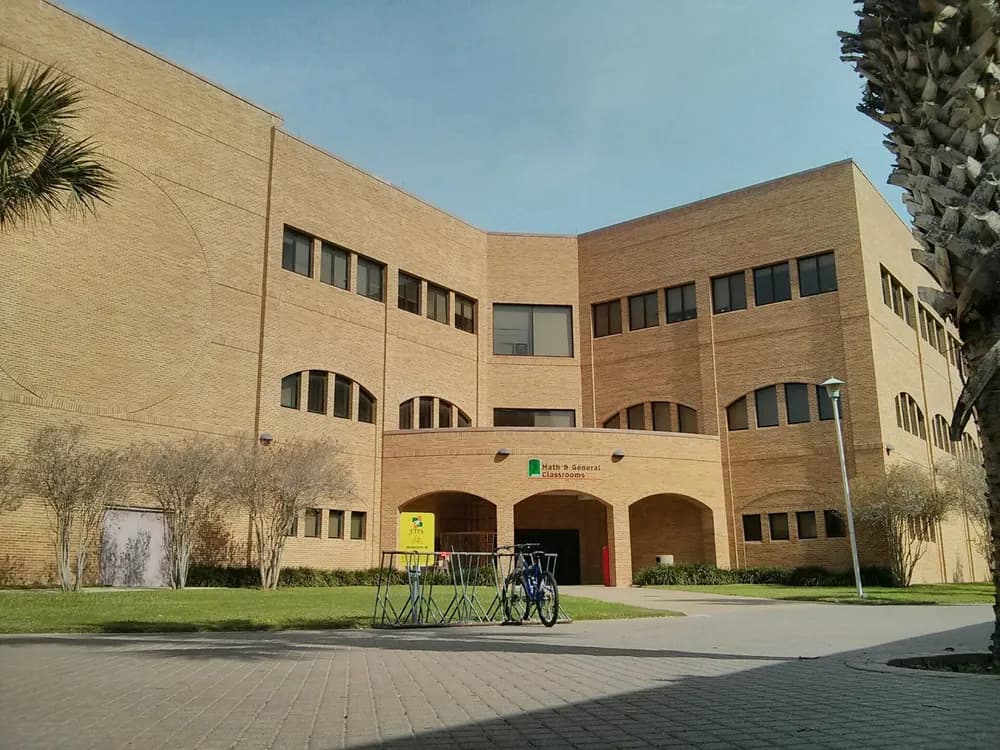
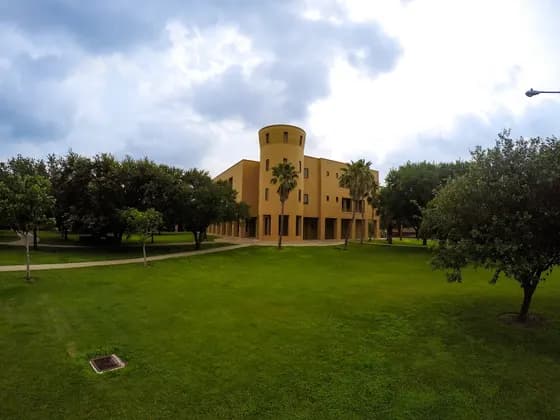
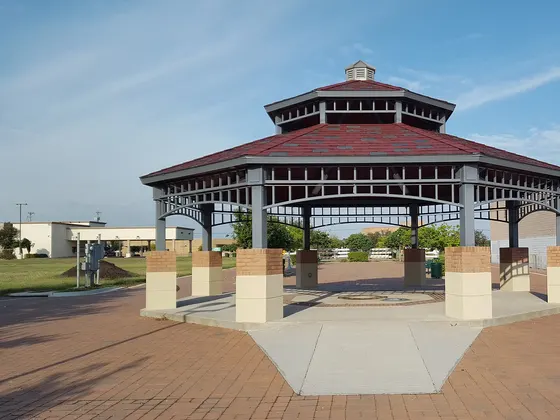
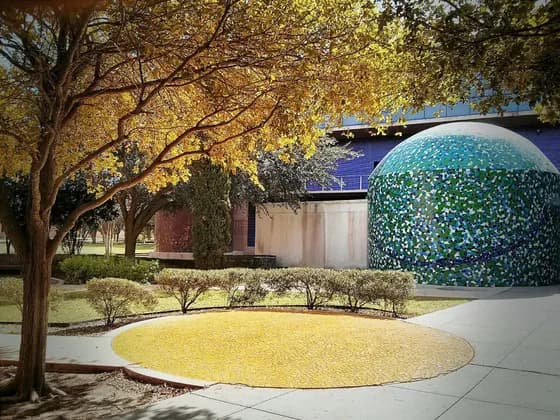
Photo: Alex Garrido · CC BY 3.0 · cropped
Photo: MrAlexGarrido · CC BY-SA 4.0 · Photo: Mig Esc · CC BY 3.0 · Photo: Alex Garrido · CC BY 3.0
How to get into University of Texas Rio Grande Valley School of Medicine (MD) medicine
Step-by-step: entry requirements, admission tests, personal statement, interview format and the key deadlines.
Open the guide →University of Texas Rio Grande Valley School of Medicine (MD) entry requirements
Admission profile, interview format, decision dates and what makes University of Texas Rio Grande Valley School of Medicine (MD) different.
See the profile →The University of Texas Rio Grande Valley School of Medicine (MD) medicine interview
UTRGV School of Medicine (entry year 2027) requires a mandatory in-person group interview at the Edinburg campus — skipping it withdraws your application — followed by two 30-minute individual interviews via Zoom with Interview Committee members.
Founded in 2016, UTRGV SOM is one of the newest medical schools in Texas and one of the most diverse in the country. Interviewers and assessors look for applicants who understand the unique health challenges facing the Rio Grande Valley — high rates of diabetes and obesity, limited specialist access, large uninsured population, and the binational nature of border healthcare.
Applications are submitted via TMDSAS; the school holds nearly all seats for Texas residents. Candidates who can articulate how their background and goals align with underserved-community medicine consistently receive stronger evaluations.
University of Texas Rio Grande Valley School of Medicine (MD) interview at a glance (2027 entry)
| Annual MD class size | ~55–65 |
|---|---|
| Applications received | ~3,000–4,000 per cycle |
| Interview format | In-person group interview (Edinburg) + two 30-min individual Zoom interviews |
| Curriculum | Integrated with community health and cultural competency threads |
| Application system | TMDSAS (Texas residents strongly preferred) |
| Interview window | October–February |
| Established | 2016 |
Interview format
- Mandatory in-person group interview at the Edinburg campus — non-attendance withdraws the application.
- Two 30-minute individual interviews with Interview Committee members via Zoom.
- In the group stage, collaboration is watched: contribute, invite others in, and synthesize.
Working towards the MCAT score University of Texas Rio Grande Valley School of Medicine (MD) expects? Build a week-by-week plan from your test date — free for the first two weeks.
Sample interview questions
Why do you want to practice medicine in a border or underserved region specifically? What experiences have shaped that commitment?
Be concrete — name specific communities, clinics, or populations you engaged with. Avoid generic "I want to help people" framing. UTRGV assessors probe whether this is a genuine vocation or a strategic choice.
What draws you to UTRGV School of Medicine over other Texas MD programs?
Reference the mission to serve the Rio Grande Valley, the diverse patient population, community health curriculum, and opportunity to train alongside the region's underserved communities. Avoid prestige-ranking comparisons.
A patient who does not speak English arrives at the emergency department. You are the only Spanish-speaking provider on shift. A non-Spanish-speaking colleague has already started treating the patient. What do you do?
Discuss language access as a patient right (Title VI of the Civil Rights Act), the use of certified interpreters vs. ad-hoc bilingual staff, the risk of miscommunication, and the duty to advocate for the patient.
A community health worker in a colonias (unincorporated border settlement) asks you to provide prescriptions for residents who cannot reach a clinic. What are your ethical and legal obligations?
Address prescribing without examination (standard of care), access barriers, telemedicine options, and creative solutions within legal limits. Show awareness of the real constraints facing border-region patients.
You are counseling a diabetic patient who has missed three appointments. They tell you they cannot afford transportation and work two jobs. How do you approach this conversation?
Apply motivational interviewing principles. Acknowledge social determinants of health, avoid blame, explore transportation assistance programs, and develop a patient-centered plan. Show empathy before problem-solving.
How would you describe the connection between poverty, diet, and the high rates of Type 2 diabetes in South Texas to a community member unfamiliar with medical terminology?
Demonstrate health literacy communication skills. Use plain language, analogies, and avoid jargon. Show you understand the social determinants — access to grocery stores, food deserts, economic stress — not just biology.
A patient tells you they are buying medication across the border in Mexico because they cannot afford US prices. Should you encourage this practice?
Acknowledge the patient's reality and autonomy, discuss safety concerns (counterfeit medications, no prescription oversight), explore US cost-assistance programs (manufacturer coupons, FQHC sliding-scale), and avoid a judgmental stance.
Describe a time you worked with a community or population whose values or background were very different from your own. What did you learn about yourself?
Focus on genuine cultural humility — moments of discomfort, adjustment, and growth. UTRGV values self-awareness about bias and the willingness to adapt clinical communication style.
A senior physician makes a dismissive comment about a patient's lifestyle choices in front of the care team. How do you respond?
Distinguish in-the-moment response (professional, non-confrontational acknowledgment) from follow-up (private conversation with the physician). Discuss impact on patient care and the culture of respect in clinical teams.
Should undocumented immigrants have access to the same emergency and preventive healthcare as US citizens? Defend your view.
Reference EMTALA (emergency access regardless of status), the public health case for preventive care, and cost-benefit data. Acknowledge the policy debate while showing a grounded ethical position.
Role-play: I am a 58-year-old patient from a colonia who has just been told my blood sugar is dangerously high. I am frightened and keep saying I cannot afford insulin. The assessor will play the patient — begin the conversation.
This is an interactive station, not a monologue. Open with empathy, ask what worries the patient most, and respond to what they actually say rather than delivering a rehearsed speech. Surface concrete options — sliding-scale insulin at an FQHC, patient assistance programs, $35 insulin caps — without overwhelming them. Assessors score whether you listen and adapt.
You are shown a chart comparing diabetes prevalence and rates of uninsured residents across four South Texas counties, with Hidalgo and Cameron counties markedly higher on both measures. What does the data suggest, and what would you want to know before drawing conclusions?
Describe the apparent correlation between uninsurance and diabetes burden without overclaiming causation. Note confounders (age structure, food access, obesity, screening rates) and what additional data you would request. UTRGV values applicants who can read population-health data critically rather than asserting a single explanation.
Community health workers (promotores de salud) are central to care delivery in the Rio Grande Valley. What is the evidence that this model improves outcomes, and what are its limits?
Reference the evidence base for promotores in chronic-disease management, medication adherence, and trust-building in Hispanic border communities. Acknowledge limits — supervision, scope, reimbursement under most insurance models — and how they integrate with a physician-led team. Shows genuine engagement with the school's care-delivery context.
You are asked to enroll Spanish-speaking patients in a clinical trial whose consent form has only been validated in English, with verbal translation at the bedside. Is that acceptable?
Address informed consent as a core research-ethics requirement, the inadequacy of ad-hoc verbal translation for complex documents, IRB obligations to provide language-concordant consent, and the justice principle of not excluding Spanish speakers from research. Tie it to UTRGV's predominantly Hispanic population.
A teenage patient is interpreting for her monolingual Spanish-speaking mother during a sensitive gynecological visit. How do you handle this?
Recognize the risks of using a family member — especially a child — as interpreter: accuracy, confidentiality, and the inappropriate burden on the adolescent. Explain how you would respectfully bring in a certified medical interpreter (in person or via phone/video) while keeping the family at ease. Avoid embarrassing either party.
Practise the University of Texas Rio Grande Valley School of Medicine (MD) interview
Rehearse the real format before the day — on demand with our AI interviewers, or live with a tutor.
Sit a mock with photoreal AI interviewers — any time
A timed MMI or panel interview on video — American & international voices — with interviewers who listen, react and press with follow-ups. Rubric-scored feedback and a replay the moment you finish.




Live mocks with a tutor who’s been in the room
A full University of Texas Rio Grande Valley School of Medicine (MD)-style mock with a medic or dentist tutor — honest scoring against real marking criteria, a station-by-station debrief and a written action plan.
Book a mock interviewHow to prepare for the University of Texas Rio Grande Valley School of Medicine (MD) interview
Common pitfalls to avoid
University of Texas Rio Grande Valley School of Medicine (MD) interview — frequently asked questions
Sources & official admissions information
Ready to nail your University of Texas Rio Grande Valley School of Medicine (MD) interview?
Book a mock interview with a tutor who knows the US interview formats, orpractice unlimited stations from our interview question bank.