
SHSU COM Interview
Format, Questions & Prep Tips
SHSU COM medicine interviews for 2027 entry are a traditional interview, held September 2026 through February 2027. Published figures: Annual DO class size 162 (since 2022–23); Tuition (2025–26) ~USD 27,000/year (in-state estimate).
- Institution
- Sam Houston State University College of Osteopathic Medicine
- Interview (2027 entry)
- September through February
- Decisions (2027 entry)
- Rolling admissions
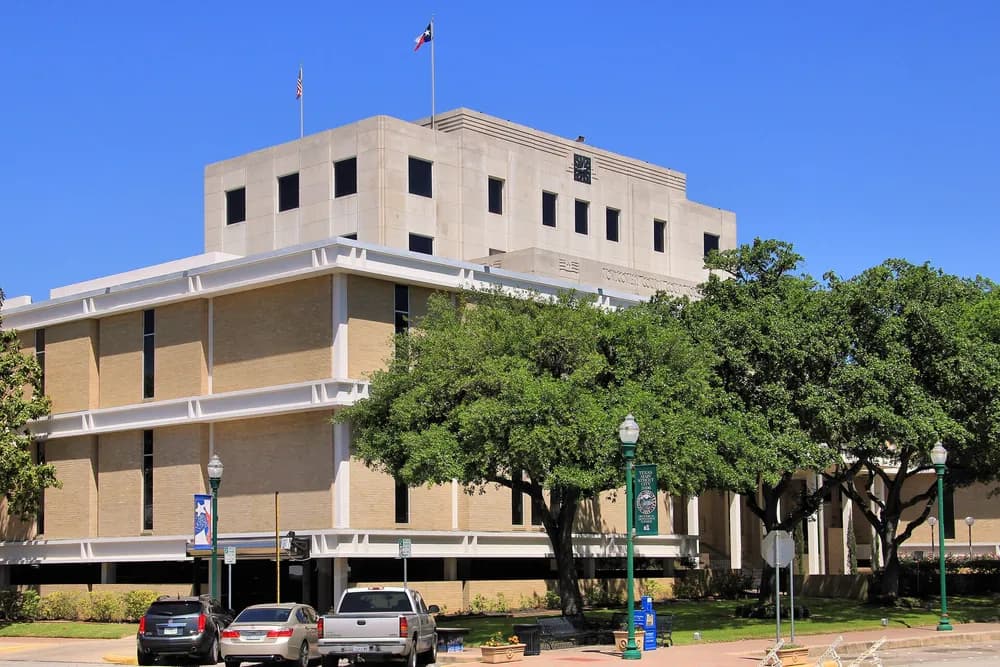

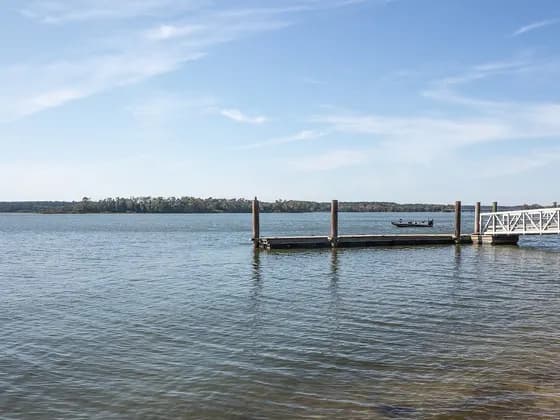
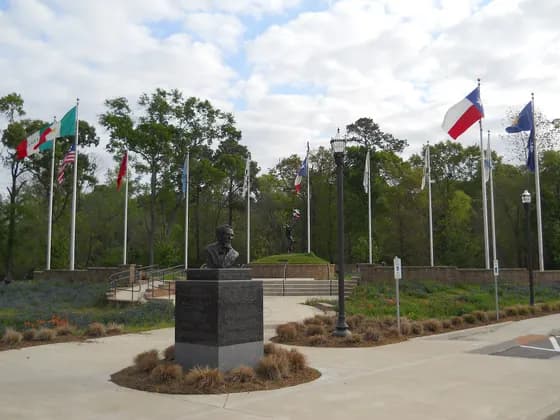
Photo: Larry D. Moore · CC BY 4.0 · cropped
Photo: Renelibrary · CC BY-SA 4.0 · Photo: Alexander Hatley · CC BY 2.0 · Photo: HIM Nguyen · CC BY-SA 3.0
How to get into SHSU COM (DO) medicine
Step-by-step: entry requirements, admission tests, personal statement, interview format and the key deadlines.
Open the guide →SHSU COM (DO) entry requirements
Admission profile, interview format, decision dates and what makes SHSU COM (DO) different.
See the profile →The SHSU COM (DO) medicine interview
Sam Houston State University College of Osteopathic Medicine (SHSU COM) is Texas's public DO medical school, located in Huntsville in the Piney Woods of East Texas. Opened in 2020, it uses a traditional interview format with faculty and student sessions and is notable for using TMDSAS (Texas Medical and Dental Schools Application Service) rather than AACOMAS — making it administratively distinct from virtually every other DO program in the country.
With approximately 90% of seats reserved for Texas residents, SHSU COM is one of the most in-state-focused DO schools nationally. Interviewers probe commitment to East Texas and rural Texas communities, the osteopathic philosophy, and genuine understanding of Texas's healthcare challenges.
Casper is required at SHSU COM — confirm current-cycle deadlines on the admissions site. As a newer school (opened 2020), applicants should research its clinical infrastructure and COCA accreditation status.
SHSU COM (DO) interview at a glance (2027 entry)
| Annual DO class size | 162 (since 2022–23) |
|---|---|
| Interview format | Traditional — faculty and student sessions |
| CASPer required | Yes (verify current cycle) |
| Application system | TMDSAS (not AACOMAS) — Texas only |
| Tuition (2025–26) | ~USD 27,000/year (in-state estimate) |
| Interview window | September–February |
Interview format
- Two sessions: faculty and student; approximately 30 minutes each.
- Interview day includes campus tour, financial aid presentation, and program overview.
- TMDSAS application — different personal statement format and timeline from AACOMAS.
- No MMI format.
Working towards the MCAT score SHSU COM (DO) expects? Build a week-by-week plan from your test date — free for the first two weeks.
Sample interview questions
SHSU COM opened in 2020 specifically to address East Texas's physician shortage. Why does that mission resonate with you, and what specific ties do you have to East Texas or rural Texas communities?
Specific East Texas connection is highly valued: growing up in the Piney Woods, family in rural Texas, prior healthcare work in Huntsville or surrounding communities. Generic rural medicine interest is insufficient for this school.
Why do you want to be a DO rather than an MD? How does osteopathic philosophy connect to the kind of medicine you want to practice in Texas?
OMT in Texas primary care: occupational injuries in oil and gas communities, agricultural workers' musculoskeletal needs, and the value of a full-scope osteopathic approach in areas with limited specialist access. Reference DO shadowing specifically.
East Texas's Piney Woods region has significant pockets of poverty and limited healthcare access. Where in Texas do you see yourself practicing in 10 years, and why?
Be honest and specific. SHSU COM screens heavily for physicians who will serve Texas — preferably East Texas. If you genuinely want to practice in Huntsville, Lufkin, Nacogdoches, or similar East Texas communities, articulate this concretely.
Texas has some of the highest rates of uninsurance in the United States and did not expand Medicaid until 2023 under limited conditions. How does this shape the patients you will encounter in clinical training, and your obligations as a physician?
Texas's coverage gap, charity care, FQHCs, the Texas Children's Health Insurance Program, and what it means practically to serve a largely uninsured population — late presentations, cost-driven non-adherence, and the ethics of triage.
What is TMDSAS, and why does it matter that SHSU COM uses TMDSAS rather than AACOMAS?
TMDSAS is the application service for all public Texas medical and dental schools. It uses a different personal statement format, different application timeline, and centralized Texas school match processes. Knowing this is a basic due-diligence signal.
East Texas has a distinctive regional culture — a deep Southern, rural, religiously conservative environment. How do you approach providing culturally sensitive care in a community whose values may differ from your own background?
Cultural humility, meeting patients where they are, navigating religious and cultural health beliefs without abandoning evidence-based medicine, and the importance of building trust in tight-knit communities.
Huntsville, Texas is known as the home of Sam Houston and the Texas Department of Criminal Justice headquarters. What do you know about the community and its healthcare needs?
Huntsville's prison population (TDCJ headquarters) is a distinctive healthcare context: correctional medicine, mental health, infectious disease, and re-entry health. Research this — it distinguishes SHSU COM's community from most medical school settings.
SHSU COM is a newer school still building its clinical network and institutional culture. What do you bring to an institution at this stage of its development?
Show enthusiasm for the ground-floor opportunity, resilience in navigating institutional uncertainty, and constructive contributions to a community still finding its identity. Avoid language that frames it as a limitation.
East Texas's Piney Woods counties show higher rates of late-stage cancer diagnosis than Texas's urban metros. Shown that data, how would you reason about the causes, and what additional information would sharpen your interpretation?
What they are listening for:
- Reason about screening access
- distance to specialists
- uninsurance (Texas's high uninsured rate)
- health literacy and care delays
Ask what you would want to verify — screening rates, follow-up data, rurality. Show population reasoning grounded in East Texas access realities.
Role-play: you are doing a correctional-medicine rotation tied to Huntsville's TDCJ system and an incarcerated patient is distrustful and convinced you 'work for the prison, not for him'. Build enough trust to take a history.
Acknowledge his perspective, clarify your role and confidentiality limits honestly, treat him with dignity, and focus on his health needs. Correctional medicine is a distinctive SHSU/Huntsville context — show ethical clarity and non-judgmental rapport-building.
SHSU COM is a newer school still maturing its curriculum and clinical network. How do you learn best, and how would you handle the uncertainty of a program that is still building its systems while preparing you for COMLEX?
What they are listening for:
- Self-directed learning
- adaptability
- proactive feedback
- resilience amid institutional growing pains
Frame the ground-floor stage as an opportunity. Connect to board preparation without sounding anxious about the school's newness.
A deeply religious East Texas patient attributes his worsening diabetes to fate and is reluctant to change diet or take medication. How do you counsel him while respecting his beliefs?
What they are listening for:
- Cultural and spiritual humility
- finding shared goals
- motivational interviewing
- framing self-care as compatible with faith
Recognize the deep Southern, religiously conservative culture without dismissing it. Build trust in a tight-knit community.
Caring for incarcerated patients through Huntsville's prison system, you may face pressure from custody staff that conflicts with a patient's medical interest. Where does your loyalty lie, and how do you handle that tension?
The physician's duty is to the patient's health and dignity regardless of incarceration status; discuss dual-loyalty ethics, confidentiality, and refusing to let security override clinical need inappropriately. A distinctive and serious scenario for this campus.
SHSU COM uses TMDSAS and reserves around 90% of seats for Texans. Beyond residency status, what specifically convinces you — and would convince an interviewer — that you will actually build your career in Texas, ideally East Texas?
What they are listening for:
- Concrete Texas ties
- family
- prior service in East Texas
- a credible long-term plan for towns like Lufkin or Nacogdoches
The school's entire mission is Texas workforce; generic interest fails. Specificity and authenticity are the signal.
Texas only narrowly and conditionally expanded coverage, leaving many working-poor patients uninsured. A patient needs a costly medication he cannot afford and does not qualify for assistance. Walk through your clinical and ethical approach.
What they are listening for:
- Lower-cost alternatives
- patient-assistance programs
- FQHC and charity pathways
- transparency about trade-offs
- advocacy
Balance stewardship with non-abandonment. Reflects Texas's coverage-gap realities that shape East Texas practice.
Practise the SHSU COM (DO) interview
Rehearse the real format before the day — on demand with our AI interviewers, or live with a tutor.
Sit a mock with photoreal AI interviewers — any time
A timed MMI or panel interview on video — American & international voices — with interviewers who listen, react and press with follow-ups. Rubric-scored feedback and a replay the moment you finish.






Live mocks with a tutor who’s been in the room
A full SHSU COM (DO)-style mock with a medic or dentist tutor — honest scoring against real marking criteria, a station-by-station debrief and a written action plan.
Book a mock interviewHow to prepare for the SHSU COM (DO) interview
Common pitfalls to avoid
SHSU COM (DO) interview — frequently asked questions
Sources & official admissions information
Ready to nail your SHSU COM (DO) interview?
Book a mock interview with a tutor who knows the US interview formats, orpractice unlimited stations from our interview question bank.