
TTUHSC School of Medicine Lubbock Interview
Format, Questions & Prep Tips
TTUHSC School of Medicine Lubbock medicine interviews for 2027 entry are a traditional interview. TTUHSC School of Medicine Lubbock describes the format as: Virtual one-on-one interviews of 20 minutes in Zoom breakout rooms (a second faculty member may sit in). Published figures: Annual MD class size ~180; Interview format Traditional — faculty + student interview, 20–30 min each; In-state preference Very strong (~95% Texas residents).
- Institution
- Texas Tech University Health Sciences Center School of Medicine
- Interview (2027 entry)
- October through February; rolling invitations
- Decisions (2027 entry)
- Rolling decisions; final notifications by March 30

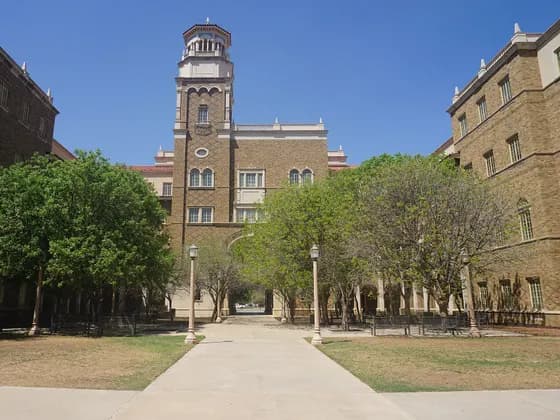
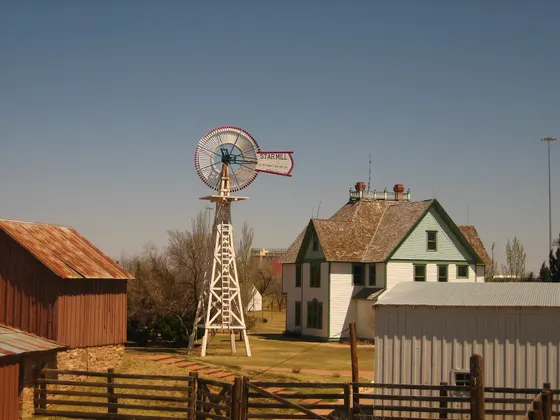
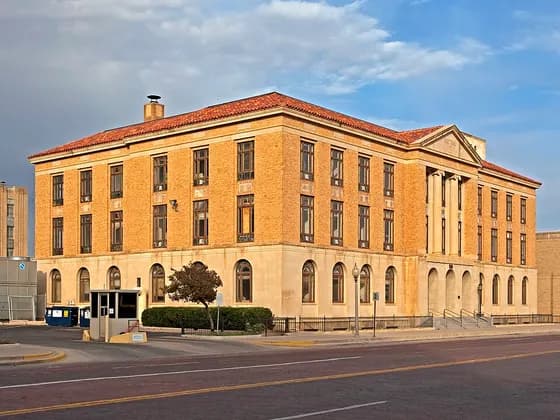
Photo: Texas Tech University - University Student Housing · CC BY 2.0 · cropped
Photo: Michael Barera · CC BY-SA 4.0 · Photo: Billy Hathorn ( talk ) · CC BY 3.0 · Photo: Leaflet · CC BY-SA 3.0
How to get into TTUHSC School of Medicine Lubbock (MD) medicine
Step-by-step: entry requirements, admission tests, personal statement, interview format and the key deadlines.
Open the guide →TTUHSC School of Medicine Lubbock (MD) entry requirements
Admission profile, interview format, decision dates and what makes TTUHSC School of Medicine Lubbock (MD) different.
See the profile →The TTUHSC School of Medicine Lubbock (MD) medicine interview
TTUHSC School of Medicine uses a traditional panel interview format — applicants meet with a faculty physician and a current student in separate 20–30 minute sessions. The school serves West Texas, one of the most sparsely populated and medically underserved regions in the continental US, and interviewers probe genuine commitment to this environment.
With campuses in Lubbock, Amarillo, and Odessa, the school trains physicians across a vast geographic footprint with a strong primary care and rural medicine identity.
Applicants with West Texas background or rural health experience are strongly favored; those applying without any connection to the region should prepare a clear rationale.
TTUHSC School of Medicine Lubbock (MD) interview at a glance (2027 entry)
| Annual MD class size | ~180 |
|---|---|
| Interview format | Traditional — faculty + student interview, 20–30 min each |
| Application system | TMDSAS + secondary |
| In-state preference | Very strong (~95% Texas residents) |
| MCAT median | ~510–512 |
| GPA median | ~3.65–3.73 |
| Interview window | October–February |
Interview format
- Two traditional sessions — faculty physician and current medical student, each 20–30 minutes.
- Interviewers have reviewed TMDSAS application.
- Campus tour of Lubbock facilities; may include UMC (University Medical Center) Lubbock visit.
- Admissions presentation covering multi-campus options (Lubbock, Amarillo, Odessa).
- Informal student lunch.
Working towards the MCAT score TTUHSC School of Medicine Lubbock (MD) expects? Build a week-by-week plan from your test date — free for the first two weeks.
Sample interview questions
Why West Texas specifically — what do you know about the health challenges of the Lubbock/Amarillo/Odessa region?
Show specific knowledge:
- physician shortages in rural West Texas
- high rates of agricultural worker injuries
- oilfield worker health
- limited subspecialist access
- distance to tertiary care
- the health challenges of a largely rural
- lower-income population
Which TTUHSC campus (Lubbock, Amarillo, or Odessa) would you prefer and why?
Research each campus: Lubbock has UMC Lubbock (academic), Amarillo has BSA Health System/Covenant (suburban), Odessa serves the Permian Basin oil-patch community. Have a genuine, specific preference.
A patient refuses recommended treatment and wants to use traditional/folk remedies instead. How do you handle this?
Address patient autonomy, informed consent, cultural humility, and the therapeutic relationship. In rural West Texas, traditional and herbal remedies are common; show you can engage with this respectfully while ensuring the patient has accurate information.
How would you handle a situation where a patient has driven three hours to see you and cannot be adequately helped with what you have available?
Rural medicine requires creative problem-solving. Discuss telehealth options, transport resources, care coordination, patient communication, and maintaining a long-term therapeutic relationship despite geographic constraints.
What does practicing medicine in a resource-limited rural setting require of a physician, and do you have the temperament for it?
Show self-awareness and honesty. Acknowledge the isolation, generalist demands, and resource constraints of rural practice. Connect to genuine experiences in similar environments if you have them.
A community's water supply is contaminated, causing a cluster of children's health problems, but the company responsible is a major local employer. What is your role as the community's physician?
What they are listening for:
- Environmental medicine
- community advocacy
- public health reporting requirements
- media responsibility
- legal obligations
- the physician's role as community health advocate
Connect to environmental health in the Permian Basin.
Tell me about a time you had to communicate unwelcome news to someone.
STAR structure. Demonstrate empathy, clear communication, and the ability to hold difficult conversations without minimizing the emotional impact.
What do you think the biggest barrier to healthcare access is in West Texas, and what could a physician do about it?
Reference distance, physician shortage (Health Professional Shortage Area designation), transportation barriers, and telemedicine. Show you have thought practically about how a clinician can affect systemic access problems, not just treat individual patients.
The Permian Basin's oil economy draws a transient workforce with distinctive health risks. If you were handed local injury and ED data showing a spike in trauma and respiratory complaints, how would you investigate the contributing factors?
Connect oilfield occupational hazards, transient population gaps in primary care, air quality, and the distance to trauma care. Show you can reason about West Texas-specific patterns rather than generic rural health.
Role-play: an agricultural worker presents with a worsening injury he has 'worked through' for weeks because taking time off means lost income and there's no one to cover the farm. Talk with him.
What they are listening for:
- Respect the economic reality without minimizing the medical risk
- find pragmatic options (timing, modified duty, follow-up logistics)
- build trust
Reflects the rural West Texas working-population reality the school trains for.
How would you counsel a patient who has driven a long distance and is disappointed that the diagnostic equipment or specialist they needed simply isn't available locally?
Validate the burden, be transparent about local limits, and lay out a concrete plan — telehealth, referral logistics, interim management — while preserving the relationship. Tests honest, supportive communication under resource constraints.
Rural practice can be professionally and personally isolating. What is your honest assessment of how you would handle that isolation, and what evidence from your life supports it?
Self-aware and realistic over heroic. Draw on genuine experience of isolated or self-reliant environments, name your support strategies, and acknowledge the limits. The school selects for durable rural commitment.
What role can telehealth realistically play in West Texas given the region's broadband and connectivity gaps, and where does it fall short?
Balance genuine promise (chronic disease, mental health, follow-up) against real barriers (rural broadband, device literacy, the limits of remote exam, reimbursement). Show practical systems thinking grounded in the region's infrastructure.
You are the only physician in a small town and a friend's teenage child comes to you for confidential reproductive health advice. How do you navigate confidentiality, consent, and your dual relationships in such a small community?
Address adolescent confidentiality and consent, the boundary challenges of dual relationships, and how you would protect the patient's trust while managing the small-town overlap. Captures the distinctive ethics of being a rural community's sole physician.
Role-play: a patient firmly believes a non-evidence-based remedy is curing their condition and is reluctant to continue prescribed treatment. How do you keep them engaged in care?
Listen first, avoid ridicule, find common ground, flag genuine harms or interactions, and keep the therapeutic door open. Folk and herbal remedies are common in rural West Texas, so respectful engagement preserves the relationship.
Practise the TTUHSC School of Medicine Lubbock (MD) interview
Rehearse the real format before the day — on demand with our AI interviewers, or live with a tutor.
Sit a mock with photoreal AI interviewers — any time
A timed MMI or panel interview on video — American & international voices — with interviewers who listen, react and press with follow-ups. Rubric-scored feedback and a replay the moment you finish.





Live mocks with a tutor who’s been in the room
A full TTUHSC School of Medicine Lubbock (MD)-style mock with a medic or dentist tutor — honest scoring against real marking criteria, a station-by-station debrief and a written action plan.
Book a mock interviewHow to prepare for the TTUHSC School of Medicine Lubbock (MD) interview
Common pitfalls to avoid
TTUHSC School of Medicine Lubbock (MD) interview — frequently asked questions
Sources & official admissions information
Ready to nail your TTUHSC School of Medicine Lubbock (MD) interview?
Book a mock interview with a tutor who knows the US interview formats, orpractice unlimited stations from our interview question bank.