
Wollongong Medicine Interview
Format, Questions & Prep Tips
Wollongong medicine interviews for 2027 entry are multiple mini interviews (MMI). Published figures: 2027 place-offer ranking 70% interview + 30% UOW admissions bonuses (GPA, GAMSAT and Casper are hurdles); Interview-offer ranking 50% Casper + 50% UOW MD admissions bonuses; MMI dates (2027 entry) 17–25 September 2026.
- Institution
- University of Wollongong Graduate School of Medicine
- Interview (2027 entry)
- 17–25 September 2026 (live online MMI); interview offers early September 2026
- Decisions (2027 entry)
- Early November 2026 (first round); further offers mid-December 2026 – mid-January 2027 if required
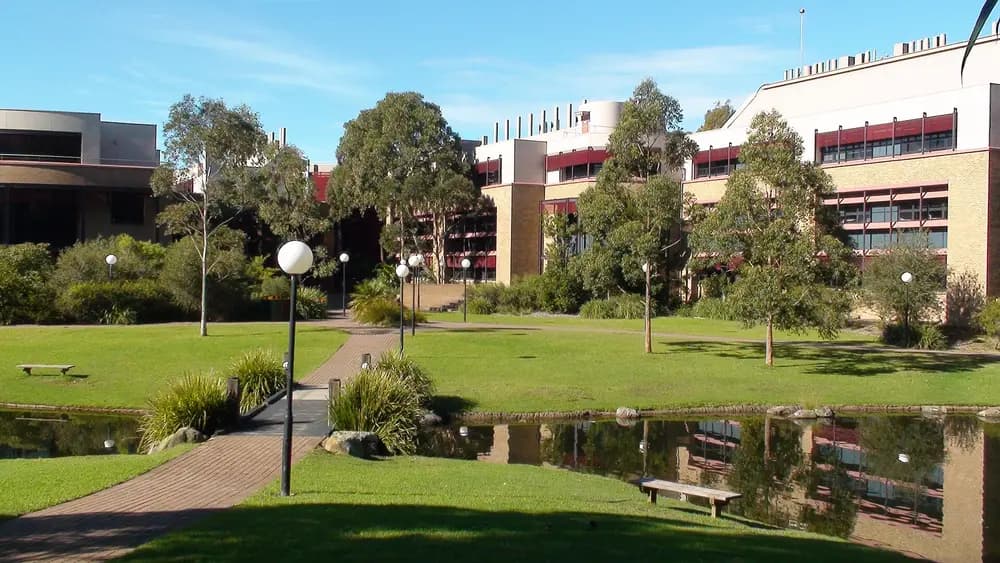
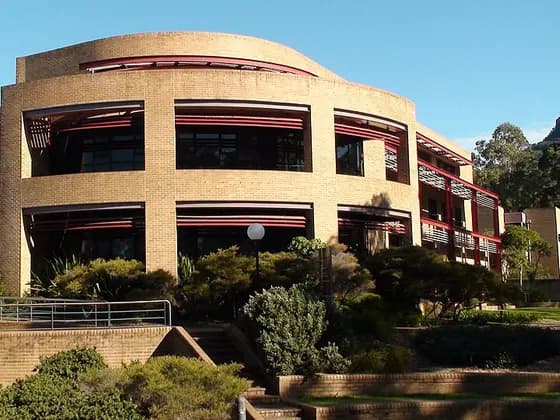
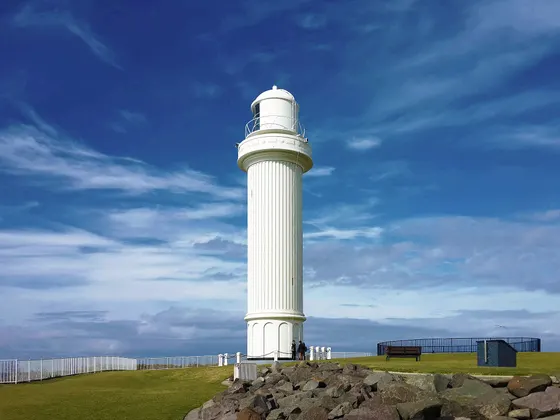
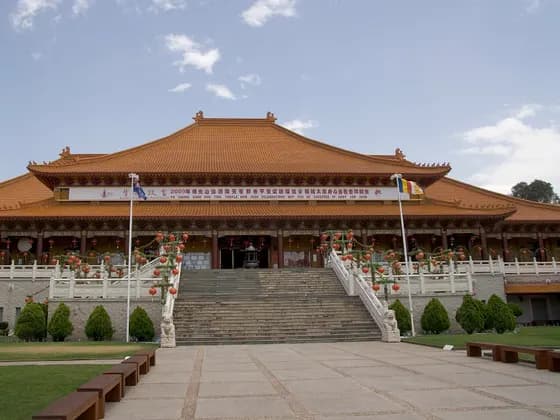
Photo: JVPurvis · CC BY-SA 3.0 · cropped
Photo: JVPurvis · CC BY-SA 3.0 · Photo: Coekon · CC BY-SA 4.0 · Photo: Maksym Kozlenko · CC BY-SA 3.0
How to get into Wollongong medicine
Step-by-step: entry requirements, admission tests, personal statement, interview format and the key deadlines.
Open the guide →Wollongong entry requirements
Admission profile, interview format, decision dates and what makes Wollongong different.
See the profile →The Wollongong medicine course
Case-based learning + Integrated, 4 years (graduate entry), placements across Illawarra, Shoalhaven, Southern Highlands and rural NSW.
See the course →The Wollongong medicine interview
Wollongong's four-year graduate MD selects via a live online Multiple Mini Interview — for 2027 entry in the week commencing 17 September 2026 (UOW's timeline lists 17–25 September), with interview offers in early September and a briefing webinar on 7 September. UOW does not publish the number of stations or the per-station duration; those details are sent to interviewees in early September. The school has an explicit rural and regional workforce mission, and the 2027 intake structure makes that central.
**For 2027 entry, GAMSAT and GPA are pure hurdles — the final place-offer ranking is 70% interview + 30% UOW admissions bonuses**, so MMI performance dominates.
**Casper is the fact most applicants miss. It is not a hurdle: it is 50% of the ranking for INTERVIEW offers**, alongside UOW admissions bonuses (the other 50%). With GAMSAT and GPA reduced to hurdles, Casper is the single largest test-based determinant of whether you are invited to interview at all. It is excluded only from the final place-offer ranking.
The rural-entry footprint is large. UOW lists a Rural-Regional Combined Medical Education Track of 54 places (minimum 32 for the Rural Entry Pathway), a Health Access Stream of 10 places within it (minimum 6), and a Rural End-to-End Track of 30 places (minimum 17). GEMSAS lists the 2027 places as 37 CSP, 30 CSP rural end-to-end, 27 BMP and 15 international — approximately 109. UOW says it is the only NSW medical school awarded Commonwealth funding in 2024 for a rural end-to-end program, and guarantees an interview to Rural Entry Pathway applicants of demonstrated NSW rural origin who put UOW first in GEMSAS and meet the hurdles.
The distinctive curriculum feature is the 12-month longitudinal integrated clinical placement in Phase 3: students spend a full year embedded in a regional or rural community rather than rotating wards, and 70% do it rurally. Examiners specifically probe whether you understand what that means and why it appeals.
The Aboriginal and Torres Strait Islander Pathway is ranked within each track, with a 15% target in each. First-round place offers are released in early November — among the earliest in the AU graduate cycle.
Wollongong interview at a glance (2027 entry)
| 2027 place-offer ranking | 70% interview + 30% UOW admissions bonuses (GPA, GAMSAT and Casper are hurdles) |
|---|---|
| Interview-offer ranking | 50% Casper + 50% UOW MD admissions bonuses |
| MMI format | Live online; station count and length not published (sent to interviewees in September) |
| MMI dates (2027 entry) | 17–25 September 2026 |
| Places (2027, GEMSAS) | 37 CSP + 30 CSP rural end-to-end + 27 BMP + 15 international (~109) |
| Rural Entry Pathway minima | 32 (Combined Track), 6 (Health Access Stream, within it), 17 (End-to-End Track) |
| Hurdles | Weighted GPA ≥5.5; GAMSAT ≥50 overall and per section; minimum Casper set annually |
Interview format
- Multiple Mini Interview delivered live online in the week commencing 17 September 2026 (2027 entry; UOW's timeline lists 17–25 September) — not on campus.
- UOW does not publish the number of stations or the per-station duration; further information is sent in early September to applicants who receive an interview offer, with a briefing webinar on 7 September 2026.
- Blueprinted to assess communication skills, an empathetic and ethical approach, a reflective manner, teamwork, and decision-making in clinical and community contexts — plus health care delivery to rural, regional and remote communities and Aboriginal and Torres Strait Islander health.
- Ranking for interview: 50% Casper score + 50% UOW MD admissions bonuses, once the weighted GPA (5.5) and GAMSAT (50 overall, 50 per section) hurdles are met. Interview offers are released in early September.
- Ranking for place offers: 70% interview score + 30% admissions bonuses; GPA, GAMSAT and Casper are not used again. An interview score from another GEMSAS school is standardised and used in place of UOW's.
- Tracks: Rural-Regional Combined Track (54 places, minimum 32 Rural Entry Pathway; Health Access Stream of 10 within it, minimum 6) and Rural End-to-End Track (30 places, minimum 17). You must lodge UOW's campus, place-type and track nomination form by 5pm AEST on Sunday 27 September 2026.
- Rural Entry Pathway applicants of demonstrated NSW rural origin who select UOW as first preference and meet the hurdles are guaranteed an interview.
- Phase 3 is a 12-month longitudinal integrated clinical placement in a regional or rural community (70% of students undertake it rurally); almost 50% of the four-year program is delivered rurally.
Sample interview questions
Why Wollongong specifically? What attracted you to the longitudinal integrated clerkship model?
Engage with continuity of care, depth of community embedding, and the contrast with rotational training. Avoid generic "I like rural medicine".
What's your connection to rural or regional NSW?
If genuine — concrete community, family, lived experience. If absent — demonstrate exposure through placements, volunteering, RFDS engagement.
A patient at a rural clinic refuses an interpreter despite limited English. They want their teenage son to translate. What do you do?
Engage with patient autonomy, the limitations of family translation, child welfare, and TIS availability. Negotiate, don't mandate.
Closing the Gap targets continue to lag in the Illawarra and Shoalhaven. What role can a Wollongong graduate play?
Concrete actions:
- cultural safety
- ACCHO partnerships (Waminda, Illawarra Aboriginal Medical Service)
- workforce contribution
Don't centre yourself.
Role-play: explain to a patient in Nowra why their cardiac investigation requires retrieval to Wollongong Hospital.
Plain language. Explain the time-critical nature without panic. Engage the patient. Reference the retrieval network.
What does spending a full year in a single rural community as a student mean to you?
Engage with the depth of relationships, the limitations of rotational exposure, and the maturation of clinical skills through continuity. Personal not abstract.
Describe a time you connected with someone from a very different background.
Authentic. The Illawarra, Shoalhaven, and Southern NSW are diverse — Aboriginal communities, ageing populations, regional working-class.
Voluntary assisted dying is legal in NSW. A patient in a remote town wants VAD but no local practitioner participates. What do you do?
Reference the NSW VAD Act's referral obligations. Identify the VAD Navigator Service. Don't obstruct.
Explain the Medicare rebate and gap fee structure to a young farmer who's never had a chronic illness.
Plain language. Concrete dollar example. Avoid jargon.
Should new medical graduates be required to spend their first internship year in a regional or rural hospital?
What they are listening for:
- Workforce maldistribution
- individual autonomy
- training quality
Balanced reasoning.
Why graduate medicine at Wollongong rather than a 6-year undergraduate program elsewhere?
What they are listening for:
- Maturity of the cohort
- prior degree benefits
- the LIC pedagogy
- regional focus
A patient in a rural clinic asks you to prescribe a controlled medication. SafeScript shows multiple recent prescriptions from other providers. What do you do?
Engage with addiction medicine, real-time prescription monitoring, therapeutic relationship, and pain pathway alternatives.
What concerns you most about being embedded in a regional community for a full year?
Honest. Workforce isolation, social transitions, limited subspecialty exposure. Show self-aware sustainability.
Describe a time you reflected on critical feedback and changed your approach.
Authentic, not a humble brag.
Role-play: a patient is angry about a delayed elective surgery. Demonstrate the conversation.
Acknowledge the wait. Apologise for the delay, not for triage. Concrete next steps.
What's your understanding of the Illawarra-Shoalhaven and Murrumbidgee LHDs?
Engage with their geographic spread, key hospitals (Wollongong, Shoalhaven, Wagga), and their workforce profile.
A junior colleague confides they're struggling with substance use. They ask you not to tell anyone. What do you do?
Listen, support, but make clear the limits of confidentiality when patient safety is at stake. Encourage formal pathways.
Practise the Wollongong interview
Rehearse the real format before the day — on demand with our AI interviewers, or live with a tutor.
Sit a mock with photoreal AI interviewers — any time
A timed MMI or panel interview on video — Australian & international voices — with interviewers who listen, react and press with follow-ups. Rubric-scored feedback and a replay the moment you finish.






Live mocks with a tutor who’s been in the room
A full Wollongong-style mock with a medic or dentist tutor — honest scoring against real marking criteria, a station-by-station debrief and a written action plan.
Book a mock interviewHow to prepare for the Wollongong interview
Common pitfalls to avoid
Wollongong interview — frequently asked questions
Sources & official admissions information
Ready to nail your Wollongong interview?
Book a mock interview with a tutor who knows the Australian interview formats, orpractise unlimited stations with Prometheus.