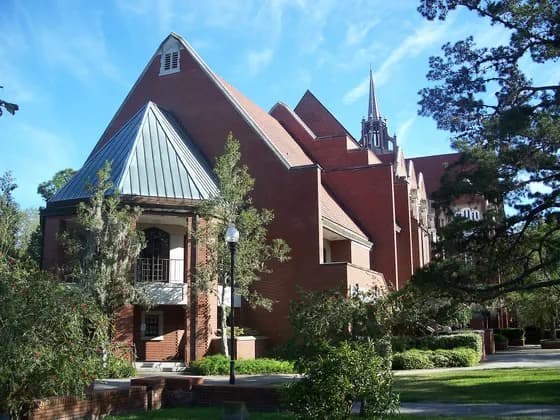
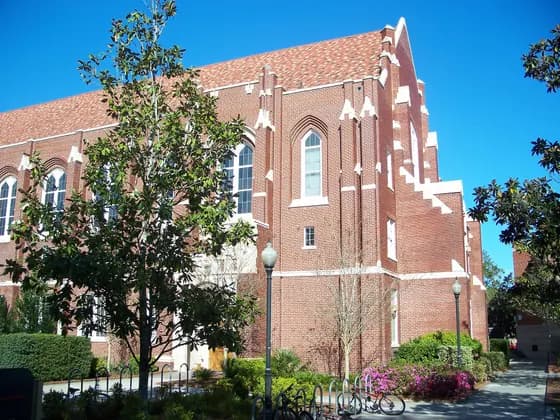
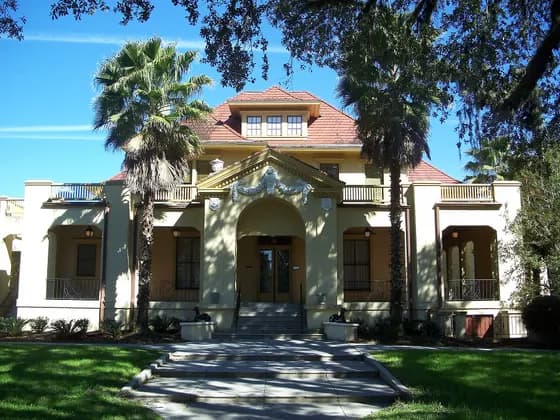
The University of Florida College of Dentistry was founded in 1972. It is the only public dental school in Florida, and one of the leading dental schools in the southeastern United States. It sits in Gainesville on the UF Health Science Center campus.
The college offers the DMD degree and runs one of the largest dental clinics in the Southeast, caring for a diverse patient population across North Central Florida. It is a major part of UF Health, and benefits from being integrated with UF's nationally ranked academic medical center.
As the state's only public dental school, UFCD carries a strong public mission to address Florida's dental workforce and access-to-care problems.
What makes University of Florida College of Dentistry (DMD) different
Applications via ADEA AADSAS. UFCD is the only public dental school in Florida — a key consideration for in-state applicants seeking a public dental education at significantly lower tuition than private alternatives. Its integration with UF Health provides access to an academic medical center and a large patient care volume.
As the sole public dental school in one of the most populous US states, UFCD has an outsized role in Florida's dental workforce.
University of Florida College of Dentistry (DMD) course & teaching
Integrated curriculum. 4-year DMD curriculum with integrated biomedical sciences and early pre-clinical simulation. Patient care begins in Year 2 at UFCD's large on-campus clinic serving North Central Florida. Years 3–4 involve comprehensive patient care across all dental disciplines with elective specialty rotations. The school offers research opportunities through UF Health and affiliated NIDCR-funded programs.
Community outreach rotations expose students to dental access challenges across underserved Florida communities.
University of Florida College of Dentistry (DMD) research strengths
University of Florida College of Dentistry (DMD) is strong in these research areas:
- Craniofacial biology
- Oral cancer
- Dental biomaterials
- Community oral health
- Periodontal biology
How the University of Florida College of Dentistry (DMD) interview runs
Format: One open-file interview of about 20–30 minutes with 3–4 Admissions Committee members, on an in-person interview day
The University of Florida College of Dentistry holds in-person interviews at its Gainesville campus. The interview day includes one open-file interview of about 20 to 30 minutes with three or four members of the Admissions Committee, which assesses motivation for dentistry, understanding of oral-systemic health, manual dexterity awareness, and commitment to serving Florida communities.
The day also includes lunch, a student-led tour and presentations. As Florida's only public dental school, interviewers give weight to in-state applicants who can articulate a commitment to addressing dental access disparities across Florida — particularly in rural, agricultural, and underserved communities. Rolling post-interview decisions are typically issued within 4–8 weeks.
University of Florida College of Dentistry (DMD) intake
Approximately 80–90 students per year.
Where University of Florida College of Dentistry (DMD) is
University of Florida College of Dentistry was founded in 1972 and is based in Gainesville, FL.
Programmes offered:
- General Dentistry
- Orthodontics
- Pediatric Dentistry
- Periodontics
- Oral and Maxillofacial Surgery