
US Dentistry · 2027 Entry

Oregon Health and Science University School of Dentistry

2027 Entry Requirements & Interview Format

Oregon Health and Science University School of Dentistry is a US DMD program in Portland, OR that takes 2027-entry applications through ADEA AADSAS. Its published class profile lists a median GPA of 3.80, a 6.0% acceptance rate and a class of 76. The school holds a traditional interview: October 2026–February 2027.

Location
Portland, OR, United States
Established
1898
Interviews (2027 entry)
October 2026–February 2027
Decisions (2027 entry)
Rolling admissions
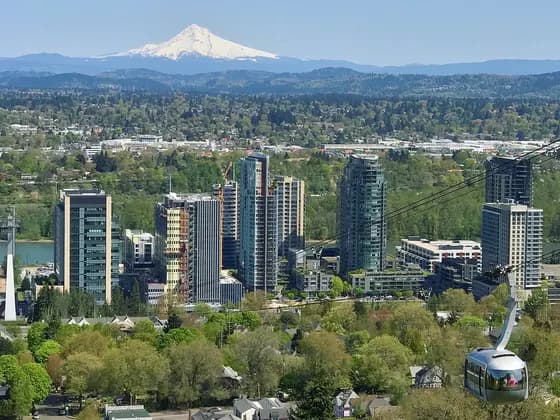
Oregon Health and Science University School of Dentistry (DMD) — Peter O. Kohler Pavilion

Photo: M.O. Stevens · CC BY-SA 3.0 · cropped

Photo: Jkwinpdx · CC BY-SA 4.0 · Photo: Tedder · CC BY-SA 4.0 · Photo: Vulturesong · CC0

Student life

Still deciding where to apply? Hear it from a student who's there

Student guides · Dentistry

Honest student guides to US dental schools

Current dental students at US schools are filming their guides right now: what the course and teaching are really like, the city they live in, the social side, and whether they'd pick it again.

Coming soon

Not on sale yet — we'll open these up as soon as the first US videos land.

Filming now

Start here
Overview

About Oregon Health and Science University School of Dentistry (DMD)

Oregon Health and Science University School of Dentistry was founded in 1898, and joined the state university system in 1945 as the University of Oregon Dental School. It is the only dental school in Oregon, and a top-ranked public dental school in the Pacific Northwest. It sits on OHSU's academic health sciences campus in Portland.

The school runs a high-volume dental clinic serving a diverse urban and rural patient population. Research covers oral biology, dental public health, and biomaterials. OHSU Dentistry is known for strong specialty programs, and for training dentists to work in underserved communities across Oregon.

What makes Oregon Health and Science University School of Dentistry (DMD) different

Applications via ADEA AADSAS. As the only dental school in Oregon, OHSU Dentistry bears particular responsibility for the state's dental workforce. The school's Marquam Hill location integrates dental training with OHSU's full health sciences campus. Community health rotations at rural Oregon FQHCs provide distinctive training in underserved settings.

Oregon Health and Science University School of Dentistry (DMD) course & teaching

Integrated curriculum. 4-year DMD curriculum integrating biomedical sciences with early patient contact. Clinical training begins in Year 2 at OHSU's dental clinics on Marquam Hill. Years 3–4 include comprehensive patient care and elective specialty rotations. Community health rotations at Federally Qualified Health Centers and rural Oregon sites are a distinctive feature.

Oregon Health and Science University School of Dentistry (DMD) research strengths

Oregon Health and Science University School of Dentistry (DMD) is strong in these research areas:

  • Oral biology
  • Biomaterials
  • Dental public health
  • Craniofacial development
  • Oral microbiome

How the Oregon Health and Science University School of Dentistry (DMD) interview runs

Format: Interview via teleconference with members of the admissions committee

OHSU School of Dentistry interviews selected applicants by teleconference with members of the admissions committee, between September and March. The school's DMD pages do not describe the format further and do not mention an MMI. Expect questions on motivation for dentistry, oral-systemic health understanding, ADA ethics, manual dexterity awareness, and community health commitment.

OHSU values diversity and community health service, and interviewers probe candidates' understanding of Oregon's rural and underserved dental access challenges. Post-interview rolling decisions are typically issued within 4–8 weeks.

Oregon Health and Science University School of Dentistry (DMD) intake

Approximately 72–80 students per year.

Where Oregon Health and Science University School of Dentistry (DMD) is

Oregon Health and Science University School of Dentistry was founded in 1898 and is based in Portland, OR.

Programmes offered:

  • Orthodontics
  • Oral and Maxillofacial Surgery
  • Periodontics
  • Pediatric Dentistry
  • Endodontics
Practise

Practise the Oregon Health and Science University School of Dentistry (DMD) interview with an AI interviewer

These are real recordings of the interviewers you would meet, from a panel of 19 photoreal faces. Speak your answers out loud, get pressed with follow-ups, and receive rubric-scored feedback about two minutes after you finish, with a replay of your answers.

Try the AI interviewer
Entry requirements

What you need to apply to Oregon Health and Science University School of Dentistry (DMD)

Oregon Health and Science University School of Dentistry (DMD) at a glance

Oregon Health and Science University School of Dentistry Dentistry — 2027 entry at a glance
GPA (median)3.80
Acceptance rate6.0%
Class size76
In-state matriculants56%
Interview formatTraditional interview
IntakeApproximately 72–80 students per year
Oregon Health and Science University School of Dentistry Dentistry admissions profile — 2027 entry
Admission overviewBachelor's degree and DAT required. Applications via ADEA AADSAS. Oregon residents receive strong preference as the only public dental school in the state. Competitive applicants demonstrate dental experience, community service, and a genuine commitment to Oregon oral health needs.
GPA median3.80 overall / 3.75 science (BCPM)
Acceptance rate6.0%
Class size76
In-state preferenceStrong — primarily in-state
In-state matriculants56%
CASPerNot required
Holistic review emphasisOregon residency, dental experience, community health service, academic achievement.
NotesEstimates from ADEA AADSAS and OHSU School of Dentistry class profiles; verify for current cycle. DAT figure sourced 2026-09-12 from https://www.ohsu.edu/school-of-dentistry/dmd-program-entering-class-statistics (ADA 200-600 scale). Interview details checked 2026-10-07 against https://www.ohsu.edu/school-of-dentistry/dmd-program-selection: interviews are by teleconference with admissions committee members; the page does not name an MMI.
Specialities offeredOrthodontics, Oral and Maxillofacial Surgery, Periodontics, Pediatric Dentistry, Endodontics

MCAT, GPA, acceptance-rate and class-size figures are taken from Oregon Health and Science University School of Dentistry's published admissions data. Class profiles are republished each year — confirm which entering class these numbers describe before you rely on them.

Interview

How Oregon Health and Science University School of Dentistry (DMD) interviews applicants

Oregon Health and Science University School of Dentistry Dentistry interview — 2027 entry
FormatInterview via teleconference with members of the admissions committee
Interview window (2027 entry)October 2026–February 2027
Decision date (2027 entry)Rolling admissions
Post-interview chancesApproximately 25–35% post-interview (estimated); Oregon residents have a meaningfully higher acceptance rate.
Tutor insight
Oregon residency confers a strong advantage at OHSU. Out-of-state applicants should articulate compelling Pacific Northwest or community health ties. In your interview, show genuine awareness of Oregon's dental access landscape — the state has rural dental deserts and Indigenous community oral health disparities that OHSU graduates are expected to address. Prepare strong answers on oral-systemic health and ADA ethics for your teleconference interview with admissions committee members.
Practice

Practise for your Oregon Health and Science University School of Dentistry (DMD) interview

PrometheusQuestion Bank485 dentistry questions inside

Interview questions matched to Oregon Health and Science University School of Dentistry (DMD)

Two questions from our US bank that match Oregon Health and Science University School of Dentistry (DMD)’s panel format. Try answering them out loud, then open Prometheus for the model answers and follow-up tips.

HardMMI · PanelQ1

Informed Consent and Bisphosphonate Risk

A 67-year-old patient on bisphosphonate therapy (alendronate) for osteoporosis for the past seven years presents requiring extraction of an unrestorable maxillary molar. Communicating a risk of roughly 0.1-0.5% (the AAOMS estimate for MRONJ after tooth extraction in patients on oral bisphosphonates is approximately 0.5%; observational series report lower): contextualizing statistical risk is a known communication challenge.

The most useful approaches pair the percentage with a concrete comparison ('Roughly 1 in 200 to 1 in 1,000 extractions in patients on your medication are associated with this complication') and explain what the outcome means in human terms ('It would mean a slow-healing wound at the extraction site that requires specialist management — it is serious but manageable when caught early').

Note that this extraction-specific figure is much higher than the background rate of this complication in everyone taking the drug, which is what the low headline numbers usually refer to.

Do not minimize but do not catastrophize — the goal is calibrated understanding. of dental extractions in patients on long-term bisphosphonate therapy — particularly intravenous bisphosphonates, though oral bisphosphonates also carry risk after long-term use. The patient is not aware of this risk.

How do you conduct the informed consent conversation for this procedure, and what clinical steps would you take to minimize risk?

Likely follow-up · The patient asks: 'How likely is this to happen to me?'

You know the absolute risk of BRONJ from oral bisphosphonates is low but not zero — Communicating a risk of roughly 0.1-0.5% (the AAOMS estimate for MRONJ after tooth extraction in patients on oral bisphosphonates is approximately 0.5%; observational series report lower): contextualizing statistical risk is a known communication challenge.

The most useful approaches pair the percentage with a concrete comparison ('Roughly 1 in 200 to 1 in 1,000 extractions in patients on your medication are associated with this complication') and explain what the outcome means in human terms ('It would mean a slow-healing wound at the extraction site that requires specialist management — it is serious but manageable when caught early').

Note that this extraction-specific figure is much higher than the background rate of this complication in everyone taking the drug, which is what the low headline numbers usually refer to. Do not minimize but do not catastrophize — the goal is calibrated understanding..

How do you communicate this probability in a way that is accurate and useful to the patient rather than creating disproportionate alarm or false reassurance?

3 expert tips in Prometheus
EasyPanelQ2

Most Exciting Area of the Dental Curriculum

Dental school covers everything from preclinical sciences such as oral pathology and dental materials to clinical disciplines such as prosthodontics, endodontics and oral surgery. Which specific area of the curriculum are you most genuinely excited to study, and why?

Likely follow-up · Is there a clinical discipline you are genuinely apprehensive about, and how will you approach that apprehension during training?

3 expert tips in Prometheus
Get support

Apply to Oregon Health and Science University School of Dentistry (DMD) with confidence

We've helped students into Oregon Health and Science University School of Dentistry (DMD) and other US dentistry schools — get tailored support for each stage of the application.

Sources

Where Oregon Health and Science University School of Dentistry (DMD)'s figures come from

Compiled from Oregon Health and Science University School of Dentistry's published admissions material and checked for internal consistency. Not independently re-checked against the school's own website for 2027 entry — confirm the figures with the school before you rely on them.

FAQ

Oregon Health and Science University School of Dentistry (DMD) — frequently asked questions

Bachelor's degree and DAT required. Applications via ADEA AADSAS. Oregon residents receive strong preference as the only public dental school in the state. Competitive applicants demonstrate dental experience, community service, and a genuine commitment to Oregon oral health needs.

Apply to Oregon Health and Science University School of Dentistry (DMD) with confidence

We've helped students turn their DAT, personal statement and interview prep into offers from Oregon Health and Science University School of Dentistry (DMD) and other US dentistry schools.