
Oregon Health and Science University School of Dentistry Interview
Format, Questions & Prep Tips
Oregon Health and Science University School of Dentistry dentistry interviews for 2027 entry are a traditional interview. Published figures: Annual DMD class size ~76.
- Institution
- Oregon Health and Science University School of Dentistry
- Interview (2027 entry)
- October through February; rolling invitations after secondary review
- Decisions (2027 entry)
- Rolling decisions issued 4–8 weeks post-interview; waitlist movement through spring

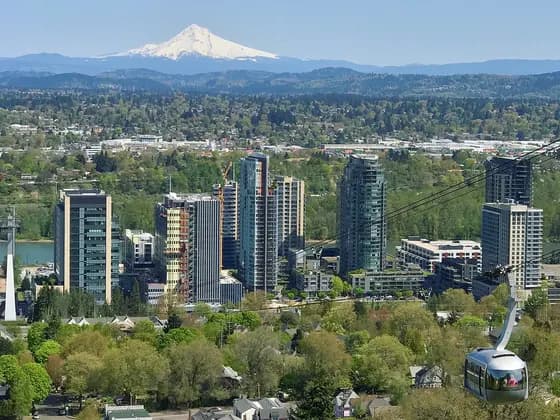

Photo: M.O. Stevens · CC BY-SA 3.0 · cropped
Photo: Jkwinpdx · CC BY-SA 4.0 · Photo: Tedder · CC BY-SA 4.0 · Photo: Vulturesong · CC0
How to get into Oregon Health and Science University School of Dentistry (DMD) dentistry
Step-by-step: entry requirements, admission tests, personal statement, interview format and the key deadlines.
Open the guide →Oregon Health and Science University School of Dentistry (DMD) entry requirements
Admission profile, interview format, decision dates and what makes Oregon Health and Science University School of Dentistry (DMD) different.
See the profile →The Oregon Health and Science University School of Dentistry (DMD) dentistry interview
Oregon Health and Science University School of Dentistry uses a **traditional one-on-one faculty interview and/or MMI format at its Portland, Oregon campus in the South Waterfront district (Skourtes Tower, Robertson Life Sciences Building). OHSU Dentistry is the only dental school in Oregon**, training dentists for a state with significant rural and tribal dental access gaps.
Oregon residents receive strong preference, and interviewers probe candidates’ connection to Oregon oral health needs and their willingness to serve underserved communities — including rural counties and Indigenous populations.
The school uses ADEA AADSAS. DAT is required. OHSU Dentistry values diversity, community health commitment, and the oral-systemic health connection. OHSU interviewers place particular emphasis on personal qualities and interpersonal skills.
Oregon Health and Science University School of Dentistry (DMD) interview at a glance (2027 entry)
| Annual DMD class size | ~76 |
|---|---|
| Interview format | Traditional one-on-one and/or MMI stations |
| DAT required | Yes — via ADEA AADSAS |
| In-state preference | Strong — only dental school in Oregon |
| Application system | ADEA AADSAS primary + OHSU secondary |
| Interview window | October–February |
Interview format
- Traditional one-on-one faculty interview of approximately 30–45 minutes, and/or MMI stations of 8–10 minutes each.
- Clinic and simulation laboratory tour on OHSU's Marquam Hill campus.
- Interaction with current DMD students.
- Admissions information session; OHSU health sciences campus overview.
Sample interview questions
As the only dental school in Oregon, OHSU Dentistry has a special obligation to the state. How do you see yourself fitting into that mission?
Show specific awareness of Oregon's dental access gaps — rural counties, tribal communities, and underserved urban Portland populations. Be concrete about where you see yourself practicing.
What drew you to OHSU specifically, and what aspects of the program align most with your career goals?
Reference OHSU's research strengths, community health rotation model, specialty programs, or OHSU health sciences campus integration. Generic answers about the Pacific Northwest are insufficient.
Oregon has significant Indigenous tribal communities with distinct oral health needs. How should dental schools prepare students to serve these populations?
What they are listening for:
- Cultural humility
- community-based participatory approaches
- traditional healing respect
- representation in the dental workforce
OHSU Dental has tribal community partnerships and expects this awareness.
Describe a time you worked in or with a community different from your own. What did you learn about providing care in cross-cultural contexts?
Specificity matters. The lesson should be about your own growth — what changed in how you approach difference — not just a description of the experience.
How did you prepare for the DAT, and what did the process teach you about how you learn under pressure?
Show self-awareness and study strategy. Reflection on learning process and adaptability is valued at OHSU as a health sciences research university.
A patient refuses treatment for severe tooth decay because of religious beliefs. What do you do?
What they are listening for:
- Patient autonomy
- informed refusal
- documentation
- ongoing relationship maintenance
- the dentist's duty to provide information without coercion
Show respect for patient agency alongside clinical obligation.
What area of dental research interests you most, and why?
Reference OHSU's research strengths: oral biology, biomaterials, dental public health, craniofacial development, or oral microbiome. Show genuine intellectual engagement, not just a desire for research credentials.
How would you communicate the risks of not treating gum disease to a patient who believes dental care is low priority?
What they are listening for:
- Motivational interviewing
- plain-language oral-systemic education
- prioritizing patient concerns
- sustained relationship-based follow-up
Avoid a lecturing tone.
Oregon passed significant dental therapy legislation allowing dental therapists to practice. What do you think about mid-level dental providers, and what does it mean for dentistry?
A genuine policy question with no single right answer. Show you can reason through access, quality, scope-of-practice, and workforce implications with professional maturity rather than defensiveness.
Where do you see yourself practicing ten years from now, and how does OHSU Dentistry specifically prepare you for that future?
Connect your career vision to OHSU's specific program features. Show intentional rather than generic thinking about your dental future.
OHSU station: a map shows several rural eastern Oregon counties classified as dental health professional shortage areas while the Portland metro is comparatively well served. Interpret this and explain what it means for OHSU's mission.
Read the urban-rural divide in access terms, link it to OHSU's community rotations and the state's dental-therapy approach to workforce, and avoid over-claiming. In an MMI keep it structured and concise.
OHSU station: your simulated patient declines a recommended treatment, citing strong distrust of the healthcare system after past negative experiences. You have a short station. How do you respond?
Validate the distrust, do not argue, offer transparency and genuine choice, and aim to keep the door open rather than win the appointment. Trust repair, not persuasion, is the goal.
Oregon has expanded dental therapy. Explain the oral-systemic and access rationale for mid-level providers, and one legitimate concern, as you would to a skeptical colleague.
Balance access and prevention benefits against scope-of-practice and supervision concerns, with professional maturity rather than defensiveness. OHSU expects you to reason about workforce policy, not just clinical care.
OHSU station: a classmate on a remote rotation asks you to clock them in for a clinic session they will miss to drive home early. What do you do?
Decline — this is falsifying a record and undermines patient coverage and trust. Be supportive of the person but firm on the principle, and escalate if pressed.
Describe a time you worked effectively across a difference in values or worldview with a patient, client, or colleague. What did you learn?
Specific and reflective, with the lesson centered on your own growth in cultural humility — exactly what OHSU's emphasis on personal growth is probing.
Practise the Oregon Health and Science University School of Dentistry (DMD) interview
Rehearse the real format before the day — on demand with our AI interviewers, or live with a tutor.
Sit a mock with photoreal AI interviewers — any time
A timed MMI or panel interview on video — American & international voices — with interviewers who listen, react and press with follow-ups. Rubric-scored feedback and a replay the moment you finish.






Live mocks with a tutor who’s been in the room
A full Oregon Health and Science University School of Dentistry (DMD)-style mock with a medic or dentist tutor — honest scoring against real marking criteria, a station-by-station debrief and a written action plan.
Book a mock interviewHow to prepare for the Oregon Health and Science University School of Dentistry (DMD) interview
Common pitfalls to avoid
Oregon Health and Science University School of Dentistry (DMD) interview — frequently asked questions
Sources & official admissions information
Ready to nail your Oregon Health and Science University School of Dentistry (DMD) interview?
Book a mock interview with a tutor who knows the US interview formats, orpractice unlimited stations from our interview question bank.