
Lincoln Memorial University College of Dental Medicine Interview
Format, Questions & Prep Tips
Lincoln Memorial University College of Dental Medicine dentistry interviews for 2027 entry are a traditional interview. Published figures: Annual DMD class size ~60 (growing).
- Institution
- Lincoln Memorial University College of Dental Medicine
- Interview (2027 entry)
- September through February; rolling invitations after secondary review
- Decisions (2027 entry)
- Rolling decisions issued 4–8 weeks post-interview
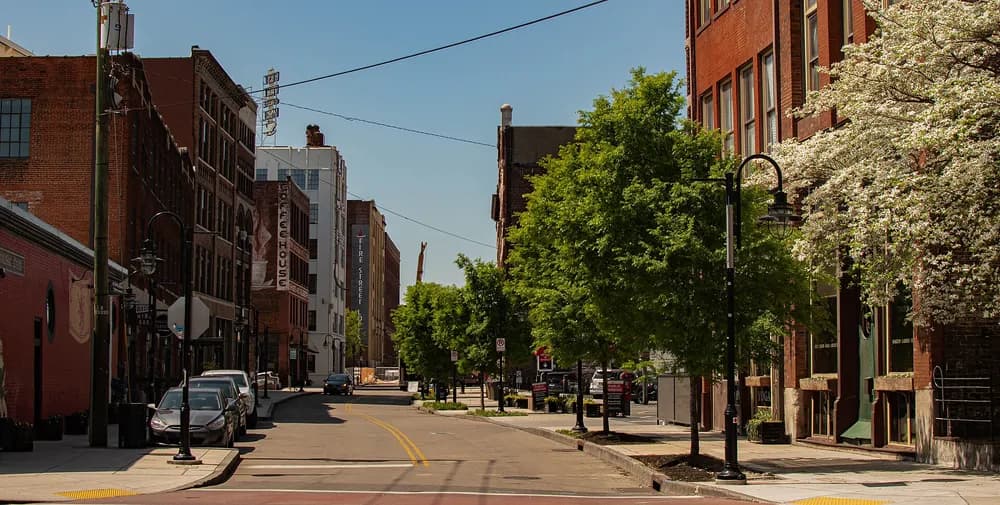
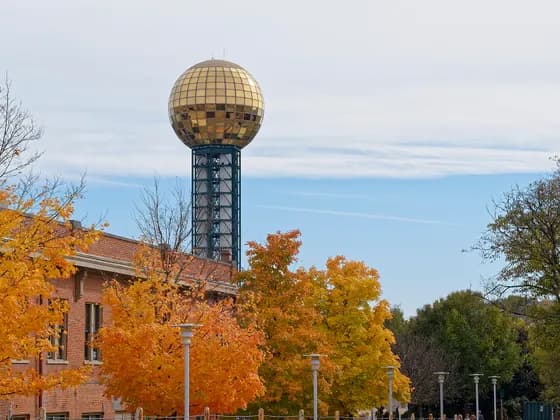
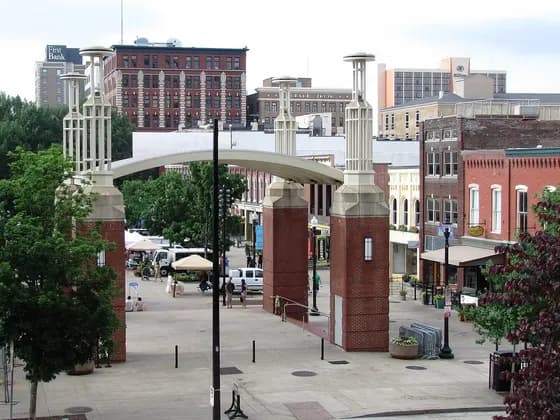

Photo: Col919 · CC BY-SA 4.0 · cropped
Photo: David Ratledge · CC BY 4.0 · Photo: Brian Stansberry · CC BY 3.0 · Photo: Daderot · Public domain
How to get into Lincoln Memorial University College of Dental Medicine (DMD) dentistry
Step-by-step: entry requirements, admission tests, personal statement, interview format and the key deadlines.
Open the guide →Lincoln Memorial University College of Dental Medicine (DMD) entry requirements
Admission profile, interview format, decision dates and what makes Lincoln Memorial University College of Dental Medicine (DMD) different.
See the profile →The Lincoln Memorial University College of Dental Medicine (DMD) dentistry interview
Lincoln Memorial University College of Dental Medicine uses a traditional one-on-one faculty and/or panel interview format at its Knoxville, Tennessee campus. Founded in 2019, LMU Dental was built with an explicit mission to address Appalachian Tennessee’s severe dental workforce shortage — one of the most acute oral health crises in the United States.
Interviewers probe candidates' genuine commitment to rural and underserved Appalachian communities. If your career vision centers on urban private practice, LMU Dental is not the right fit — and its interviewers will identify that quickly.
The school uses ADEA AADSAS. DAT is required. LMU Dental interviewers weight personal qualities and interpersonal skills most heavily, reflecting the school’s mission-driven admissions philosophy.
Lincoln Memorial University College of Dental Medicine (DMD) interview at a glance (2027 entry)
| Annual DMD class size | ~60 (growing) |
|---|---|
| Interview format | Traditional one-on-one or panel faculty interview |
| DAT required | Yes — via ADEA AADSAS |
| School type | Private — strong Appalachian/rural mission preference |
| Application system | ADEA AADSAS primary + LMU secondary |
| Interview window | September–February |
Interview format
- Traditional one-on-one or small panel faculty interview, approximately 30–45 minutes.
- Clinic and simulation laboratory tour at LMU's Knoxville campus.
- Interaction with current DMD students.
- Admissions information session covering LMU's Appalachian health mission and community rotations.
Sample interview questions
LMU Dental was founded specifically to address Appalachian Tennessee's dental workforce shortage. Why does that mission appeal to you, and what in your background connects you to it?
Be specific and honest. Rural Appalachian community ties, volunteer experience in underserved health settings, or family experience with healthcare access barriers are all relevant. Generic answers about helping people will not stand out.
After graduating from LMU Dental, where do you see yourself practicing, and what population do you most want to serve?
LMU Dental exists to train dentists for Appalachian Tennessee and rural communities. Show genuine intent to practice in these settings and name specific communities or regions.
You are the only dentist within 60 miles of a rural Appalachian community. A patient needs a root canal you have not performed many times. What do you do?
Rural dental practice realities: scope of practice, clinical competency limits, patient communication, referral options (even at distance), and teledentistry. Rural dentists face exactly these decisions regularly.
How would you build a therapeutic relationship with an Appalachian patient who is deeply distrustful of healthcare providers?
Trust in rural and Appalachian communities must be earned over time. Address cultural humility, community presence, word-of-mouth reputation, consistency, and patience. Generic communication frameworks are insufficient here.
What do you know about the oral health statistics in Appalachian Tennessee, and what do they tell you about where dentists are needed?
Know the data: Appalachian counties have among the highest rates of tooth loss, edentulism, and untreated decay in the US. Specific county or community knowledge signals genuine commitment.
Methamphetamine use has devastated dental health in Appalachian communities. How should dentists approach patients with meth-related oral destruction?
Non-judgmental care, trauma-informed communication, harm reduction, substance use disorder referral, and addressing immediate dental pain. Show compassion, not stigma.
As a newer dental school, LMU Dental is still establishing its track record. What attracts you to being part of an early cohort?
Show genuine enthusiasm for the founding mission, smaller class culture, access to faculty, and the opportunity to contribute to the school's identity. Avoid answers that suggest you're applying only because established schools rejected you.
How would you explain severe periodontal disease to a patient who believes their teeth are fine because they feel no pain?
What they are listening for:
- Educating about asymptomatic disease progression
- X-ray findings
- visible clinical signs
- the consequence of inaction
Plain language, motivational interviewing, and maintaining patient trust.
Appalachian patients have historically had poor access to preventive dental care. What systemic changes would most improve oral health outcomes in the region?
What they are listening for:
- Water fluoridation
- school-based sealant programs
- Medicaid dental expansion
- dental therapy
- mobile dental units
- community health worker models
Show systemic thinking, not just individual clinical solutions.
What do you think makes dental care in Appalachian communities uniquely challenging compared to urban private practice?
Geographic isolation, economic deprivation, lack of specialist backup, cultural attitudes toward dental care, substance use overlap with oral health, and infrastructure limitations. Show you understand the actual context.
Role-play: a guarded 50-year-old Appalachian man in your chair says, 'Doctors and dentists never did nothing but take my money and my teeth.' He is in pain but suspicious. Show me how you would respond in the first two minutes.
What they are listening for:
- Validate the distrust without defensiveness
- lead with relieving his pain
- slow pacing
- plain language
- earning a single small piece of trust rather than overpromising
Generic empathy lines will not land here.
Appalachian Tennessee counties report some of the highest edentulism rates in the country. If a policymaker asked you whether building one new clinic would fix this, how would you reason about it?
Decay and tooth-loss reflect decades of cumulative access, water fluoridation, diet, and poverty — one clinic addresses access but not upstream causes. Show systems thinking and realistic expectations about what a single intervention can move.
LMU's curriculum builds toward rural, sometimes solo, practice. How do you study and retain clinical knowledge so that you can rely on yourself when there is no specialist nearby?
What they are listening for:
- Active recall
- building broad general-practice competence
- knowing the limits of your knowledge
- habits for staying current
Connect to the autonomy rural Appalachian practice demands.
A patient in recovery from substance use disorder needs an extraction and is anxious about pain control without opioids. How do you approach pain management and the conversation?
What they are listening for:
- Opioid-sparing protocols (NSAIDs, long-acting local anesthesia)
- honest discussion
- respecting his recovery
- coordination with his care team
Demonstrate compassion and current dental pain-management awareness, given the region's substance-use burden.
How would you explain to a patient with no prior dental care why a tooth that 'doesn't hurt' still needs treatment now rather than later?
What they are listening for:
- Asymptomatic disease progression
- radiographic evidence
- consequences of waiting — explained without jargon or shaming
Build understanding and buy-in rather than issuing instructions.
Practise the Lincoln Memorial University College of Dental Medicine (DMD) interview
Rehearse the real format before the day — on demand with our AI interviewers, or live with a tutor.
Sit a mock with photoreal AI interviewers — any time
A timed MMI or panel interview on video — American & international voices — with interviewers who listen, react and press with follow-ups. Rubric-scored feedback and a replay the moment you finish.






Live mocks with a tutor who’s been in the room
A full Lincoln Memorial University College of Dental Medicine (DMD)-style mock with a medic or dentist tutor — honest scoring against real marking criteria, a station-by-station debrief and a written action plan.
Book a mock interviewHow to prepare for the Lincoln Memorial University College of Dental Medicine (DMD) interview
Common pitfalls to avoid
Lincoln Memorial University College of Dental Medicine (DMD) interview — frequently asked questions
Sources & official admissions information
Ready to nail your Lincoln Memorial University College of Dental Medicine (DMD) interview?
Book a mock interview with a tutor who knows the US interview formats, orpractice unlimited stations from our interview question bank.