
Meharry Medical College School of Dentistry Interview
Format, Questions & Prep Tips
Meharry Medical College School of Dentistry dentistry interviews for 2027 entry are a traditional interview, held October 2026 through March 2027. Published figures: Annual DDS class size ~70; Tuition (2025–26) ~USD 55,000–65,000/year (verify).
- Institution
- Meharry Medical College School of Dentistry
- Interview (2027 entry)
- October through March
- Decisions (2027 entry)
- Rolling decisions; offers through spring

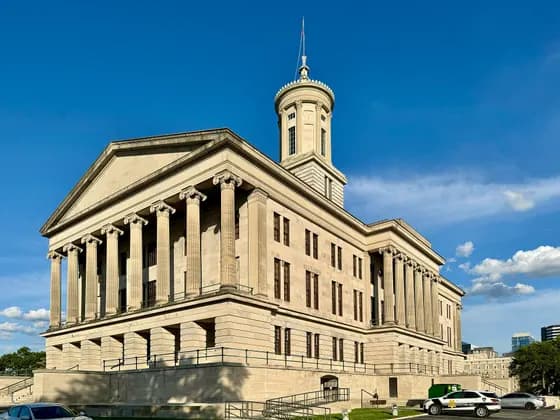


Photo: Andrew Jameson · CC BY-SA 3.0 · cropped
Photo: w_lemay · CC BY-SA 2.0 · Photo: Lmnk622 · CC BY-SA 4.0 · Photo: Jschnake · CC BY-SA 4.0
How to get into Meharry Medical College School of Dentistry (DDS) dentistry
Step-by-step: entry requirements, admission tests, personal statement, interview format and the key deadlines.
Open the guide →Meharry Medical College School of Dentistry (DDS) entry requirements
Admission profile, interview format, decision dates and what makes Meharry Medical College School of Dentistry (DDS) different.
See the profile →The Meharry Medical College School of Dentistry (DDS) dentistry interview
Meharry Medical College School of Dentistry uses a traditional interview format — one-on-one or panel sessions with faculty at its Nashville campus. Meharry is one of the nation’s oldest dental schools and the only independently operating historically Black dental school in the United States, founded in 1886 with a mission to train health professionals to serve underserved and minority communities.
Meharry interviews are intensely mission-driven — interviewers want to understand your genuine commitment to oral health equity, minority communities, and safety-net dental care. Performative answers will not land; the faculty has seen them all.
Meharry uses ADEA AADSAS. DAT and academic record matter, but the school explicitly weights mission alignment. Applicants whose personal histories connect authentically to underserved communities and health equity have a meaningful advantage.
Meharry Medical College School of Dentistry (DDS) interview at a glance (2027 entry)
| Annual DDS class size | ~70 |
|---|---|
| Interview format | Traditional — faculty session(s) |
| DAT required | Yes — via ADEA AADSAS |
| Tuition (2025–26) | ~USD 55,000–65,000/year (verify) |
| Application system | ADEA AADSAS primary + Meharry secondary |
| Interview window | October–March |
Interview format
- Traditional faculty one-on-one or panel session; approximately 30–45 minutes.
- Mission alignment with HBCU oral health equity values is central.
- Campus tour and student interaction typically included.
Sample interview questions
Meharry has trained more Black dentists than any other institution in American history. Why does that mission matter to you, and how does your own background connect to it?
Authentic personal connection to the HBCU mission and oral health equity — not generic diversity statements. Be specific and honest.
Oral health disparities disproportionately affect Black and lower-income Americans. What do you believe are the structural causes, and how can dentists address them beyond individual patient care?
What they are listening for:
- Systemic racism in healthcare access
- dental insurance gaps
- workforce diversity as a structural solution
- community health centers
Show awareness beyond individual clinical practice.
A patient with significant dental disease declines recommended treatment because they cannot afford it. How do you approach the conversation and plan?
What they are listening for:
- ADA ethics around patient autonomy
- sliding-scale and community health center referrals
- financial counseling resources
- dignity in the encounter
How would you build trust with a patient who has avoided dental care for years because of fear, cost, and previous bad experiences with the healthcare system?
What they are listening for:
- Dental anxiety
- historical mistrust of medical institutions in minority communities
- patient-centered communication
- trauma-informed care approach
Tell me about a patient or person who shaped your understanding of oral health and why it matters.
A real, specific story. Interviewers are assessing whether your motivation is grounded in lived experience versus academic interest.
What role do dental school clinics like Meharry's play in the US dental safety net, and what are the trade-offs involved?
What they are listening for:
- Dental school clinics as access points
- slower treatment pace as a trade-off
- student learning versus patient throughput
- geographic access limits
A fellow dental student performs a procedure you believe was inadequate for the patient. The supervising faculty was not present. What do you do?
What they are listening for:
- Professional responsibility
- chain of reporting
- patient welfare over collegiality
- ADA Code of Ethics on patient protection
Dentistry requires significant manual dexterity and a calm chairside manner. How have you developed these in preparation for dental school?
What they are listening for:
- Shadowing hours
- any craft or art
- musical instruments
- laboratory work
- dental assisting experience — evidence of manual and interpersonal skill development
What do you know about the oral health crisis in the American South, and how does Meharry's location in Nashville connect to that challenge?
What they are listening for:
- High rates of edentulism
- dental deserts in rural Tennessee and surrounding states
- Meharry's community clinics and outreach
- Nashville as a healthcare hub
If you were accepted to Meharry and a higher-ranked private dental school, why would you choose to train here?
HBCU culture, mission alignment, the historic significance of training at an institution built to overcome racial exclusion in dentistry, community of practice.
Role-play: a patient who has avoided dentists for a decade out of fear and cost finally comes to your Meharry clinic chair, visibly tense and apologetic about the state of their teeth. Show me how you would begin.
Lead with dignity and reassurance, no shame, acknowledge the courage it took to come, prioritize pain and the patient's stated concern, and set a realistic, staged plan. The interviewer is assessing warmth and trauma-informed instinct.
A study reports that Black Americans have higher rates of untreated decay than White Americans. How would you reason about the structural drivers behind a disparity like this rather than treating it as a fixed fact?
What they are listening for:
- Insurance and income gaps
- dental workforce diversity and distribution
- historical exclusion
- geographic access
- measurement
Show you interrogate causes — exactly the structural lens Meharry's mission demands — without reducing it to individual behavior.
Meharry expects competent, board-passing dentists alongside mission commitment. Tell me about a time you struggled academically and what you changed.
What they are listening for:
- Honest reflection
- a concrete corrective strategy
- evidence of resilience
Shows you take the academic rigor seriously, not only the mission.
How would you counsel a patient who tells you they cannot afford the full treatment plan and feels embarrassed asking about cheaper options?
What they are listening for:
- Normalize the question
- present staged or alternative treatments transparently
- connect to sliding-scale or community resources
- protect the patient's dignity throughout
Demonstrate the equity-minded, patient-centered communication Meharry prizes.
Beyond clinical practice, how do you see yourself advancing oral-health equity — through teaching, advocacy, community programs, or research — over your career?
A genuine, specific vision that extends Meharry's mission beyond the chair. Avoid vague 'give back' language; name a lane and why it fits you.
Practise the Meharry Medical College School of Dentistry (DDS) interview
Rehearse the real format before the day — on demand with our AI interviewers, or live with a tutor.
Sit a mock with photoreal AI interviewers — any time
A timed MMI or panel interview on video — American & international voices — with interviewers who listen, react and press with follow-ups. Rubric-scored feedback and a replay the moment you finish.






Live mocks with a tutor who’s been in the room
A full Meharry Medical College School of Dentistry (DDS)-style mock with a medic or dentist tutor — honest scoring against real marking criteria, a station-by-station debrief and a written action plan.
Book a mock interviewHow to prepare for the Meharry Medical College School of Dentistry (DDS) interview
Common pitfalls to avoid
Meharry Medical College School of Dentistry (DDS) interview — frequently asked questions
Sources & official admissions information
Ready to nail your Meharry Medical College School of Dentistry (DDS) interview?
Book a mock interview with a tutor who knows the US interview formats, orpractice unlimited stations from our interview question bank.