
Loyola University Chicago Stritch School of Medicine Interview
Format, Questions & Prep Tips
Loyola University Chicago Stritch School of Medicine medicine interviews for 2027 entry are a traditional interview. Published figures: Annual MD class size ~170; Interview format Traditional — 2 interviews, ~30–45 min each; Curriculum Integrated 4-year MD; Primary Care/Health Systems Track.
- Institution
- Loyola University Chicago Stritch School of Medicine
- Interview (2027 entry)
- October through February; invitations issued on a rolling basis
- Decisions (2027 entry)
- Rolling decisions; final decisions by March 30; waitlist movement through summer

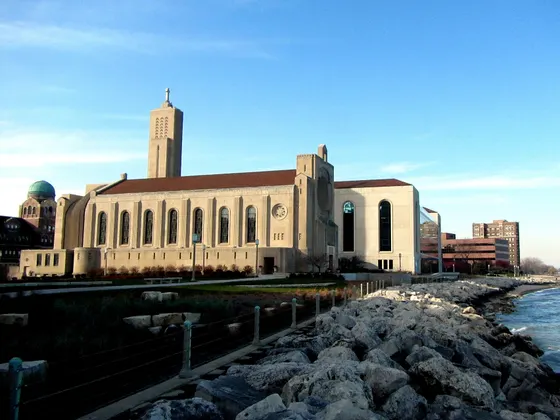
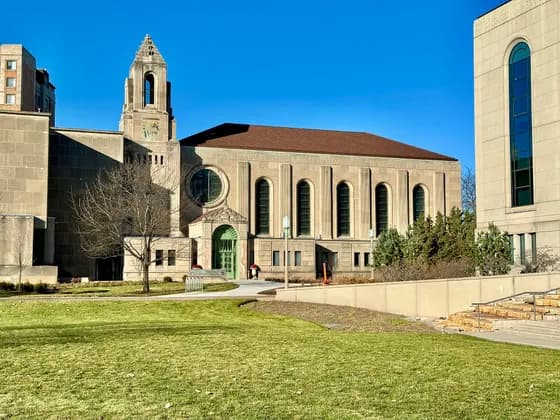
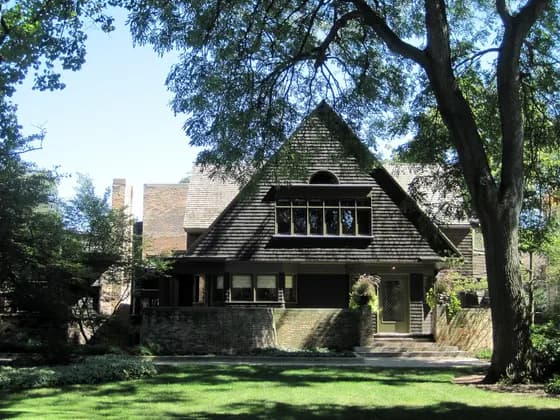
Photo: Luwolf · CC BY-SA 3.0 · cropped
Photo: Bohao Zhao · CC BY 3.0 · Photo: w_lemay · CC BY-SA 2.0 · Photo: Teemu008 from Palatine, Illinois · CC BY-SA 2.0
How to get into Loyola University Chicago Stritch School of Medicine (MD) medicine
Step-by-step: entry requirements, admission tests, personal statement, interview format and the key deadlines.
Open the guide →Loyola University Chicago Stritch School of Medicine (MD) entry requirements
Admission profile, interview format, decision dates and what makes Loyola University Chicago Stritch School of Medicine (MD) different.
See the profile →The Loyola University Chicago Stritch School of Medicine (MD) medicine interview
Loyola University Chicago Stritch School of Medicine uses a traditional interview format on the Maywood campus adjacent to Loyola University Medical Center. Applicants participate in two individual or panel interviews with faculty physicians and current students, each approximately 30–45 minutes. Every aspect of the interview reflects the school’s Jesuit Catholic mission — cura personalis (care of the whole person), service, justice, and intellectual humility.
Stritch is one of a small number of Jesuit medical schools in the United States. The school does not require applicants to be Catholic, but it does expect all candidates to demonstrate values consistent with the Jesuit tradition: genuine service to others, care for the whole person, and a commitment to social justice in healthcare. Interviewers distinguish performative service from authentic commitment.
The AAMC groups its 17 Premed Competencies into three categories: professional, science, and thinking and reasoning. Stritch interviewers weight professional competencies such as ethical responsibility, reliability, and resilience most heavily. They are looking for candidates whose inner motivations, values, and life experiences genuinely align with the Jesuit mission. Performing that alignment is not enough.
Loyola University Chicago Stritch School of Medicine (MD) interview at a glance (2027 entry)
| Annual MD class size | ~170 |
|---|---|
| Interview format | Traditional — 2 interviews, ~30–45 min each |
| Application system | AMCAS |
| Curriculum | Integrated 4-year MD; Primary Care/Health Systems Track |
| In-state preference | Low — national applicant pool |
| Interview window | October–February |
| Location | Maywood, IL (adjacent to Loyola University Medical Center) |
Interview format
- Two traditional one-on-one or panel interviews: one with a faculty physician, one with a current student.
- Each interview approximately 30–45 minutes; full application reviewed beforehand.
- Questions focus heavily on service history, personal narrative, whole-person care, and mission alignment.
- Tour of Loyola University Medical Center — Level I trauma center and major Chicago suburban academic hospital.
- Informal interactions with current students throughout the day.
- Financial aid and curriculum overview session included.
Working towards the MCAT score Loyola University Chicago Stritch School of Medicine (MD) expects? Build a week-by-week plan from your test date — free for the first two weeks.
Sample interview questions
Loyola Stritch is a Jesuit medical school rooted in cura personalis — care for the whole person. What does this principle mean to you, and how has it shaped your approach to patient care or community service?
The most important question at Stritch. Connect cura personalis to a specific clinical or service experience — show it is a lived principle for you, not just a phrase you looked up before the interview.
Loyola values service to those who are disadvantaged or marginalized. Describe a sustained service experience — not a one-off event — that genuinely shaped your understanding of healthcare inequality.
Sustained vs. episodic service is an explicit Jesuit distinction. Describe a commitment that ran over months or years, what you observed, how you were changed, and what it means for your career.
A Catholic patient refuses a recommended blood transfusion for religious reasons. The transfusion is necessary to prevent serious harm or death. How do you approach this?
Directly relevant to a Jesuit school with significant Catholic patient community. Address Jehovah’s Witness doctrine (most common clinical context), patient autonomy, informed refusal, advanced directives, and blood conservation alternatives. Show deep respect for patient values without abandoning clinical responsibility.
A patient from a low-income background tells you they understand your recommended treatment plan but cannot afford it and will not be returning for follow-up. How do you respond?
Whole-person care means addressing structural barriers. Identify financial counseling resources, patient assistance programs, alternative care pathways, and the physician’s role as patient advocate in navigating systemic obstacles.
A physician colleague performs a medically unnecessary procedure under pressure from a patient who insists on it. No harm results. Is this an ethical problem?
What they are listening for:
- Beneficence
- non-maleficence
- physician integrity
Address the slippery slope of procedure-on-demand, resource stewardship, professional responsibility, and how to handle this situation if you witness it.
Stritch has a strong track record of producing primary care physicians and family doctors. If you currently lean toward a subspecialty, how do you think about that in the context of Stritch’s mission?
Honesty is valued. Acknowledge the tension if it exists; describe how the Stritch mission has shaped or challenged your specialty thinking. You do not need to commit to primary care, but you need to engage authentically with the question.
A hospital administrator proposes closing the medical center’s financially struggling community health clinic that serves a low-income neighborhood. As a senior physician, how do you respond?
Healthcare justice in institutional decision-making. Address the service mission, the clinical and community impact, the physician’s voice in institutional governance, and alternatives to full closure.
You are caring for a dying patient whose family members have conflicting wishes about end-of-life care. How do you navigate this conversation?
Palliative care communication and family dynamics. Address the patient’s own expressed wishes (advance directive, healthcare proxy), the physician’s role as neutral facilitator, and the emotional complexity of end-of-life family conferences.
Ignatius of Loyola, the founder of the Jesuit order, spoke of finding God in all things. Whether or not you are religious, how do you find meaning in the routine or difficult moments of clinical work?
Spiritual and philosophical resilience in medicine. This is a deeply Jesuit question. Reflect on where you find meaning, sustain yourself through difficulty, and maintain empathy in repetitive or traumatic clinical encounters.
Healthcare rationing decisions are increasingly made by hospital administrators and insurance companies rather than physicians. How should physicians respond to rationing decisions they believe harm patients?
What they are listening for:
- Physician advocacy
- healthcare system navigation
- the limits of professional autonomy
Address formal grievance processes, public advocacy, professional organizations, and the risk of individual physician burnout when fighting systemic decisions.
Role-play: You are a student volunteer. The actor is a patient with a terminal diagnosis whose adult child has privately asked you not to discuss prognosis in front of them, but the patient now directly asks you, 'Am I dying?' Respond to the patient.
Honor the patient's right to information while remaining compassionate; do not deflect dishonestly. Explore what the patient wants to know, involve the attending and palliative team, and navigate the family tension with cura personalis. Stritch's Catholic, whole-person context makes end-of-life communication central.
An interviewer notes that Stritch graduates enter primary care and family medicine at among the highest rates of US allopathic schools. Why do you think a mission-driven Jesuit school produces this pattern, and where do you fit?
Discuss how mission-aligned admissions, service emphasis, and curriculum shape specialty outcomes. Engage honestly with your own leanings — Stritch values candidates who reckon authentically with the primary-care mission rather than simply affirming the statistic.
Cura personalis means attending to the whole person. Describe a time your formal training or studies left you unprepared for the human dimension of a situation, and how you learned from that gap.
Use a specific example showing reflective learning and humility. Connect intellectual rigor to the relational and spiritual dimensions of care that define a Jesuit education at Stritch.
A patient at the Hines VA — a veteran with significant trauma history — becomes withdrawn and reluctant to discuss their symptoms with you. How do you build enough trust to provide good care?
Show patience, trauma-informed communication, and respect for the patient's pace. Stritch's major VA affiliation means veteran care and trust-building are genuinely relevant clinical contexts.
St. Ignatius spoke of being 'a person for others.' Tell me about a sustained commitment where you put another's needs ahead of your own convenience over a long period. What sustained you?
Depth over breadth: describe a months- or years-long commitment, what it cost you, and what kept you in it. Stritch interviewers are skilled at distinguishing genuine, sustained service from episodic, resume-building activity.
Practise the Loyola University Chicago Stritch School of Medicine (MD) interview
Rehearse the real format before the day — on demand with our AI interviewers, or live with a tutor.
Sit a mock with photoreal AI interviewers — any time
A timed MMI or panel interview on video — American & international voices — with interviewers who listen, react and press with follow-ups. Rubric-scored feedback and a replay the moment you finish.






Live mocks with a tutor who’s been in the room
A full Loyola University Chicago Stritch School of Medicine (MD)-style mock with a medic or dentist tutor — honest scoring against real marking criteria, a station-by-station debrief and a written action plan.
Book a mock interviewHow to prepare for the Loyola University Chicago Stritch School of Medicine (MD) interview
Common pitfalls to avoid
Loyola University Chicago Stritch School of Medicine (MD) interview — frequently asked questions
Sources & official admissions information
Ready to nail your Loyola University Chicago Stritch School of Medicine (MD) interview?
Book a mock interview with a tutor who knows the US interview formats, orpractice unlimited stations from our interview question bank.