
University of Utah School of Dentistry Interview
Format, Questions & Prep Tips
University of Utah School of Dentistry dentistry interviews for 2027 entry are a traditional interview, held October 2026 through February 2027. Published figures: Annual DMD class size ~60; Tuition (2025–26) ~USD 32,000 (in-state) / USD 60,000 (out-of-state) (verify).
- Institution
- University of Utah School of Dentistry
- Interview (2027 entry)
- October through February
- Decisions (2027 entry)
- Rolling decisions; offers through spring

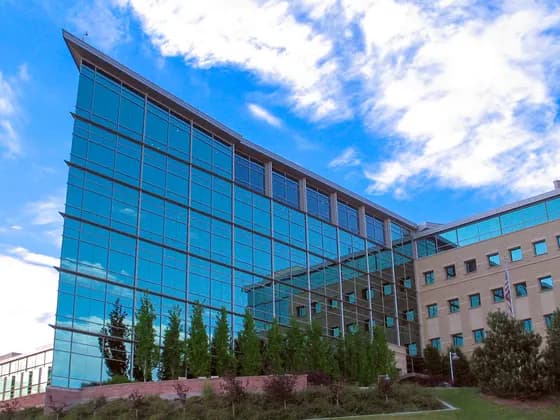
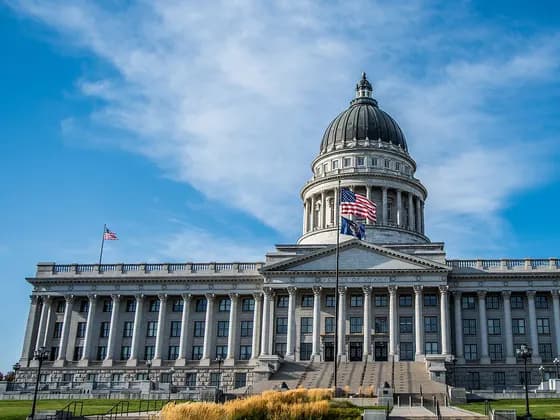
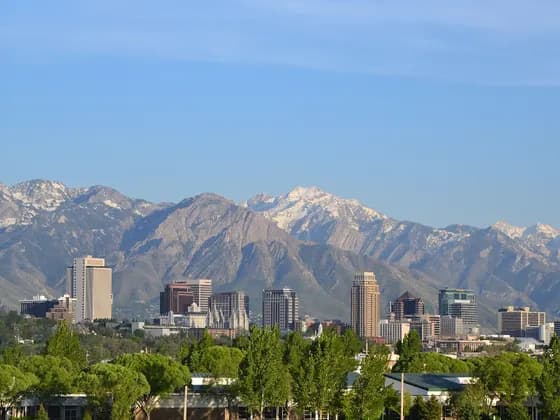
Photo: MrSchmidt · CC BY-SA 4.0 · cropped
Photo: Klubbit · Public domain · Photo: Kiranedara · CC BY-SA 4.0 · Photo: Garrett · CC BY 2.0
How to get into University of Utah School of Dentistry (DMD) dentistry
Step-by-step: entry requirements, admission tests, personal statement, interview format and the key deadlines.
Open the guide →University of Utah School of Dentistry (DMD) entry requirements
Admission profile, interview format, decision dates and what makes University of Utah School of Dentistry (DMD) different.
See the profile →The University of Utah School of Dentistry (DMD) dentistry interview
University of Utah School of Dentistry uses a structured interview format — traditional and/or MMI-style sessions at its Salt Lake City Health Sciences campus. The University of Utah School of Dentistry is one of the newest dental schools in the United States, established in 2021 to address Utah’s dental workforce shortage.
As a new public dental school, the interview reflects a school actively building its identity. Interviewers are looking for candidates who are genuinely excited about being part of something new — adaptable, mission-driven, and committed to Utah communities.
The school uses ADEA AADSAS. Utah residents have meaningful preference. The Mountain West dental access gap is a central interview theme.
University of Utah School of Dentistry (DMD) interview at a glance (2027 entry)
| Annual DMD class size | ~60 |
|---|---|
| Interview format | Traditional and/or MMI-style structured |
| DAT required | Yes — via ADEA AADSAS |
| Tuition (2025–26) | ~USD 32,000 (in-state) / USD 60,000 (out-of-state) (verify) |
| Application system | ADEA AADSAS primary + Utah secondary |
| Interview window | October–February |
Interview format
- Structured interview: traditional and/or MMI stations.
- Utah workforce mission is a central interview theme.
- Being part of a new program is both a selling point and an interview topic.
Sample interview questions
University of Utah School of Dentistry is one of the newest dental schools in the country. What draws you to training in a new program rather than an established one?
Shaping school culture, close faculty relationships in smaller classes, curriculum innovation, being a founding class member — authentic reasons, not just "it was the only Utah school."
Utah has significant dental access problems — rural dental deserts, limited Medicaid dental coverage, and a growing population. How would you as a University of Utah-trained dentist contribute to addressing this?
What they are listening for:
- Rural Utah practice
- NHSC loan repayment
- community health centers
- school-based dental programs
- post-graduation intent in Utah
As a newer program, University of Utah Dental is still developing its clinical infrastructure. How do you think about patient safety and quality of care in this context?
What they are listening for:
- CODA accreditation standards
- faculty supervision
- student obligation to report concerns
- informed consent regarding student-delivered care
Utah has a significant refugee and immigrant population in Salt Lake City, many of whom face language and cultural barriers to dental care. How would you approach treating these patients?
Professional interpreter use, trauma-informed care for refugee populations, cultural humility, patience and rapport-building across language barriers.
Why dentistry in Utah specifically? What do you know about the state's oral health landscape?
What they are listening for:
- Utah rural dental deserts
- limited dental schools historically
- state's high growth rate and dental demand
- University of Utah Health system as a clinical anchor
Utah has not expanded Medicaid dental coverage for adults. What does this mean for oral health access in the state, and what role can dentists play?
What they are listening for:
- Medicaid dental gaps
- community health centers
- FQHCs in Salt Lake City and rural Utah
- CHIP dental for children
- advocacy for coverage expansion
Describe a time you joined a new organization or team and contributed to building something from the ground up.
Adaptability, leadership in new settings, collaborative culture-building — relevant to being at a new school with an evolving institutional culture.
University of Utah is a major research university within the AAU. How would you engage with research opportunities during your dental training?
What they are listening for:
- University of Utah Health research infrastructure
- oral biology labs
- potential dual-degree pathways
- faculty research interests
A patient asks you why they should trust a dental student at a new school. How do you respond?
What they are listening for:
- CODA accreditation
- faculty supervision model
- transparent communication about training context
- focus on patient welfare and the quality control built into dental education
What manual dexterity skills have you developed that you believe will serve you in dental school?
Specific activities:
- shadowing
- dental assisting
- craft
- art
- music
- lab work
Concrete evidence.
Role-play: a refugee patient resettled in Salt Lake City, working through an interpreter, is fearful and unfamiliar with routine dental treatment. Show me how you would build enough trust to complete a first examination.
What they are listening for:
- Cultural humility
- working respectfully through the interpreter
- explaining each step before doing it
- prioritizing comfort over completeness on the first visit
The interviewer wants trauma-informed, patient-led pacing.
Utah is one of the fastest-growing states with rural dental deserts and limited adult Medicaid dental coverage. If asked whether opening a new dental school will solve the workforce gap, how would you reason about it?
Graduates take years to enter practice, may not choose rural or underserved settings, and coverage and reimbursement gaps remain — a new school is necessary but not sufficient. Show systems thinking about supply, distribution, and demand.
University of Utah is a major AAU research institution. How would you decide whether to pursue research during dental school, and what would you hope to gain from it?
What they are listening for:
- Honest interest
- a concrete area (oral biology, disparities)
- realistic time budgeting
- the value of research literacy for evidence-based practice
Tie to Utah Health's genuine research infrastructure.
How would you explain to a patient, without sounding defensive, that being treated by a supervised student at a new school does not mean lower-quality care?
What they are listening for:
- Faculty supervision model
- accreditation quality control
- transparency
- patient welfare focus
Reassure honestly rather than dismissing the concern. Relevant to a newly established program.
You complete a procedure and only afterward realize you may have made an error; the patient has already left the clinic. What do you do?
What they are listening for:
- Patient-safety primacy
- prompt disclosure to supervising faculty
- contacting and informing the patient
- documentation
- learning from it
ADA ethics on honesty and patient welfare.
Being in a founding-era class means you can help shape clubs, traditions, and even feedback on curriculum. What would you personally want to contribute to building this new school's culture?
A specific, genuine contribution (mentoring, outreach, community partnerships, student governance) rather than a generic 'I'm a team player'. Shows you embrace the new-program opportunity actively.
Practise the University of Utah School of Dentistry (DMD) interview
Rehearse the real format before the day — on demand with our AI interviewers, or live with a tutor.
Sit a mock with photoreal AI interviewers — any time
A timed MMI or panel interview on video — American & international voices — with interviewers who listen, react and press with follow-ups. Rubric-scored feedback and a replay the moment you finish.






Live mocks with a tutor who’s been in the room
A full University of Utah School of Dentistry (DMD)-style mock with a medic or dentist tutor — honest scoring against real marking criteria, a station-by-station debrief and a written action plan.
Book a mock interviewHow to prepare for the University of Utah School of Dentistry (DMD) interview
Common pitfalls to avoid
University of Utah School of Dentistry (DMD) interview — frequently asked questions
Sources & official admissions information
Ready to nail your University of Utah School of Dentistry (DMD) interview?
Book a mock interview with a tutor who knows the US interview formats, orpractice unlimited stations from our interview question bank.