US Medicine · 2027 Entry

University of Cincinnati College of Medicine (MD) Medical School2027 Entry Requirements & Interview Format

Location Cincinnati, OH, United StatesEstablished 1819Interviews October–FebruaryDecisions March 30 (AAMC standard)

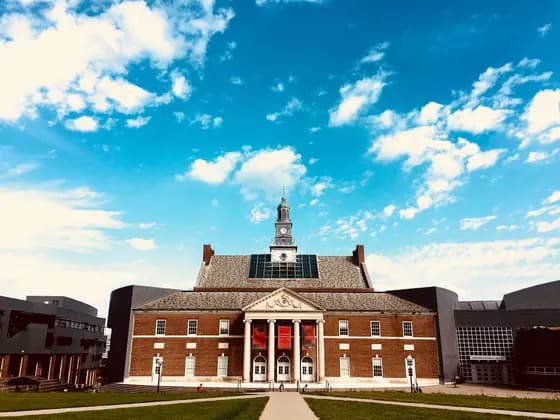
Photo: Adam Sofen · CC BY 2.0

Start here
Overview

About University of Cincinnati College of Medicine (MD)

The University of Cincinnati College of Medicine, founded in 1819, holds the distinction of being the oldest medical school west of the Allegheny Mountains. Located on the UC academic health sciences campus in Cincinnati, the college is tightly integrated with UC Health and the nationally ranked Cincinnati Children's Hospital Medical Center. UC Medicine offers a comprehensive MD curriculum with strong opportunities in clinical research, particularly in cancer, emergency medicine, and pediatrics. The college produces graduates with consistently high match rates into both primary care and surgical subspecialties.

What makes it different

UC College of Medicine, founded in 1819, is the oldest medical school west of the Allegheny Mountains and one of the founding members of the AAMC. The college is deeply integrated with the UC Health system and Cincinnati Children's Hospital Medical Center — one of the top-ranked children's hospitals in the country and a major NIH-funded research enterprise. UC Cincinnati pioneered the concept of the co-operative education model in professional training and has strong traditions in emergency medicine, cancer biology, and pediatrics.

Course & teaching

Integrated curriculum. 4-year MD. Years 1–2: Integrated foundations curriculum with early clinical skills and patient contact at the simulation center. Years 3–4: Core clerkships at UC Medical Center, Cincinnati Children's Hospital, and affiliated regional hospitals. Research electives and dual-degree tracks (MD/PhD MSTP, MD/MPH) available. Longitudinal community health experiences embedded throughout.

Research strengths

University of Cincinnati College of Medicine (MD) has notable research strength in Pediatric medicine and genetics, Cancer biology, Emergency medicine, Cardiovascular disease, Neurology.

Interview

University of Cincinnati College of Medicine (MD) interviews via Traditional one-on-one or panel interviews with faculty and students. UC Cincinnati College of Medicine interview day is held on the medical campus near University of Cincinnati Medical Center and Cincinnati Children's Hospital. Candidates typically participate in two one-on-one sessions of 30–45 minutes each — one with a faculty physician and one with a current medical student or resident. Interviewers have reviewed the full application beforehand and focus on clinical motivation, research experience, and commitment to serving the Greater Cincinnati region. The day includes a campus tour of the medical campus and simulation facilities, informal lunch with current students, and an admissions information session. A separate post-interview portfolio review is incorporated into the holistic evaluation.

Intake

Approximately 175 students per year.

At a glance

Founded in 1819, based in Cincinnati, OH. Programmes offered: Pediatrics, Emergency Medicine, Oncology, Neuroscience, Cardiovascular Medicine.

Entry requirements

What you need to apply to University of Cincinnati College of Medicine (MD)

Admission overview
Bachelor's degree and MCAT required. Applications via AMCAS. UC gives preference to Ohio residents. A secondary application is required. CASPer is not currently required. Applicants are evaluated holistically with strong weight given to clinical experience and community service.
MCAT median
514 (range 509–519)
GPA median
3.86 overall / 3.81 science (BCPM)
Acceptance rate
2.5%
Class size
175
In-state preference
Moderate — some OOS consideration
In-state matriculants
60%
CASPer
Not required
AAMC PREview
Not required
Holistic review emphasis
Academic excellence, research experience, clinical exposure, Ohio residency, and community service.
Notes
Estimates from public AAMC FACTS / AACOMAS / ADEA AADSAS / class-profile; verify current cycle.
Specialities offered
Pediatrics, Emergency Medicine, Oncology, Neuroscience, Cardiovascular Medicine
Interview

How University of Cincinnati College of Medicine (MD) interviews applicants

Format
Traditional one-on-one or panel interviews with faculty and students
Interview window
October–February
Decision date
March 30 (AAMC standard)
Post-interview chances
Estimated post-interview acceptance rate approximately 20–25%; the interview pool is already highly filtered for Ohio residency and academic profile.
Tutor insight
UC Cincinnati's strongest differentiator is the Cincinnati Children's Hospital Medical Center affiliation — if you have any pediatric or translational research interest, cite this specifically. The school's founding history (oldest west of the Alleghenies) is often referenced by interviewers; knowing it signals genuine research into the institution. Ohio residency matters significantly; out-of-state applicants should target an MCAT of 515+ to be competitive against the larger Ohio resident pool. Prepare for questions about the Cincinnati regional health landscape — the Ohio River Valley communities, rural Appalachian Ohio access issues, and the city's urban health challenges are all in-scope topics.
Practice

Practise for your University of Cincinnati College of Medicine (MD) interview

PrometheusQuestion Bank621 medicine questions inside

Interview questions matched to University of Cincinnati College of Medicine (MD)

Two questions our tutors flagged as a strong fit for University of Cincinnati College of Medicine (MD)’s interview style. Try answering them out loud, then open Prometheus for the model answers and follow-up tips.

MediumPanelQ1

MCAT: Biological Versus Social Models of Disease

The MCAT's Psychological, Social, and Biological Foundations section asks applicants to understand the biopsychosocial model as an alternative to a purely biomedical model of disease. Using the example of Type 2 diabetes, explain how the biopsychosocial model changes both the explanation and the treatment approach.

Likely follow-up · What are the limitations of the biopsychosocial model in clinical practice?

3 expert tips in Prometheus
HardMMI · PanelQ2

US Healthcare Ethics: End-of-Life Care and the POLST Framework

An 82-year-old patient with advanced heart failure and mild cognitive decline has completed a POLST (Physician Orders for Life-Sustaining Treatment) form indicating she does not want CPR or mechanical ventilation. She is brought to the emergency department by her adult son, who insists the team 'do everything.' The patient is conscious enough to confirm she remembers signing the POLST but seems uncertain and frightened. The son says his mother did not understand what she was signing. What ethical principles are in tension here, and how should the care team proceed?

Likely follow-up · How does a POLST differ from an advance directive, and which takes legal precedence in most US states?

3 expert tips in Prometheus
Get support

Apply to University of Cincinnati College of Medicine (MD) with confidence

We've helped students into University of Cincinnati College of Medicine (MD) and other US medicine schools — get tailored support for each stage of the application.

FAQ

University of Cincinnati College of Medicine (MD) — frequently asked questions

Apply to University of Cincinnati College of Medicine (MD) with confidence

We've helped students turn their MCAT, personal statement and interview prep into offers from University of Cincinnati College of Medicine (MD) and other US medicine schools.