
Graduate Entry Dentistry
Four-Year Routes, UCAT & Funding
Three UK dental schools run a four-year graduate-entry BDS for 2027 entry: Aberdeen, King’s College London and the University of Lancashire. All three use the UCAT, and graduates can also apply to many standard five-year courses.
- Routes
- 3
- Test
- UCAT
- UCAS deadline
- 15 Oct 2026
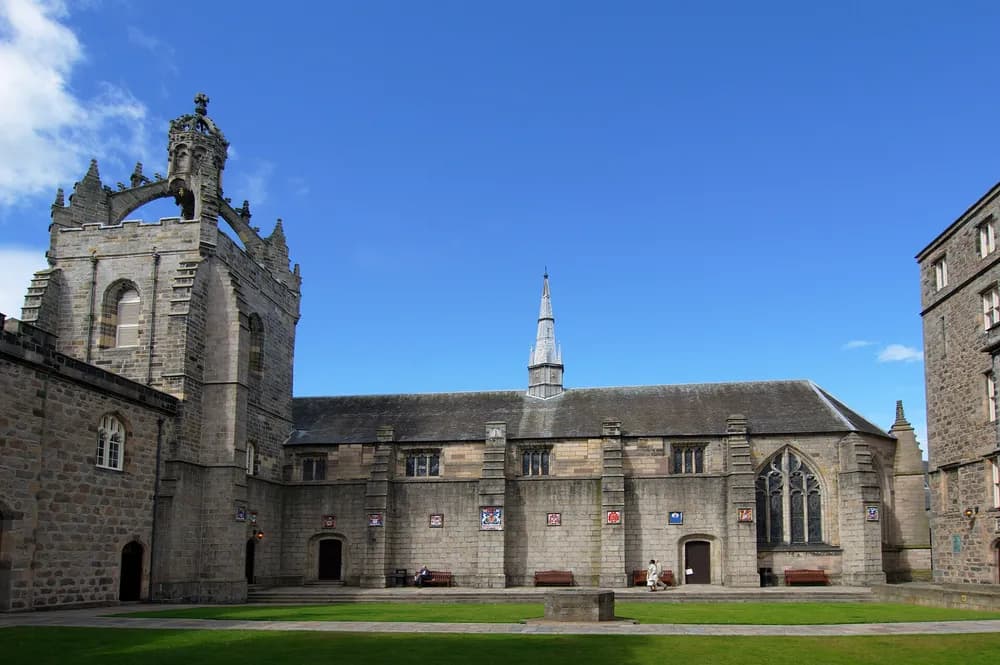
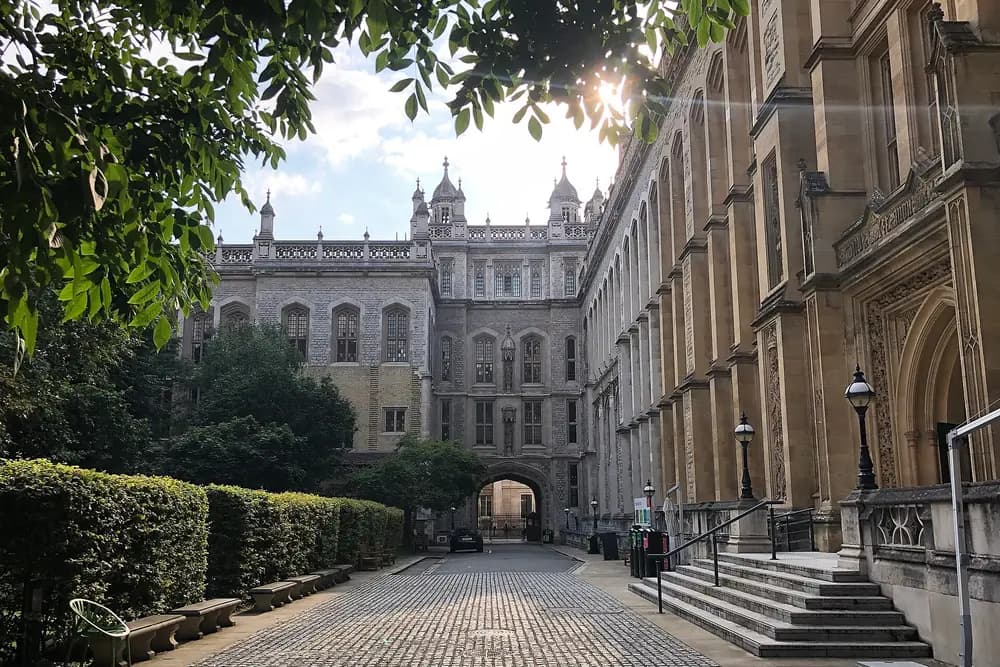

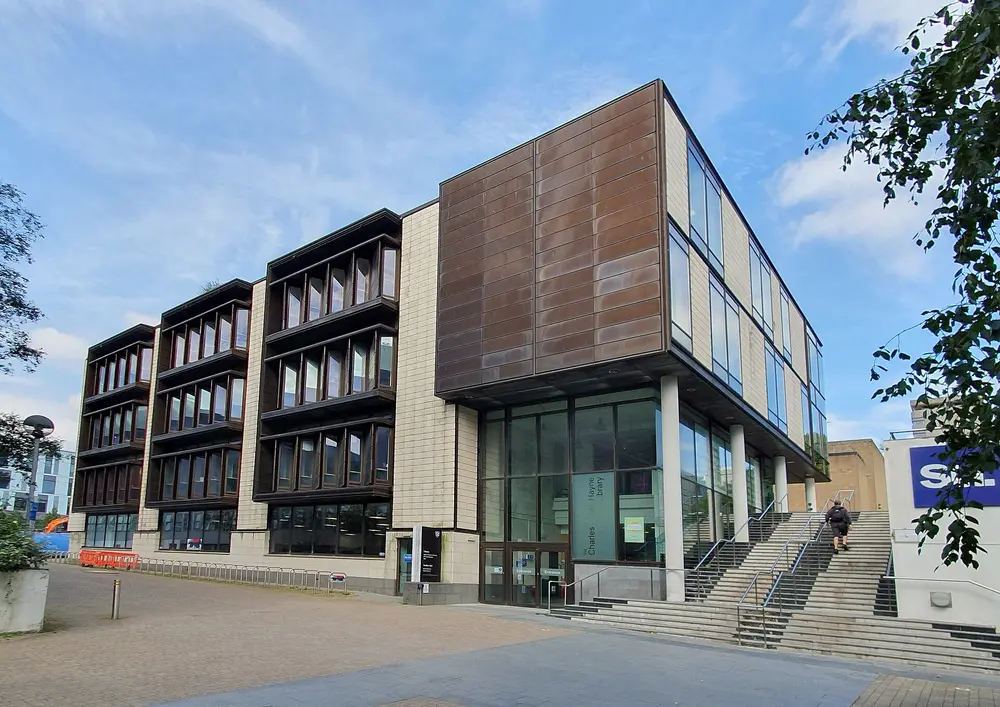
Photo: Mussklprozz · CC BY-SA 3.0 · cropped
Photo: K Ulysses-Ono · CC BY-SA 4.0 · Photo: Galatas · CC BY-SA 2.0 · Photo: Mutney · CC BY 4.0
What graduate entry dentistry is
Graduate entry dentistry is a four-year Bachelor of Dental Surgery for applicants who already hold a degree, usually in a biomedical or health science. It leads to the same BDS as the five-year course and to registration with the General Dental Council.
The choice is narrow: three dedicated courses, each with a small intake.
This guide covers the three routes, the graduate rules at five-year dental schools, funding and the timeline.
The three four-year graduate dentistry courses
Each course runs for four years and leads to a BDS; each name links to the university’s own course page. All three use the UCAT, and none takes the GAMSAT: the only dental course on ACER’s UK GAMSAT list is Plymouth’s five-year A206.
| University | Degree needed | Admissions test | Places and notes |
|---|---|---|---|
| Aberdeen A201 | 1st or 2:1 in a medical or health-related science | UCAT Selection weights academic record 60%, UCAT 40% | About 20 a year (80 across the four years) The only four-year graduate BDS in Scotland Medicine graduates also considered |
| King's College London (GPEP) A202 | 2:1 in biosciences, or 2:2 plus a Merit postgraduate degree | UCAT No threshold set | About 20 offers from about 300 applications (latest cycle) Interview: remote panel of two |
| University of Lancashire (formerly UCLan) A202 · Preston | 2:1 in a biomedical subject | UCAT Used with degree class and interview | 29 a year (GDC, 2024) Clinical years at a Dental Education Centre in Lancashire or Cumbria |
Applying to a five-year course as a graduate
With three small intakes, most graduates also apply to standard five-year courses, where a first degree does not shorten the course. These schools publish a rule for graduate applicants, and all of them also ask for the UCAT; for other schools, check their admissions pages.
| Dental school | What graduates need |
|---|---|
| Birmingham | 2:1 in a health-science-related degree, plus ABB at A-level including Chemistry and Biology |
| Bristol | 2:1 in a related or core science |
| Dundee | 2:1; graduates are ranked 40% on their academic record and 60% on the UCAT |
| King's College London (KCL) | 2:1 |
| Leeds | 2:1 in any honours degree |
| Manchester | 2:1; ranked on UCAT total and SJT band when oversubscribed |
| Queen Mary (QMUL) | 2:1; scored 50/50 on the UCAT and academic points |
| Sheffield | 2:1 in a related or core science |
How graduate dentistry is funded
If you are from England and start in September 2027, your tuition loans come through the Lifelong Learning Entitlement. GOV.UK has not yet published how it treats the graduate-entry first year, and 2027/28 NHS Bursary rates are not out, so the table shows the current model: 2026/27 Student Finance England rules with 2025/26 NHS Bursary rates.
| Year of study | Four-year graduate-entry course | Standard course as a graduate |
|---|---|---|
| Year 1 | Tuition Fee Loan up to £6,125; you pay the first £3,665 of a £9,790 fee | No Tuition Fee Loan: you pay the fee |
| Years 2–4 | NHS Bursary pays part of the fee (up to £3,830 in 2025/26); the rest can be borrowed | No Tuition Fee Loan: you pay the fee |
| Year 5 onwards | Not needed: the course has finished | NHS Bursary pays the fee (up to £9,535 in 2025/26) |
| NHS help with living costs | From year 2: a £1,052 grant plus a means-tested bursary of up to £3,356 in London or £2,780 elsewhere (2025/26) | The same support, from year 5 |
The table does not cover Aberdeen, which is in Scotland: its 2026/27 fee is £1,820 for students from Scotland and £9,790 for the rest of the UK. Students from Scotland, Wales and Northern Ireland are funded by their own nation. Full tables: the guide for mature and graduate applicants.
The application timeline for 2027 entry
Sit the UCAT
Take it in the summer you apply; results count only for that cycle.
Write a graduate personal statement
Use your degree and work history as evidence of why dentistry, and why now, rather than writing as a school leaver. The dentistry personal statement guide covers the UCAS questions.
UCAS deadline
Dentistry shares the early deadline with medicine, and your four choices can mix graduate and five-year courses.
Interviews
King’s interviews graduate applicants by a remote panel of two. For the multiple mini interview format many dental schools use, see the dental MMI guide.
Apply for funding
Apply to Student Finance England for year 1, then to the NHS Bursary each year from year 2, within nine months of the start of that academic year. The rules are under Funding above.
Graduate entry dentistry: frequently asked questions
Sources
Each route in the table links to the university’s own course page. Rules change between cycles, so confirm them there before you commit a UCAS choice.
Planning a graduate dentistry application?
A one-to-one consultation can look at your shortlist, your admissions test and your interview preparation; then practise with a mock interview.