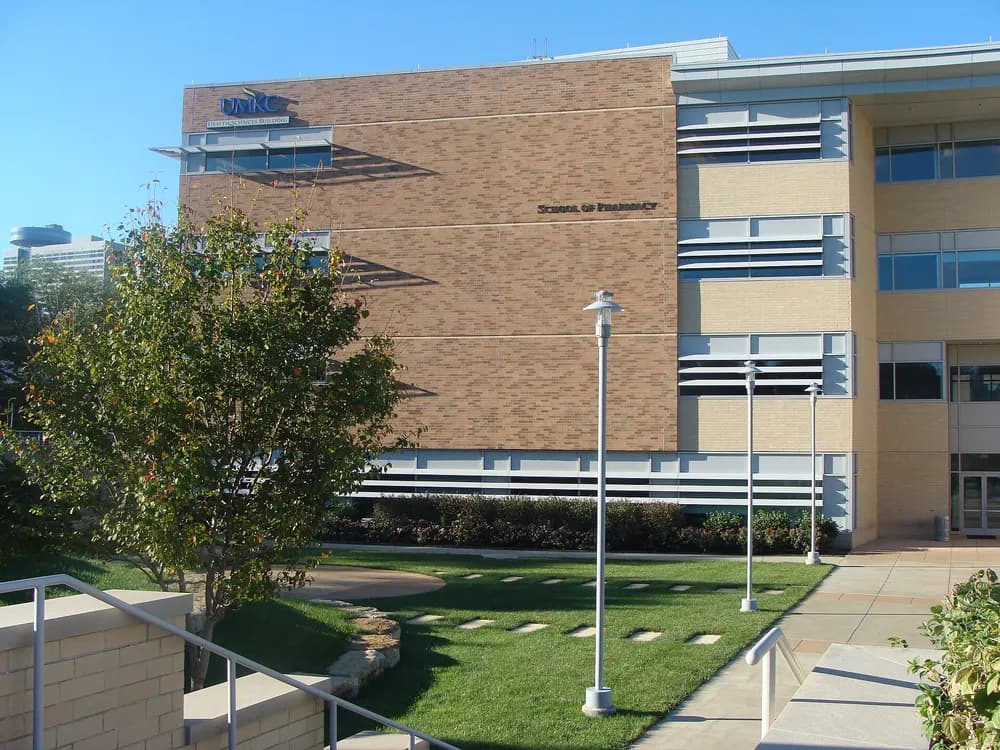
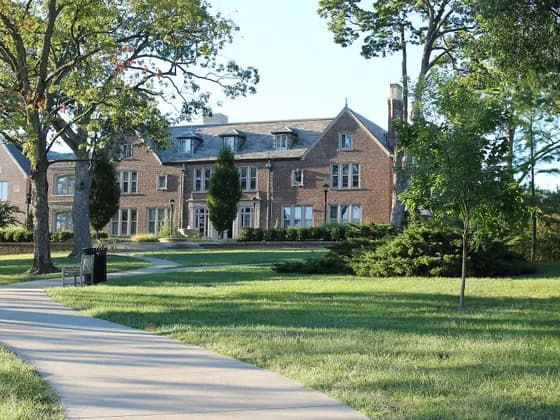
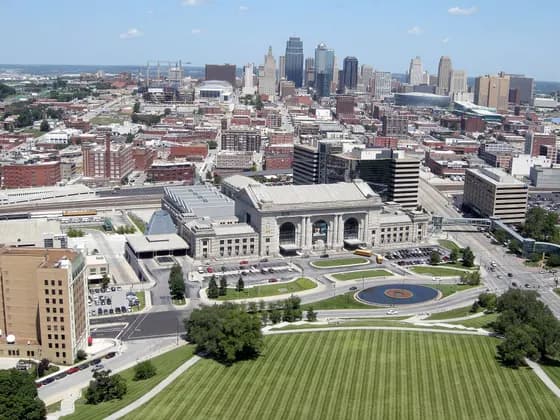
University of Missouri-Kansas City School of Dentistry (DDS)
Kansas City, MO, US
Kansas City, MO, US•Est. 1881
University of Missouri-Kansas City School of Dentistry (DDS) Dental School - 2027 Entry Requirements & Interview Format
The University of Missouri-Kansas City School of Dentistry is one of the oldest dental schools in the Midwest, founded in 1881. It is Missouri's public dental school, training dentists who serve Kansas City and the broader region. UMKC is best known nationally for its distinctive 6-year combined BS/DDS programme, which offers high school graduates a direct pathway to dental practice — one of the very few such programmes in the US.
Entry Requirements
What you need to apply to University of Missouri-Kansas City School of Dentistry (DDS).
Admission overview
Bachelor's degree and DAT required for traditional entry. Applications via ADEA AADSAS. Missouri residents have a significant advantage (public university in-state mission). Strong academic record and dental experience expected.
GPA median
3.65 overall / 3.60 science (BCPM)
Acceptance rate
8.5%
Class size
108
In-state preference
Strong — primarily in-state
In-state matriculants
60%
CASPer
Not required
Holistic review emphasis
Missouri residency, DAT, GPA, dental experience, communication skills.
Notes
GPA medians hedged. DAT Academic Average median approximately 20–22 (hedged). Strong in-state preference as Missouri public school. Estimates from public AAMC FACTS / AACOMAS / ADEA AADSAS / class-profile; verify current cycle.
Specialities offered
General Dentistry, Oral and Maxillofacial Surgery, Orthodontics, Periodontics, Pediatric Dentistry
Interview Format
How University of Missouri-Kansas City School of Dentistry (DDS) interviews applicants.
Format
Traditional one-on-one or panel interview with faculty
Interview window
September–February
Decision date
Rolling admissions
Post-interview chances
Approximately 30–45% post-interview (estimated).
What to expect at a University of Missouri-Kansas City School of Dentistry (DDS) interview
Invited applicants attend an in-person interview day at the UMKC dental school campus in Kansas City. The format includes a faculty interview (one-on-one or small panel) and student-led tours of the clinic and simulation lab. Interviewers assess motivation for dentistry, communication skills, and awareness of UMKC's distinctive accelerated 6-year BS/DDS pathway. The day is conversational; applicants are also evaluated on professional demeanour during informal student interactions.
What makes University of Missouri-Kansas City School of Dentistry (DDS) different
Applications via ADEA AADSAS. UMKC School of Dentistry offers one of the only 6-year accelerated BS/DDS pathways in the US — students enter directly from high school and complete a bachelor's degree and DDS in six years. Missouri residents benefit from strong in-state preference as a public university. The Kansas City location provides access to a large and diverse Midwestern patient population.
Tutor insight
Missouri residents have a significant advantage at UMKC — it is the state's public dental school. If you are an out-of-state applicant, have a strong reason for wanting to train in Kansas City and be prepared to articulate it. The 6-year BS/DDS pathway is a separate programme for high school applicants; traditional DDS applicants should not conflate the two tracks in interviews.
PrometheusQuestion Bank
405 dentistry questions inside
Interview questions matched to University of Missouri-Kansas City School of Dentistry (DDS)
Two questions our tutors flagged as a strong fit for University of Missouri-Kansas City School of Dentistry (DDS)’s interview style. Try answering them out loud, then open Prometheus for the model answers and follow-up tips.
Medium·MMI · PanelQ1
Oral-Systemic Link: Periodontal Disease and Cardiovascular Risk
Accumulating evidence links chronic periodontal disease to increased risk of cardiovascular disease, with proposed mechanisms including systemic inflammation, bacteremia, and shared risk factors such as smoking and diabetes. As a prospective dentist, how do you understand the oral-systemic health connection, and how should it shape the way you communicate with patients and coordinate with physicians?
Likely follow-up · A patient with poorly controlled Type 2 diabetes presents with severe periodontitis. How does this dual diagnosis change your treatment approach and your communication with their primary care physician?
3 expert tips in Prometheus
Medium·PanelQ2
The Future of Dentistry: AI, Digital Workflows, and the Human Element
Artificial intelligence is entering dentistry through radiographic diagnostic support (AI caries and bone loss detection), digital smile design, computer-aided milling of restorations (CAD/CAM), and predictive analytics for treatment planning. Some researchers project that within a decade, AI may be more accurate than human dentists at detecting early carious lesions on radiographs. As a dental student entering the profession in 2026, how do you think about these technological changes, and how do you ensure that the human dimensions of dental care — communication, empathy, clinical judgment — remain central?
Likely follow-up · An AI diagnostic tool flags a lesion on a radiograph that you do not clinically confirm on examination. How do you handle this diagnostic disagreement in the patient encounter?
Apply to University of Missouri-Kansas City School of Dentistry (DDS) with confidence
We've helped students get into University of Missouri-Kansas City School of Dentistry (DDS) and other US dentistry schools. Get tailored support for each stage of the application.
University of Missouri-Kansas City School of Dentistry (DDS) - Frequently asked questions
Bachelor's degree and DAT required for traditional entry. Applications via ADEA AADSAS. Missouri residents have a significant advantage (public university in-state mission). Strong academic record and dental experience expected.
Traditional one-on-one or panel interview with faculty. Invited applicants attend an in-person interview day at the UMKC dental school campus in Kansas City. The format includes a faculty interview (one-on-one or small panel) and student-led tours of the clinic and simulation lab. Interviewers assess motivation for dentistry, communication skills, and awareness of UMKC's distinctive accelerated 6-year BS/DDS pathway. The day is conversational; applicants are also evaluated on professional demeanour during informal student interactions.
University of Missouri-Kansas City School of Dentistry (DDS) typically interviews in September–February.
Decisions are released Rolling admissions.
Applications via ADEA AADSAS. UMKC School of Dentistry offers one of the only 6-year accelerated BS/DDS pathways in the US — students enter directly from high school and complete a bachelor's degree and DDS in six years. Missouri residents benefit from strong in-state preference as a public university. The Kansas City location provides access to a large and diverse Midwestern patient population.