
University of Missouri-Kansas City School of Dentistry Interview
Format, Questions & Prep Tips
University of Missouri-Kansas City School of Dentistry dentistry interviews for 2027 entry are a traditional interview, held September 2026 through February 2027. Published figures: Annual DDS class size ~108; Tuition (2025–26) ~USD 27,000 (in-state) / USD 54,000 (out-of-state) estimated.
- Institution
- University of Missouri-Kansas City School of Dentistry
- Interview (2027 entry)
- September through February
- Decisions (2027 entry)
- Rolling admissions; decisions typically within 4–6 weeks of interview
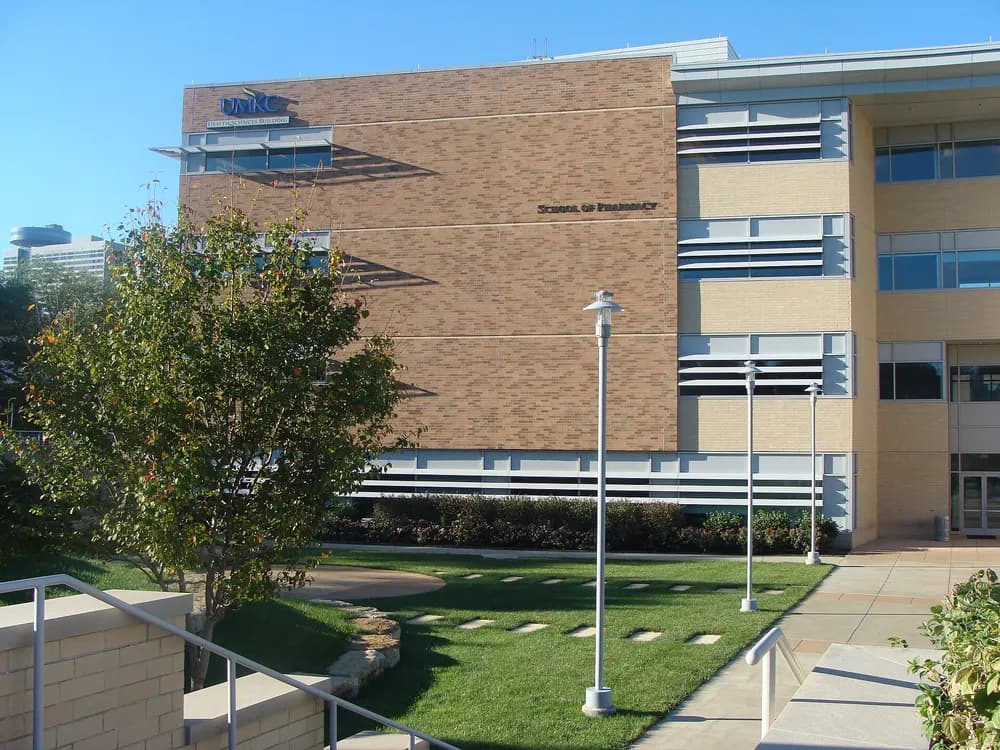
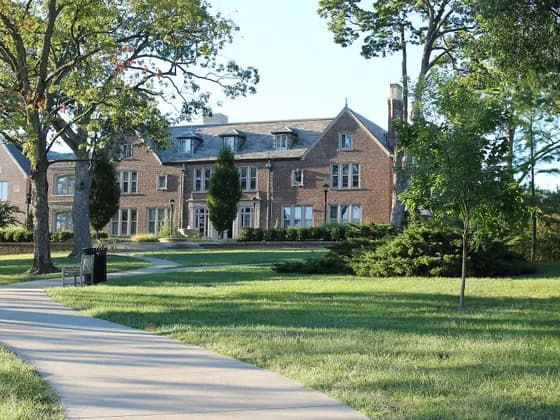


Photo: Nightryder84 · CC BY-SA 3.0 · cropped
Photo: Madridperez · CC0 · Photo: Brian Hillegas · CC BY 2.0 · Photo: Henri Greber, sculptor. · Public domain
How to get into University of Missouri-Kansas City School of Dentistry (DDS) dentistry
Step-by-step: entry requirements, admission tests, personal statement, interview format and the key deadlines.
Open the guide →University of Missouri-Kansas City School of Dentistry (DDS) entry requirements
Admission profile, interview format, decision dates and what makes University of Missouri-Kansas City School of Dentistry (DDS) different.
See the profile →The University of Missouri-Kansas City School of Dentistry (DDS) dentistry interview
The University of Missouri-Kansas City School of Dentistry conducts traditional faculty interviews on its Kansas City campus. UMKC Dental is Missouri’s public dental school — founded in 1881, it is one of the longest-established dental programs in the Midwest and serves as the primary dental training institution for Missouri’s public university system.
UMKC is nationally distinctive for its 6-year combined BS/DDS pathway for direct-entry high school applicants — though traditional graduate-entry applicants follow a standard 4-year DDS track. If you are a traditional applicant, you should understand the 6-year program exists but be clear you are applying to the DDS track.
Kansas City’s diverse population and UMKC’s community dental clinic provide exposure to a wide range of dental cases. Interviewers frequently probe community health commitment and in-state ties, reflecting UMKC’s public university mission to train dentists for Missouri.
University of Missouri-Kansas City School of Dentistry (DDS) interview at a glance (2027 entry)
| Annual DDS class size | ~108 |
|---|---|
| Interview format | Traditional — faculty one-on-one or panel |
| DAT required | Yes — via ADEA AADSAS |
| Tuition (2025–26) | ~USD 27,000 (in-state) / USD 54,000 (out-of-state) estimated |
| Application system | ADEA AADSAS primary + UMKC secondary |
| Interview window | September–February |
Interview format
- Faculty interview — one-on-one or small panel.
- Student-led clinic and simulation lab tour.
- Informal assessment during student interactions.
- No MMI.
Sample interview questions
Why have you chosen UMKC School of Dentistry specifically?
What they are listening for:
- Missouri public school
- Kansas City clinical diversity
- its 1881 heritage as Missouri's public dental school
- community health mission
Be specific — generic "great school" answers are uninformative.
Walk me through your path to dentistry — what experiences confirmed this is the right career?
What they are listening for:
- Shadow hours
- dental assisting
- community dental volunteering
- specific cases that showed you the scope of dentistry
Be concrete and chronological.
A patient comes to your clinic with significant dental disease but refuses treatment, saying they cannot afford to miss work for multiple appointments. How do you approach this?
What they are listening for:
- Triage urgent vs. elective
- flexible appointment scheduling
- payment plan options
- FQHC referral
- patient education
Respect patient autonomy while addressing barriers.
Describe a time you had to explain a complex concept to someone without a technical background. How did you adapt your communication?
What they are listening for:
- Analogies
- plain language
- checking understanding
- patience
Dental school wants communicators — future clinical encounters with patients will require exactly this.
UMKC is one of the oldest dental schools in the Midwest (founded 1881) and Missouri's public dental school. What draws you to that heritage and public-service mission?
What they are listening for:
- Commitment to early professional identity formation
- integrated education
- non-traditional pathways to dental practice
Shows you have researched the school beyond the basics.
Missouri has significant dental access problems in rural and urban communities. How do you see yourself contributing to solving that problem after graduation?
What they are listening for:
- Community health center employment
- NHSC loan repayment
- rural practice
- public health dentistry
- advocacy
Have a credible post-graduation vision, not just a general statement.
Tell me about a time you received critical feedback. How did you respond and what did you change?
Growth mindset, professional resilience, and ability to receive clinical feedback are highly valued. STAR format. Be honest about what was hard.
You notice a colleague performing a procedure without adequate patient consent. What do you do?
ADA ethics: patient autonomy and informed consent are core. Address with colleague first, escalate to supervising faculty if not resolved, patient safety is primary.
How would you manage a dental emergency in a patient who presents with severe dental anxiety and refuses local anesthesia?
What they are listening for:
- Anxiety management techniques (explain-show-do, distraction, tell-feel-do)
- sedation options
- referral when needed
- patient autonomy respected
Empathy without abandonment.
What aspect of dentistry — preventive, restorative, surgical, aesthetic — most interests you, and why?
No wrong answer; authenticity matters. Tie it to specific experiences. Show breadth of awareness even if you have a preference.
Missouri shows a sharp split between urban dental shortages in Kansas City's core and rural shortages in its Ozarks counties. How would you reason about whether a public school like UMKC should prioritize one over the other?
Both are HPSAs with different drivers (urban: insurance, transport, trust; rural: distance, workforce). Argue for a pipeline that serves both rather than a false either/or. Hedge specific figures.
A patient in your UMKC clinic becomes angry when you explain a treatment will take several visits, accusing the school of dragging it out to bill more. How do you respond?
Stay calm, do not get defensive, explain the clinical reason and the dental-school teaching model transparently, offer to consolidate where safe. De-escalation plus honesty about how a student clinic works.
Describe how you would explain root canal versus extraction to an anxious patient with limited health literacy and a tight budget, so they can make a genuinely informed choice.
What they are listening for:
- Plain language
- visual aids
- teach-back
- honest cost and longevity trade-offs
- no steering
Patient-centered informed consent — the kind of communication UMKC's behavioral questions probe.
You realize you made a minor clinical error on a patient that caused no harm and went unnoticed by your supervisor. What do you do?
Disclosure and honesty even without external pressure — tell the supervisor, document, learn from it. ADA veracity and patient safety; a no-harm-no-foul attitude is the wrong instinct in a teaching clinic.
UMKC is one of the oldest dental programs in the Midwest, founded in 1881. Does a long institutional history matter to you, and how would you balance tradition against staying current in clinical practice?
What they are listening for:
- Value the alumni network
- established clinical systems
- reputation
- while committing to evidence-based
- up-to-date care
Shows you researched the school's identity and mission, not just its reputation.
Practise the University of Missouri-Kansas City School of Dentistry (DDS) interview
Rehearse the real format before the day — on demand with our AI interviewers, or live with a tutor.
Sit a mock with photoreal AI interviewers — any time
A timed MMI or panel interview on video — American & international voices — with interviewers who listen, react and press with follow-ups. Rubric-scored feedback and a replay the moment you finish.






Live mocks with a tutor who’s been in the room
A full University of Missouri-Kansas City School of Dentistry (DDS)-style mock with a medic or dentist tutor — honest scoring against real marking criteria, a station-by-station debrief and a written action plan.
Book a mock interviewHow to prepare for the University of Missouri-Kansas City School of Dentistry (DDS) interview
Common pitfalls to avoid
University of Missouri-Kansas City School of Dentistry (DDS) interview — frequently asked questions
Sources & official admissions information
Ready to nail your University of Missouri-Kansas City School of Dentistry (DDS) interview?
Book a mock interview with a tutor who knows the US interview formats, orpractice unlimited stations from our interview question bank.