
Kansas City University College of Dental Medicine Interview
Format, Questions & Prep Tips
Kansas City University College of Dental Medicine dentistry interviews for 2027 entry are a traditional interview, held September 2026 through February 2027. Published figures: Annual DMD class size ~70 (new program; verify).
- Institution
- Kansas City University College of Dental Medicine
- Interview (2027 entry)
- September through February
- Decisions (2027 entry)
- Rolling; decisions typically within 4–6 weeks of interview

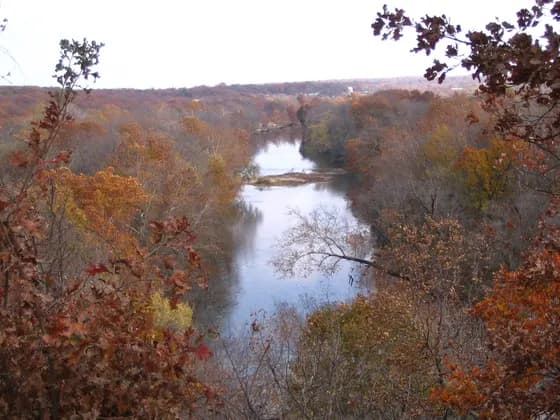
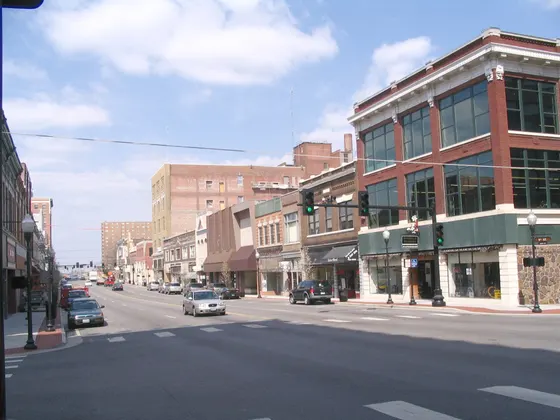
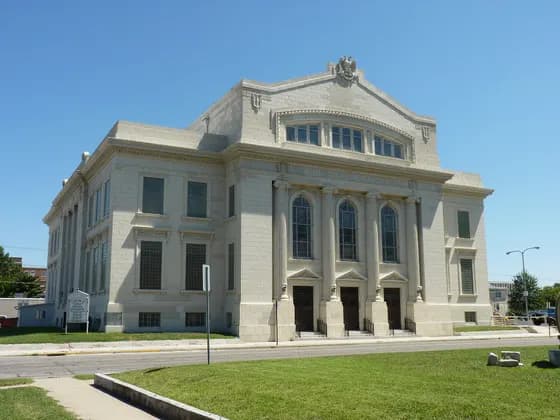
Photo: EJParnell · CC BY-SA 4.0 · cropped
Photo: AbeEzekowitz · CC BY 3.0 · Photo: AbeEzekowitz · CC BY-SA 3.0 · Photo: AbeEzekowitz · CC BY-SA 3.0
How to get into Kansas City University College of Dental Medicine (DMD) dentistry
Step-by-step: entry requirements, admission tests, personal statement, interview format and the key deadlines.
Open the guide →Kansas City University College of Dental Medicine (DMD) entry requirements
Admission profile, interview format, decision dates and what makes Kansas City University College of Dental Medicine (DMD) different.
See the profile →The Kansas City University College of Dental Medicine (DMD) dentistry interview
Kansas City University College of Dental Medicine uses a traditional panel interview at its Joplin, Missouri campus. KCU Dental is one of the newest accredited dental schools in the US, opening its first class in 2023 — which makes it an unusual program to research and interview for.
The school is located in Joplin, Missouri, in the heart of a designated dental shortage area in the Missouri Ozarks. KCU Dental is explicitly mission-built to train dentists for rural and underserved communities in the Midwest — mission alignment is not optional; it is the primary selection criterion.
KCU also houses a College of Osteopathic Medicine, enabling interprofessional education. Expect questions about oral-systemic health, collaboration with physicians, and working in resource-limited settings.
Kansas City University College of Dental Medicine (DMD) interview at a glance (2027 entry)
| Annual DMD class size | ~70 (new program; verify) |
|---|---|
| Interview format | Traditional panel — faculty |
| DAT required | Yes — via ADEA AADSAS |
| Tuition (2025–26) | Verify with school — new program |
| Application system | ADEA AADSAS primary + KCU secondary |
| Interview window | September–February |
Interview format
- Faculty panel interview — typically 2–3 interviewers.
- Campus and clinic tour.
- Informal interactions with students and faculty.
- Mission-focused assessment throughout the day.
Sample interview questions
KCU Dental opened in 2023 to address dental shortages in rural Missouri. Why does that mission specifically resonate with you?
Be concrete — rural upbringing, community health volunteering, FQHC experience, personal connection to dental access issues. Generic answers fail at mission-driven schools.
KCU is a new dental school. What does that mean for your training, and why did you choose to apply here rather than to an established program?
What they are listening for:
- Opportunity to shape institutional culture
- mission alignment
- lower competitiveness vs. established schools
- interprofessional education with KCU-COM
Be honest and thoughtful.
KCU's osteopathic medicine program is on the same campus. How do you envision collaborating with physicians in a rural or underserved clinical setting?
What they are listening for:
- Shared patients
- co-managed systemic-oral conditions (diabetes, cardiovascular disease)
- referral relationships
- co-located clinic models in FQHCs
Show you understand what interprofessional practice looks like in practice.
A patient in a rural community has severe dental disease but no transportation to travel to a dental clinic for follow-up. What creative solutions do you consider?
What they are listening for:
- Mobile dental units
- teledentistry for monitoring
- coordination with community health workers
- patient education
- extended visit scope
Rural dental practice requires creative problem-solving.
Missouri's Ozarks region has some of the highest rates of tooth loss and dental disease in the US. How do you make sense of that statistic, and what drives it?
What they are listening for:
- Rural poverty
- limited dental coverage under Medicaid
- cultural attitudes toward dental care
- workforce shortage
- geography
Show genuine health equity literacy.
Starting dental school at a brand new institution means some systems will still be developing. How do you handle uncertainty and ambiguity in your learning environment?
What they are listening for:
- Adaptability
- self-directed learning
- resilience
- peer collaboration
- constructive feedback
Show you can thrive without a perfectly established infrastructure.
How have you demonstrated or developed the manual dexterity required for clinical dentistry?
Artistic work, wax carving practice, dental assisting, simulation lab experience, craft hobbies. Be specific; dental schools want evidence of fine motor skill awareness.
You are a general dentist in a rural community and a patient needs a specialist — the nearest oral surgeon is three hours away. How do you manage this?
What they are listening for:
- Triage urgency
- telehealth consultation
- coordination with specialist
- patient transport barriers
- knowing scope of practice limits
Rural dentistry often requires managing specialist access gaps.
If you had to practice in a single rural Missouri county for the first five years after graduation, would you be prepared for that? What would be your biggest challenge?
KCU wants honest, grounded answers — not just enthusiasm. Address isolation, scope of practice breadth required, community integration, and how you would manage professional development.
How do you handle a situation where a patient believes in a dental remedy that has no scientific basis and asks you to recommend it?
What they are listening for:
- Respectful patient communication
- evidence-based practice
- cultural sensitivity
- non-judgmental explanation
Do not dismiss patient beliefs; educate gently.
You are told the Missouri Ozarks region has some of the highest tooth-loss rates in the country and far fewer dentists per capita than the state average. How do you reason about which problem — disease burden or workforce supply — a school like KCU can actually move?
Workforce supply is KCU's direct lever; disease burden is downstream of poverty, coverage, and behavior. Argue that a mission-built school changes supply and retention but cannot fix social determinants alone. Hedge specific numbers.
How would you explain to a KCU osteopathic medical student, in plain terms, why a patient's uncontrolled diabetes belongs on your dental radar as much as theirs?
Translate the bidirectional periodontal-diabetes link for a non-dental clinician and frame shared management. Demonstrates genuine interprofessional fluency given the co-located DO college, not jargon.
Because KCU's dental program opened in 2023, board-outcome data for multiple graduating classes does not yet exist. How would you, as an applicant, responsibly weigh that absence of data?
Treat it as genuine due diligence: ask admissions directly, look at faculty credentials and curriculum design, weigh it against mission fit and lower competitiveness. Frame as informed risk assessment, not a deal-breaker or a red flag to wield.
A patient from a rural Ozarks community is suspicious of a 'big-city' dental school and reluctant to trust your recommendations. How do you build rapport?
What they are listening for:
- Cultural humility
- listening
- acknowledging the access history
- working at their pace
- partnering with trusted local staff
Outsider mistrust is a real dynamic for a mission-built rural school.
Your dental school clinic, still building its systems, lacks a smooth referral pathway for a patient who urgently needs an oral surgeon hours away. How do you act in the patient's interest while the system matures?
Improvise responsibly:
- phone the specialist directly
- arrange transport help
- manage the patient safely in the interim
- flag the gap to faculty for a lasting fix
Patient-first problem-solving plus constructive system feedback — exactly the KCU temperament.
Practise the Kansas City University College of Dental Medicine (DMD) interview
Rehearse the real format before the day — on demand with our AI interviewers, or live with a tutor.
Sit a mock with photoreal AI interviewers — any time
A timed MMI or panel interview on video — American & international voices — with interviewers who listen, react and press with follow-ups. Rubric-scored feedback and a replay the moment you finish.





Live mocks with a tutor who’s been in the room
A full Kansas City University College of Dental Medicine (DMD)-style mock with a medic or dentist tutor — honest scoring against real marking criteria, a station-by-station debrief and a written action plan.
Book a mock interviewHow to prepare for the Kansas City University College of Dental Medicine (DMD) interview
Common pitfalls to avoid
Kansas City University College of Dental Medicine (DMD) interview — frequently asked questions
Sources & official admissions information
Ready to nail your Kansas City University College of Dental Medicine (DMD) interview?
Book a mock interview with a tutor who knows the US interview formats, orpractice unlimited stations from our interview question bank.