Kansas City University College of Dental Medicine (DMD)
Joplin, MO, US
Joplin, MO, US•Est. 2023
Kansas City University College of Dental Medicine (DMD) Dental School - 2027 Entry Requirements & Interview Format
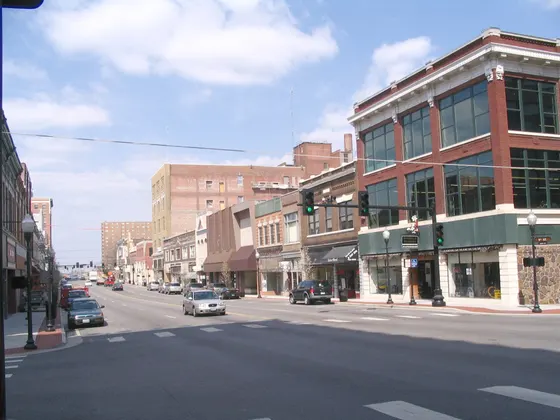
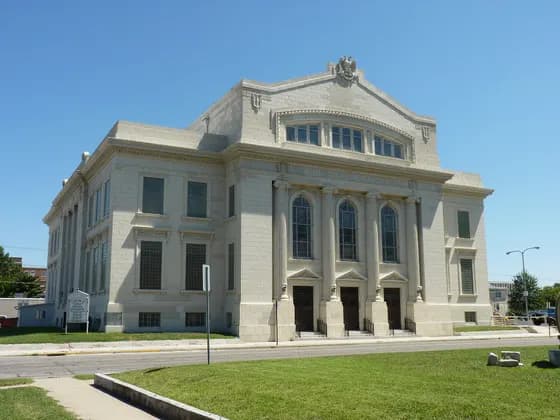
Kansas City University College of Dental Medicine, located in Joplin, Missouri, is one of the newest dental schools in the United States, opening its inaugural class in 2023. KCU is part of a larger health sciences university that includes osteopathic medicine, enabling interprofessional education. The school's location in the Missouri Ozarks — a region with significant dental access gaps — reflects its explicit mission to train dentists for underserved communities.
Entry Requirements
What you need to apply to Kansas City University College of Dental Medicine (DMD).
Admission overview
Bachelor's degree and DAT required. Applications via ADEA AADSAS. Mission alignment — commitment to serving rural and underserved communities — is weighted heavily. DAT and GPA evaluated holistically.
GPA median
3.50 overall / 3.45 science (BCPM)
Acceptance rate
17.8%
Class size
80
In-state preference
Moderate — some OOS consideration
CASPer
Not required
Holistic review emphasis
Mission fit (rural/underserved), dental experience, DAT, GPA, interprofessional interest.
Notes
GPA medians highly hedged — new programme opened 2023 with limited published outcomes data. DAT Academic Average approximately 19–21 (estimated). Estimates from public AAMC FACTS / AACOMAS / ADEA AADSAS / class-profile; verify current cycle.
Specialities offered
Community Dentistry, Rural Oral Health, Oral-Systemic Health, General Dentistry, Preventive Dentistry
Interview Format
How Kansas City University College of Dental Medicine (DMD) interviews applicants.
Format
Traditional panel interview with faculty
Interview window
September–February
Decision date
Rolling admissions
Post-interview chances
Approximately 40–55% post-interview (estimated; new programme with smaller class).
What to expect at a Kansas City University College of Dental Medicine (DMD) interview
KCU College of Dental Medicine conducts a traditional panel interview at its Joplin, Missouri campus. The interview day includes a faculty panel session, campus and clinic tour, and informal student interactions. As a newer programme (opened 2023), the interview process reflects the school's mission to address the dental shortage in the Missouri Ozarks — interviewers heavily probe commitment to serving underserved rural communities, professional values, and personal resilience. Given the school's size, the interview environment is relatively intimate.
What makes Kansas City University College of Dental Medicine (DMD) different
Applications via ADEA AADSAS. KCU College of Dental Medicine opened in 2023, making it one of the newest accredited dental schools in the US. Located in Joplin, Missouri — a designated dental shortage area — the school is mission-built to address rural and underserved oral health needs in the Missouri Ozarks and surrounding Midwest region. KCU also houses a College of Osteopathic Medicine, enabling interprofessional education.
Tutor insight
KCU Dental is a newly accredited programme, which creates both opportunity and uncertainty. The school's mission fit with rural and underserved communities is extremely important — applicants without genuine experience or interest in that context are unlikely to be competitive. As a new school, outcomes data (board passage rates, residency placement) are not yet established — research carefully before committing.
PrometheusQuestion Bank
405 dentistry questions inside
Interview questions matched to Kansas City University College of Dental Medicine (DMD)
Two questions our tutors flagged as a strong fit for Kansas City University College of Dental Medicine (DMD)’s interview style. Try answering them out loud, then open Prometheus for the model answers and follow-up tips.
Hard·MMI · PanelQ1
Climate Health and Oral Disease: Emerging Environmental Considerations
Climate change is increasingly recognized as a public health crisis with downstream effects on oral health: extreme heat events are associated with increased sugar-sweetened beverage consumption, wildfires displace populations to areas with less dental infrastructure, drought-related water stress affects fluoridated water supply systems, and extreme weather events disrupt dental care continuity for vulnerable populations. ADEA and some dental school curricula are beginning to incorporate planetary health and environmental justice into oral health education. As a future dentist, how do you think about the relationship between environmental conditions and oral health, and what does this emerging connection mean for how dentists think about their role in community health?
Likely follow-up · In a community affected by a major hurricane, dental practices are destroyed and patients who relied on ongoing periodontal care go without treatment for six months. When they present to a temporary dental clinic, what oral health changes might you expect, and how do you prioritize care in a disaster-response dental setting?
3 expert tips in Prometheus
Medium·PanelQ2
Practice Ownership: Associateship vs. Starting Your Own Practice
Most dental school graduates in the United States do not immediately open their own practices — they typically begin as associates in established practices, gaining clinical experience and repaying debt. Some eventually buy into or purchase a practice; others remain associates or join corporate dental organizations (DSOs). Given your debt load, career goals, and the changing landscape of dental practice ownership, how do you think about the associateship-to-ownership pathway, and what practice model appeals to you and why?
Likely follow-up · Dental service organizations (DSOs) now account for a growing share of US dental practices and offer associates stable employment with predictable hours and income, often without the administrative burden of ownership. What are the trade-offs of DSO employment compared to independent ownership?
Apply to Kansas City University College of Dental Medicine (DMD) with confidence
We've helped students get into Kansas City University College of Dental Medicine (DMD) and other US dentistry schools. Get tailored support for each stage of the application.
Kansas City University College of Dental Medicine (DMD) - Frequently asked questions
Bachelor's degree and DAT required. Applications via ADEA AADSAS. Mission alignment — commitment to serving rural and underserved communities — is weighted heavily. DAT and GPA evaluated holistically.
Traditional panel interview with faculty. KCU College of Dental Medicine conducts a traditional panel interview at its Joplin, Missouri campus. The interview day includes a faculty panel session, campus and clinic tour, and informal student interactions. As a newer programme (opened 2023), the interview process reflects the school's mission to address the dental shortage in the Missouri Ozarks — interviewers heavily probe commitment to serving underserved rural communities, professional values, and personal resilience. Given the school's size, the interview environment is relatively intimate.
Kansas City University College of Dental Medicine (DMD) typically interviews in September–February.
Decisions are released Rolling admissions.
Applications via ADEA AADSAS. KCU College of Dental Medicine opened in 2023, making it one of the newest accredited dental schools in the US. Located in Joplin, Missouri — a designated dental shortage area — the school is mission-built to address rural and underserved oral health needs in the Missouri Ozarks and surrounding Midwest region. KCU also houses a College of Osteopathic Medicine, enabling interprofessional education.