
NYU College of Dentistry Interview
Format, Questions & Prep Tips
NYU College of Dentistry dentistry interviews for 2027 entry are a traditional interview, held October 2026 through February 2027. Published figures: Annual DDS class size ~350; Tuition (2025–26) ~USD 72,000/year.
- Institution
- NYU College of Dentistry
- Interview (2027 entry)
- October through February
- Decisions (2027 entry)
- Rolling decisions; waitlist through spring
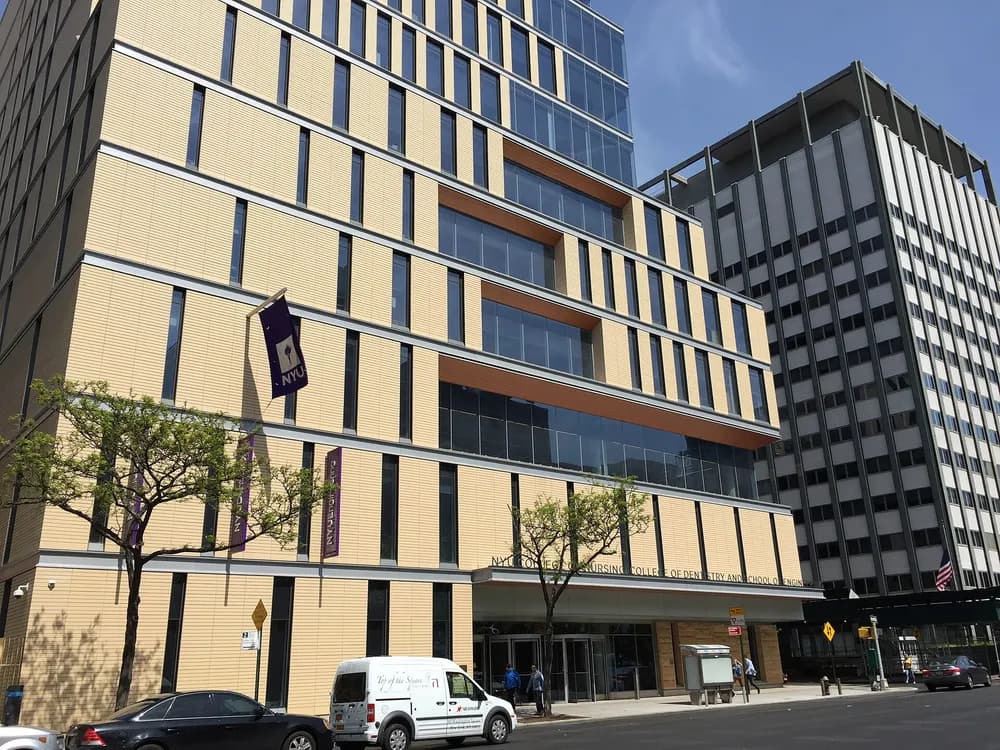
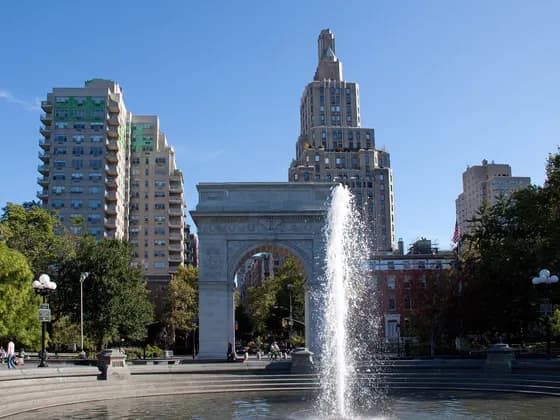
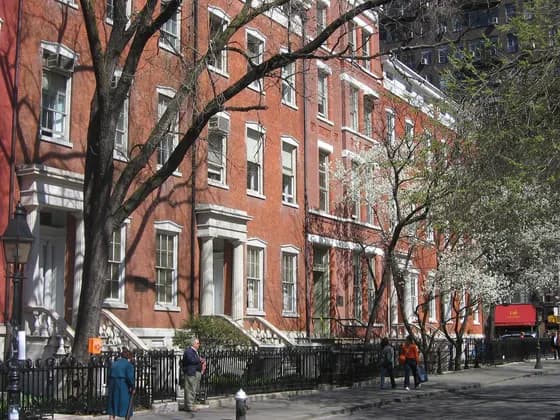

Photo: Jgunaratne · Public domain · cropped
Photo: Tony Hisgett from Birmingham, UK · CC BY 2.0 · Photo: Urban~commonswiki · CC BY-SA 3.0 · Photo: Dietmar Rabich · CC BY-SA 4.0
How to get into NYU College of Dentistry (DDS) dentistry
Step-by-step: entry requirements, admission tests, personal statement, interview format and the key deadlines.
Open the guide →NYU College of Dentistry (DDS) entry requirements
Admission profile, interview format, decision dates and what makes NYU College of Dentistry (DDS) different.
See the profile →The NYU College of Dentistry (DDS) dentistry interview
NYU College of Dentistry (NYUCD) uses a traditional interview format — typically two sessions (faculty and student). NYUCD is the largest dental school in the US and in the world by enrollment (~350+ per year), and its clinical training volume is extraordinary. Students see more patients earlier than at most dental schools, building clinical confidence rapidly.
NYUCD is in New York City, training dentists for one of the world's most diverse patient populations. Interviewers probe cultural competence, language diversity in clinical practice, and adaptability to different patient expectations and health beliefs.
NYUCD has a strong global dental health program and significant international student and faculty presence. Questions about global oral health access and international dentistry are common.
NYU College of Dentistry (DDS) interview at a glance (2027 entry)
| Annual DDS class size | ~350 |
|---|---|
| Interview format | Traditional — faculty + student sessions |
| DAT required | Yes — via ADEA AADSAS |
| Tuition (2025–26) | ~USD 72,000/year |
| Application system | ADEA AADSAS primary + NYU secondary |
| Interview window | October–February |
Interview format
- Two sessions: faculty and student.
- Very large class — competitive but high-volume clinical training.
- No MMI.
Sample interview questions
Why dentistry rather than medicine? What specifically draws you to oral health as your field?
A positive case for dentistry: the union of manual craft and science, longitudinal patient relationships, and visible outcomes. Avoid framing dentistry as a fallback from medicine.
NYUCD is the largest dental school in the world. How does the scale and diversity of a patient pool this size shape the dental training experience?
High volume builds competence; diverse cases build adaptability. Address both the opportunity and the challenge of scale, and show you have thought about how you will thrive in it.
NYUCD has a strong global oral health program. How does international or global dentistry fit into your interests?
What they are listening for:
- Genuine interest in global oral health access
- the international student and faculty community
- how exposure to diverse health beliefs informs practice
Avoid voluntourism framing.
Tell us about the experience that confirmed dentistry is the right path for you.
A specific, reflective story showing realistic understanding of daily dental practice rather than an idealized picture.
New York City has over 200 languages spoken. A patient comes to your clinic who speaks only Mandarin and is extremely anxious about dental treatment. How do you approach the appointment?
Professional interpreter use rather than ad hoc, dental-anxiety management techniques, and building trust across language and cultural difference. Show patience and structure.
How have you developed your manual dexterity and fine-motor skills, and why do they matter for dentistry?
Concrete examples — art, music, crafts, lab or surgical work — and reflection on precision under time pressure. Tie dexterity to restorative quality and patient safety.
In a very high-volume teaching clinic, how do you ensure that throughput pressure does not compromise the standard of care for each patient?
What they are listening for:
- Patient-centered care under time constraints
- knowing when to slow down
- asking for supervision
- resisting corner-cutting
NYUCD's scale makes this a live ethical tension.
A patient cannot afford the ideal treatment plan and asks for a cheaper compromise that you consider second-best. How do you handle it?
Inform clearly about trade-offs and risks, respect financial reality and autonomy, document the discussion, and avoid both paternalism and silent compliance.
You notice an attending repeatedly using a shortcut that you believe falls below the standard of care. What do you do?
What they are listening for:
- Patient safety and professional integrity
- raising concerns through appropriate channels
- managing the hierarchy thoughtfully
Show courage tempered with judgment.
Dental care is often excluded from basic health coverage, treated as separate from 'real' medicine. Is that justifiable?
Argue using the oral-systemic health link and access consequences. Show you can reason about a genuine policy question rather than simply asserting a position.
The DDS curriculum is rigorous and clinical exposure begins early. How will you manage the combined didactic and clinical load?
Realistic study plan, time management, and use of support resources. Show self-knowledge about learning and building technical skill in a high-volume environment.
Is there anything in your DAT scores or AADSAS academic record you would like to explain?
Address weaknesses honestly without excuses and show upward trajectory. Self-awareness reassures interviewers more than a flawless record.
Role-play: a classmate pressures you to let them observe and reuse your completed lab work to save time. Respond.
Uphold integrity while staying collegial, and offer legitimate help instead. Professionalism in clinical training is being assessed.
Role-play: a patient from a culture where dental pain is endured silently downplays severe symptoms. Draw out the real picture.
What they are listening for:
- Cultural humility
- open and non-leading questions
- building trust
- avoiding assumptions
Adaptability across health beliefs is central to NYUCD's patient population.
You are shown clinic data showing that patients needing interpreters wait significantly longer for treatment completion. What might explain this and what would you want to know?
What they are listening for:
- Scheduling
- interpreter availability
- communication friction
- follow-up barriers
Distinguish association from causation and identify what further data would clarify the disparity.
Practise the NYU College of Dentistry (DDS) interview
Rehearse the real format before the day — on demand with our AI interviewers, or live with a tutor.
Sit a mock with photoreal AI interviewers — any time
A timed MMI or panel interview on video — American & international voices — with interviewers who listen, react and press with follow-ups. Rubric-scored feedback and a replay the moment you finish.





Live mocks with a tutor who’s been in the room
A full NYU College of Dentistry (DDS)-style mock with a medic or dentist tutor — honest scoring against real marking criteria, a station-by-station debrief and a written action plan.
Book a mock interviewHow to prepare for the NYU College of Dentistry (DDS) interview
Common pitfalls to avoid
NYU College of Dentistry (DDS) interview — frequently asked questions
Sources & official admissions information
Ready to nail your NYU College of Dentistry (DDS) interview?
Book a mock interview with a tutor who knows the US interview formats, orpractice unlimited stations from our interview question bank.