
Touro College of Dental Medicine at NYMC Interview
Format, Questions & Prep Tips
Touro College of Dental Medicine at NYMC dentistry interviews for 2027 entry are a traditional interview, held September 2026 through February 2027. Published figures: Annual DDS class size ~214; Tuition (2025–26) ~USD 74,000–78,000/year (estimated; verify with school).
- Institution
- Touro College of Dental Medicine at New York Medical College
- Interview (2027 entry)
- September through February
- Decisions (2027 entry)
- Rolling; decisions typically within 4–6 weeks of interview

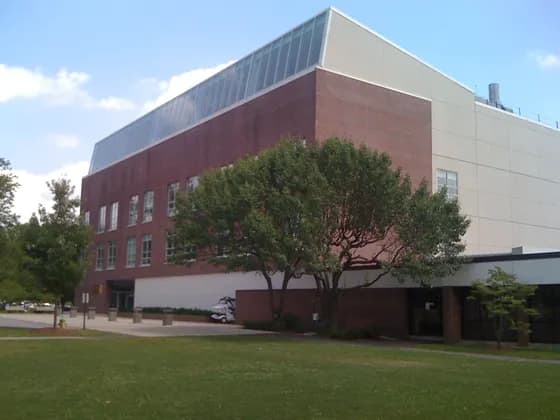
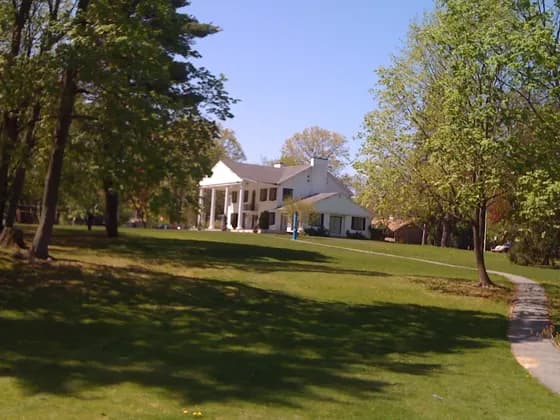
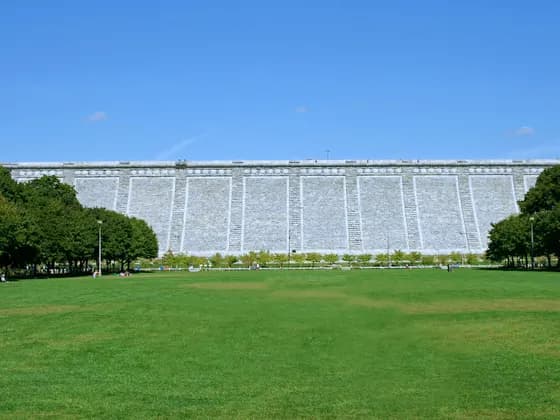
Photo: Johnathanly · CC BY-SA 4.0 · cropped
Photo: Somguy885 ( talk ) · Public domain · Photo: Somguy885 · CC BY 3.0 · Photo: Vincent de Lagabbe · CC BY-SA 3.0
How to get into Touro College of Dental Medicine at NYMC (DDS) dentistry
Step-by-step: entry requirements, admission tests, personal statement, interview format and the key deadlines.
Open the guide →Touro College of Dental Medicine at NYMC (DDS) entry requirements
Admission profile, interview format, decision dates and what makes Touro College of Dental Medicine at NYMC (DDS) different.
See the profile →The Touro College of Dental Medicine at NYMC (DDS) dentistry interview
Touro College of Dental Medicine at New York Medical College conducts traditional faculty interviews at its Hawthorne, Westchester County campus. TCDM is a private dental school founded in 2016 and affiliated with New York Medical College — offering interprofessional education opportunities with medical students and hospital clinical affiliates.
Touro University is a Jewish heritage institution committed to intellectual inquiry, community service, and tikkun olam (repairing the world). Students of all faiths are welcome and the school is non-sectarian in admissions, but these values shape institutional culture. Interviewers probe community commitment, ethical grounding, and service orientation with genuine depth.
The Westchester County setting, approximately 30 miles north of Manhattan, provides suburban New York clinical training with access to a diverse patient population across the greater metropolitan area.
Touro College of Dental Medicine at NYMC (DDS) interview at a glance (2027 entry)
| Annual DDS class size | ~214 |
|---|---|
| Interview format | Traditional — faculty one-on-one or panel |
| DAT required | Yes — via ADEA AADSAS |
| Tuition (2025–26) | ~USD 74,000–78,000/year (estimated; verify with school) |
| Application system | ADEA AADSAS primary + Touro secondary |
| Interview window | September–February |
Interview format
- Faculty one-on-one or panel interview.
- Community service and ethical values assessed.
- Clinic and simulation lab tour.
- NYMC co-location context may arise.
Sample interview questions
What attracted you to Touro College of Dental Medicine at NYMC specifically?
What they are listening for:
- NYMC interprofessional education
- Touro values of community service
- Westchester clinical environment
- newer program with developing culture
Be specific and honest.
Touro University is rooted in values of community service and intellectual responsibility. How do those values connect to your vision of dental practice?
Tikkun olam — repairing the world through professional service. Dental care as a community good, not just individual treatment. You do not need to be Jewish to engage thoughtfully with this concept.
TCDM is co-located with New York Medical College. How would you use that proximity to physicians to enrich your dental education?
What they are listening for:
- Interprofessional education
- oral-systemic case conferences
- hospital dental rotations
- shared anatomy curriculum
Show you have researched what the co-location actually enables.
Tell me about a sustained community service experience that is meaningful to you — not just a one-time event.
Touro values depth of commitment over breadth of volunteering. Long-term engagement with a cause or community is more compelling than a list of short activities.
A patient comes to your clinic who you know personally from your social life. They disclose a sensitive health condition during the appointment. How do you handle the ongoing dual relationship?
What they are listening for:
- Professional boundaries
- confidentiality
- referral if the dual relationship compromises objectivity
ADA ethics on professional relationships apply. Transparent discussion with the patient about maintaining clinical professionalism.
Touro's interprofessional training emphasizes the connection between oral and systemic health. Give a specific example of how you would apply this in general practice.
What they are listening for:
- Screening for hypertension during dental visits
- periodontitis-diabetes management
- referring patients with suspicious oral lesions for medical evaluation
- communicating with physicians about anticoagulated patients
What has been your most challenging learning experience, and how has it shaped your approach to education?
What they are listening for:
- Intellectual humility
- growth mindset
- resilience
Dental school will challenge you in ways you cannot predict — show you can learn from difficulty.
You are working in a clinic and a patient asks you a clinical question that you genuinely do not know the answer to. What do you do?
Intellectual honesty — "I want to get you the most accurate information; let me confirm with my supervisor and get back to you." Never guess in a clinical context. Models appropriate epistemic humility for dental practice.
Describe your dental shadowing experience. What procedure or patient interaction most surprised you or changed your understanding of dentistry?
Authentic and specific. The best answers describe a particular moment — the complexity of a case, the patient relationship, something unexpected. Not a summary.
A patient refuses recommended radiographs, citing concerns about radiation exposure. You believe the refusal will compromise your ability to diagnose an issue. How do you proceed?
Patient education about radiation doses in dental X-rays (very low), explain the clinical rationale, respect autonomy if they still decline, document thoroughly, proceed with clinical exam only, establish a follow-up plan.
Your simulated patient is an anxious first-time adult patient at the TCDM clinic who reveals they have not seen a dentist in fifteen years out of shame about the state of their teeth. You have a few minutes before the exam. What do you say and do?
What they are listening for:
- Normalize without minimizing
- thank them for coming in
- frame the visit as a fresh start rather than a judgment
Establish a stepwise plan so the first visit feels safe. Tikkun olam in practice is meeting people without shame.
A Westchester County oral-health report shows immigrant communities have far lower rates of preventive dental visits than the county average. If you led a TCDM student outreach effort, how would you read that and act on it?
Distinguish access barriers (insurance, language, hours, trust) from preference. Propose a targeted, language-concordant prevention effort and a way to measure uptake. Show you can turn a disparity statistic into a service response.
TCDM shares the NYMC campus. Walk me through how you, as a general dentist, would co-manage a patient who screens positive for hypertension in your chair.
Recognize the reading, avoid over-stepping scope, communicate clearly with the patient, and refer/loop in a physician — exactly the kind of medical-dental handoff the NYMC co-location is meant to teach. Specifics beat platitudes about 'collaboration'.
Describe a time you had to repair a relationship after a disagreement with a teammate or classmate. What did you do?
Dental clinics are tight teams. Show humility, perspective-taking, and a concrete repair action. Touro's culture of community and responsibility values relational maturity, not just technical competence.
A patient who is also a generous donor to Touro asks you to expedite their cosmetic treatment ahead of patients with urgent clinical needs. How do you handle it?
What they are listening for:
- Clinical urgency
- not status or generosity
- sets priority
Decline gracefully, explain the triage principle, and avoid letting institutional relationships distort fair allocation of care. Justice as a professional value.
Practise the Touro College of Dental Medicine at NYMC (DDS) interview
Rehearse the real format before the day — on demand with our AI interviewers, or live with a tutor.
Sit a mock with photoreal AI interviewers — any time
A timed MMI or panel interview on video — American & international voices — with interviewers who listen, react and press with follow-ups. Rubric-scored feedback and a replay the moment you finish.


Live mocks with a tutor who’s been in the room
A full Touro College of Dental Medicine at NYMC (DDS)-style mock with a medic or dentist tutor — honest scoring against real marking criteria, a station-by-station debrief and a written action plan.
Book a mock interviewHow to prepare for the Touro College of Dental Medicine at NYMC (DDS) interview
Common pitfalls to avoid
Touro College of Dental Medicine at NYMC (DDS) interview — frequently asked questions
Sources & official admissions information
Ready to nail your Touro College of Dental Medicine at NYMC (DDS) interview?
Book a mock interview with a tutor who knows the US interview formats, orpractice unlimited stations from our interview question bank.