
University of Pikeville Tanner College of Dental Medicine Interview
Format, Questions & Prep Tips
University of Pikeville Tanner College of Dental Medicine dentistry interviews for 2027 entry are a traditional interview, held October 2026 through March 2027. Published figures: Annual DMD class size 54 (2026 inaugural class); Accreditation CODA initial accreditation — 2025.
- Institution
- University of Pikeville Tanner College of Dental Medicine
- Interview (2027 entry)
- October through March
- Decisions (2027 entry)
- Rolling decisions; inaugural program — timelines may differ from established schools

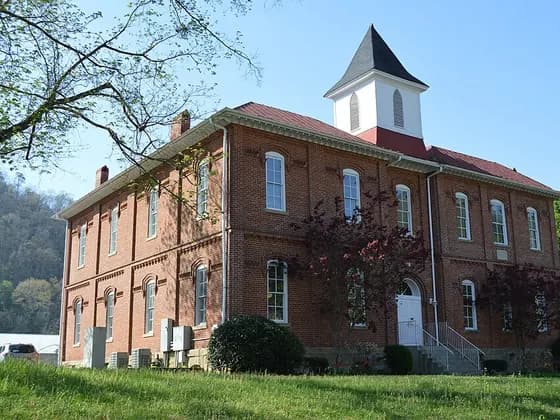
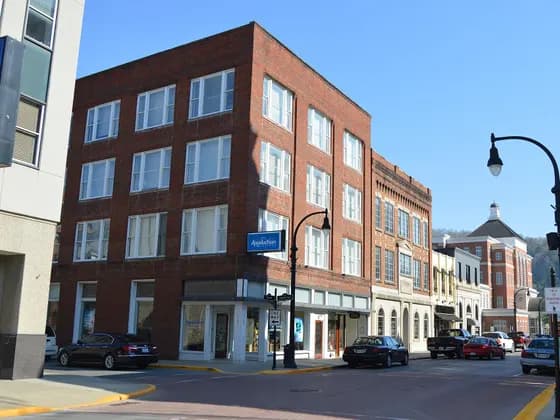
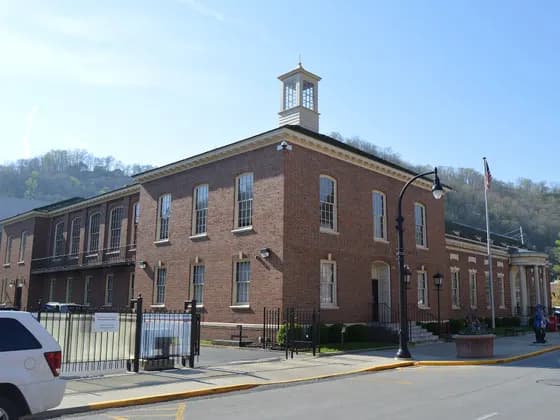
Photo: Nyttend · Public domain · cropped
Photo: Nyttend · Public domain · Photo: Nyttend · Public domain · Photo: Nyttend · Public domain
How to get into University of Pikeville Tanner College of Dental Medicine (DMD) dentistry
Step-by-step: entry requirements, admission tests, personal statement, interview format and the key deadlines.
Open the guide →University of Pikeville Tanner College of Dental Medicine (DMD) entry requirements
Admission profile, interview format, decision dates and what makes University of Pikeville Tanner College of Dental Medicine (DMD) different.
See the profile →The University of Pikeville Tanner College of Dental Medicine (DMD) dentistry interview
University of Pikeville Tanner College of Dental Medicine uses a traditional one-on-one interview format at its Pikeville, Kentucky campus. Pikeville Dental is among the newest dental schools in the United States, receiving CODA initial accreditation in 2025.
Pikeville sits in the heart of Appalachian Eastern Kentucky — one of the US regions with the most severe oral health disparities. The school’s mission is singular: address Appalachian Kentucky’s oral health crisis by training dentists who will stay and serve the region. Interviewers probe genuine, demonstrable commitment to rural and underserved practice.
Co-located with UPIKE’s College of Osteopathic Medicine. All applications via ADEA AADSAS; DAT required.
University of Pikeville Tanner College of Dental Medicine (DMD) interview at a glance (2027 entry)
| Annual DMD class size | 54 (2026 inaugural class) |
|---|---|
| Interview format | Traditional — one-on-one faculty session |
| DAT required | Yes — via ADEA AADSAS |
| Tuition (2025–26) | To be confirmed — verify with UPIKE admissions |
| Application system | ADEA AADSAS primary + UPIKE secondary |
| Interview window | October–March |
| Accreditation | CODA initial accreditation — 2025 |
Interview format
- One-on-one faculty session; ~30–45 minutes.
- Campus tour including UPIKE health sciences facilities.
- No MMI.
Sample interview questions
Pikeville Dental exists specifically to serve Appalachian Kentucky. Why does this mission resonate with you personally?
Personal connection to Appalachian Kentucky or similar rural/underserved communities carries the most weight. If you do not have personal ties, explain why you are genuinely drawn to this mission — be honest and specific.
Pike County has one of the highest rates of tooth loss in the United States. What factors create this oral health crisis, and what would it take to address it?
Poverty, tobacco use, limited dental insurance, geographic isolation, cultural factors, workforce shortage, opioid epidemic and dry mouth side effects. Dentists who stay in the community vs. those who leave.
Pikeville Dental is a newly accredited school. What considerations does that raise for you as a prospective student, and how have you thought through them?
Honest risk assessment:
- inaugural program with less established track record
- potential curriculum adjustments
- residency match without alumni network yet
Balanced by: lower applicant competition, mission alignment, building something new.
Appalachian communities have high rates of opioid misuse. What oral health consequences of opioid use do you see in dental practice?
Xerostomia from opioids → rampant caries; poor oral hygiene during addiction; trauma from falls; dental avoidance. The dentist's role in recognizing addiction, using opioids responsibly, and connecting patients to treatment.
A patient in Pikeville needs extensive dental work but cannot afford it and lives an hour from the nearest dental specialist. How do you develop an ethical, practical treatment plan?
Prioritize urgency, phased treatment, explore state assistance programs, NHSC-affiliated dentists, charity dental days (Donated Dental Services). ADA ethics: justice in resource allocation.
Describe your manual dexterity background and how it prepares you for clinical dentistry.
Specific activity with demonstrable precision. Connect to composite restoration placement, crown preparation, suturing, or endodontic instrumentation.
Pikeville Dental is on the same campus as UPIKE College of Osteopathic Medicine. How does training alongside osteopathic medical students benefit your dental education?
Oral-systemic connections; shared patient cases; medication awareness; the whole-person osteopathic philosophy resonates with oral-systemic integration in dentistry.
After graduating from Pikeville Dental, where do you see yourself practicing, and why?
For this school, a genuine answer about Eastern Kentucky or a similar Appalachian or rural community is the strongest response. NHSC loan repayment, rural health center dentistry, or private practice in a shortage area.
Pike County and the surrounding Eastern Kentucky region report some of the highest tooth-loss and untreated-decay rates in the country. How would you explain why those figures are so much higher here than the national average?
Stack the drivers:
- poverty
- tobacco
- the opioid epidemic and xerostomia
- geographic isolation
- dentist shortage
- historical under-investment
Show systems thinking rather than a single cause; hedge any specific statistic.
A patient recovering from opioid use disorder presents with widespread decay and is ashamed and defensive, expecting to be judged. How do you conduct the visit?
Non-judgmental, trauma-informed approach; acknowledge the recovery work, focus on rebuilding the mouth and the relationship, coordinate with recovery services. Recognize xerostomia-driven caries without moralizing. Central to Pikeville's patient population.
How would you explain to a UPIKE osteopathic medical student why the whole-person philosophy they are learning maps directly onto how you want to practice dentistry?
What they are listening for:
- Translate cura/whole-person care into oral-systemic integration
- social context
- treating the patient not just the tooth
Demonstrates engagement with the co-located DO program as more than a talking point.
As part of an inaugural cohort, you discover a clinical protocol at the new school differs from what you have read is current best practice. How do you raise it constructively?
Bring evidence, ask faculty about rationale with curiosity, and recognize that a new program is still maturing. Frame it as collaborative improvement, not complaint. Maturity about ambiguity is exactly what Pikeville screens for.
Many graduates leave rural areas within a few years of starting. Realistically, what would keep you practicing in Eastern Kentucky for the long term rather than just fulfilling a commitment and leaving?
Honesty about retention is what Pikeville wants. Discuss community roots, professional support networks, loan repayment, family fit, and what would make the difference. Avoid empty promises of permanence.
A patient presents with widespread rampant decay you suspect is driven by xerostomia. How would you investigate the cause and structure a prevention-first treatment plan?
Identify medications (opioids, antidepressants) and conditions causing dry mouth, assess diet and habits, then prioritize caries control — fluoride, saliva substitutes, diet counseling — before extensive restoration. Cause-first thinking for the region's caries burden.
A patient is hesitant to follow your advice because a family member had a bad dental experience years ago and warned them off. How do you rebuild trust?
Listen to the story without dismissing it, acknowledge past harms, explain how care has changed, go slowly, and let small successes build confidence. Generational mistrust of dentistry is real in under-served Appalachian communities.
Practise the University of Pikeville Tanner College of Dental Medicine (DMD) interview
Rehearse the real format before the day — on demand with our AI interviewers, or live with a tutor.
Sit a mock with photoreal AI interviewers — any time
A timed MMI or panel interview on video — American & international voices — with interviewers who listen, react and press with follow-ups. Rubric-scored feedback and a replay the moment you finish.






Live mocks with a tutor who’s been in the room
A full University of Pikeville Tanner College of Dental Medicine (DMD)-style mock with a medic or dentist tutor — honest scoring against real marking criteria, a station-by-station debrief and a written action plan.
Book a mock interviewHow to prepare for the University of Pikeville Tanner College of Dental Medicine (DMD) interview
Common pitfalls to avoid
University of Pikeville Tanner College of Dental Medicine (DMD) interview — frequently asked questions
Sources & official admissions information
Ready to nail your University of Pikeville Tanner College of Dental Medicine (DMD) interview?
Book a mock interview with a tutor who knows the US interview formats, orpractice unlimited stations from our interview question bank.